How Often Should You Roll Your Lawn to Get It Perfect?
Many homeowners often ask, how often to roll lawn. It can be tricky, especially if you’re just starting out! People worry about causing damage, or not getting the best results. Don’t worry, it’s easier than you think. We’ll break it down into simple steps, so you’ll know exactly what to do. Next, we’ll explore the basics of lawn rolling, and how often you should do it.
What Is Lawn Rolling, and Why Do It?
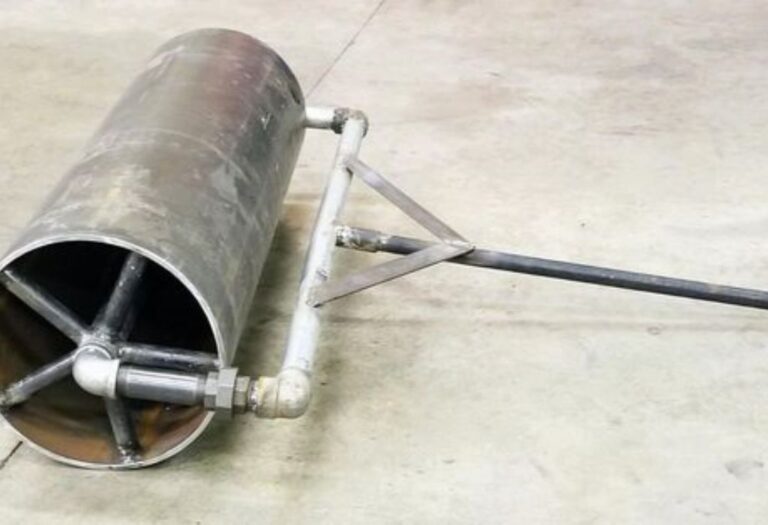
Lawn rolling involves using a lawn roller, a large, heavy cylinder that you pull across your grass. It’s like giving your lawn a gentle massage. This process helps to smooth out bumps, level the ground, and improve the overall look of your yard. Rolling can also help with other issues, such as settling soil after a freeze, or after new sod has been laid. It’s a way to keep your grass in top shape, and improve its appearance.
When Is Lawn Rolling Necessary?
Rolling your lawn isn’t something you need to do all the time. In fact, doing it too often can be more harmful than good. The ideal time to roll is when you have specific problems you want to address. For instance, if you have an uneven surface, or after the ground has heaved from winter frost. It’s also helpful to roll after laying new sod or seeding. Avoiding rolling a lawn unless necessary is key to maintaining healthy grass. Here are some key scenarios when rolling might be a good idea, and when it’s best to avoid it.
- Uneven Surfaces: If your lawn has bumps or dips, rolling can help level it out.
- After Winter Frost Heave: Frost can push soil upward, creating uneven ground. Rolling can smooth this.
- Before Seeding or Sodding: Rolling can ensure good contact between the soil and grass.
- After Pest Damage: Rolling will help to fix the damage caused by pests.
- Compacted Soil: Rolling can help relieve compacted soil, allowing for better water and nutrient absorption.
Lawn rolling isn’t always necessary. Overuse can harm your grass and soil. The best strategy is to assess your lawn’s condition and decide if rolling is the correct step to take.
When to Avoid Lawn Rolling
Knowing when to skip rolling is as important as knowing when to do it. Rolling when the ground is too wet can compact the soil, making it hard for grass roots to grow. Similarly, avoid rolling during very hot weather, as it can stress the grass. When grass is actively growing, avoid rolling, and certainly never roll a lawn if it is experiencing issues like disease or drought stress. The goal is to nurture your lawn, not to cause problems.
- During Wet Conditions: Rolling wet soil can compact it, causing issues.
- During Hot Weather: Rolling can stress grass in high temperatures.
- During Active Growth: Frequent rolling can hinder new growth.
- If the Lawn is Unhealthy: Avoid rolling if the grass is diseased or stressed.
Consider the timing and conditions before rolling your lawn. Checking your soil type, and the current weather is a good plan. This approach will allow you to do what is best for the health and appearance of your grass.
Understanding How Often to Roll Your Lawn

The frequency of rolling depends on your lawn’s needs. Rolling too often can damage your grass and compact the soil. The correct answer to how often to roll lawn is not a simple one. The best approach is to assess your lawn’s specific needs, and then act accordingly. This section provides a basic plan to help you get started, and provides a good base to make a decision.
The Best Rolling Frequency
In most cases, you won’t need to roll your lawn every year. Usually, once every one to three years is sufficient. The most common scenario is to roll after winter when frost heave may have created an uneven surface. New lawns or those with recent seeding may require rolling a bit more often to ensure good soil-to-seed contact, but again, only if needed. It’s crucial to assess your lawn’s condition and roll only when necessary to avoid damage. Overuse of a roller can stress the grass and compress the soil.
- Once Every 1-3 Years: For general maintenance, rolling every 1-3 years is fine.
- After Winter Frost: Rolling may be needed to level the lawn.
- New Lawns or Seeding: Rolling can help with seed-to-soil contact.
Remember that the best approach is to roll your lawn only when you need to. Assess your lawn for any issues, and use rolling as a targeted solution, instead of a routine practice. This helps you to preserve the health of your lawn, and keep it in the best possible condition.
Factors That Influence Rolling Frequency
Several factors can affect how often you roll your lawn. The type of soil, the weather conditions, and the age and condition of your grass all make a difference. For example, lawns with heavy clay soil may require less frequent rolling, as clay tends to compact more easily. On the other hand, sandy soil can benefit from rolling to help with leveling. If you’ve just seeded your lawn, you might need to roll it gently to improve seed-to-soil contact. Weather can also play a major role, so be aware of how moisture affects your lawn.
- Soil Type: Clay soil may need less frequent rolling.
- Weather: Avoid rolling when the ground is wet or during extreme temperatures.
- Age of the Lawn: New lawns might need more rolling initially.
- Grass Type: Different grass types may have varying needs.
Taking these factors into account helps you decide when rolling is beneficial, and when it might cause more harm than good. Remember, the goal is to keep your lawn in great shape, so you should always consider the specific needs of your yard.
The Step-by-Step Guide to Rolling Your Lawn
When you’ve decided to roll your lawn, it’s important to do it right. This step-by-step guide explains the process, from preparing your lawn, to using the roller correctly, to the final cleanup. Following these steps helps you to do the job safely and effectively, while avoiding damage to your grass. It’s easy, and provides the best results for your lawn.
Preparing Your Lawn for Rolling
Proper preparation is key to successful lawn rolling. First, mow your lawn to a suitable height, typically about 2-3 inches. This allows the roller to make better contact with the ground and helps to avoid damaging the grass. Make sure to remove any debris, like rocks, twigs, or large clumps of grass. These can get in the way of the roller and cause problems. Finally, check the soil moisture. The ground should be slightly moist, but not soaking wet. Wet soil compacts more easily.
- Mow the Lawn: Cut the grass to a suitable height.
- Remove Debris: Clear away any rocks, twigs, or grass clumps.
- Check Soil Moisture: The ground should be slightly moist.
These preparation steps will make the rolling process smoother and make sure you do it safely. Following these steps helps to protect your lawn, and will provide the best results.
Using the Lawn Roller Correctly
Using a lawn roller is a straightforward process, but it’s important to do it correctly to get the best results. Start by filling the roller with water or sand, as per the manufacturer’s instructions, to add weight. Begin rolling in straight lines, overlapping each pass slightly. This ensures that you cover the entire lawn evenly. Avoid making sharp turns, as this can damage the grass. Watch for any areas that need extra attention, like dips or bumps. Go slowly and evenly, and avoid making the same mistake twice.
- Fill the Roller: Add water or sand as needed.
- Roll in Straight Lines: Overlap each pass slightly.
- Avoid Sharp Turns: This helps to prevent damage.
- Go Slowly and Evenly: Cover the entire lawn evenly.
By following these steps, you’ll ensure that you roll your lawn effectively and prevent any damage to your grass. Remember, patience and a steady pace are the most important things when rolling a lawn.
Post-Rolling Care and Maintenance
After you’ve finished rolling, it’s important to take care of your lawn to help it recover. Water your lawn thoroughly after rolling, especially if the weather is dry. This helps to settle the soil and promotes growth. Monitor your lawn for any signs of stress, such as yellowing or wilting. If you see any, adjust your watering or fertilizing schedule as needed. A little bit of extra care after rolling will help to keep your lawn healthy and looking its best.
- Water Thoroughly: Hydrate your lawn after rolling.
- Monitor for Stress: Look for any signs of damage.
- Adjust Care as Needed: Alter your watering or fertilizing.
With proper care after rolling, your lawn will recover quickly and be in excellent shape. By following these easy steps, you can help make sure that your lawn stays healthy and beautiful. Taking care of your lawn after rolling is the final piece of the puzzle.
Tools and Equipment for Lawn Rolling
Choosing the right tools and equipment is a key step in rolling your lawn. The essential tool is a lawn roller, of course. Rollers come in different sizes and weights, so pick one that suits your lawn size and your physical abilities. Other tools to consider include a lawn mower, a garden rake, and a hose or sprinkler. The right equipment makes the job easier and helps you get great results, and is the key to keeping your lawn in top shape.
Types of Lawn Rollers
Lawn rollers come in various types, depending on their size, weight, and how they are filled. There are push rollers, which you fill with water or sand to add weight, and tow-behind rollers, which attach to a lawn tractor or ATV. Push rollers are ideal for smaller lawns. Tow-behind rollers work well for larger areas. When choosing, consider the size of your lawn, the type of soil, and how much effort you’re willing to put in. Make sure the roller you choose is suitable for your specific needs.
- Push Rollers: Filled with water or sand. Great for small yards.
- Tow-Behind Rollers: Attach to a tractor or ATV. Ideal for larger lawns.
- Solid Rollers: These are heavier and more solid for tough jobs.
Taking the time to choose the correct type of roller helps make the job much easier. The right roller helps you get the best results, and will keep your grass looking great.
Other Essential Equipment
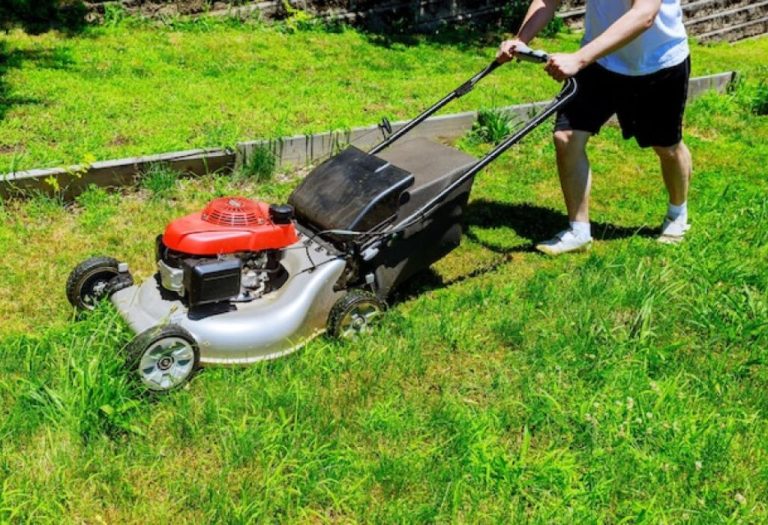
Besides a lawn roller, you’ll need a few other pieces of equipment. A lawn mower is essential for cutting the grass before rolling. A garden rake is useful for removing any debris like leaves or twigs. A hose or sprinkler is also important for watering your lawn after rolling. Having these tools ready ensures that you can handle the whole process with ease. These tools will help you to create the right conditions for successful rolling, and keep your grass looking its best.
- Lawn Mower: Cut the grass before rolling.
- Garden Rake: Remove debris from your lawn.
- Hose or Sprinkler: Water your lawn after rolling.
These tools, along with your chosen lawn roller, will help you do a great job. Having the correct equipment makes the process smoother, and helps you achieve the best possible results. When it comes to lawn care, having the right tools makes a big difference.
Addressing Common Lawn Rolling Problems
Even with careful planning and execution, problems can sometimes arise during or after the rolling process. Fortunately, with a bit of knowledge and the right approach, you can fix these issues and get your lawn back on track. Understanding common problems will help you address them quickly and effectively. Knowing what to do in case of problems helps you maintain a healthy and beautiful lawn.
Dealing with Over-Rolling
One of the most frequent problems is over-rolling, which can happen if you roll your lawn too often or with a roller that is too heavy. The most obvious signs are compacted soil, stressed grass, and poor drainage. If you think you’ve over-rolled, your lawn will become less capable of absorbing water and nutrients. To fix this, you may need to aerate your lawn to improve soil aeration, allowing the roots to breathe and thrive. Then, improve your watering, and fertilizing routine as needed. The best way to deal with over-rolling is to avoid doing it in the first place, or take action immediately if you think it has happened.
- Compacted Soil: Improves aeration through aeration techniques.
- Stressed Grass: Adjust watering and fertilizing.
- Poor Drainage: Aerate, and adjust your routine.
Addressing over-rolling quickly is key to restoring your lawn’s health. Taking steps to fix these issues helps to keep your lawn thriving, and looking its best. Keeping these steps in mind makes it easier to keep your lawn healthy.
Managing Uneven Results
Sometimes, even with the best efforts, you might get uneven results. Bumps and dips can persist, or new ones may appear after rolling. This can be caused by several factors, including uneven soil, improper rolling technique, or using a roller that is not heavy enough. To address this, make sure to roll slowly and carefully, and to overlap each pass. You may need to fill the low spots with topsoil before rolling. Use a heavier roller if your lawn is still uneven after the first pass. Sometimes it can take a few attempts to get the right result, but the reward will be a great lawn.
- Uneven Soil: Correct by filling low spots.
- Improper Technique: Roll slowly and overlap.
- Insufficient Weight: Use a heavier roller.
Taking the time to fix uneven results helps you achieve a smooth and even lawn. Patience and careful attention to detail are important to getting the best outcomes. By making these changes, you can achieve the even, attractive lawn you desire.
Frequently Asked Questions
Question: How can I tell if my lawn needs rolling?
Answer: Check for bumps, dips, or uneven surfaces. After winter, look for frost heave. If you see these issues, your lawn might benefit from rolling.
Question: What’s the best time of year to roll my lawn?
Answer: The best time is in early spring, after the ground has thawed, or in fall. Avoid rolling during very hot or dry periods.
Question: How heavy should my lawn roller be?
Answer: The weight depends on your lawn size and soil type. For smaller lawns, a water-filled roller might be enough. For larger areas, you might need a heavier roller.
Question: Can I roll my lawn if it has a lot of thatch?
Answer: Rolling can help with thatch, but only a bit. If you have a lot of thatch, it’s a good idea to dethatch your lawn first, for best results.
Question: What should I do if my lawn looks worse after rolling?
Answer: It can be a sign of over-rolling. Aerate your lawn, adjust your watering, and avoid rolling for a while. Monitor your lawn for a few weeks to allow for recovery.
Final Thoughts
Now you have a clear picture of how often to roll lawn. Remember, rolling your lawn is not something you need to do all the time. Rolling is best when you have uneven surfaces or after the winter frost. Preparing your lawn, using the roller correctly, and providing some extra care are important for good results. Knowing when to roll and when to avoid it will help you create and maintain a beautiful, healthy lawn. Keep in mind the best approach is to assess your lawn’s needs, and then act accordingly. By following these easy steps, you can confidently roll your lawn, and keep it looking its best. The rewards are worth the effort.