Best Time to Roll Lawn in Spring: A Simple Guide for Success
Figuring out the best time to roll lawn in spring can be tricky for new homeowners or anyone wanting a perfect yard. There’s a lot of advice out there, and it can feel overwhelming. Don’t worry, though! This guide breaks down the process in a way that’s easy to grasp. We’ll explore when to roll your lawn for the best results, what tools you need, and the steps to take. Get ready to learn how to achieve a beautiful, even lawn.
Choosing the Right Time for Lawn Rolling
The timing is everything when it comes to rolling your lawn. Knowing the correct window of opportunity makes a massive difference in the outcome. It’s important to understand the role of soil conditions and grass growth cycles. Rolling your lawn at the wrong time can do more harm than good, leading to compaction and hindering healthy growth. This section will help you pinpoint the ideal moments, ensuring your efforts lead to a lush, beautiful yard.
Assessing Soil Conditions Before Rolling
Soil conditions are the foundation of a healthy lawn, and they play a huge role in determining when to roll. Before even considering the task, you need to check if the ground is ready. Too wet, and you’ll compact the soil, squeezing out air and damaging roots. Too dry, and the roller won’t have any effect. The goal is to find that sweet spot of moisture. This careful assessment will help you avoid problems and make the lawn rolling process much easier.
- The “Squeeze Test.” Grab a handful of soil and squeeze it. If water drips out or it feels overly sticky, it’s too wet. If it crumbles easily, it’s too dry. Aim for a slightly damp feel, where the soil holds together but doesn’t feel saturated.
- Observe the Weather. Pay attention to recent rainfall and forecasts. Avoid rolling right after heavy rain or during a prolonged dry spell. Consider a day or two after a gentle rain as ideal.
- Check for Frost. Never roll a lawn if the ground is frozen or has a heavy frost. This can damage the grass and the soil structure, and you’ll not get any benefit.
- Consider the Soil Type. Clay soils retain more water than sandy soils. Sandy soils might dry out faster, so you’ll need to adjust your timing accordingly.
A soil test can reveal the soil type and its compaction levels. This information will help you roll your lawn at the right time. Your soil type will greatly affect how your lawn drains and how it responds to the roller. If your soil is primarily clay-based, it will hold moisture and could require more careful observation before you roll. Conversely, sandy soils drain faster, so you might need to roll them when they are less saturated.
Understanding Grass Growth Cycles
Grass grows in cycles, and knowing these cycles allows for the best timing. Early spring, when the grass is actively growing, is a good time to roll. The grass is putting out new shoots and spreading its roots, but you need to be cautious about soil conditions. Timing it to coincide with the beginning of the growing season will give your lawn the best chance to recover. This approach ensures you’re helping, not hurting, your grass.
- Early Spring Revival. This is the prime time, right after the last frost, when the soil begins to warm up. The grass starts to grow rapidly, making it a perfect moment for rolling, as it helps level any bumps from winter’s effects.
- Late Spring Caution. As the season progresses and the weather gets warmer, monitor soil moisture levels closely. Overly wet conditions can lead to soil compaction. If the grass is growing quickly, you may be able to roll it gently, if the soil conditions are right.
- Summer Rolling is Generally Avoided. Summer can be a difficult time, and rolling in the heat can stress the grass. The soil may become dry. Unless your lawn has very specific needs, hold off on rolling until fall.
- Fall Rolling Opportunities. The autumn season is a good alternative when the weather turns cooler and the soil is damp. It helps to prepare your lawn for the winter, giving it a flat surface that resists damage from freezing and thawing.
The grass type you have can affect the timing. Cool-season grasses like bluegrass and fescue do best when rolled in the early spring or fall. Warm-season grasses like Bermuda and zoysia can be rolled in late spring or early summer, but the soil must have ideal moisture.
Tools You’ll Need for Lawn Rolling

The right equipment can make the lawn rolling process much more straightforward. From the roller itself to the safety gear, gathering your tools before you begin is a good strategy. Choosing the proper equipment will ensure a successful result. Knowing the purpose and use of each tool will help you accomplish the task with less struggle and more precision.
Selecting the Right Lawn Roller
The right type of lawn roller is key. There are different sizes and designs, so choose one based on your lawn size and needs. A roller that is too large can be difficult to maneuver, while one that’s too small might not be effective. The weight of the roller is also significant, as it needs to flatten the lawn without compacting the soil excessively. Understanding the available options makes it easier to select the ideal tool for your requirements.
- Walk-Behind Rollers. These are the most common type for homeowners. They’re usually filled with water or sand to adjust the weight. They are great for small to medium-sized lawns and offer good control.
- Tow-Behind Rollers. These attach to a lawn tractor or riding mower. They’re ideal for large lawns as they cover more ground quickly. However, they can be harder to maneuver in tight spaces.
- Empty or Fillable Rollers. These rollers let you control the weight by filling them with water or sand. This allows for adjustments based on the soil conditions and the job.
- Solid Rollers. These rollers have a fixed weight and are easier to use. However, you can’t adjust the weight, which may limit their versatility.
For small lawns, a walk-behind roller is a good choice. You can control the weight and maneuver it easily. A medium-sized lawn would benefit from a walk-behind or a tow-behind. Large lawns would work best with a tow-behind roller. The size of your lawn will dictate which type of roller you should consider.
Essential Safety Gear and Other Tools
Safety should be a top priority during any lawn care activity. Besides the roller, you’ll need a few other tools to ensure a smooth and safe process. From protective eyewear to the correct footwear, having everything at your disposal will help you execute the task carefully. Here’s a quick look at the vital gear.
- Gloves. Gloves protect your hands from blisters, dirt, and potential hazards. Choose a sturdy pair to ensure your hands stay protected throughout the rolling process.
- Sturdy Shoes. Closed-toe shoes or boots are essential to protect your feet. Proper footwear provides a firm base and protects against injury.
- Eye Protection. Safety glasses or goggles are a good idea. They shield your eyes from debris that might be stirred up during the process.
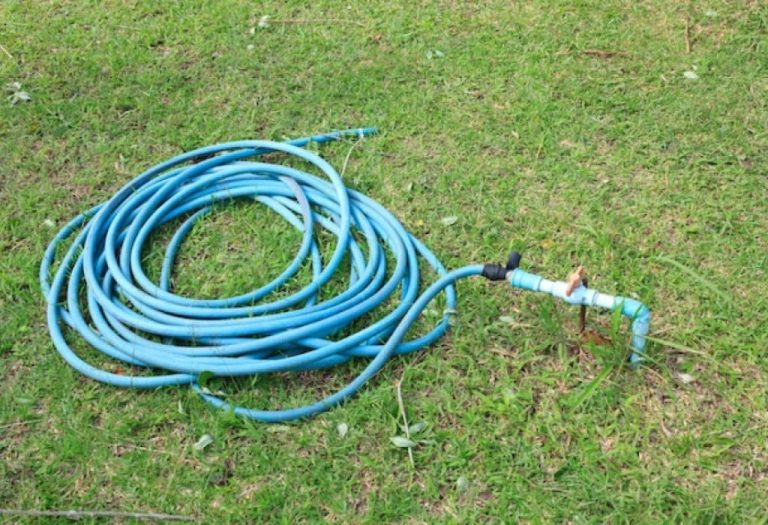
- Water Hose and Spray Nozzle. Sometimes you’ll need water to soften the soil before rolling or to help the grass recover after. A hose with an adjustable nozzle allows for precise watering.
- Measuring Tape. This will help you identify any low spots or uneven areas and help with the leveling process.
Make sure your roller is clean and in good working order before you start. Check for any leaks or damage. You should also ensure that the area around your lawn is clear of any obstacles, such as toys, hoses, or garden decorations.
Step-by-Step Guide to Rolling Your Lawn in Spring
Knowing the correct timing and having the right equipment are only the first steps. The actual rolling process has specific steps. This detailed walkthrough will guide you, making the task simple and effective. From preparing the lawn to the final pass, each step is designed for a successful outcome. Follow these directions to achieve a smooth and vibrant lawn.
Preparing Your Lawn for Rolling
Before you start rolling, you need to prepare your lawn. Preparing your lawn correctly will ensure a consistent result. This involves tasks such as mowing the grass, removing any obstructions, and making sure the soil is ready. Taking these preliminary steps is critical to get the lawn ready for rolling. With the right preparation, you can get a better result.
- Mow the Lawn. Mow the grass to a moderate height. This makes it easier for the roller to work. It also helps you assess the areas that need rolling.
- Clear the Area. Remove all objects from the lawn, including toys, furniture, hoses, and garden decorations. These can interfere with the rolling process or get damaged.
- Address Any Issues. Before rolling, fill in any holes or low spots with topsoil. This will create a level surface and help the grass grow evenly.
- Light Watering. If the soil is too dry, give your lawn a light watering a day or two before rolling. This will help prevent soil compaction.
Before beginning, it’s helpful to walk your lawn. That way, you can spot any areas that might require special attention, like uneven spots or obstructions. Also, review the weather forecast to make sure you have the best conditions for rolling.
Rolling Techniques and Best Practices
The rolling technique will influence the final result. Using the right technique is essential to get the even and smooth lawn you want. The right method helps you avoid issues like excessive compaction or uneven spots. This part discusses the best strategies for successful lawn rolling, covering speed, overlap, and direction.
- Direction of Rolling. Roll in straight lines. Overlap each pass by a few inches to ensure full coverage. This method will reduce the risk of missed spots and ensure a level surface.
- Speed Matters. Walk at a steady pace. Rolling too quickly can result in an uneven surface. Rolling too slowly can cause excessive compaction.
- Adjust the Weight. If you’re using a fillable roller, adjust the weight based on your soil type and conditions. A lighter weight is suitable for sandy soil. A heavier roller works well on compacted or uneven ground.
- Directional Changes. To avoid creating ruts, vary the direction of your rolling passes. Roll in one direction on the first pass. Then, roll perpendicularly on the second pass. This will ensure that all areas are compacted evenly.
The overlap technique is essential. You want the roller to overlap each pass by about 25 to 50 percent. This ensures there are no missed areas. You’ll achieve a uniform rolling by overlapping.
Post-Rolling Care and Maintenance
The work doesn’t end once you’ve finished rolling. Post-rolling care is critical for your lawn’s health. The goal is to aid recovery and boost growth. Watering, fertilizing, and monitoring are vital. This phase is about looking after your lawn. It also helps to maintain its beauty and promote long-term well-being.
- Watering. Water your lawn after rolling, especially if the soil is dry. This will help the grass recover from any minor stress. It also aids in settling the soil.
- Fertilizing. Consider fertilizing your lawn after rolling. This will provide nutrients for growth and help it recover.
- Monitoring. Keep an eye on your lawn in the days and weeks after rolling. Look for any signs of stress, such as yellowing grass. Check for new unevenness.
- Avoid Over-Rolling. Avoid rolling too often. Rolling should only be done once or twice a year, depending on your lawn’s needs. Rolling too frequently can be harmful.
Post-rolling care is essential to ensure that your lawn recovers quickly and grows strong. A properly maintained lawn is more resistant to weeds and diseases. A balanced approach to post-rolling care will give you the best chance to have a beautiful lawn.
Lawn Rolling: Addressing Common Problems
Even when following all the steps, you might encounter some common problems. Addressing these issues quickly will prevent more serious damage. This section provides tips to tackle any difficulties you might experience. Knowing how to handle these challenges will enable you to maintain a healthy and vibrant lawn.
Dealing with Soil Compaction
Soil compaction is a frequent issue when rolling your lawn. It happens when the soil particles are packed too tightly together. This makes it difficult for air, water, and nutrients to reach the grass roots. When the soil is compacted, it affects how the lawn thrives. Learning how to identify and address compaction helps maintain your lawn’s vitality.
- Signs of Compaction. Look for standing water after rain. Check for grass thinning or stunted growth. Test the soil for how easily you can insert a screwdriver. If it’s difficult, you probably have compaction.
- Prevention Techniques. Avoid rolling when the soil is wet. Use a lightweight roller. Vary the direction of your rolling passes.
- Aeration Solutions. If compaction is severe, aeration may be needed. Aeration involves creating small holes in the soil to allow air and nutrients to reach the roots.
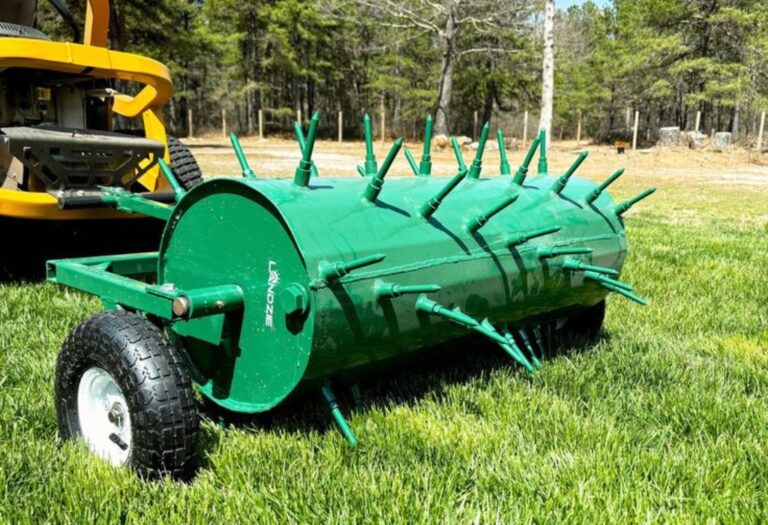
Aeration is a simple yet effective way to improve soil health. You can use a manual aerator, which is a tool with spikes, or a core aerator. A core aerator will remove small soil plugs. Aeration helps the grass roots get what they need to thrive, resulting in a healthier lawn.
Fixing Uneven Lawns After Rolling
Rolling can sometimes expose uneven areas that were not obvious before. These uneven spots can be unsightly, and they can make mowing tricky. Correcting these imperfections will improve the appearance of your lawn. This part covers simple methods to level the lawn, making it more visually appealing and simpler to maintain. The goal is a uniform, flawless surface.
- Identify Low Spots. Use a long level or straightedge to find the low areas. Mark the spots. A visual inspection will often suffice.
- Topsoil Application. Add topsoil to low spots to level the ground. Spread it evenly with a rake.
- Overseeding. After adding topsoil, consider overseeding the area. This helps the grass fill in and creates a uniform look.
- Rolling for Settling. After applying topsoil, roll the area again. This aids the new soil in settling and ensures a smooth surface.
When addressing unevenness, be careful not to add too much topsoil at once. Adding topsoil in multiple, thin layers is much better than applying a single, thick layer. This technique makes it easier for the grass to establish and grow in a healthy environment.
Managing Other Lawn Rolling Issues
Other problems may come up during the lawn rolling process. Identifying these can help you act quickly. This part provides solutions for common issues, such as rolling on sloped areas or handling overly wet conditions. With the proper adjustments, you can handle unexpected problems while keeping your lawn healthy.
- Rolling on Slopes. Roll up and down the slope. This helps prevent the roller from sliding sideways. Using a lighter roller is also good.
- Wet Conditions. Stop rolling if the soil is too wet. Wait until it dries out before continuing. Compaction could result if you keep rolling.
- Grass Damage. If you notice the grass blades are damaged during rolling, lighten the roller weight or stop rolling altogether. Allow the grass to recover before proceeding.
- Weed Management. Rolling can sometimes flatten weeds. If you have many weeds, consider treating them before rolling to get better results.
Rolling on slopes needs special attention. Rolling sideways on a steep slope can be dangerous. Choose a time when the soil is not overly wet, and take your time. If you have any concerns, it is best to consult with a lawn care professional.
| Problem | Solution |
|---|---|
| Soil Compaction | Aeration, avoiding rolling when wet |
| Uneven Surface | Adding topsoil and re-rolling |
| Sloping Issues | Rolling up and down the slope with a lighter roller |
Frequently Asked Questions
Question: When is the best time to roll a lawn?
Answer: The ideal time to roll your lawn is in the early spring, after the last frost, when the soil is slightly damp and the grass is actively growing.
Question: Can I roll my lawn in the summer?
Answer: It’s best to avoid rolling your lawn in the summer, as high temperatures can stress the grass and cause more harm than good.
Question: What type of roller should I use for my lawn?
Answer: For a small to medium-sized lawn, a walk-behind roller is a good choice. For large lawns, consider a tow-behind roller.
Question: How often should I roll my lawn?
Answer: Rolling should be done sparingly, usually once or twice a year, depending on the needs of your lawn and the soil conditions.
Question: What do I do after rolling my lawn?
Answer: Water your lawn, especially if it’s dry, and consider fertilizing it. Monitor for any signs of stress, such as yellowing grass.
Final Thoughts
Mastering the best time to roll lawn in spring leads to a healthier, more attractive yard. You’ve now learned the key steps, from assessing soil conditions to choosing the right tools. Remember the importance of proper preparation, the right techniques, and the aftercare necessary to boost your results. When you follow these steps, you can avoid common issues, and boost your lawn’s health. The process may seem complex at first, but with practice, it becomes easier. Get out there, give it a try, and enjoy your beautiful, level lawn!