Should I Roll Lawn Every Year: When and Why You Need To
Figuring out if you should i roll lawn every year is a common question, especially if you’re new to lawn care. It can seem a bit tricky to know when and how often to do it. Don’t worry, though! This guide will break it down simply, showing you what rolling a lawn does, the right times to do it, and if it’s even necessary. We’ll show you a clear, easy-to-follow plan, so you’ll feel confident about taking care of your grass. Let’s get started and learn the ropes!
What Lawn Rolling Does and Why People Do It
Lawn rolling involves using a heavy roller to flatten the surface of your lawn. This simple act can significantly impact how your grass grows and looks. Rolling the lawn isn’t always needed, but it can be really helpful under certain circumstances. It’s essentially a way to create a more even surface. This can lead to a healthier, more attractive lawn. It helps deal with bumps and imperfections.
Leveling Uneven Surfaces
One of the primary reasons to roll a lawn is to even out the surface. Over time, lawns can develop bumps and dips. This can be due to various causes. These can be settling soil, frost heaves, or even earthworm activity. These uneven patches can make mowing difficult, leading to scalping or uneven cuts. They also create tripping hazards. Rolling addresses these issues by gently pressing down on the high spots and filling in the low spots. This results in a smoother, more uniform surface.
- Eliminating Frost Heaves: Frost heaves are common in colder climates. The ground freezes and thaws, pushing the soil upwards, creating uneven patches. Rolling helps to flatten these areas.
- Compacting Loose Soil: After a renovation or if the soil is loose, rolling can help compact it. This improves seed-to-soil contact for new grass and reduces settling over time.
- Improving Mowing: A level lawn is much easier to mow evenly, which improves the overall appearance.
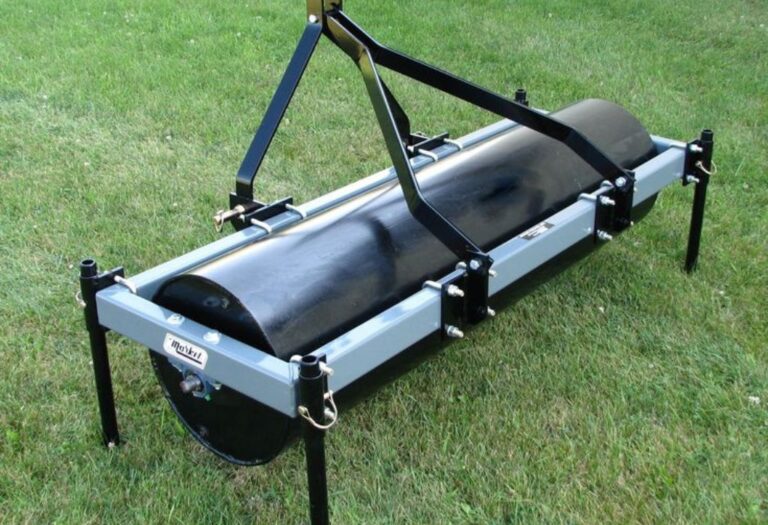
The type of roller matters. A lawn roller is typically a cylinder that can be filled with water or sand to adjust its weight. The weight of the roller determines how much pressure is applied to the lawn. It is important to avoid over-rolling. Over-rolling can lead to soil compaction, which is bad for grass growth. When you roll the lawn, you’re not just flattening the grass. You’re actually working with the soil underneath.
Preparing the Lawn for Overseeding
Overseeding is the process of spreading grass seed over an existing lawn to make it thicker and fill in bare spots. Before overseeding, rolling can be beneficial to ensure good seed-to-soil contact. This contact is crucial for seed germination and successful growth. A smooth, slightly compacted surface helps the seeds settle properly and receive adequate moisture from the soil. This practice often enhances the effectiveness of overseeding, leading to a lusher, more even lawn.
- Enhancing Seed Germination: Rolling presses the seeds into the soil, increasing the chances of germination.
- Improving Water Absorption: Better soil contact helps the seeds absorb water. This is essential for germination and early growth.
- Creating a Uniform Seedbed: Rolling ensures that the seeds are distributed evenly across the lawn, resulting in a more uniform appearance.
When preparing the lawn for overseeding, it’s best to use a lighter roller. This ensures you do not compact the soil. Proper seed-to-soil contact is a key factor in successful overseeding efforts. After overseeding, a light rolling is sometimes recommended to gently press the seeds into the soil.
Addressing Lawn Bumps and Imperfections
Bumps and imperfections in a lawn can be eyesores. They can also create mowing challenges. Rolling is a simple way to smooth out these areas. While rolling isn’t a permanent solution, it can provide a temporary improvement. It also makes your lawn safer to walk on. This approach can be particularly useful after a winter season. Frost heaves or other seasonal changes may cause unevenness. Using a lawn roller can make a big difference in the look and safety of your yard.
- Correcting Surface Irregularities: Rolling helps to level out minor bumps and dips, improving the lawn’s appearance.
- Facilitating Mowing: A smoother surface makes mowing more efficient and prevents scalping.
- Improving Aesthetics: A level lawn simply looks better and is more inviting.
The frequency of rolling depends on the condition of your lawn. Light rolling is often enough to address minor imperfections. Avoid heavy rolling, as it can compact the soil. Regularly inspecting your lawn for bumps and dips will help you decide when rolling is necessary.
When to Consider Rolling Your Lawn: Timing is Key

Knowing when to roll your lawn is just as important as knowing how to do it. The best time to roll is when the soil is moist but not saturated. This ensures that the roller can effectively level the surface without causing too much compaction. Rolling at the wrong time, such as during dry periods or after heavy rainfall, can be counterproductive. It can even damage your lawn. Timing is about choosing the right conditions for the best results. Let’s examine a few ideal times for rolling a lawn.
Spring Rolling: After Winter’s Effects
Spring is often a great time to roll your lawn. This is especially true if your area experiences harsh winters. Frost heaves can create significant unevenness. Rolling in early spring helps to smooth out these bumps. It prepares the lawn for the growing season. It also encourages healthy growth. Make sure the soil has thawed and is slightly moist before rolling. This will minimize the risk of soil compaction. Spring rolling is often a one-time process. It can make a big difference in how your lawn looks and grows.
- Addressing Frost Heaves: Rolling helps to flatten areas raised by winter frost.
- Preparing for Growth: Smoothing the surface prepares the lawn for active growth.
- Improving Appearance: Creates a more uniform and attractive lawn surface.
When rolling in spring, choose a day when the soil is workable but not waterlogged. Avoid rolling if the soil is extremely wet. This could lead to compaction. A light to moderate weight roller will do the trick. You want to flatten the bumps without squashing the soil.
Rolling After Overseeding: For Seed-to-Soil Contact
After you overseed your lawn, a light rolling can be beneficial. It helps to ensure that the grass seeds have good contact with the soil. This is essential for germination. Rolling gently presses the seeds into the soil. It promotes even distribution and increases the chance of successful growth. Use a light roller to avoid damaging the new seeds. After you apply the seeds, a gentle roll can significantly improve your results. This step is a small one, but it can make a big difference in how well your grass grows.
- Enhancing Germination: Improves seed-to-soil contact for better germination.
- Promoting Even Growth: Ensures that seeds are distributed evenly.
- Increasing Success Rate: Boosts the chances of a lush, thick lawn.
A light roller is recommended. Avoid over-rolling, as it can harm the seeds. Rolling after overseeding is often a one-time task. You do not need to do it repeatedly. Follow the manufacturer’s recommendations for your specific grass seed.
Avoiding Rolling During Dry or Wet Conditions
Rolling your lawn when it is either too dry or too wet can be harmful. In dry conditions, the soil is hard. Rolling will not be very effective. It can even damage the grass. In wet conditions, the soil is easily compacted. This can damage the roots. It also can reduce air circulation in the soil. The best time to roll is when the soil is slightly moist. This provides the right balance for leveling without causing harm. Waiting for the right conditions will make the rolling process more effective. It will also help keep your lawn healthy.
- Dry Conditions: Rolling can be ineffective and potentially damage the grass.
- Wet Conditions: Can lead to soil compaction and root damage.
- Ideal Conditions: Slightly moist soil for best results.
Before rolling, check the soil by digging a few inches. If it’s hard and dry, wait for rain. If it’s very wet and muddy, wait for it to dry out a bit. The goal is to strike the right balance. Proper timing prevents damage and maximizes the benefits of rolling.
The Right Way to Roll Your Lawn
Rolling your lawn might seem simple, but there’s a right way and a wrong way. Knowing the proper techniques can make a big difference in the results. It can also prevent damage to your lawn. The following steps will guide you through the process. It will help ensure that you do the job correctly and get the best possible outcome. Following this guidance will help you achieve a healthier, more attractive lawn.
Preparing Your Lawn for Rolling
Before you roll your lawn, there are a few important steps to take. These steps will make sure you get the best results. Start by mowing your lawn to a normal height. This helps you see any bumps or imperfections that need attention. Next, clear the lawn of any debris. Remove sticks, rocks, and any other objects that could get in the way. They could also damage your lawn during rolling. Consider watering the lawn if the soil is dry. You want the soil to be slightly moist but not waterlogged. These preparation steps are important. They will make the rolling process go smoother and make sure you don’t damage your lawn.
- Mow the Lawn: Mow to a standard height to clearly see the areas that need leveling.
- Remove Debris: Clear away sticks, rocks, and any objects that could interfere with the roller.
- Watering (If Needed): Lightly water the lawn if the soil is dry to ensure proper moisture.
Taking your time in this phase will help guarantee the best outcome. It minimizes the possibility of damaging your lawn. Properly preparing the lawn is the groundwork for a successful rolling session.
Using the Right Roller and Technique
Choosing the right roller and using the correct technique are key to success. A lawn roller is a cylinder that you can fill with water or sand to adjust its weight. For most lawns, a roller weighing between 100 to 200 pounds is sufficient. Avoid using a roller that is too heavy, which can compact the soil. When rolling, move the roller in straight, overlapping passes. Start at one end of your lawn and work your way across. Make sure to overlap each pass by a few inches. This will make sure you cover the entire area evenly. Rolling in a single direction is typically fine. However, for heavily uneven lawns, you might want to roll in two directions. This can help level the surface more effectively. The aim is to create a smooth, even surface. Avoid making any sharp turns or sudden stops. This will help to prevent damage to your lawn.
- Choose the Right Weight: A roller of 100-200 pounds is usually adequate; adjust based on soil type and condition.
- Use Straight, Overlapping Passes: Overlap each pass by a few inches to ensure complete coverage.
- Roll in One Direction: For evenness, roll in straight lines across the lawn.
Using the proper technique will make the process easier. It will also ensure the best results. A well-rolled lawn looks and feels better. It also makes mowing and other lawn care tasks easier.
Post-Rolling Care and Considerations
After rolling your lawn, there are a few things you should do to care for your grass. The first is to water the lawn lightly. This helps the grass recover from any minor stress caused by rolling. Monitor your lawn for any signs of damage or stress, like yellowing or thinning. If you see these signs, adjust your watering schedule or consult a lawn care professional. Avoid any heavy activity on your lawn for a few days after rolling. This allows the grass and soil to settle. Keep an eye on the weather. If heavy rain is expected, it’s best to delay rolling. This will avoid soil compaction. If you follow these post-rolling care tips, you can help your lawn stay healthy and beautiful.
- Light Watering: Water the lawn to help it recover.
- Monitor for Stress: Watch for signs of damage or stress and adjust care as needed.
- Avoid Heavy Activity: Give the lawn time to settle after rolling.
These post-rolling steps will make a big difference in your lawn’s health. It will help maintain that smooth, even surface you worked hard to achieve. Careful post-rolling care will keep your lawn looking great.
Should I Roll Lawn Every Year: When It Might Not Be Right
While rolling a lawn can be helpful, it is not always the best choice. Understanding when to skip rolling is just as important as knowing when to do it. There are several situations where rolling can do more harm than good. In these cases, it’s best to use different strategies. This section will help you understand situations where rolling should be avoided. We will explore alternatives that can better suit your lawn’s needs. Making the correct decisions in these cases will help maintain a healthy, thriving lawn.
Avoiding Rolling on Compacted Soil
If your soil is already compacted, rolling can make things worse. Compacted soil has poor drainage and limits the movement of air, water, and nutrients to the roots. Rolling further compresses the soil. This worsens the conditions for grass growth. Before rolling, check the soil by inserting a screwdriver or soil probe. If it’s hard to push in, your soil is likely compacted. In this case, it’s best to aerate the lawn. Aeration involves creating small holes in the soil. This helps improve drainage and root growth. By avoiding rolling on compacted soil, you protect your lawn. You promote better health and vitality.
- Signs of Compacted Soil: Poor drainage, standing water, and difficulty pushing a probe into the ground.
- The Harm of Rolling: Further compacts soil, hindering root growth and overall health.
- Alternative: Aerate the lawn to improve drainage and air circulation.
Soil testing is essential. It will help you find out the condition of your lawn. Proper decisions will keep your lawn healthy and full.
Not Rolling During Periods of Drought or Heat
Rolling during hot, dry weather can be especially harmful to your lawn. Grass is already stressed during these conditions. Rolling can make things worse. The pressure from the roller can damage the grass blades and roots. It also reduces the soil’s ability to absorb water. It will make the situation even more difficult. During these times, focus on providing your lawn with adequate water. Avoid any extra stress. Rolling should be postponed until the weather is more favorable. This will allow the grass to recover and thrive. By avoiding these risks, you’re helping your lawn stay healthy through rough weather.
- Grass Sensitivity: During drought, grass is more vulnerable.
- Risks of Rolling: Can damage already stressed grass and limit water absorption.
- Alternatives: Water deeply and avoid any extra stress.
Be kind to your lawn when the weather is tough. Give it the best chance to survive by avoiding unnecessary stress. Waiting for the right weather conditions will lead to a healthier lawn.
Understanding Grass Types and Rolling Needs
Different types of grass have different needs. Some grasses are more tolerant of rolling than others. Knowing your grass type can help you decide if rolling is appropriate. For example, some cool-season grasses, like Kentucky bluegrass, may benefit more from rolling. Others are more resilient to the effects of rolling. Warm-season grasses, such as Bermuda or Zoysia, may need rolling less often. You should also consider the condition of your lawn. For example, if you have a new lawn, it may not need rolling. Researching your grass type will provide the best course of action. This ensures you care for your lawn appropriately. You should tailor your lawn care practices. Make them fit the specific needs of your grass.
- Grass-Specific Considerations: Different grass types have varying tolerances to rolling.
- Cool-Season vs. Warm-Season: Understand the specific needs of your grass type.
- New Lawns: Often don’t need rolling unless for leveling.
Knowing your grass type is the start. From there, you can choose the best lawn care actions. These actions will help you maintain a beautiful, healthy lawn.
Alternatives to Lawn Rolling
While lawn rolling can be effective in some situations, it’s not always the best solution for lawn issues. In many cases, other methods can produce better results. These methods may be less likely to cause harm to the grass or the soil. Exploring these different options can enhance your lawn care routine. These alternatives can help maintain a healthy, vibrant lawn. They can also prevent potential problems.
Aeration: Addressing Compaction
Aeration is a fantastic alternative to lawn rolling, especially if soil compaction is a problem. Aeration involves creating small holes in the soil. This helps improve drainage, reduces compaction, and allows air, water, and nutrients to reach the grass roots. There are two main types of aeration. Core aeration removes small plugs of soil, creating more space in the ground. Spike aeration simply pokes holes in the soil. Core aeration is generally more effective, especially for severely compacted lawns. Aeration can be done in the spring or fall. It’s best to aerate when the soil is slightly moist. This makes it easier to penetrate the ground. Following up with overseeding and fertilization can further improve the health of your lawn. Aeration offers a valuable approach to improving your lawn. It can help resolve many issues more effectively than rolling.
- Benefits of Aeration: Improves drainage, reduces compaction, and enhances root growth.
- Types of Aeration: Core aeration (removing plugs) and spike aeration (poking holes).
- Timing: Best done in spring or fall when the soil is slightly moist.
If you’re dealing with compacted soil, aeration is usually a better choice than rolling. It directly addresses the issue of soil compression. It makes your lawn better overall.
Topdressing: For Uneven Surfaces
Topdressing involves spreading a thin layer of soil, compost, or a mixture of both over your lawn. It’s an effective way to level out minor surface irregularities. This method is particularly helpful in filling in low spots. It also improves soil quality. The topdressing material will break down. This will also improve the soil’s structure. It will also help the grass grow healthier. To topdress, spread the material evenly over the lawn, using a rake or leveling tool. You can use a back of a rake to smooth the surface. It will help to blend the topdressing. For best results, it’s best to topdress in the spring or fall. This allows the grass to recover from any disruption. Topdressing is a simple process. It will greatly improve the look and health of your lawn. This method enhances the overall quality of the soil and grass.
- Benefits of Topdressing: Levels uneven surfaces and improves soil quality.
- Application: Spread a thin layer of soil, compost, or a mixture over the lawn.
- Timing: Best applied in spring or fall.
Topdressing is a wonderful option. It can make your lawn look better. It also helps to improve its overall health. If you are dealing with unevenness, this method is useful.
Regular Mowing and Proper Fertilization
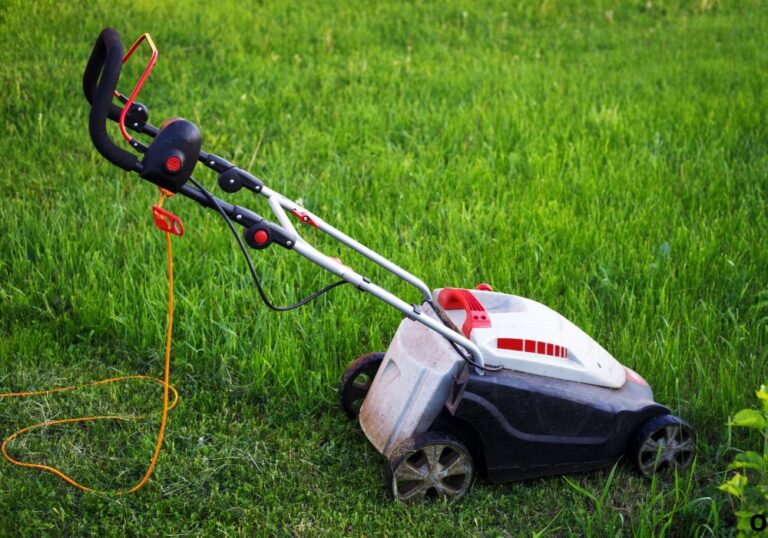
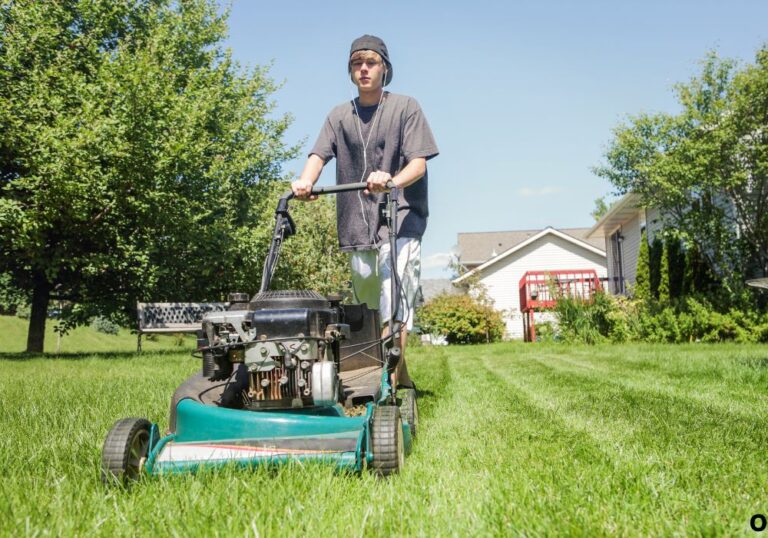
Consistent mowing and appropriate fertilization are basic but critical steps in maintaining a healthy lawn. Regular mowing at the correct height helps to promote healthy grass growth. It also prevents the grass from becoming overgrown. Proper mowing also helps to reduce the appearance of minor imperfections. Fertilization provides your grass with the nutrients it needs to grow strong and vibrant. Use a fertilizer appropriate for your grass type. Follow the manufacturer’s instructions for application. Regular mowing and fertilization, combined with other lawn care practices, will enhance your lawn’s health. These practices can reduce the need for more complex treatments. They create an attractive, thriving lawn, while helping the grass stay strong and resistant to stress.
- Regular Mowing: Promotes healthy growth and prevents overgrowth.
- Proper Fertilization: Provides essential nutrients for strong, vibrant grass.
- Routine Care: Combined efforts lead to a healthier lawn.
Mowing and fertilizing are like the foundation of lawn care. They create a solid base. They will keep your lawn looking great.
Frequently Asked Questions
Question: When is the best time to roll my lawn?
Answer: The best time to roll your lawn is in the spring after the ground has thawed, or after overseeding, when the soil is slightly moist but not saturated.
Question: How much does a lawn roller weigh?
Answer: The weight of a lawn roller typically ranges from 100 to 200 pounds, but it should be adjusted based on the soil type and the lawn’s condition.
Question: Can I roll my lawn during a drought?
Answer: No, avoid rolling your lawn during a drought, as the grass is already stressed and rolling can cause further damage.
Question: How often should I roll my lawn?
Answer: You usually only need to roll your lawn once a year, or when necessary to address uneven surfaces or prepare for overseeding.
Question: What’s the difference between aeration and rolling?
Answer: Aeration creates small holes in the soil to improve drainage and reduce compaction, while rolling flattens the lawn surface.
Final Thoughts
Knowing whether should i roll lawn every year is about making smart choices for your lawn’s well-being. Rolling can be a helpful tool. It addresses uneven spots and helps in some situations. But, it is not always needed. The timing is key. Rolling is generally best in the spring or after you overseed. Remember, you should always avoid rolling in dry or very wet conditions. Alternatives like aeration and topdressing can be useful. Consider these practices if compaction is a concern or you need to level out an uneven surface. By understanding your grass type and soil conditions, you can make the right decisions for your lawn. Keep in mind that consistent mowing and feeding your lawn are also vital. Follow these tips to give your grass the best care. You’ll be on your way to a healthier and more inviting lawn. Enjoy the process and watch your lawn thrive!