Why Lawn Still Uneven After Rolling? Solving the Problem
It’s super frustrating when you put in the effort to roll your lawn, only to find it’s still bumpy. If you’re wondering why lawn still uneven after rolling, you’re not alone! Many people experience this, especially if they are just getting started with lawn care. The good news is that we’ll explore common reasons for unevenness and provide you with straightforward solutions to achieve a smooth, beautiful lawn. Let’s get right into the details to smooth your lawn today!
Reasons Your Lawn Remains Uneven After Rolling
Rolling your lawn is a common practice for flattening minor bumps and ensuring good contact between the soil and grass seeds. However, it doesn’t always deliver the desired results. Several factors can contribute to the persistent unevenness of your lawn, even after you’ve rolled it. These factors range from the underlying soil conditions to the type of grass you have and the equipment you use. Recognizing these issues is key to identifying the right solutions.
Soil Compaction and Drainage
Soil compaction refers to the process where soil particles become pressed together, reducing the air spaces within the soil. This can happen due to foot traffic, heavy machinery, or simply the weight of the soil itself. Compacted soil hinders water drainage and the growth of grass roots, leading to uneven surfaces. Poor drainage exacerbates the problem, as waterlogged areas can cause the soil to shift and erode. Addressing soil compaction and drainage issues is often the first step in achieving a level lawn.
- Heavy Clay Soil: Clay soil is particularly prone to compaction because its tiny particles pack tightly together. Rolling a lawn with clay soil can initially appear to flatten the surface, but it often worsens compaction, preventing proper water and air movement.
- Poor Drainage: Lawns with poor drainage retain water, which can soften the soil and cause it to settle unevenly. Waterlogged areas become prone to sinking and forming depressions.
- Compacted Subsoil: The subsoil beneath the topsoil can also be compacted, creating a hard layer that restricts root growth. Rolling alone cannot address compaction in the subsoil, so additional measures, such as aeration, are required.
- Overwatering: Excessive watering can lead to waterlogging, contributing to soil compaction and unevenness. Proper watering practices are crucial for maintaining a healthy lawn.
Addressing soil compaction involves techniques like aeration, which creates small holes to allow air, water, and nutrients to penetrate the soil. Improve drainage with methods like installing drainage systems or using soil amendments. For clay soils, adding organic matter, such as compost or peat moss, can improve structure and drainage. These methods provide a long-term solution to unevenness.
Grass Type and Growth Habits
The type of grass you have also plays a part in why your lawn might still be uneven. Different grasses have various growth habits and root systems, which can influence how well they respond to rolling. Some grass types are more prone to forming thatch or developing uneven growth patterns, contributing to the problem.
- Bunching Grasses: Certain grass types, like some fescues, grow in clumps or bunches, naturally creating an uneven surface. Rolling these grasses may offer only temporary improvements since the fundamental growth pattern remains.
- Thatch Buildup: Thatch is a layer of dead and decaying organic matter that accumulates between the soil surface and the grass blades. Excessive thatch can cause unevenness, as it creates an uneven surface.
- Aggressive Spreaders: Grasses that spread rapidly, such as some types of Bermuda or Zoysia, can sometimes fill in low spots, but this process may be slow and not entirely level the lawn quickly.
- Root Depth: The root depth of a grass species can affect how well it holds up the soil. Deep-rooted grasses can help stabilize the soil better, reducing the chance of unevenness.
To deal with these issues, select grass types appropriate for your climate and soil conditions. Consider that regular dethatching can remove the buildup and improve lawn surface. Proper lawn care practices, including mowing and fertilization, will encourage healthy grass growth. Overseeding with a different grass can also help improve density and evenness.
Rolling Techniques and Equipment
How you roll your lawn and the equipment you use significantly affect the outcome. Using an inappropriate roller or rolling the lawn incorrectly can make unevenness worse. The weight of the roller, the direction of rolling, and the frequency of use are all factors to consider.
- Roller Weight: Using a roller that is too heavy can compact the soil, making the problem worse. The ideal roller weight depends on the soil type and the extent of the unevenness.
- Rolling Direction: Rolling in only one direction can push the soil in that same direction, creating ruts or further unevenness. It’s often better to roll in multiple directions.
- Frequency of Rolling: Rolling the lawn too often can cause damage, and it doesn’t solve the underlying problem. Rolling should only be done when necessary and in conjunction with other lawn care practices.
- Roller Condition: A damaged or poorly maintained roller can cause more harm than good. Ensure the roller is in good condition, with a smooth surface and no sharp edges.
Proper rolling involves using a roller of the appropriate weight for your lawn type and soil conditions. It’s often helpful to roll in different directions. Assess your lawn for any significant problems before rolling. By following these steps and considering the details above, you’ll be well on your way to a smoother lawn!
Deeper Dive: Addressing the Root Causes

To fix the issue of a lawn still being uneven after rolling, it’s essential to look at the underlying causes. This involves diagnosing and dealing with the specific problems causing the bumps and dips. Doing this is more effective than rolling repeatedly, which only gives short-term improvements. Knowing these techniques will assist you in long-term results.
Aeration: The Key to Healthy Soil
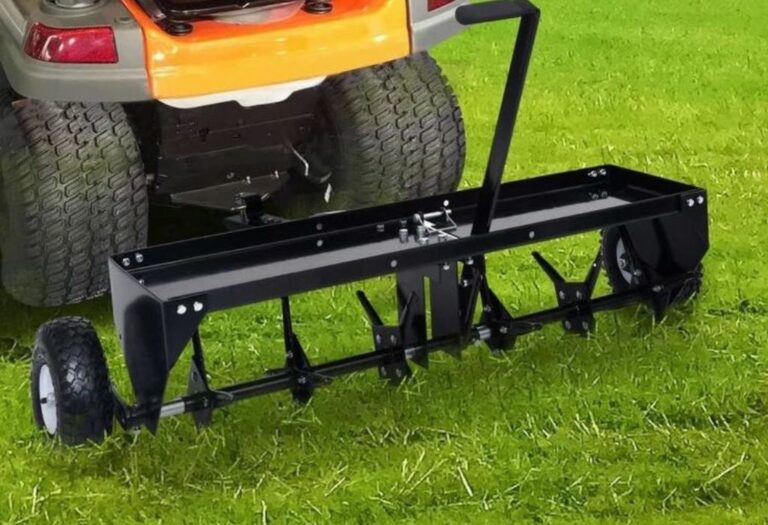
Aeration is a process that involves creating small holes in the soil to improve air circulation, water infiltration, and nutrient absorption. This is a very beneficial process for compacted soil. Aeration can be done using a core aerator, which removes small plugs of soil, or a spike aerator, which simply pokes holes in the ground. Core aeration is generally considered more effective, especially for heavily compacted soil.
- Core Aeration: This method removes small cores or plugs of soil. This helps relieve compaction and allows air, water, and nutrients to penetrate the soil more efficiently.
- Spike Aeration: Spike aeration uses solid tines to create holes in the soil. It is less effective than core aeration, but it can provide some benefits, especially on lightly compacted lawns.
- Timing of Aeration: The best time to aerate is during the growing season, when the grass is actively growing and can quickly recover.
- Frequency of Aeration: How often you should aerate will depend on your lawn’s condition and soil type. Heavily compacted lawns may need aeration once or twice a year.
Aeration helps to break up compacted soil, allowing the roots to grow more deeply and the grass to become healthier. After aerating, you can also consider overseeding your lawn to fill in any thin or bare spots. This is a highly recommended procedure for maintaining a healthy and even lawn.
Soil Amendments and Topdressing
Soil amendments are materials added to the soil to improve its structure, drainage, and fertility. Topdressing is the process of spreading a thin layer of soil amendment over the lawn’s surface. These practices work together to level uneven areas and promote healthy grass growth.
- Compost: Compost is a rich source of organic matter that can improve soil structure, water retention, and drainage. It also provides essential nutrients for grass growth.
- Peat Moss: Peat moss is an organic material that helps improve soil structure and water retention. It is often used to amend sandy soils.
- Sand: Sand can be added to clay soils to improve drainage and reduce compaction.
- Topdressing: Spreading a thin layer of compost, topsoil, or a sand-compost mixture over the lawn surface helps level minor unevenness and improve soil quality.
Adding soil amendments helps to improve the overall health of your lawn and correct the soil composition. These amendments break up the compaction and improve drainage, essential factors in eliminating the bumps and dips that can cause unevenness. Using topdressing also helps fill in low spots and levels the surface. When used in combination with aeration, these methods can provide the best solution.
Grading and Reseeding
For significant unevenness, grading and reseeding might be necessary. Grading involves reshaping the lawn’s surface to create a level plane. This is often done using heavy machinery, such as a tractor or skid-steer loader. After grading, you’ll need to reseed the lawn to establish new grass.
- Minor Grading: For minor unevenness, you may be able to level the lawn by hand using a rake and shovel. This is useful for small areas with moderate bumps and hollows.
- Major Grading: For substantial unevenness, you’ll likely need to hire a professional landscaper to grade the lawn. This often involves the use of heavy machinery.
- Reseeding: After grading, you’ll need to reseed the lawn to establish new grass. Choose a grass type that is appropriate for your climate and soil conditions.
- Seeding Techniques: You can spread seeds by hand, with a broadcast spreader, or with a drop spreader. Make sure to water the newly seeded area well.
Grading ensures the lawn has a level surface, and reseeding establishes a new, healthy stand of grass. This method requires more effort and resources, but it’s often the best solution for lawns with significant unevenness. Proper grading will address the root cause of the problem, leading to a smooth and attractive lawn.
Lawn Rolling: When and How to Roll
While rolling is not always the best solution, there are certain times when it can be beneficial. Rolling can help flatten minor bumps and improve seed-to-soil contact after seeding. Knowing when and how to roll can help ensure you get the best results from this process.
Best Time to Roll
The timing of your lawn rolling can significantly impact its effectiveness. It’s usually best to roll the lawn when the soil is slightly moist. This avoids compaction and helps the roller work more effectively. Avoid rolling during very wet or dry periods, as this can cause damage or make the problems worse.
- After Seeding: Rolling after seeding helps press the seeds into the soil, improving seed-to-soil contact and enhancing germination rates.
- Early Spring: Rolling in early spring can help flatten the lawn after the winter months, when frost heaves can cause the soil to shift.
- When the Soil is Moist: Roll when the soil is slightly moist but not waterlogged. This prevents soil compaction and allows the roller to work more effectively.
- Avoid Dry Conditions: Do not roll when the soil is very dry. The roller will not be able to effectively address any issues, and this could even worsen them.
Rolling at the right time is important for effectiveness. After seeding, the goal is to make sure the seeds make good contact with the soil. In spring, rolling can help after the winter weather. Proper timing ensures the process is beneficial without causing damage.
Rolling Equipment and Technique
Choosing the right equipment and using the correct rolling technique is essential for effective lawn rolling. The weight of the roller, the rolling direction, and the speed at which you roll will all affect the results. Using the right techniques can help you avoid making the problem worse.
- Roller Weight: Choose a roller that is appropriate for your lawn type and soil conditions. Avoid using a roller that is too heavy, as this can compact the soil.
- Rolling Direction: Roll in multiple directions to avoid creating ruts or further unevenness. It’s best to go in one direction, then change.
- Rolling Speed: Roll at a slow, steady pace to ensure even compression. Rolling too quickly can result in an uneven finish.
- Avoid Turns: When turning the roller, lift it to avoid damaging the grass. This prevents the roller from tearing up your grass.
Use the correct roller for your soil and grass type. Rolling in different directions will prevent the formation of ruts. Maintain a slow speed to ensure smooth compression. Following these methods ensures proper technique and will help you get the best outcomes.
Comparing Methods for a Level Lawn
Several methods can address uneven lawns, each with its advantages and disadvantages. This section compares these techniques to help you choose the best approach for your specific situation. The choice depends on the severity of the unevenness, soil type, and your goals for your lawn.
| Method | Description | Advantages | Disadvantages | Best For |
|---|---|---|---|---|
| Rolling | Using a lawn roller to flatten minor bumps. | Quick and easy to perform; can improve seed-to-soil contact. | Often provides only temporary relief; can worsen compaction; not effective for significant unevenness. | Minor surface irregularities; after seeding. |
| Aeration | Creating small holes in the soil to improve air circulation and water infiltration. | Improves soil health; reduces compaction; encourages deeper root growth. | Requires specialized equipment; may need to be repeated. | Compacted soil; lawns with poor drainage. |
| Soil Amendments | Adding compost, peat moss, or sand to improve soil structure and drainage. | Improves soil fertility and texture; can help level minor depressions. | May require significant effort, especially for large areas. | Lawns with poor soil quality; minor unevenness. |
| Topdressing | Spreading a thin layer of compost, topsoil, or a sand-compost mixture over the lawn surface. | Levels minor unevenness; improves soil quality; promotes healthy grass growth. | Can be time-consuming; may require several applications. | Minor surface irregularities; improving soil health. |
| Grading and Reseeding | Reshaping the lawn’s surface to create a level plane and reseeding. | Provides the most significant improvement in leveling the lawn. | Most time-consuming and labor-intensive; may require professional help. | Lawns with significant unevenness. |
This comparison allows you to see the strengths and weaknesses of each technique. Choosing the right method depends on your lawn’s needs. For minor bumps, rolling or topdressing may suffice. For more serious unevenness, aeration, amendments, and grading with reseeding are more effective choices.
Frequently Asked Questions
Question: Why does my lawn look bumpy after I roll it?
Answer: If your lawn still looks bumpy after rolling, the underlying cause is likely something other than just minor surface issues, such as soil compaction, poor drainage, or thatch buildup. Rolling alone doesn’t fix these problems, and in some cases, can make them worse.
Question: Is it okay to roll my lawn every year?
Answer: It’s usually not a good idea to roll your lawn every year unless there’s a specific need, such as after seeding or dealing with minor bumps. Regular rolling can harm the soil and compact it. This can prevent it from getting proper oxygen and water.
Question: Can I use a regular lawn roller on any type of grass?
Answer: The use of a lawn roller depends on the grass type and the condition of the lawn. Some grasses, like those that grow in clumps, might not respond well to rolling. Always consider the grass type and the specific needs of your lawn.
Question: How much weight should my lawn roller have?
Answer: The ideal roller weight depends on the soil type. Lighter soil needs a lighter roller, and heavier soil can handle a heavier roller. If you’re not sure, it’s safer to err on the side of caution and use a lighter roller.
Question: Does rolling my lawn help with thatch?
Answer: Rolling generally doesn’t help with thatch. In fact, it might make the thatch problem more obvious. Regular dethatching is the process for addressing thatch. Dethatching will remove the buildup of dead grass and promote a healthier lawn.
Final Thoughts
Understanding why lawn still uneven after rolling is crucial to achieving a smooth, healthy lawn. While rolling might seem like a quick fix, it’s often not enough to address the underlying issues. Remember that soil compaction, poor drainage, and thatch buildup are common culprits that can negate the effectiveness of rolling. Aeration, soil amendments, and, in severe cases, grading and reseeding, offer more lasting solutions. Remember the importance of choosing the right techniques and equipment based on your lawn’s specific needs.
Don’t be discouraged if you don’t see immediate results. Lawn care is often a process that requires patience and consistency. By implementing the strategies discussed here, you’ll be well on your way to a beautiful, level lawn. Keep at it, and you’ll soon be enjoying a smooth and attractive green space!