Preventing Plant Damage When Trimming: A Simple Guide
If you’re like most people, you want a neat and tidy yard, but sometimes the trimmer gets a little too close to your plants! It’s a common problem – we’ve all been there. It can be tricky, especially if you’re new to yard work. Don’t worry, though; it’s totally fixable. This guide will show you exactly how to avoid damaging plants with trimmer so you can keep your yard looking great. Next, we’ll start with preparing your yard.
Prepare Your Yard Before Trimming
Before you even think about starting your trimmer, you need to get your yard ready. This is where you set the stage for success and prevent accidental damage. This preliminary phase doesn’t just involve moving obstacles; it’s about setting up safety zones and making smart decisions about how you approach the task. Proper preparation helps you move quicker and smarter.
Clear the Area and Identify Plants
The first step is a good look around. Remove any rocks, toys, hoses, or anything else that could get in the way. It’s like clearing a stage before a performance. Next, you need to know what you’re working with. Take a good look at your plants. Which ones do you want to keep? Which ones need trimming? Make a mental map. Knowing what’s there and where it is will save you from trimming something you didn’t mean to. You’ll avoid a lot of frustration and regret.
- Remove Obstacles: Walk the entire area. Pick up anything on the ground.
- Identify Plants: Know which plants you want to protect or trim.
- Survey the Ground: Look for low branches or hidden roots that the trimmer could hit.
- Check the Trimmer: Ensure it’s in good working order before you start.
Before you begin, consider a simple system to help you keep track of your plants and their needs. You could even use small flags or markers to highlight plants that need extra protection. The extra time and effort spent in the initial setup will save a headache or two later on. It’s a bit like making sure the tools are organized before beginning a project. A little preparation goes a long way.
Protect Plants with Barriers
Now comes the protection plan. Some plants are tougher than others, but it’s always better to be safe than sorry. Consider setting up barriers to shield your plants from the trimmer. There are different ways to do this, ranging from using store-bought guards to creating simple DIY solutions. These shields keep the trimmer away from the delicate parts of your plants, like the stems and leaves. Barriers are your plants’ best friend.
- Commercial Guards: Buy plastic or metal plant guards. They’re quick and easy.
- DIY Shields: Use cardboard or wood scraps. Cut holes for the plants.
- Mulch Barriers: Create a buffer zone with mulch around plant bases.
- Strategic Placement: Place barriers near the plants that are closest to your lawn edges.
Think of these barriers as a sort of fence. They protect the plants from getting too close to the trimmer’s edge. This is extra important for young plants or plants with delicate bark. A sturdy barrier will take the brunt of any stray trimmer contact. It’s a simple, effective method to keep your plants safe and happy. The right barriers will keep your trimming projects running smoothly, and your plants looking great.
Selecting the Right Trimmer and Techniques

Knowing your tools and how to use them is essential. Not all trimmers are alike. Understanding the features and selecting the right one for the job can make a big difference in how well you manage your yard. Also, knowing the right techniques helps you trim with precision and reduces the risk of making mistakes. It’s like having the right set of tools in a toolbox.
Choosing the Proper Trimmer Type
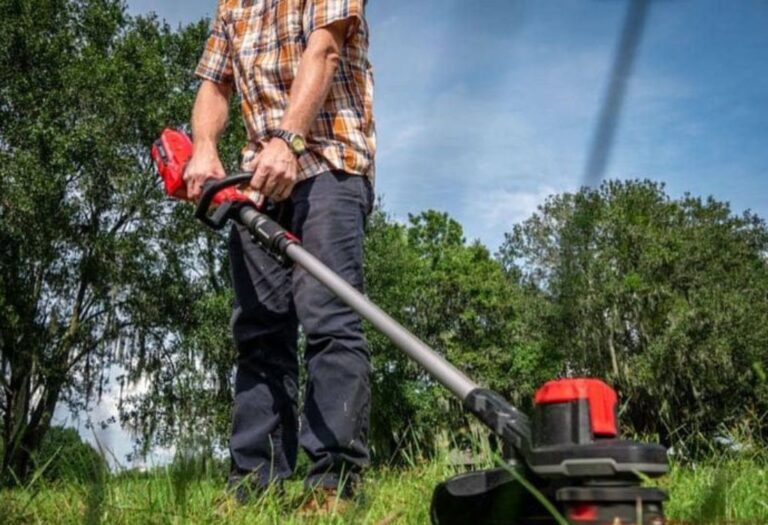
There are different types of trimmers. Each one is made for different jobs. Knowing the differences helps you pick the right tool for the job and make the job easier. For most yards, a string trimmer is the go-to choice. But, there are also edgers, which are good for creating clean lines. Choosing the right trimmer means you’ll be able to work more effectively and avoid problems. Consider what you are trying to trim before you make a decision.
- String Trimmer: Great for grass and weeds around trees and fences.
- Edger: Good for clean lines along sidewalks and driveways.
- Electric Trimmer: Good for smaller yards. They are quiet and lighter.
- Gas-Powered Trimmer: More powerful, suitable for larger areas.
Think of it this way: a string trimmer is like a brush for your yard. It’s flexible and can reach tricky spots. An edger is like a sharp knife, making straight, clean lines. Depending on the size of your yard, you can choose what works best. For people new to yard work, an electric trimmer is a good place to start. Electric trimmers are easier to maneuver and typically require less maintenance. Choosing the proper trimmer can save you time and energy, and you’ll get a better look.
Trimming Techniques to Avoid Plant Damage
Technique matters as much as your tools. How you move the trimmer can determine if you damage your plants. Keeping the trimmer at the right angle and speed will make your job safer. Also, make sure to keep a safe distance from your plants. Remember to trim around plants instead of directly towards them. It’s all about precision. These trimming tips are a game-changer.
- Maintain Distance: Keep the trimmer a safe distance from plants.
- Angle of Attack: Trim at an angle to avoid hitting the plant directly.
- Trim in Stages: Don’t try to take off too much at once.
- Control Speed: Trim at a steady, controlled pace.
Think about trimming as an art. You’re trying to achieve a neat look, not destroy your plants. It’s all about making small, careful movements. Keeping a constant distance and angle will help avoid unwanted contact. Start from the outside and work your way in. This way, you can see how the trimmer is behaving. Taking your time here will help make your yard look good. You will be able to do this with practice.
Using the Trimmer Safely Near Plants
Safety is a big deal when working with any tool. Proper safety helps keep you and your plants safe. You need to know the rules to work safely. Accidents can happen, but you can limit your risks. This step is about staying alert and paying attention while you’re working. It’s about safety first and making smart decisions to prevent issues.
Wear Protective Gear and Follow Safety Protocols
Protecting yourself is the most important thing. Before you start, wear the right gear. Safety glasses and gloves are a must. They protect your eyes and hands. Also, wear long pants and closed-toe shoes. These will help protect your body from flying debris. Following the safety protocols is just as important as the gear you choose.
- Wear Eye Protection: Always wear safety glasses or a face shield.
- Use Gloves: Protect your hands with sturdy gloves.
- Wear Long Pants and Closed-Toe Shoes: Protect your legs and feet.
- Check the Area: Make sure no one else is nearby.
Think of your safety gear as your armor. It protects you from things that could cause injury. Safety is not only important for you but also for anyone around you. Always make sure you understand how to use the trimmer properly. Read the manual. Before you start trimming, take a moment to look around. Make sure no people or pets are in the work area. With the right gear and focus, you can make your yard look better without putting yourself or others in danger.
Trimming Around Specific Plants and Features
Different plants need different handling. Some plants are more delicate than others. Knowing how to trim around them safely is key. Also, some yard features require extra attention. By tailoring your approach to the type of plant, you can ensure a neat yard and avoid damage. This will keep your yard looking its best. The goal is a perfect yard.
- Trimming Around Trees: Be careful of the bark. Use a guard.
- Trimming Near Flower Beds: Use barriers to protect flowers.
- Dealing with Shrubs: Trim from the outside in.
- Working Around Garden Borders: Maintain precise lines.
Think of each plant as unique. Some trees have delicate bark, so you need to be very careful. Flowers often require specific care. For example, when working near a flower bed, set up a shield. It will act as a buffer. For shrubs, trim the outer edges first. Then work towards the inside. Doing this helps maintain the shape. With careful planning, you can make your yard look amazing.
Common Mistakes and How to Avoid Them
Even the most experienced people make mistakes. Recognizing these mistakes is the first step toward avoiding them. Learning from these common errors allows you to refine your approach. If you avoid mistakes, the results will speak for themselves. This section helps you spot problems before they happen. Then, you can use the right solutions.
Identifying and Avoiding Common Trimming Errors
It’s easy to make mistakes when using a trimmer. These errors often lead to plant damage. Taking shortcuts or rushing is a common cause. Being aware of these pitfalls allows you to change your habits. It’s like learning from the mistakes of others. By knowing what to avoid, you can ensure your yard work goes smoothly. You can avoid many problems.
- Rushing the Job: Take your time.
- Incorrect Angle: Trim at the correct angle.
- Ignoring Barriers: Always use barriers for protection.
- Over-Trimming: Avoid taking off too much at once.
Think of these as the main things to avoid. Rushing causes many errors. Keeping a steady pace helps to avoid problems. Maintaining the correct angle helps avoid contact with plants. Using barriers and not trimming too much will ensure you don’t hurt your plants. Avoiding these issues will keep you safe and keep your yard looking good.
Troubleshooting Damage and Providing Care
Even if you take precautions, sometimes accidents happen. If a plant gets damaged, don’t panic. There are steps you can take to help. Knowing what to do in these situations can make a big difference. Quick care will help your plants recover. It can also help you learn from the situation and become a better gardener. It’s like learning from a mistake.
- Assess the Damage: See how bad the damage is.
- Prune Damaged Areas: Cut off damaged parts to help the plant.
- Water and Fertilize: Give the plant extra care.
- Monitor Recovery: Watch the plant to see how it recovers.
Consider these steps as a plan to help your plants get better. Assess the damage. Remove any broken parts. Watering and fertilizing helps plants get the nutrients they need. Keep an eye on the plant and help it heal. Learning how to fix problems will make you better at your job. Learning from mistakes will also make you a better gardener. Proper care can help your plants thrive.
How to Avoid Damaging Plants With Trimmer: Advanced Techniques
For those who have a good grasp of the basics, there are more advanced techniques. These methods will help you trim with even more precision and care. They are like taking your skills to the next level. Advanced techniques will give you an advantage. The more you know, the better your results will be.
Advanced Techniques for Precision Trimming
Precision is important in getting the best results. These advanced techniques are for those who want to improve. The techniques take practice and focus. Practicing these techniques will help with efficiency and reduce the risk of accidents. With some practice, you can get a professional look.
- Use Guides for Straight Lines: Use strings or stakes as guides.
- Sharpen Blades Regularly: Sharp blades cut more cleanly.
- Practice on Less Visible Areas: Start where it doesn’t matter as much.
- Adjust Trimmer Settings: Learn how to use all the settings.
Think of these as ways to fine-tune your approach. Guides, like strings or stakes, help make sure you have straight lines. Regularly sharpening your trimmer blades allows for cleaner cuts. If you practice in less visible areas, you can hone your skills. Learning about the different trimmer settings is key. Getting to know all the features is a plus. All these methods will improve your skills.
Advanced Plant Protection Strategies
Sometimes, extra protection is needed. These strategies help protect valuable or vulnerable plants. These strategies add a layer of safety. The advanced techniques are not hard, but they require a little more work. They will result in the best-looking yard. The best yards take extra care.
- Create Customized Barriers: Build barriers to fit the plant.
- Use Multiple Protection Layers: Add barriers, then mulch.
- Monitor Plant Health: Watch for any stress on the plant.
- Prune and Train Plants for Trimming: Guide plants for easier trimming.
Consider these strategies as ways to protect your most prized plants. If you customize the barriers to fit, they’ll offer more protection. You can add extra protection with mulch. Watching your plants’ health can also help. Make it easier to trim by pruning and training your plants. These strategies will ensure your plants stay safe. Your yard will look better because of these extra steps.
Frequently Asked Questions
Question: What’s the best way to protect plants when trimming?
Answer: Use physical barriers like plant guards or DIY shields made from cardboard or wood to keep the trimmer away from your plants.
Question: How often should I sharpen my trimmer blades?
Answer: Sharpen your trimmer blades at least once a year, or more often if you use your trimmer frequently or notice the cuts are not clean.
Question: Can I use any type of string trimmer around plants?
Answer: While string trimmers are versatile, be cautious. Use guards and a careful approach to avoid hitting your plants.
Question: What should I do if my plant gets damaged while trimming?
Answer: Assess the damage, prune away any broken parts, water, fertilize, and monitor the plant’s recovery closely.
Question: How can I prevent over-trimming?
Answer: Trim in stages, never removing more than one-third of the plant’s growth at a time. This prevents stress and promotes healthy growth.
Final Thoughts
So, you’ve learned a lot about how to avoid damaging plants with trimmer. The best way to keep your plants safe is to prepare your yard, choose the right tools, and use good trimming techniques. Setting up barriers is a good idea. Make sure you wear the proper safety gear, and always take your time. If you make a mistake, don’t worry. Learn from it. You can fix most things. This will help you get better over time. Remember, the key is to be careful and stay focused. With practice, you’ll be trimming like a pro. Go out there and make your yard look amazing!