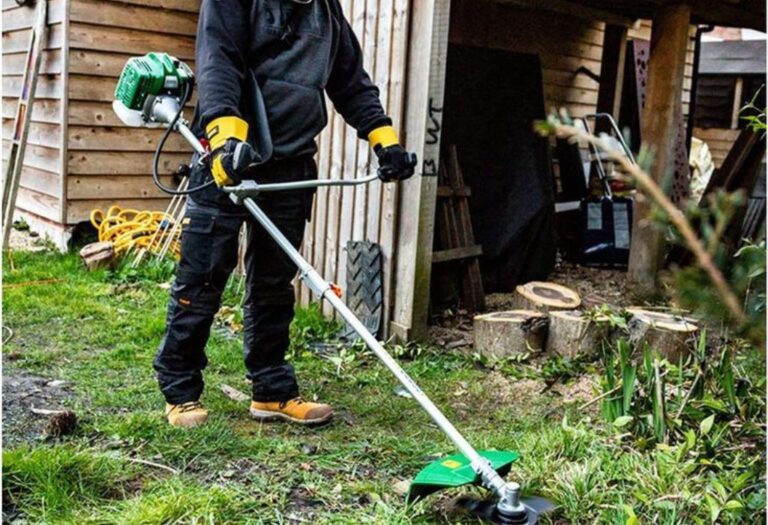
Why String Trimmer Loses Power: Troubleshooting Guide
If you’re like many folks, you’ve probably experienced the frustration of a string trimmer that suddenly lacks oomph. Figuring out why string trimmer loses power can sometimes feel tricky, especially if you’re new to yard work. Don’t worry, though! We’ll explore the common causes and guide you through simple solutions. We’ll start by checking the obvious, then move on to more detailed tests, ensuring your trimmer gets back to its full potential.
Common Causes Behind String Trimmer Power Loss
A string trimmer losing power is often a sign of a problem that needs attention. It might be due to something simple, like a clogged air filter, or perhaps a more involved issue with the engine. Many times, the problems can be quickly fixed with some basic knowledge of the equipment. We will explore the most frequent reasons your trimmer might be struggling to perform at its best and explain how to diagnose the problem.
Fuel System Issues
The fuel system is essential to a string trimmer’s operation. Any problem within this system can cause power loss. This includes the fuel tank, fuel lines, carburetor, and fuel filter. A blockage or restriction in any of these areas can prevent the engine from receiving the correct amount of fuel, leading to power loss, stalling, or difficulty starting. The type of fuel you use also plays a role in how your string trimmer performs.
-
- Old Fuel: Over time, gasoline degrades. It can lose its volatility and cause gum or varnish to form. Old fuel can clog the carburetor and affect how it functions. Using a fuel stabilizer can help extend the life of your fuel, especially if you won’t use the trimmer for an extended period.
To avoid this, empty the fuel tank at the end of the season or after an extended period of inactivity. This prevents the gasoline from going bad and clogging up vital parts like the carburetor, which ensures the machine runs smoothly when needed.
-
- Fuel Filter: The fuel filter keeps dirt and debris from entering the carburetor. If the fuel filter becomes blocked, it can restrict fuel flow, resulting in power loss. Checking and replacing the fuel filter is a straightforward maintenance task that can often solve power issues.
Regular maintenance of the fuel filter ensures that clean fuel gets to the engine, and you are not just throwing money down the drain by using poor quality fuel. You may need to replace it more frequently depending on the quality of fuel and how often you trim.
-
- Carburetor Issues: The carburetor mixes air and fuel in the correct proportions to create a combustible mixture for the engine. Problems with the carburetor, such as a clogged jet or a damaged diaphragm, can lead to incorrect fuel metering, and therefore, power loss.
You can try cleaning it with carburetor cleaner if the fuel filter is not enough. If cleaning does not help, you may need a professional to replace or rebuild your carburetor.
Engine Performance Problems
The engine’s condition directly impacts the string trimmer’s power output. A string trimmer engine is usually a two-stroke or four-stroke gasoline engine. These small engines have several components that must work properly to provide optimal performance. Issues like a worn spark plug, compression problems, or a dirty air filter can reduce power. Regular maintenance is essential to keep the engine running smoothly and at its best.
-
- Spark Plug: The spark plug provides the spark that ignites the fuel-air mixture in the engine cylinder. A worn, fouled, or improperly gapped spark plug can cause misfires and a loss of power. Regularly inspecting and replacing the spark plug as needed is essential.
Replacing the spark plug is an easy and affordable maintenance task that can make a huge difference in your string trimmer’s performance. Always make sure the replacement is the correct type and gapped properly according to your trimmer’s manual.
-
- Air Filter: The air filter prevents dirt and debris from entering the engine. A clogged air filter restricts airflow, which reduces engine power. You should regularly clean or replace the air filter, especially if you operate the string trimmer in dusty conditions.
Cleaning or replacing the air filter is a simple task that can have a significant effect on your trimmer’s performance. Make sure to consult your trimmer’s manual to find out how often you need to
-
- Compression Issues: Low engine compression can also cause a loss of power. This can be caused by worn piston rings, cylinder damage, or valve issues. Checking the compression requires a compression tester. If the compression is low, the engine may require professional repair.
If you suspect compression problems, you may need to take the trimmer to a qualified mechanic for further diagnosis. They have the tools to measure the compression and identify any internal damage, which is crucial for optimal performance.
Addressing Electrical and Mechanical Issues

Problems aren’t always in the fuel system or engine. Electrical and mechanical issues also can cause a string trimmer to lose power. These problems can be as simple as a loose connection or a damaged component. Diagnosing these problems often requires careful examination of the electrical system, moving parts, and cutting head. With some testing and attention to detail, you can often find and fix the problem.
Inspecting the Electrical System
The electrical system provides the spark needed to ignite the fuel-air mixture. The electrical system includes the spark plug, ignition coil, and wiring. Issues within the electrical system can cause the engine to misfire or run poorly, resulting in power loss. Make sure all connections are secure, and all components are in good condition. Use a multimeter to check the continuity of electrical components.
-
- Spark Plug Wire: A damaged or disconnected spark plug wire can prevent the spark plug from firing. Check the wire for cracks, cuts, or loose connections. Replace the spark plug wire if you find any damage.
A faulty spark plug wire can prevent your trimmer from starting or running correctly. Regularly inspect the wire, especially if you notice misfires or power issues. Replacing the wire is an easy fix that can restore your trimmer’s performance.
-
- Ignition Coil: The ignition coil provides the high voltage needed to generate a spark at the spark plug. A failing ignition coil can cause intermittent or complete loss of spark, leading to power loss. Test the coil with a multimeter to check for the correct resistance, or inspect it for any signs of damage.
If the ignition coil fails, it can prevent the engine from starting or running smoothly. When replacing the ignition coil, ensure you choose a quality replacement to ensure that your trimmer has reliable ignition for optimal performance.
-
- Wiring and Connections: Check all wiring and connections for damage or corrosion. Loose connections can interrupt the flow of electricity, causing the engine to malfunction. Clean any corroded connections with electrical contact cleaner, and make sure all connections are secure.
Check the wiring harness and connectors for any signs of damage. Any issues with the wiring can lead to a string trimmer losing power. Check all connections for good contact to ensure that electricity flows smoothly, maintaining reliable performance.
Examining Mechanical Components
The mechanical components of a string trimmer can also be a source of power loss. These include the cutting head, clutch, and the rotating parts of the engine. Issues with these components can restrict the engine’s ability to operate efficiently. Regularly inspecting and maintaining these components can help avoid power loss and extend the life of your equipment.
-
- Cutting Head and String: An overloaded or improperly loaded cutting head can cause the engine to work harder than needed, resulting in power loss. Make sure the string is the correct type and properly loaded according to the manufacturer’s instructions. A damaged cutting head can also restrict the engine.
A poorly maintained cutting head can make the engine work harder, which can impact power output. Always make sure the cutting string is the right size and type for your string trimmer to ensure it operates efficiently. Inspect and replace worn or damaged parts regularly.
-
- Clutch Issues: The clutch engages the engine with the cutting head. A slipping clutch can reduce the power transferred to the cutting head, leading to a loss of cutting efficiency. If you suspect a clutch issue, inspect it for wear or damage.
If the clutch is not engaging properly, your string trimmer will not run correctly. Replacing the clutch might be necessary if it is worn out or damaged. Clutch issues can lead to poor performance and reduce the cutting capability of your string trimmer.
-
- Exhaust System Problems: A clogged muffler or exhaust port can restrict the engine’s ability to exhaust gases, which reduces power. Inspect the exhaust system for blockages and clean or replace components as needed.
Inspect the exhaust system regularly. Make sure to clear any blockages and maintain it properly. Over time, debris can build up, restricting the exhaust flow. By cleaning or replacing components as needed, you will maintain optimal performance.
Troubleshooting Steps for Power Loss
If your string trimmer is not delivering the power you expect, these steps can help you find and fix the problem. Start with the easiest checks and work towards more complex diagnostics. By following these steps methodically, you can save money on professional repairs and quickly restore your string trimmer to full functionality.
Step-by-Step Diagnostics
When your string trimmer loses power, you should follow a systematic approach to identify the cause. Start with the easiest checks. Working your way through the list, you should be able to diagnose and fix most of the common problems. This method reduces the need to take your equipment to a repair shop. Here are some of the steps.
-
- Check the Fuel:
- Make sure there’s fuel in the tank.
- Check the fuel’s age and condition. If it’s old, drain the tank and
- Check the Fuel:
Starting with the fuel is essential because it is a common problem. Old fuel often degrades the performance of the engine, leading to frustrating problems with a string trimmer. A simple fuel check can prevent the need for more complex diagnostics.
-
- Inspect the Spark Plug:
- Remove the spark plug and examine it for fouling, damage, or excessive wear.
- Clean or replace the spark plug if needed.
- Ensure the spark plug is gapped correctly.
- Inspect the Spark Plug:
A damaged or improperly functioning spark plug can prevent the engine from running efficiently. Regular spark plug checks are an essential part of maintenance. Make sure the plug has no fouling or damage and is gapped according to the manufacturer’s specifications.
-
- Clean or Replace the Air Filter:
- Remove the air filter and check it for dirt and debris.
- Clean the air filter if it’s washable, or replace it if it’s disposable.
- Clean or Replace the Air Filter:
A clogged air filter can significantly limit the engine’s ability to draw in the air it needs for combustion. A clean air filter allows the engine to get more oxygen, which improves the power and efficiency of your string trimmer. The filter is easy to find and often can be replaced quickly.
-
- Examine the Carburetor:
- If the engine still has problems, consider the carburetor.
- Look for any signs of fuel leaks or blockages.
- Use carburetor cleaner to clean the carburetor jets.
- Examine the Carburetor:
Carburetor issues can cause several performance problems, including a loss of power. Cleaning the carburetor will ensure that the engine gets the right amount of fuel. If you don’t feel comfortable, consider taking your string trimmer to a repair shop, where they have the expertise to fix or replace the carburetor components.
Tools You Might Need
Having the right tools can make troubleshooting and repairing your string trimmer much easier. Many repairs can be handled at home with a few essential tools. Make sure to have a basic toolkit with the right instruments so you can complete the troubleshooting steps effectively.
-
- Screwdrivers: A set of screwdrivers (both flathead and Phillips head) is essential.
Screwdrivers are needed to remove the spark plug and other parts of the trimmer.
-
- Spark Plug Wrench: A spark plug wrench will help remove and install the spark plug.
A wrench designed for spark plugs makes this maintenance step easier.
-
- Pliers: Pliers are good for gripping and manipulating small parts, like fuel lines.
Pliers are good for gripping and manipulating small parts, like fuel lines.
-
- Multimeter: A multimeter is useful for testing electrical components such as the ignition coil and wiring.
A multimeter can help identify electrical issues affecting the power output.
-
- Carburetor Cleaner: Carburetor cleaner can help clean the carburetor.
If you suspect the carburetor is the problem, this helps restore its function.
Example Scenarios
Here are some examples of what can happen when a string trimmer loses power. These examples show how common problems can manifest in everyday use. These examples help you relate to the common causes of string trimmer power loss.
-
- Scenario 1: You start your string trimmer, and it runs for a few minutes before losing power and stalling. You check the fuel, and it’s old and murky. After draining the old fuel and refilling with fresh fuel, the trimmer runs smoothly again.
This shows the common issue of old fuel causing carburetor issues.
-
- Scenario 2: While trimming, you notice the string trimmer losing power when cutting thicker grass. You stop and notice the air filter is completely clogged with debris. Replacing the air filter restores the engine’s power, and it cuts through the grass with no issues.
This shows how a clogged air filter affects engine performance.
-
- Scenario 3: Your string trimmer won’t start at all, or it runs very roughly. You remove the spark plug and see it’s black and covered in soot. After you replace the spark plug, the string trimmer starts and runs at full power.
This demonstrates the importance of a properly functioning spark plug.
Frequently Asked Questions
Question: Why is my string trimmer losing power after a few minutes of use?
Answer: This can be due to several issues, but the most common ones are a clogged fuel filter, a partially clogged carburetor jet, or a dirty air filter. Check these components first, as they are easily accessible and often the cause.
Question: Can old fuel cause a string trimmer to lose power?
Answer: Yes, old fuel is a common culprit. Gasoline degrades over time, leaving behind deposits that can clog the carburetor and restrict fuel flow, resulting in power loss.
Question: How often should I replace the spark plug?
Answer: It’s best to consult your owner’s manual, but generally, spark plugs should be replaced every season or after around 100 hours of use. If the trimmer is hard to start or runs roughly, you may need to replace it sooner.
Question: How do I clean the air filter on my string trimmer?
Answer: Refer to your string trimmer’s manual for specific instructions. Most air filters can be cleaned by removing them and either tapping them to remove loose debris or washing them with soap and water, then letting them dry completely before re-installation. Replace filters that are damaged or heavily soiled.
Question: What’s the difference between a two-stroke and a four-stroke engine in a string trimmer?
Answer: Two-stroke engines require a fuel-oil mixture, while four-stroke engines use separate oil and gasoline. Two-stroke engines are simpler and lighter, while four-stroke engines generally offer better fuel efficiency and produce fewer emissions. Understanding which type your trimmer has will help when troubleshooting.
Final Thoughts
When your string trimmer experiences a loss of power, it’s often a fixable issue. Most of the time, the solution lies in a bit of detective work and some simple maintenance. By exploring the fuel system, checking the engine’s performance, and ensuring the electrical and mechanical components are working correctly, you can often restore your trimmer’s power. Whether it’s a clogged filter or a spark plug that needs replacing, these issues are usually easy to resolve. You can keep your trimmer running at its best by using the right tools and following the steps. Start with the basics, work through the checklist, and you’ll be back to keeping your yard looking its best in no time.