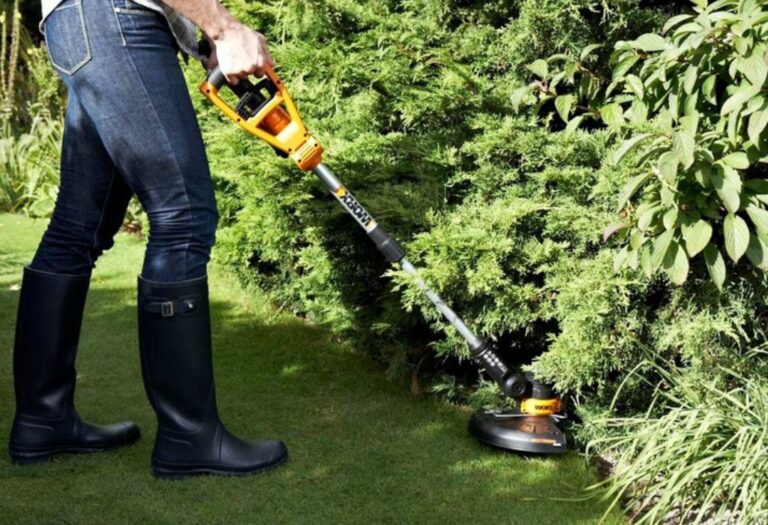
Why Your String Trimmer Won’t Keep Running: Troubleshooting Guide
It can be super frustrating when your string trimmer keeps sputtering out. Many people find this annoying, especially when they’re just starting out. The good news? You’re not alone, and it’s often a simple fix. This post will break down the common reasons why string trimmer won’t stay running and give you clear, easy-to-follow steps to get it back in action. We’ll explore each part in detail, making sure you know exactly what to do.
String Trimmer Basics: What Goes Wrong?
Before you start fixing anything, it helps to know how a string trimmer works. These tools use a spinning head with a nylon line to cut grass and weeds. They usually run on a gas engine or an electric motor. If your trimmer won’t keep running, several things might be causing the problem, like fuel issues, a clogged air filter, or problems with the engine’s components. Getting familiar with these basics gives you a solid base for solving the issue. We’ll explore the common problems and simple solutions, so you can get back to yard work fast.
Fuel System Troubles
The fuel system is like the trimmer’s lifeline; it delivers fuel to the engine. If there’s a problem here, the engine won’t run correctly or at all. The fuel system includes the fuel tank, fuel lines, the carburetor, and the fuel filter. These components need to work together flawlessly. When a problem occurs in this system, it causes the string trimmer to stop working properly. Let’s explore the common fuel problems and what you can do about them.
-
- Bad Fuel. Fuel can go bad over time, especially if it’s been sitting in the trimmer for a long time. Bad fuel can clog up the carburetor and prevent the engine from starting or staying running.
Old fuel can cause big problems for your string trimmer. The gasoline breaks down and loses its effectiveness over time. This leaves behind a gummy residue that clogs the carburetor. This is a vital part that mixes fuel with air for combustion. When it’s blocked, the engine gets too much or too little fuel, stopping it from running correctly. Using fuel that’s more than a month old often leads to these issues. You can prevent this by adding a fuel stabilizer to your gas. This extends the life of the fuel.
-
- Clogged Fuel Filter. The fuel filter keeps dirt and debris out of the carburetor. If it gets clogged, it restricts fuel flow.
The fuel filter is a small but important component in your string trimmer. It’s located in the fuel tank or in the fuel line. Its main role is to filter out any dirt or debris that might be in the fuel. These tiny particles can come from various sources, such as rust from the fuel tank or dirt from when you’re filling the tank. When the filter becomes blocked, the fuel flow to the engine is limited. This causes the engine to starve for fuel, leading to performance problems, like stalling. You should inspect the filter often and change it at least once a year.
-
- Carburetor Problems. A dirty or malfunctioning carburetor can cause a host of issues, including the engine not starting or staying running.
The carburetor is where the air and fuel mix before entering the engine’s combustion chamber. It’s a critical part of your string trimmer. If the carburetor is dirty or has problems, your trimmer might not run smoothly. Dirt or tiny particles can clog the small passages in the carburetor, disrupting the air/fuel mix. A blocked carburetor means the engine gets the wrong amount of fuel, leading to stalling or a refusal to start. If your trimmer has issues, cleaning or adjusting the carburetor is often a good place to start. If cleaning does not fix the problem, you may need a carburetor replacement.
-
- Fuel Line Issues. Fuel lines can crack or become disconnected, leading to fuel leaks and engine problems.
The fuel lines in your string trimmer are small tubes that carry fuel from the fuel tank to the carburetor. These lines are exposed to heat and chemicals, so they can get worn or damaged over time. Cracks, leaks, or disconnections in the fuel lines can stop the fuel flow, preventing the engine from running. If fuel leaks, it’s dangerous, and it also means the engine won’t get the fuel it needs. Check your fuel lines regularly for any signs of wear. If you find any problems, change the lines right away to keep your trimmer working safely.
Air Filter Woes
The air filter’s job is to stop dirt and dust from getting into the engine. When the air filter gets blocked, the engine doesn’t get enough air to burn the fuel correctly. This leads to problems like the trimmer not starting, running roughly, or stalling. Checking and changing the air filter is a simple step that can solve many issues with your string trimmer. A clean air filter is key to good engine performance. We’ll explore why the air filter matters and what to do if it’s causing trouble.
-
- Blocked Air Filter. A clogged air filter restricts airflow to the engine, causing it to run poorly.
The air filter is like a gatekeeper for your trimmer’s engine. It protects the engine by catching dirt, dust, and other tiny particles from the air. Over time, these particles can build up and block the filter, reducing the amount of air that can get through. When the engine doesn’t get enough air, it can’t burn the fuel efficiently, leading to poor performance. If your trimmer is struggling, check the air filter. A simple cleaning or replacement often solves the problem and gets your trimmer running smoothly again.
-
- Dirty Air Filter. Even if not fully blocked, a dirty air filter can impact the engine’s performance.
A dirty air filter allows a lot of dust and dirt to pass through. This can cause various issues. First, it makes the engine work harder, which may cause it to use more fuel. Second, it reduces the engine’s power. Third, tiny particles may enter the engine and damage internal parts. That can lead to costly repairs. Check your air filter often. If it’s dirty, cleaning or replacing it is important for keeping your string trimmer in great shape and performing well.
-
- Incorrect Air Filter Type. Using the wrong air filter can lead to poor engine performance and potential damage.
When you replace the air filter, it’s very important to use the correct type for your trimmer model. Using the wrong filter can cause issues. For instance, if the filter doesn’t fit properly, dirt and debris can enter the engine. This can cause damage. The filter’s design also affects airflow. The wrong design could cause the engine to run too rich or too lean, leading to poor performance. Always check your trimmer’s manual or the manufacturer’s website for the correct air filter type. Using the right filter is vital for keeping your trimmer working correctly.
Spark Plug Problems
The spark plug gives the spark that ignites the fuel/air mix in the engine’s cylinders. If the spark plug has problems, the engine may not start or won’t run smoothly. The spark plug is an important component. Many people often overlook it when troubleshooting trimmer problems. Checking your spark plug regularly is a straightforward task that can resolve many common issues. Knowing about these problems and how to solve them can help you keep your trimmer running at its best.
-
- Fouled Spark Plug. A spark plug that’s wet or dirty won’t create a spark.
A fouled spark plug is usually covered in oil, fuel, or carbon buildup. This stops the spark plug from working correctly. This is one of the most common issues that stops a trimmer from starting. The buildup creates a barrier. It prevents the spark from jumping the gap and igniting the fuel-air mixture. The reasons for a fouled spark plug include using the wrong fuel/oil mix, a clogged air filter, or problems with the carburetor. Cleaning or replacing the spark plug is often the first step in troubleshooting a trimmer that won’t start.
-
- Worn Spark Plug. Over time, the spark plug’s electrode wears down, reducing its ability to create a spark.
The spark plug’s job is to create the spark that starts the engine. The electrode at the end of the spark plug slowly wears down with each use. This gradually increases the gap between the electrodes. This makes it harder for the spark to jump the gap and ignite the fuel/air mixture. As the spark plug wears down, the engine may become harder to start, run roughly, or lose power. It’s a good practice to replace your spark plug as recommended in your trimmer’s manual, typically every season or two, depending on use.
-
- Incorrect Spark Plug Gap. If the gap between the spark plug electrodes is incorrect, the spark may not be strong enough.
The spark plug gap is the distance between the two electrodes. It’s important to set this gap to the specifications in your trimmer’s manual. If the gap is too small, the spark may be weak. If the gap is too big, the spark may not jump across at all. When the gap is not right, it can cause problems like difficulty starting the engine, poor fuel efficiency, and uneven running. It’s a good practice to check and adjust the spark plug gap whenever you replace the spark plug. A simple tool can help you make these adjustments.
Why String Trimmer Won’t Stay Running: Step-by-Step Fixes

Troubleshooting your string trimmer can seem like a lot, but it is manageable. Starting with the basics and working systematically can lead you to the solution without needing to guess. Remember, safety first! Always disconnect the spark plug before you begin working on the engine. Let’s explore each area and the steps to follow to troubleshoot the most common issues. These steps will help you identify the problem and get your string trimmer working again.
Fuel System Inspection and Cleaning
Fuel problems are a common cause of why string trimmers won’t stay running. A thorough inspection of the fuel system is often the first step. Look for obvious problems like leaks, and make sure the fuel is fresh. Cleaning or replacing key components can make a big difference in how well the trimmer operates. Following these steps can help you find and fix the problems in your trimmer’s fuel system. This will help you get it running well again.
- Check the Fuel. Examine the fuel in the tank. If it looks cloudy or has sat for a long time, drain andInspect the fuel for a few signs that it’s old or bad. Cloudy fuel means it might have water or other contaminants. This can clog the carburetor. Check if the fuel smells like varnish, which means it’s breaking down. The fuel tank should be drained and refilled. This can prevent a lot of problems, and the engine will run better. Add a fuel stabilizer when you refill to keep the fuel fresh for longer.
- Inspect the Fuel Filter. Locate and inspect the fuel filter. Replace it if it’s dirty or clogged.
- The fuel filter usually sits in the fuel tank or the fuel line. Locate it in your trimmer’s manual. Remove the fuel filter and visually inspect it. Hold it up to the light to see if it is blocked. A clogged filter will have visible debris. If the filter is blocked, it should be replaced. Replacing the fuel filter is a simple task that can make a big difference in engine performance. A new filter will ensure that the fuel flows freely. This helps the engine run smoothly.
- Clean or Rebuild the Carburetor. If the carburetor is dirty, it can stop the engine. You can clean it with carburetor cleaner or rebuild it if needed.
- The carburetor controls the air and fuel mixture. If your engine won’t start or runs roughly, the carburetor is often the issue. Remove the carburetor from the engine and take it apart. Use carburetor cleaner and compressed air to clean out all the passages and jets. If the carburetor is very dirty or damaged, consider rebuilding it. A carburetor rebuild kit contains all the parts needed, like gaskets and seals. If you’re not sure how to do this, watch videos or ask a professional. A clean carburetor ensures a good air/fuel mixture, which is key for good engine performance.
- Check the Fuel Lines. Inspect the fuel lines for any cracks or leaks. Replace them if you find any damage.
- The fuel lines carry fuel from the tank to the carburetor. They can become cracked or dry over time. Check the fuel lines closely for any signs of wear, like cracks or leaks. If you see any damage, they should be
Air Filter Maintenance
Air filter problems are often easy to fix and can greatly affect engine performance. Inspecting and maintaining the air filter is an easy task that can prevent many issues. A well-maintained air filter will ensure that the engine gets the air it needs. This keeps the engine running efficiently and reduces the chance of problems. This part is vital to keeping your trimmer in good shape. Let’s explore the simple steps you can take.
-
- Remove and Inspect the Air Filter. Remove the air filter from your trimmer. Check it for dirt and debris.
The air filter is typically located under a cover on the engine. Carefully take off the cover and remove the air filter. Hold the filter up to the light and check it for dirt and debris. If you see a lot of dirt, the filter needs to be cleaned or changed. Always be careful when you handle the filter. Make sure no dirt falls into the engine. A clean air filter is essential for the engine’s performance and lifespan.
-
- Clean or Replace the Air Filter. If the air filter is dirty, you can clean it (if it’s the right type) or replace it.
If the filter has a lot of dirt, the next step is to clean or
-
- Ensure a Proper Seal. Make sure the air filter fits snugly and forms a good seal with the housing.
When you replace the air filter, make sure it fits correctly and creates a good seal. An improper fit can allow dirt and debris to bypass the filter. This can cause damage to the engine. Make sure the filter is seated properly in its housing. Check the edges to make sure there are no gaps. A tight seal is important for protecting the engine. It ensures that only clean air gets through. Regularly check the filter and its seal for the best results.
Spark Plug Examination and Correction
The spark plug plays a vital role in starting and keeping your string trimmer running. The spark plug ignites the air/fuel mix, so any problems here can cause stalling or failure to start. Checking and correcting spark plug issues is a straightforward task. This can often resolve performance problems. Following these steps can help you make sure your string trimmer works properly.
-
- Remove the Spark Plug. Use the correct wrench to remove the spark plug.
First, always disconnect the spark plug wire before you start working. Then, using a spark plug wrench of the correct size, remove the spark plug from the engine. Set the wrench aside. Note the condition of the spark plug. This can tell you a lot about how your engine is running. Inspect the plug for damage, and then clean it or replace it, as needed.
-
- Inspect the Spark Plug. Look for fouling, wear, or damage.
Examine the spark plug for a few things. First, check for fouling. A fouled spark plug will have a dark, sooty coating. This means there is too much fuel or not enough air in the mixture. Second, look for wear on the electrodes. They should be straight and not worn down. Third, check for any physical damage, such as cracks. Replace the spark plug if you see these issues. The condition of the spark plug tells you a lot about what is going on inside the engine.
-
- Check and Adjust the Spark Plug Gap. Use a spark plug gap tool to measure and adjust the gap.
Use a spark plug gap tool to measure the distance between the electrodes of the spark plug. The correct gap is usually listed in your trimmer’s manual. If the gap is incorrect, you should adjust it. To adjust, gently bend the side electrode until the gap is correct. Use the gap tool to measure as you go. Setting the correct spark plug gap is essential for ensuring a strong and consistent spark. This helps the engine start and run smoothly.
-
- Install the Spark Plug. Screw the spark plug back in. Tighten it securely, but don’t overtighten it. Reconnect the spark plug wire.
Once you’ve cleaned and/or adjusted the spark plug, install it back in the engine. Screw the spark plug back into the engine by hand. Then, use the spark plug wrench to tighten it. Tighten the spark plug firmly, but don’t overtighten it. Overtightening can damage the threads in the engine. Then, reconnect the spark plug wire. After this, your trimmer should be ready to run. Your trimmer should now run better.
Why String Trimmer Won’t Stay Running: Sample Scenarios
Knowing some common problems and the actions people took to solve them can be helpful. Here are some situations. These scenarios will give you a better idea of how different issues can play out and how they were solved. These examples will help you with your own troubleshooting.
-
- Scenario 1: The Stalling Trimmer. A homeowner’s string trimmer ran for a few minutes and then kept stalling.
The owner examined the fuel. The fuel was old. The owner
-
- Scenario 2: The Hard-to-Start Trimmer. A user struggled to start their trimmer. When it did start, it ran roughly.
The owner replaced the spark plug. They also cleaned the air filter. After the maintenance, the trimmer started easily and ran correctly. Remember, a fouled spark plug or a clogged air filter can make it very hard to start your trimmer. Also, make sure to change the spark plug regularly.
Frequently Asked Questions
Question: Why does my string trimmer stop when I tip it?
Answer: It’s likely a fuel delivery issue. The fuel tank vent could be blocked, or the carburetor isn’t getting enough fuel. Check the vent and fuel lines.
Question: How often should I change the spark plug?
Answer: It’s best to change the spark plug once a year or as suggested by your string trimmer manual. Regular changes help to keep your trimmer running efficiently.
Question: What’s the best fuel for my string trimmer?
Answer: Most string trimmers use a mix of gasoline and oil. Always refer to your trimmer’s manual for the correct fuel-to-oil ratio. This prevents engine damage.
Question: What causes the string to break constantly?
Answer: The string may be too dry or of poor quality. It could also be hitting something hard. Try soaking the string in water or switching to a better quality string.
Question: Can I use ethanol-blended fuel in my string trimmer?
Answer: Ethanol-blended fuels can damage some trimmers. Consider a fuel that is ethanol-free or one with a fuel stabilizer.
Final Thoughts
Getting your string trimmer running smoothly again involves several key steps. It starts with checking the fuel. Make sure it’s fresh, and the fuel system is clean. Next, focus on the air filter. Keep it clean and make sure it’s in good shape. Finally, check the spark plug for wear, damage, and the correct gap. Remember that the common cause of why string trimmer won’t stay running involves fuel and air. By following these steps, you’ll likely fix the problem. If you’ve tried these steps and your trimmer still won’t start, consider looking at the more complex issues. Consider getting help from a professional to diagnose any other problems. With a little care and attention, you can keep your trimmer in great shape for many seasons to come. You are now equipped to tackle the problem and get your lawn looking its best!