Trim Weeds With a String Trimmer: A Beginner’s Guide
Figuring out how to trim weeds with a string trimmer can be tough when you’re just starting. It seems like a simple task, but getting those perfect edges and avoiding damage can be tricky. Don’t worry, though! It’s easier than it looks, and we’ll break it down step-by-step. Get ready to learn the ropes and make your yard the envy of the neighborhood. Let’s get started!
Choosing the Right Trimmer and Gear
Before you even think about swinging that trimmer, you need to make sure you have the right equipment. Picking the correct string trimmer and the proper gear is important for both safety and effectiveness. There are several types of trimmers available, each designed for different tasks and terrains. This section will guide you through the process of selecting the best tools for your needs, ensuring a safe and successful experience while handling weeds.
Types of String Trimmers
The first step is selecting the right type of string trimmer. There are three main types, each offering different benefits. These options vary in power source, ease of use, and suitability for various yard sizes and weed situations. Knowing the difference will help you choose the best tool.
- Electric String Trimmers: These trimmers are typically lightweight and easy to start, making them great for smaller yards. They can be corded or battery-powered. Corded trimmers need a power outlet, limiting their reach. Battery-powered trimmers provide freedom of movement, but they need charging.Electric trimmers are quieter and produce fewer emissions compared to gas-powered models. They are generally simpler to maintain, requiring less upkeep and fewer parts. This makes them a solid choice for beginners or anyone with a smaller yard who doesn’t need heavy-duty weed whacking.
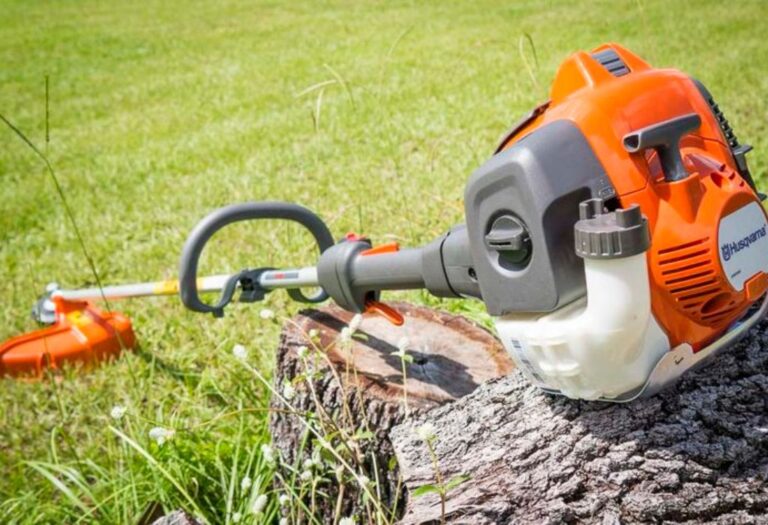
- Gas String Trimmers: Gas trimmers offer more power and are ideal for larger yards with tough weeds. They are cordless, providing unrestricted movement. However, they are heavier, noisier, and require more maintenance, like fuel, oil changes, and spark plug replacement.Gas trimmers are known for their strong cutting ability. They can handle thicker weeds, dense grass, and larger areas with ease. The primary trade-off is the extra maintenance and the need to handle fuel, which can be a bit more complicated for some users.
- Battery-Powered String Trimmers: Battery-powered trimmers are becoming increasingly popular. They offer a good balance between power and convenience. They have no cords, are quieter than gas models, and produce zero emissions. The run time depends on the battery.Modern battery-powered trimmers are powerful enough for many residential weed trimming tasks. As battery technology improves, so does the run time and overall performance. They are a great middle-ground option for people who want the benefits of both electric and gas trimmers.
Essential Safety Gear
Safety should always be a priority. You need the right safety gear to protect yourself from flying debris and potential injuries. Being prepared is the best way to ensure your well-being. This gear is essential when learning how to trim weeds with a string trimmer.
- Safety Glasses or Face Shield: This is a must. String trimmers can kick up rocks, dirt, and other debris. Safety glasses protect your eyes from these hazards. A face shield provides even more protection, covering your entire face.Always ensure your eyewear meets safety standards. This simple step can prevent serious eye injuries. Consider a full face shield for even better protection, especially if you’re working in an area with a lot of loose material.
- Hearing Protection: String trimmers can be noisy, especially gas-powered models. Earplugs or earmuffs protect your hearing from damage. Choose a type that fits comfortably and blocks out excessive noise.Protect your hearing by using appropriate ear protection every time. Prolonged exposure to loud noises can cause hearing loss, so this is a crucial step.
- Sturdy Footwear: Wear closed-toe shoes, preferably work boots, to protect your feet from potential impacts. Avoid sandals or open-toed shoes. This will provide better foot protection from the trimmer itself and any items that might be in the yard.Good footwear offers both protection and stability while you’re working. Choose shoes with good grip to avoid slipping. The right shoes ensure your feet are safe and you can work comfortably.
- Gloves: Gloves protect your hands from blisters, cuts, and vibrations. Choose gloves that fit well and allow you to maintain a good grip on the trimmer. They also help with overall comfort.Gloves improve your grip and make the job easier. Look for gloves made from durable material. The correct fit ensures they don’t hinder your movements.
- Long Pants and Long Sleeves: Protect your skin from flying debris and potential cuts. This extra layer of protection keeps you safe. Also, it’s good practice to wear clothing that is not too loose.This simple protection can avoid scratches and irritation. Selecting the right type of clothing helps you work in a safe manner.
Getting Started: Preparing Your Trimmer

Before you even fire up your string trimmer, there are several steps you should take to ensure it works correctly and safely. Preparing the machine involves checking its components, adding fuel if needed, and making sure everything is in good working order. These steps will save you time and potential problems later on. This includes important aspects of how to trim weeds with a string trimmer.
Checking the String
The string is the part that does the actual cutting. Knowing how to check and replace the string (also called line) is important. A dull or worn string will make the job harder, reduce cutting efficiency, and may even damage your trimmer. Inspecting and maintaining the string ensures optimal performance. Here’s what you need to know.
- Inspect the String: Before each use, inspect the string for wear and tear. Look for fraying, breakage, or general degradation. If the string looks worn, it’s time to replace it.Regular inspection is the simplest way to prevent problems. Checking the string takes just a few seconds and can save you from an unproductive session.
- String Type and Thickness: Choose the right type and thickness of string for your trimmer and the type of weeds you’re cutting. Thicker strings are good for tougher weeds, while thinner strings are better for light trimming.Experiment to find the string that works best for your needs. Different brands and materials are available. The right selection can improve both cutting efficiency and string life.
- Replacing the String: Learn how to replace the string on your trimmer. This usually involves removing the spool, winding the new string correctly, and reassembling the trimmer head. Follow the instructions in your trimmer’s manual.Knowing how to replace the string saves you time and money. It’s a key part of maintaining your trimmer. Most trimmer manuals offer easy-to-follow instructions.
Checking the Trimmer’s Components
Before starting any job, it is important to examine the rest of the machine. Taking a few moments to look over the trimmer can prevent many potential problems. This helps you catch issues early on and maintain optimal performance. Routine checks ensure everything is ready to go.
- Inspect the Guard: The guard is a safety feature that protects you from flying debris. Make sure the guard is securely attached and not damaged. Replace it if it is cracked or broken.A damaged guard is a safety risk. Make sure the guard is always in good shape and in the right place before beginning work.
- Check the Handle and Controls: Ensure the handle is secure and that the throttle and on/off switches are working correctly. Any loose parts or malfunctioning controls should be addressed before starting the trimmer.Controls in good working condition are important for safety and ease of use. If something feels off, get the issue fixed before using the trimmer.
- Examine the Engine/Motor: For gas trimmers, check the engine for leaks or damage. For electric trimmers, make sure the cord is not frayed or damaged. Check battery connections on battery-powered trimmers.A damaged engine or motor can be dangerous. Doing a quick visual check will alert you to possible issues. Always take care to ensure the machine is working well.
Fuel and Battery Preparation
Depending on your trimmer type, you’ll need to make sure it has the necessary power source. This involves checking the fuel level, mixing fuel correctly (for gas trimmers), and ensuring the battery is charged. Good preparation saves time and eliminates frustration.
- Gas Trimmers: Check the fuel level in the tank. If it’s low, fill it with the correct fuel and oil mixture, following the manufacturer’s instructions. Use fresh fuel for better performance.Using the right fuel mix is important for the engine’s health. Old fuel can cause starting problems and reduce performance. Always use the right fuel and follow the manufacturer’s instructions.
- Electric Trimmers: Ensure the trimmer is plugged into a working outlet and the cord is in good condition. Use an extension cord that is rated for outdoor use.Always examine the cord before plugging it in. A damaged cord is dangerous. Using a proper outdoor extension cord will help prevent hazards.
- Battery-Powered Trimmers: Make sure the battery is fully charged before use. Check the battery’s charge level using the indicator on the battery or the charger.A fully charged battery will allow you to work longer. Charging the battery before you start will help you get the job done without interruption.
Mastering the Trimming Technique
The right technique is key for effective weed trimming. You’ll learn the proper stance, how to hold the trimmer, and how to move it to get the best results. Practicing good technique leads to cleaner cuts and a more satisfying finished result. Perfecting this is one of the most important aspects of learning how to trim weeds with a string trimmer.
Stance and Grip
Your stance and grip will influence your control and comfort while you work. A good stance provides stability, and the right grip ensures you can safely and accurately guide the trimmer. Mastering these elements will improve your overall experience.
- Proper Stance: Stand with your feet shoulder-width apart, knees slightly bent. This provides a stable base and allows you to move freely. Keep your back straight to avoid strain.A stable stance helps you keep control and prevent fatigue. The slightly bent knees help absorb any vibrations and keep you balanced.
- Grip on the Handle: Hold the trimmer firmly but not too tightly. The grip should be comfortable. Some trimmers have adjustable handles to improve comfort.A firm but relaxed grip will prevent your hands from getting tired. Try different handle positions to find what feels most comfortable for you. Proper grip ensures precise work.
- Maintaining Balance: Keep your body balanced throughout the trimming process. Shift your weight as needed to maintain stability. Be aware of any uneven ground.Balance helps you keep control and prevents falls. Be cautious when working on slopes or uneven terrain. Stability and safety go hand in hand.
Trimming Motion and Angle
The way you move the trimmer and the angle at which you hold it greatly influence the cut quality and the efficiency of your work. The appropriate motion and angle will give you the best results while making the process simpler. Practice these techniques for an efficient cutting experience.
- Swinging Motion: Use a smooth, sweeping motion from side to side. Avoid jerking or rushing. The motion should be controlled and steady to get clean cuts.A smooth motion leads to even cuts. Rushing can cause unevenness and increase the chance of errors. The idea is to make each pass count.
- Angle of the Trimmer Head: Hold the trimmer head at the right angle to the ground. The angle of attack should be shallow to cut the weeds cleanly without damaging the surrounding plants or the ground.The angle of your trimmer is important for efficiency. Holding it at the right angle will help you cut weeds without issues. This prevents damage to your lawn.
- Cutting Height: Adjust the cutting height by raising or lowering the trimmer head. Avoid cutting too close to the ground to prevent scalping the lawn or damaging the soil.Cutting height is crucial for good results. You can adjust the height to suit the weeds and terrain. This gives a neat appearance while preserving the lawn.
Edge Trimming and Special Situations
Edge trimming is the practice of cutting along the edges of sidewalks, driveways, and flower beds. This adds a professional finish to your yard work. Different situations call for various approaches. This requires attention to detail and technique. Here’s a brief breakdown.
- Edge Trimming: Use the trimmer to create clean edges along sidewalks and driveways. Hold the trimmer vertically and run the string along the edge.Edge trimming gives a clean and polished look. You can create straight, precise lines to make your yard look its best. Focus on achieving sharp, neat edges.
- Trimming Around Obstacles: Be careful around trees, fences, and other obstacles. Use caution to avoid damaging them or the string. Reduce speed and use a gentler approach.Protecting obstacles while trimming shows care and attention. When approaching trees and fences, use the string with precision. The goal is to keep them safe.
- Dealing with Tough Weeds: For thicker weeds, you may need to use a slower, more deliberate approach. Overlap each pass to ensure that all the weeds are cut. You can also use a string with more cutting power.Some weeds can be harder to cut than others. Adjust your technique to handle the challenges. With a bit of patience, even the toughest weeds can be eliminated. Make each trimming session effective.
Maintenance and Troubleshooting
After you have completed the job, regular maintenance ensures your trimmer’s longevity and smooth operation. This involves cleaning the machine, checking components, and storing it properly. Addressing common issues will help prevent problems. Proper care preserves the lifespan and efficiency of your trimmer.
Cleaning and Storage
Cleaning and storing your string trimmer is important for keeping it in good condition. A clean trimmer works more efficiently, and proper storage helps to protect it from the elements. Routine care will help your tool last longer and work at its best.
- Cleaning the Trimmer: After each use, clean the trimmer. Remove grass clippings and debris from the cutting head, guard, and motor. Use a brush or compressed air to get rid of dirt.Cleaning prevents the buildup of debris, which can affect performance. Cleaning also helps you spot any damage or wear. Keep it clean for the best results.
- Checking and Storing the Cord (Electric): For corded trimmers, check the cord for any damage. Wrap the cord carefully for storage. For battery-powered trimmers, remove the battery and store it in a safe place.Proper cord care ensures safety and performance. Store the battery in a cool, dry area. Safe storage extends the lifespan of your equipment.
- Storing the Trimmer: Store the trimmer in a dry location, away from direct sunlight and extreme temperatures. For gas trimmers, drain the fuel if you do not plan to use it for an extended period.Proper storage prevents weather damage and other issues. Storing your trimmer properly will keep it in good condition for many years.
Troubleshooting Common Issues
Even with proper care, you may encounter a few common problems. Knowing how to fix them will help you. Here are some solutions to frequently occurring problems. Being able to fix them saves you time and allows you to keep your trimmer in good condition.
- Trimmer Won’t Start: If the trimmer won’t start, check the fuel level (gas trimmers), battery charge (battery-powered trimmers), or power cord (electric trimmers). Check the spark plug (gas trimmers) and ensure the choke and throttle are set correctly.These simple checks often resolve the problem. Regular maintenance and inspection will avoid the majority of starting issues.
- String Breaks Frequently: If the string keeps breaking, ensure you are using the correct type and thickness. Check for any sharp edges or rough areas on the trimmer head that may be cutting the string.Frequent string breakage can be frustrating. Solving the issue often involves replacing the string. This can also involve examining the trimmer head.
- Trimmer Runs Roughly or Loses Power: If the trimmer runs roughly or loses power, check the fuel filter (gas trimmers), air filter, and spark plug. Clean or replace any clogged components.These problems may signal that the engine is not running optimally. Replacing filters and plugs improves performance. This will help you get back to work faster.
Routine Maintenance Schedule
A maintenance schedule will help you keep your trimmer running efficiently. Following a schedule helps to avoid problems and extends the tool’s life. Here’s a brief example of a routine maintenance schedule.
| Task | Frequency | Details |
|---|---|---|
| Inspect String | Before Each Use | Check for wear and replace as needed. |
| Clean the Trimmer | After Each Use | Remove debris from the cutting head, guard, and motor. |
| Check Filters | Monthly or as Needed | Inspect and clean air and fuel filters (gas trimmers). |
| Check Spark Plug | Seasonally | Inspect and replace the spark plug (gas trimmers). |
| Sharpen Blades | Annually | Check the blades (if equipped) and sharpen them if needed. |
Frequently Asked Questions
Question: How often should I replace the string on my string trimmer?
Answer: Replace the string when it breaks, frays, or becomes too short. For heavy use, you may need to replace the string after each trimming session. If it’s just for small jobs, the string might last longer. Keep an eye on the string condition to decide.
Question: How do I store my string trimmer during the off-season?
Answer: Store your string trimmer in a dry, covered area. If it’s a gas trimmer, drain the fuel to prevent it from going bad. For battery-powered trimmers, remove the battery and keep it stored in a cool place. Following this helps with long-term storage.
Question: What’s the best way to trim around trees without harming them?
Answer: When trimming around trees, be very careful to avoid hitting the trunk. Use a slower speed and a gentle approach. Hold the trimmer at a slight angle away from the tree to avoid the string hitting the bark. Careful attention ensures safe work.
Question: My string trimmer keeps breaking the string. What’s wrong?
Answer: If your string trimmer keeps breaking the string, it could be due to a few issues. Make sure the string is the right type and size for your trimmer. Check for sharp edges on the trimmer head or guard that might be cutting the string. Also, avoid bumping into hard objects.
Question: Can I use my string trimmer to cut tall grass?
Answer: String trimmers are great for weeds and grass edges. However, they aren’t designed for cutting really tall grass. If you have tall grass, it’s best to use a lawn mower or a brush cutter for safety and best results. Proper tools ensure effective work.
Final Thoughts
Learning how to trim weeds with a string trimmer is a valuable skill for any homeowner. As you’ve seen, it’s not as complex as it might seem at first. By choosing the right equipment, practicing safe techniques, and following regular maintenance, you can keep your yard looking its best. Remember to always prioritize safety by wearing protective gear and being aware of your surroundings. With a little practice, you’ll find that trimming weeds becomes a straightforward task. It will give you a sense of accomplishment every time you finish. So, grab your trimmer, follow these guidelines, and enjoy a tidy, weed-free yard!