How to Open the Bolt on Pruning Shears Without Damage
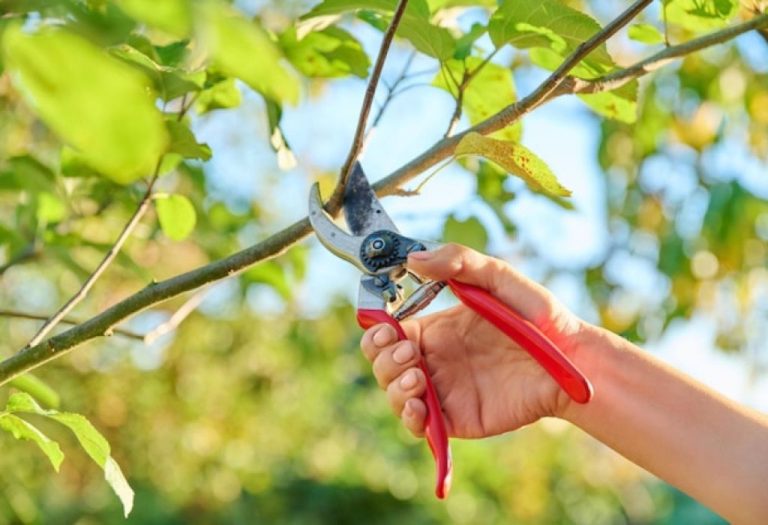
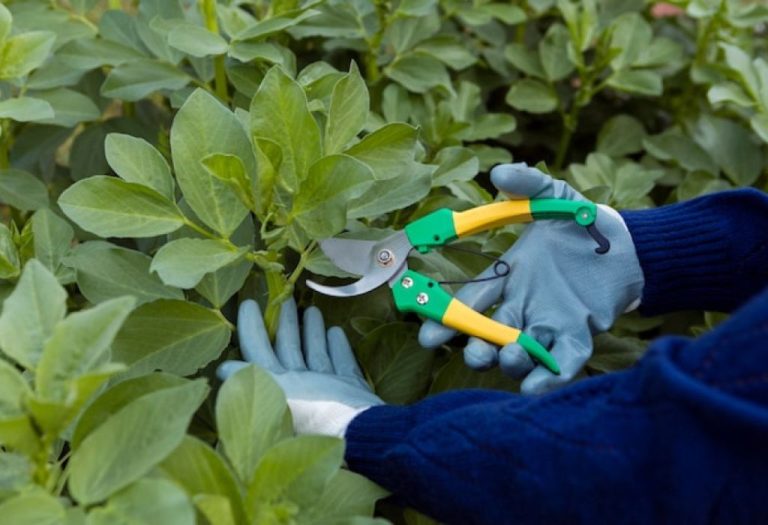
Pruning shears are essential tools for gardeners, but opening the bolt for maintenance can be tricky. Improper handling may strip threads, damage springs, or reduce the tool’s lifespan.
Understanding the correct method ensures safe disassembly and preserves the integrity of the shears. Proper maintenance keeps blades sharp, pivot mechanisms smooth, and pruning efficient.
Many gardeners struggle with loosening stuck bolts without causing damage. According to Better Homes & Gardens, properly maintained pruning tools can last up to 10 years longer, improving cutting efficiency and reducing the risk of plant damage (source).
Using the right tools and techniques prevents common mistakes, such as stripping threads or misaligning springs. Safe disassembly not only extends the life of pruning shears but also makes sharpening, cleaning, and adjustments easier.
Understanding the Pruning Shear Bolt

The bolt in pruning shears is a critical component that holds the blade and handle together. It also controls the tension of the spring mechanism, which ensures smooth opening and closing of the blades.
Different pruning shears may use various types of bolts, including threaded, hex, or nut-and-bolt assemblies. Understanding the type of bolt is essential for safe disassembly and maintenance.
Incorrect handling of the bolt can strip threads, misalign the spring, or damage the blade. Knowing how the bolt interacts with the pivot mechanism reduces the risk of tool failure.
Regular maintenance of the bolt, including cleaning and lubrication, prevents rust and corrosion. Proper care ensures that the pruning shears remain functional and safe for repeated use.
Recognizing the structure and function of the bolt sets the foundation for safe disassembly. A clear understanding helps gardeners open the bolt without causing damage, preparing the shears for cleaning, sharpening, or repair.
Tools Required for Opening the Bolt
Using the right tools is crucial to open the bolt on pruning shears without causing damage. Common tools include wrenches, pliers, lubricating oil, a clean cloth, and protective gloves.
Safety equipment such as goggles and gloves protects against metal fragments and accidental cuts. Working on a stable, well-lit surface further minimizes the risk of injury.
Optional tools, like a thread locker or rust remover, can aid in reassembly and restore corroded bolts. Preparing all necessary tools beforehand ensures efficiency and reduces errors during disassembly.
Selecting the correct size of wrench or pliers is essential. Using the wrong tool can strip the bolt head or apply uneven pressure, compromising the pruning shears.
Proper preparation with the right tools establishes a safe and controlled environment. This allows gardeners to open the bolt efficiently while protecting the blade, spring, and pivot mechanism.
Step-by-Step Guide to Opening the Bolt
Start by cleaning the exterior of the pruning shears. Removing dirt and debris prevents contamination and ensures a smoother disassembly process.
Apply lubricant to the bolt threads. This reduces friction, making it easier to loosen the bolt without stripping or damaging it.
Use the correct wrench or pliers to turn the bolt slowly. Avoid excessive force to prevent rounding the bolt head or misaligning the pivot.
Carefully remove the bolt, noting the positions of washers, springs, and other small components. Organizing parts ensures easy reassembly and prevents loss.
Inspect the bolt, blade, and pivot area for wear or corrosion before reassembling. Identifying damage early allows for repairs, improving performance and safety.
Following these steps allows gardeners to open the bolt efficiently while minimizing the risk of damage to the pruning shears. Proper technique ensures smooth maintenance, sharpening, and cleaning.
Common Mistakes to Avoid

Applying excessive force when loosening the bolt can strip threads or damage the head. Controlled, gradual pressure prevents permanent damage to the pruning shears.
Failing to lubricate the bolt often results in binding or difficulty turning. Proper lubrication ensures smooth operation and protects metal components.
Misplacing small components like washers or springs complicates reassembly. Keeping parts organized avoids improper alignment and maintains tool functionality.
Using the wrong size wrench or pliers can damage the bolt. Matching the tool to the bolt type preserves integrity and prevents rounding.
Reassembling without noting blade alignment or spring tension compromises performance. Correct positioning ensures smooth blade movement and prolongs tool life.
Recognizing and avoiding these common mistakes helps gardeners safely open the bolt while maintaining pruning shear functionality, longevity, and safety.
Maintenance After Opening the Bolt
After opening the bolt, clean the blades, handles, and pivot area thoroughly. Removing dirt, sap, and rust ensures smooth operation and prevents corrosion.
Sharpen the blades if they are dull. Maintaining a keen edge reduces effort during pruning and protects plant stems from tearing.
Apply protective oil to the blade and pivot area. Lubrication prevents rust and ensures consistent blade movement for optimal cutting performance.
Check spring tension and bolt tightness during reassembly. Proper tension ensures smooth opening and closing without compromising safety.
Regular maintenance after bolt removal prolongs the lifespan of pruning shears. It keeps the tool functional, efficient, and safe for repeated use in gardening tasks.
Reassembling the Pruning Shears Safely
Begin by placing washers, springs, and other components in their correct positions. Proper alignment ensures smooth operation and prevents misplacement during reassembly.
Insert the bolt carefully and tighten gradually using the correct wrench or pliers. Avoid over-tightening to prevent stripping threads or damaging the blade.
Check the blade alignment and spring tension before fully tightening the bolt. Ensuring correct positioning guarantees efficient cutting and safe usage.
Test the shears by opening and closing the blades. Smooth, consistent movement indicates successful reassembly and proper maintenance.
Minor adjustments may be necessary to achieve optimal tension and blade alignment. Proper reassembly preserves the integrity of the pruning shears and extends their useful life.
Safety Tips During Disassembly
Always wear gloves and protective eyewear when opening the bolt on pruning shears. Sharp blades and metal fragments can cause serious injuries.
Work on a stable, well-lit surface to maintain control. A secure workspace reduces the risk of slips or accidents while handling the tool.
Keep small components organized to prevent loss. Washers, springs, and bolts can be easily misplaced, affecting reassembly and tool performance.
Avoid distractions during disassembly. Focused attention minimizes mistakes that could damage the blade or pivot mechanism.
Take breaks if needed to maintain focus and reduce fatigue. Tired hands increase the likelihood of accidents or improper handling.
By following these safety tips, gardeners can disassemble pruning shears efficiently and securely, preparing the tool for maintenance or repair.
When to Seek Professional Help

Some pruning shears may require expert attention when the bolt or pivot is severely damaged. Stripped threads or bent components are difficult to repair without specialized tools.
Broken or misaligned springs can compromise the functionality of the shears. Professional repair ensures that the blade moves smoothly and safely after reassembly.
Severely rusted or corroded bolts may not loosen even with proper lubrication. Attempting forceful removal can damage the tool further.
Repeated loosening without progress indicates that a professional assessment is needed. Experts can restore or replace components to maintain safe and reliable operation.
Seeking professional help ensures the pruning shears remain functional, safe, and efficient. It prevents permanent damage and prolongs the life of the tool for ongoing gardening use.
Conclusion
Opening the bolt on pruning shears correctly is essential for safe maintenance, effective cleaning, and long-lasting performance. Proper technique prevents damage to the blade, pivot mechanism, and springs, ensuring reliable pruning.
Using the right tools, lubricants, and safety equipment minimizes the risk of injury and preserves the integrity of the shears. Regular inspection and maintenance after disassembly prolong the tool’s lifespan and improve cutting efficiency.
Avoiding common mistakes such as over-tightening, stripping threads, or misaligning components ensures the pruning shears function smoothly. When necessary, seeking professional help prevents permanent damage and restores optimal operation.
By following these expert guidelines, gardeners can maintain their pruning shears safely, efficiently, and effectively. Take action today to inspect, disassemble, clean, and reassemble your tools for safer and more precise pruning.

I’m Maya L. Greenwood, a lifelong plant lover who believes anyone can grow something beautiful with the right guidance. After years of testing soil mixes, pruning methods, irrigation tricks, and pest-safe solutions, I started EasyGardenTips.com to turn hard-won lessons into step-by-step advice. From seed starting and container gardens to composting and seasonal checklists, my goal is to make gardening simple, sustainable, and fun.