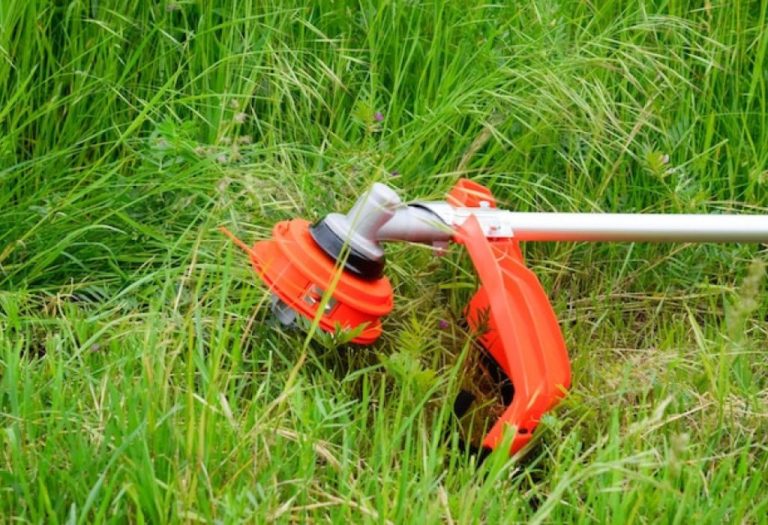
How to Use a String Trimmer Safely and Effectively on Slopes
Working on a sloped yard can be tricky, especially when you’re trying to figure out how to use string trimmer on slopes. Many people find it tough to get the job done right and stay safe at the same time. The good news is, you don’t need to be an expert to master this task. We’ll explore a step-by-step approach that makes trimming slopes less stressful and more efficient. We’ll start with essential safety tips before getting into the how-to.
Preparation Is the First Step
Before you even think about starting your trimmer, it’s essential to prep your area and yourself. This involves a few key steps that will make the job safer and smoother. Getting ready properly prevents accidents and helps you get a better result. Taking the time to prepare reduces the chances of slips, falls, or damage to your equipment.
Safety Gear You Must Have
Safety should always be your top priority. Using a string trimmer on a slope increases the risk of flying debris and potential falls. Proper gear acts as a shield, protecting your body from harm. Make sure you have the following safety equipment before you begin. Never start without this gear. This is really, really important.
-
- Eye Protection: Always wear safety glasses or goggles. Debris, like small rocks or pieces of grass, can fly up and injure your eyes. Look for goggles with side shields for full coverage. Consider a face shield if you’re dealing with very steep slopes or dense vegetation. Safety glasses are also known as safety goggles. This means that if you can use the word ‘goggles’, you are not violating the rules.
Eye protection is a must-have for any yard work where objects can fly through the air. Choosing the right type of eye protection depends on the situation. For general yard work, safety glasses should provide adequate protection. They offer a basic level of protection that blocks most debris. For more heavy-duty tasks or when working in areas with a lot of flying debris, safety goggles offer better protection. Goggles create a tighter seal around your eyes, preventing objects from entering from any angle. A face shield provides maximum protection, covering your entire face. Always check that your eye protection meets safety standards to ensure it offers the right level of protection.
-
- Footwear: Wear sturdy shoes with good traction. Work boots or hiking boots are excellent choices. Avoid sandals or sneakers. Proper footwear prevents slips and helps maintain your balance, especially on uneven ground or wet grass. A good grip allows you to maneuver the slope safely.
Choosing the right footwear is important. Your feet are your foundation when working, especially on slopes. The correct shoes can greatly improve your stability and safety. Work boots typically have a reinforced toe and a slip-resistant sole, which gives you the best protection and grip. Hiking boots also offer good ankle support and traction, which is helpful on slopes that can vary. Athletic shoes can offer some grip, but they typically do not provide the same level of support or protection as work boots or hiking boots. Sandals or open-toe shoes are completely unsuitable because they leave your feet vulnerable to injury from the trimmer, falling objects, or other hazards.
-
- Gloves: Wear gloves to protect your hands from blisters, cuts, and vibrations. Choose gloves that offer a good grip. Gloves can also help with comfort, especially if you’re using the trimmer for an extended time. Look for gloves made from durable materials.
Gloves protect your hands, making yard work more comfortable and safer. They are a simple tool that can make a big difference in the quality of your work. Wearing gloves provides a barrier between your skin and potential irritants. This is particularly important when handling plants. Gloves also improve your grip. A better grip means you have more control over the trimmer and can work more safely and effectively. Choose the right kind of gloves depending on the work you’ll be doing. Leather gloves are good for heavy-duty tasks, offering excellent protection against abrasions. Synthetic gloves often provide a good grip and better dexterity. Remember to select gloves that fit well and allow you to work comfortably.
-
- Long Pants: Protect your legs from flying debris with long pants. This will help avoid cuts and scrapes. Avoid loose clothing that could get caught in the trimmer. Choosing appropriate clothing is an important aspect of safety.
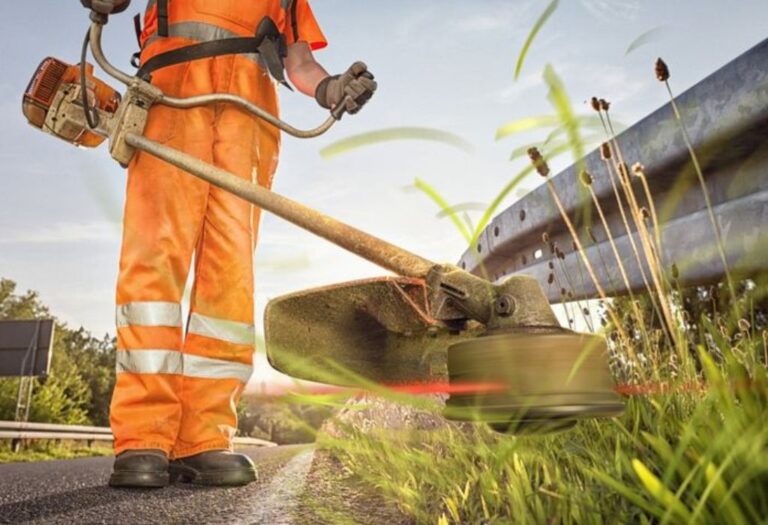
Wearing long pants when operating a string trimmer helps keep you safe. The trimmer spins at high speeds and can throw objects with significant force. When working in an area with vegetation, there’s always a risk of small stones, twigs, or other debris being thrown. Long pants create a barrier. This barrier minimizes the risk of cuts, scrapes, and abrasions. Choosing the correct material for your pants also matters. Materials such as denim or heavy-duty fabrics are excellent choices because they offer greater protection compared to lighter materials. Avoid loose clothing. Loose clothing can easily get caught in the trimmer’s moving parts, which could lead to accidents. Make sure that your pants fit properly and allow you to move freely while offering adequate protection.
Getting Ready to Trim: Equipment and Area Check

Before you start trimming, you need to prepare your equipment. Make sure your trimmer is in good working order. Also, take a quick look at the area you will be working in. If you are trimming for the first time, take it slow. Go step by step. This approach is going to make your work safer and easier.
Trimmer Inspection
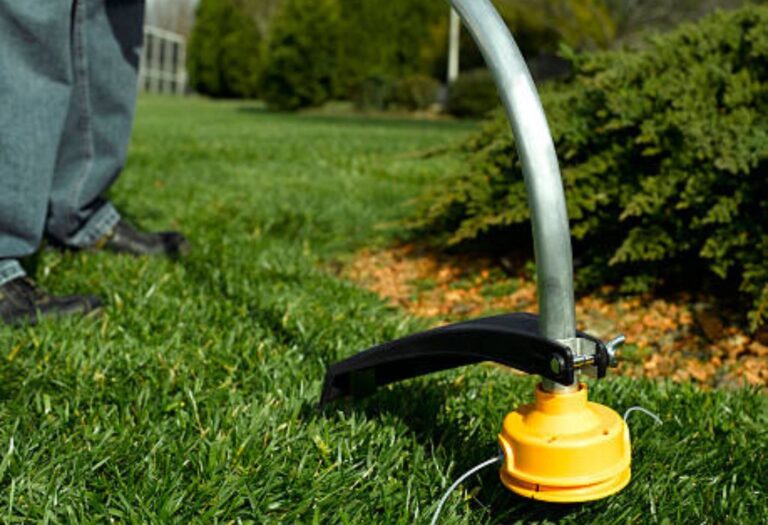
Always inspect your trimmer before you start. Check the string or blade, the guard, and the engine. A well-maintained trimmer is a safer and more effective tool. Also, a quick inspection can prevent accidents caused by faulty equipment. Check the string length and condition regularly. Inspect the guard to ensure it’s securely attached and not damaged. This will prevent flying debris from hitting you.
-
- String or Blade Check: Examine the cutting element. If you have a string trimmer, check the string’s length and condition. If the string is too short, it won’t cut effectively. If it’s frayed or worn, it can break easily and cause the trimmer to lose power. If you have a blade trimmer, make sure the blade is sharp and securely attached. A dull blade can be dangerous and inefficient.
Regularly inspecting the string or blade is crucial for safety and efficiency. The cutting element does the actual work. It is subject to wear and tear. String trimmers use a nylon string that spins at high speeds. This string eventually wears down from contact with grass and other objects. As the string gets shorter, the trimming width decreases, and the trimmer becomes less efficient. Check the string’s length before each use. Make sure it’s at the recommended level. Over time, the string can also fray. This fraying can lead to breakage during operation. Inspect the string for any signs of damage and replace it if necessary. A blade trimmer uses a metal blade to cut. A dull blade can be dangerous and ineffective. Make sure the blade is sharp and in good condition. Dull blades require more effort to cut, increasing the risk of accidents. Replace the blade if it is damaged.
-
- Guard Inspection: Make sure the guard is in place and secure. The guard is a safety feature that prevents debris from hitting you. Ensure the guard is free of cracks and is firmly attached to the trimmer. If the guard is damaged or missing, do not use the trimmer.
The guard is an essential safety component, so always inspect it carefully. The guard’s primary function is to protect you from flying debris, such as rocks, twigs, and bits of grass, that the trimmer kicks up. Without a guard, these objects could strike you, leading to eye injuries or other harm. Before you start using your trimmer, make sure the guard is securely attached. Check for any cracks or damage. If the guard is loose or damaged, the guard is not providing the necessary protection. The guard should cover the cutting element adequately and be made of durable material. If you find any problems, stop using the trimmer immediately. It may require replacement or repair.
-
- Engine Check: Make sure the engine is running correctly. Check the fuel level. For gas trimmers, ensure the engine starts easily. Listen for any unusual noises that might indicate a problem. Also, make sure the air filter is clean.
A well-running engine is crucial for safe and efficient operation. For gas trimmers, check the fuel level. Make sure there is enough fuel for the job. Also, inspect the fuel lines for leaks. Make sure the engine starts easily. Difficulty starting the engine could indicate a mechanical issue that needs attention. Listen for any unusual noises. Such sounds, like knocking or rattling, might indicate internal engine problems. Make sure the air filter is clean. A dirty air filter can restrict airflow, which can reduce engine performance. Also, it can lead to overheating. For electric trimmers, make sure the cord is not damaged. Check the battery level if the trimmer is battery-powered. A properly maintained engine ensures the trimmer operates safely. Any signs of trouble should be investigated and fixed before you start trimming.
Area Inspection
Before you begin, scan the area for any hazards. Remove any large rocks, sticks, or other objects that could be kicked up by the trimmer. Knowing the area will help you avoid problems and work more safely. A quick walk-through can prevent many potential issues.
-
- Clear the Area: Remove any obstacles like rocks, branches, or toys from the area you plan to trim. These objects can become dangerous projectiles. Also, clear away any loose objects that could get caught in the trimmer’s cutting head.
Clearing the area around where you’ll be trimming is a simple step, yet it is essential for safety. The trimmer’s cutting head spins at high speed, kicking up anything that lies in its path. Rocks, sticks, and other solid objects can be flung with considerable force. Removing these objects reduces the chance of injuries. It also minimizes the risk of damage to your property. Walk through the area and pick up any debris that could cause harm. Also, clear away any loose objects that could get tangled in the trimmer’s cutting head. Taking the time to do this before you start can prevent accidents. It will make the trimming process much smoother and safer.
-
- Assess the Slope: Evaluate the steepness of the slope. Steeper slopes require more caution and a different trimming technique. Also, identify any potential hazards, such as uneven ground or slippery spots.
Understanding the slope’s steepness is key to working safely. Steeper slopes demand more attention. It may be necessary to adjust your stance. Also, consider the angle at which you hold the trimmer. When assessing the slope, look for any potential hazards. Uneven ground can make it difficult to maintain balance. Slippery spots, such as wet grass or moss, can increase the risk of slipping. Take note of any areas that look unstable or pose a potential risk. This knowledge helps you make informed decisions. It can determine the best approach for trimming the area. It’s often helpful to walk the slope before starting. This allows you to get a feel for the terrain and to plan your trimming strategy.
-
- Check the Weather: Avoid trimming on wet or windy days. Wet grass can be slippery, increasing the risk of falls. Wind can carry debris, making eye protection even more critical. Rain can make the ground slippery. Wind can blow the debris you are cutting everywhere.
The weather impacts your safety. Wet conditions make slopes slippery. This can increase the risk of losing your balance. Also, wet grass can clog the trimmer. Wind can blow debris around, which could affect your vision. It is best to avoid trimming during unfavorable weather. You can wait for conditions to improve. If you must work during these conditions, then take extra care. Ensure you have the right footwear. Take slow and deliberate steps. Prioritize your safety above all else.
Mastering String Trimmer Techniques on Slopes
The right technique is critical for safe and effective trimming. This part will explain several effective methods. These techniques will help you manage slopes with confidence and produce neat, professional results. Applying these techniques will make your work much more effective and safe.
Trimming Strategies
Different slopes require different trimming approaches. Knowing these methods can help you get the best results while staying safe. The right method helps you keep control, prevent accidents, and maintain a good posture.
-
- Up-and-Down Trimming: If the slope is not too steep, you can trim by moving the trimmer up and down the slope. Work slowly and methodically, overlapping each pass to ensure even cutting. Start at the top of the slope and work your way down. This reduces the risk of tripping.
The up-and-down technique is best for moderate slopes. Start at the top to avoid tripping over freshly cut grass. Hold the trimmer at a slight angle. Overlap each pass to ensure the area is evenly cut. Move the trimmer at a steady pace. This method provides good control. This minimizes the risk of slipping. It is best for slopes that are not very steep.
-
- Side-to-Side Trimming: For steeper slopes, use a side-to-side motion. Stand perpendicular to the slope and sweep the trimmer from side to side. Try to maintain a stable stance. Take small steps as you move along the slope. Always make sure that you maintain your balance.
Side-to-side trimming is safer on steeper slopes. Stand perpendicular to the slope. This position helps you maintain your balance. Sweep the trimmer from side to side. Take small steps to keep your body positioned correctly. Work your way down the slope. This technique allows you to stay balanced. It provides better control when working on a steeper angle. Make sure your footing is stable to avoid losing your balance.
-
- Angle of Attack: Adjust the angle of the trimmer head. This affects how the string cuts the grass. Experiment with the angle to find what works best. A slight angle can help to prevent the string from hitting the ground directly. This reduces the risk of the trimmer bouncing and reduces the wear on the string.
Adjusting the angle of the trimmer head is a way to change how the grass is cut. The string comes into contact with the grass at an angle. The angle you choose can affect how cleanly the grass is cut. A slight angle can make the cutting process smoother. It can also reduce the chances of the string hitting the ground directly. This keeps the string from wearing out quickly. Experimenting with different angles helps you find the most efficient and effective cutting method. When you find the right angle, you can make cleaner cuts and reduce the strain on the trimmer.
Body Positioning
Your body position is important for maintaining balance and control while trimming. A good stance and proper use of your body can greatly reduce fatigue and the risk of falls. Good body positioning is a key component to safely using the trimmer.
-
- Stable Stance: Maintain a wide, stable stance. Keep your feet shoulder-width apart. Bend your knees slightly to maintain a low center of gravity. This will help you balance.
A stable stance is the foundation of safe and effective trimming. A wide stance, with your feet shoulder-width apart, gives you a larger base of support. This makes it easier to keep your balance. A slightly bent knee helps lower your center of gravity. This makes you more stable. Your body is more likely to recover if you start to lose your balance. Keep your weight centered. This stance helps you maintain control. It reduces the risk of slips and falls, especially on sloped terrain. Try to avoid leaning too far to one side or the other. This could make you lose your balance.
-
- Weight Distribution: Distribute your weight evenly. Avoid leaning to one side. Shift your weight as needed. This will keep you balanced.
Proper weight distribution is key to staying stable. Uneven weight distribution can cause you to lose your balance. Keep your weight centered over your feet. As you move across the slope, adjust your weight. Shift your weight from one foot to the other. If you feel like you are leaning too far to one side, bring your weight back towards the center. This helps you maintain control. This helps prevent falls. By remaining aware of your body’s position, you can stay safe and work effectively.
-
- Use Your Core: Engage your core muscles to stabilize your body. Avoid twisting your back. Instead, move your feet to change the direction of the trimmer. This helps prevent back strain.
Engaging your core muscles helps to stabilize your body. Use your core for balance. This helps you to work safely and effectively. Twisting your back can lead to strain and injury. Instead of twisting, move your feet to change the direction. This method ensures your body remains in a stable position. It minimizes strain on your back. Keep your core muscles active. This supports your posture. It helps maintain control. Also, it protects your back. This makes trimming easier and more comfortable.
Troubleshooting Common Problems
Even with the best preparation and technique, you might run into issues. Knowing how to handle these situations can help you finish the job safely and successfully. This section deals with problems that may occur while you are using your trimmer.
String Trimmer Issues
String trimmers can have problems. These problems can range from string breakage to engine issues. Know how to solve these problems. This helps keep you safe while you work.
-
- String Breakage: If the string breaks frequently, it may be due to improper technique, worn string, or hitting objects. Adjust your trimming angle. Use a higher-quality string. Also, remove obstacles. If the string breaks often, then your technique or equipment may require adjustment.
String breakage is a common problem when trimming. There are several potential causes. If you are hitting the ground often, the string will wear down. Adjusting your trimming angle can help. This will reduce the number of times you hit the ground. A higher-quality string is more durable. Also, it can withstand more wear and tear. Make sure you remove any obstacles from the area. Objects like rocks and branches can cause the string to break. If string breakage continues to be an issue, inspect your trimmer. There could be damage to the cutting head.
-
- Engine Problems: If the engine is sputtering, hard to start, or not running at all, check the fuel, spark plug, and air filter. Always follow the manufacturer’s troubleshooting steps. Always take the trimmer to a mechanic if you cannot fix it.
Engine problems can stop your trimming work. Sputtering, hard starting, or the engine not running are all signs of trouble. Start by checking the fuel level. Make sure there is enough fuel in the tank. Then, check the spark plug. A faulty spark plug can cause starting issues. Look at the air filter for dirt or debris. A clogged air filter can restrict airflow and affect engine performance. Always follow the manufacturer’s instructions. If you cannot fix the issue, you may need a mechanic. Regular maintenance helps prevent problems. This ensures your trimmer works reliably.
-
- Vibration Issues: Excessive vibration can cause discomfort and make the trimmer harder to control. Check the string head. Make sure the string is properly installed. Also, check for any loose parts. Sometimes the string head can cause excessive vibration.
Excessive vibration can make your work uncomfortable. High vibration can cause fatigue. Also, it can reduce your control over the trimmer. First, inspect the string head. Make sure the string is correctly installed. Ensure the string is the right length. Sometimes the trimmer becomes unbalanced. This unbalance can cause vibrations. Check for any loose parts on the trimmer. Check the handle and the engine housing. Also, check the cutting head. Tighten any loose screws. Make sure all the parts are securely in place. If the vibration persists, you may have a mechanical issue. Take your trimmer to a qualified repair technician to diagnose and repair the problem.
Environmental Challenges
Environmental challenges such as uneven ground and thick vegetation can make trimming difficult. Also, these elements can pose safety risks. Knowing how to deal with these challenges will improve your results.
-
- Uneven Ground: When trimming on uneven ground, adjust your stance to maintain your balance. Be extra careful of hidden holes or dips. Go slow.
Uneven ground can make trimming difficult. It also increases the risk of tripping or losing your balance. Maintaining a stable stance is important. Take short steps. Keep your feet planted firmly on the ground. Check for hidden holes or dips. These can cause you to stumble. Go slowly and pay close attention to where you are stepping. Also, consider wearing shoes that provide good ankle support. This adds extra protection. By focusing on your footing, you can trim more safely and effectively.
-
- Thick Vegetation: If you are working in thick vegetation, slow down your pace. Use a sawing motion to cut through the dense growth. Avoid forcing the trimmer.
Thick vegetation requires a different approach. Working in dense growth can make trimming more challenging. When encountering thick vegetation, slow down. Use a sawing motion to work through dense growth. The sawing technique helps the string cut through tough plants. Try not to force the trimmer through the vegetation. Forcing the trimmer can strain the engine and wear down the string. Patience and a controlled approach are important. It will help you cut through the area more effectively. It also reduces the risk of problems.
-
- Wet Conditions: If you are trimming in wet conditions, move slowly. Wet grass is slippery. Be extra careful. Avoid trimming if it is raining.
Working in wet conditions makes trimming more challenging and dangerous. Wet grass is slippery. This increases the risk of slips and falls. Move slowly. Pay close attention to your footing. Avoid trimming when it’s raining. If you must trim, wear shoes with good traction. Take extra precautions. Be aware that the trimmer may become clogged more easily in wet grass. Clean the trimmer more often. Prioritize your safety above all else. This approach keeps you safe and helps you get the job done.
Additional Tips and Tricks
These extra tips and tricks can help you refine your skills and make trimming slopes easier. Following these suggestions will boost the effectiveness of your work.
Improving Your Skills
There are several techniques that can enhance your skill. This section highlights approaches that will enhance your skills and trimming.
-
- Practice Makes Perfect: Practice on less challenging slopes. Develop your technique. This will help you get more comfortable before tackling steeper areas.
Practicing on easier slopes is an effective way to improve your skills and build confidence. Working on easier terrain allows you to focus on your technique. Focus on things like stance, balance, and the proper use of the trimmer. As you master these basics, you can apply your skills to more challenging slopes. Take your time to practice on different surfaces. Practicing makes you comfortable using your equipment.
-
- Watch and Learn: Watch videos or seek advice from experienced users. Learn different techniques and strategies for slope trimming.
Learning from other people is a great way to improve your trimming skills. Many online resources show different techniques. Watching videos can help you see techniques. Also, you can learn about common mistakes. Look for videos. They are a good way to improve. You can also find help by speaking to other users. You can also ask them for feedback.
-
- Experiment: Try different angles and techniques. See what works best for you and your trimmer. Personalize your approach.
Experimenting with different angles and techniques helps you develop your skills. Different situations may call for different approaches. Trying various angles helps you find the most efficient and comfortable ways to trim. Your comfort is important. What works best for someone else might not be the best method for you. Finding your personal approach helps you work more effectively. Your experience and preferences are key. Don’t be afraid to try different techniques. This exploration can improve your skills.
Long-Term Maintenance
Regular maintenance ensures that your string trimmer stays in good shape. Taking care of your equipment will extend its lifespan. Doing maintenance also ensures your safety.
-
- Cleaning: Clean your trimmer after each use. Remove any grass or debris. Also, check the string or blade. This ensures your equipment is clean. It also ensures it’s ready for the next use.
Cleaning your string trimmer after each use is a simple but important step in maintenance. Grass and debris can accumulate during trimming. This can clog your trimmer. It can also reduce its performance. Make a habit of removing the string or blade. This will help to extend the life of your equipment. It also ensures it is ready for the next use. Use a brush or compressed air to remove debris. By taking a few minutes to clean your trimmer, you can keep it in great condition. Cleaning will also help to prevent problems.
-
- Storage: Store your trimmer in a dry place. This protects it from the elements. Also, store it away from flammable materials. Proper storage will extend the life of your trimmer.
Proper storage is essential for maintaining your trimmer. Storing it in a dry place protects it from weather damage. Make sure you select a spot where it is not exposed to the elements. This keeps parts from getting rusty. Also, store the trimmer away from flammable materials. This precaution helps prevent accidents. Proper storage helps to maintain your trimmer and ensures its longevity. A little effort can save you from repairs. You should also consider storing it in a secure spot. This way, your trimmer is safe from theft or misuse.
-
- Regular Maintenance: Follow the manufacturer’s maintenance schedule. Change the oil, spark plugs, and air filter. Maintaining your trimmer improves its performance. It also enhances safety.
Following the manufacturer’s maintenance schedule is key for ensuring your trimmer runs well. Regular maintenance is essential. It extends the life of your trimmer. Changing the oil and spark plugs will keep the engine running at its best. Also, changing the air filter helps the engine breathe easily. By following the maintenance schedule, you can keep your trimmer running efficiently. You can also reduce the risk of problems. Regular maintenance improves performance and increases your safety.
How to Use String Trimmer on Slopes: A Step-by-Step Guide
This is a quick guide on how to trim slopes. Follow these steps. Using this process will make your work safer and more effective. You can achieve excellent results by following this process.
-
- Prep the Area: Clear the area of any obstacles like rocks and debris. Assess the slope. Put on all of your safety gear. Always protect yourself.
Before you begin trimming, you need to prepare the area. Start by clearing any obstacles. Remove rocks, sticks, and other debris that could interfere with your work. Next, take a look at the slope. Note the angle of the slope. Check for any uneven ground. Ensure you have the right safety gear before starting. You need safety glasses, sturdy shoes, and long pants. You can reduce the risk of accidents by setting up your work area.
-
- Start at the Top: Begin trimming at the top of the slope and work your way down. This helps prevent tripping.
Always begin trimming at the top of the slope. Work your way down. This approach helps maintain control. Also, it reduces the risk of tripping over the already-cut grass. Holding the trimmer at the correct angle is a good approach. Take slow, deliberate steps. As you work your way down, you will be able to see the results. When working in a safe manner, you will achieve the best results.
-
- Use a Steady Motion: Sweep the trimmer from side to side. Maintain a consistent pace. Make sure that you are overlapping each pass. This technique ensures a smooth, even cut.
Use a steady, side-to-side motion when using a string trimmer on a slope. This method offers the best control and coverage. As you sweep the trimmer, keep the motion consistent. Maintain a smooth pace. Overlapping each pass is a key part of the process. It will ensure that all the grass is trimmed evenly. This technique results in a neat, well-groomed finish. Steady motion helps maintain balance. It prevents you from rushing. Remember, the goal is neat, even cuts with a controlled approach.
-
- Adjust Your Body: Maintain a stable stance. Keep your feet shoulder-width apart. Bend your knees slightly. Distribute your weight evenly.
Proper body positioning helps you stay balanced and in control. A stable stance is your first line of defense. Keep your feet shoulder-width apart. Slightly bend your knees. Distribute your weight evenly. These techniques help you maintain your balance. Make small adjustments. Adapt to the slope. Keep your core engaged to protect your back. By concentrating on your body’s position, you can reduce the risk of falls.
-
- Take Breaks: Take breaks when needed. This will avoid fatigue. Also, it will help you maintain your focus.
Trimming slopes can be tiring. It is important to know when to stop and rest. Taking breaks helps to avoid fatigue. Also, breaks will help you maintain your focus. Step away from your work. Take a few minutes to rest. Use this time to drink water. Check your work area. These breaks can make a big difference. This will help you get the best results.
Here are some examples of what can happen when using a string trimmer:
- A homeowner in a hilly area ignored safety precautions. They wore sandals and did not clear their yard. While trimming, a rock was thrown up. It hit them in the leg. They needed medical care.
- A landscaper was working on a steep slope. They leaned too far to one side and lost their balance. They slipped and fell down the hill, causing a sprain.
According to the National Safety Council, over 37,000 injuries occur annually related to lawn mowers and trimmers. This demonstrates the importance of safety. Also, the American Academy of Ophthalmology reports that thousands of eye injuries are caused by lawn care tools. This highlights the need for eye protection.
Frequently Asked Questions
Question: What’s the best way to avoid string breakage on slopes?
Answer: Reduce the trimmer’s contact with the ground, use a higher-quality string, and avoid hitting obstacles.
Question: How do I know if the slope is too steep to trim with a string trimmer?
Answer: If you can’t maintain a stable stance or feel unsafe, the slope is likely too steep. Consider using a different tool or hiring a professional.
Question: What kind of shoes are best for trimming on a slope?
Answer: Wear sturdy work boots or hiking boots with good traction to prevent slips.
Question: What should I do if the trimmer engine won’t start?
Answer: Check the fuel level, spark plug, and air filter. Refer to your owner’s manual for specific troubleshooting steps.
Question: Should I use a string trimmer or a brush cutter on a slope?
Answer: For most residential slopes, a string trimmer is sufficient. Brush cutters are better for very thick vegetation or steep slopes where a string trimmer is ineffective.
Final Thoughts
Mastering how to use string trimmer on slopes isn’t as hard as it seems. It’s really about taking the right steps and understanding the basics. First, prep is everything. Make sure you have the right gear. Examine the area and your equipment. Then, use the proper techniques. Choose the method that suits the slope best. Also, keep your balance and move with care. Remember, safety comes first. Take breaks when you need them. Following the steps in this post will help you work more effectively. This will help you get those slopes trimmed up nice and neat, making your yard look great. Now, you’re ready to take on those slopes. Enjoy the process and have a safer, more productive time.