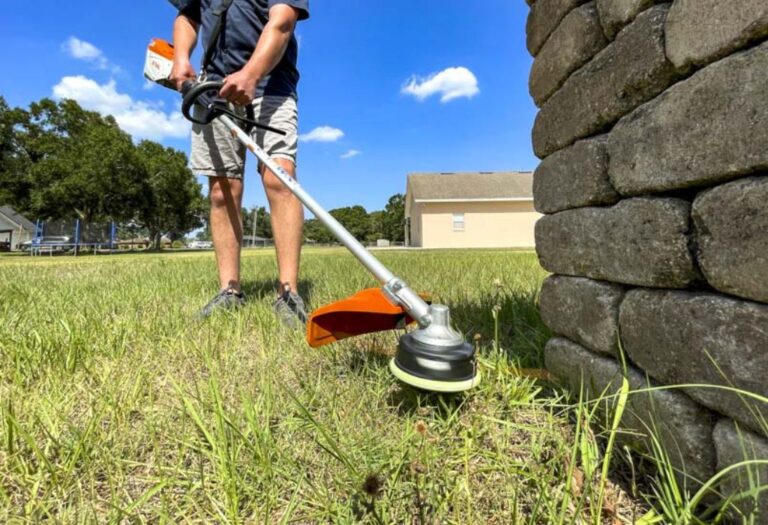
String Trimmer String Melting Problems Solved Step By Step
Having your string trimmer string melting on spool is a super common headache, especially when you’re just starting out. It can be frustrating when you’re trying to get your yard looking nice, and your trimmer keeps messing up. Don’t worry, though! It’s usually a simple fix, and we’re here to help you get your trimmer running smoothly. We’ll explore the main reasons this happens and offer a straightforward, step-by-step method to fix the issue. Let’s get right into it.
What Causes String Trimmer String Melting?
The problem of string trimmer string melting is often related to a few primary causes. It’s like a puzzle with several pieces that need to fit together. One significant factor is the type of string used. If the string is too thin or not designed for the heat generated by the trimmer’s motor, it’s more prone to melting. The speed at which the trimmer spins can also play a major role. Faster speeds often create more friction, leading to heat build-up within the spool. Additionally, the type of grass and the overall load on the trimmer influence this. Finally, the design of the spool head itself can affect this issue. Poor ventilation or improper alignment can cause the string to overheat. By exploring these areas, you will better comprehend how to prevent string melting.
String Type and Diameter Impact
The type and diameter of the string used in a string trimmer significantly affect its performance and lifespan. Different string materials have varying melting points and resistance to friction. For instance, nylon-based strings are popular because they are cost-effective and work well for many common tasks. However, these can melt at a lower temperature compared to more durable options. The diameter, or thickness, of the string affects how much heat it can handle. Thinner strings tend to melt faster because they have less material to absorb and dissipate heat. Using the right string will allow for a better experience. Selecting the right type and diameter will stop your string trimmer string melting on spool.
- Nylon Strings: These are the most common and come in various shapes (round, square, twisted). They are good for light to medium-duty trimming.
- Co-Polymer Strings: Offer better durability and a higher melting point than standard nylon strings. This makes them good for heavy-duty work and longer run times.
- String Diameter: Thicker strings are usually more durable and better for cutting through tough weeds and thick grass. They also handle heat better.
- String Shape: Some shapes, like twisted or serrated strings, cut more efficiently and can generate less heat.
Choosing the correct string type is vital. Using the wrong type can lead to melting, breakage, and reduced cutting performance. Always consult the trimmer’s manual for recommended string types and diameters. This helps ensure that you use the right string to meet your trimming demands. For example, a homeowner with a small yard might find that a round, 0.065-inch nylon string is sufficient. Whereas, a professional landscaper might choose a thicker, co-polymer string in a square or twisted shape to tackle tough jobs.
Engine Speed Influence
The engine speed of a string trimmer is another important factor that causes the string to melt. Engine speed is measured in revolutions per minute (RPM). The faster the engine spins, the more friction is generated between the string and the vegetation it cuts. This friction produces heat, which can lead to string melting, especially at high speeds. This is not always bad; the benefit of higher RPM is increased cutting efficiency. Knowing your trimmer’s engine speed settings can help prevent string melting. Knowing how engine speed affects the string’s life allows you to optimize your trimming routine.
- Low Speed Settings: These are suited for light trimming and around delicate plants. They generate less heat, which reduces the chance of melting.
- High Speed Settings: These are better for thick grass and weeds. However, they increase friction and heat, so it is necessary to monitor the string carefully.
- Throttle Control: Variable speed trimmers allow you to adjust the engine speed. This can help you find a balance between cutting performance and string longevity.
- User Technique: The way you use the trimmer affects engine speed. Avoid forcing the trimmer into dense vegetation, as this increases the load on the engine and can cause the string to melt.
Different types of trimmers may have different engine speed characteristics. For example, battery-powered trimmers often have multiple speed settings, offering flexibility for various tasks. Gas-powered trimmers usually have a higher and more consistent RPM, making them effective for heavy-duty use. For battery-powered trimmers, use lower speeds to reduce heat. For gas-powered trimmers, you should maintain a steady speed. Learning how to control engine speed is key to preventing string trimmer string melting on spool.
Load and Usage Patterns
How you use your string trimmer and the load it endures play a huge role in string melting. Overloading the trimmer or using it on extremely thick vegetation forces the engine to work harder, generating more heat. Frequent starting and stopping, or abrupt changes in speed, can also contribute to the issue. The environment, including the presence of moisture, humidity, and the type of debris, has an impact. Improper usage of the trimmer can create friction, which in turn melts the string. Managing how the trimmer is loaded helps to maintain the condition of the string and extend its life. This way, you can avoid string trimmer string melting on spool.
- Cutting Through Dense Vegetation: When you try to cut too much at once, the engine works extra hard, which can overheat the string.
- Excessive Contact with Hard Surfaces: Constantly bumping the trimmer head against concrete, rocks, or other hard surfaces can cause friction and string abrasion.
- Continuous Use: Using the trimmer for long periods without breaks can lead to heat build-up.
- Improper Angle: Holding the trimmer at the wrong angle may cause the string to hit the ground or objects repeatedly, increasing friction.
Consider two scenarios. First, a homeowner tries to clear a patch of overgrown weeds in a single pass. This puts a heavy load on the trimmer, causing the string to melt quickly. Second, a professional landscaper, using the trimmer for hours. The continuous use and repetitive movements can gradually heat up the string and the spool, eventually leading to melting. Taking breaks and using the right technique can reduce these problems.
String Trimmer Spool Design and Problems

The design of the spool and the trimmer head can cause string melting, too. Poor ventilation, misalignment, and how the string is wound all make a difference. These design flaws restrict airflow, cause friction, and lead to overheating. Paying attention to these design aspects can help reduce the possibility of string trimmer string melting on spool.
Ventilation and Airflow
Good ventilation is key to stopping the string from melting. The design of the trimmer head should allow air to flow through and around the spool. This air helps to remove the heat generated by friction. If the trimmer head is sealed or poorly designed, the heat has nowhere to go. This leads to the string melting. Regular checks for blockages, like grass clippings, are needed, too. The trimmer’s design affects how well it cools itself, and it’s very important to keep this in mind. Proper airflow ensures that the string stays cool during operation.
- Ventilation Holes: Look for trimmer heads with ventilation holes. These holes help to circulate air around the spool.
- Airflow Paths: Ensure that the air intake and exhaust vents on your trimmer are not blocked by debris.
- Spool Housing: The shape and material of the spool housing can affect ventilation. Some designs allow for better airflow than others.
- Cooling Breaks: Allow your trimmer to cool down if you’re using it for extended periods. This gives the spool time to dissipate heat.
A trimmer with a fully enclosed head might trap heat, increasing the chances of the string melting. By contrast, a trimmer with an open design and strategically placed vents will allow air to flow through the spool, preventing overheating. The material of the trimmer head also plays a role. Metal heads are better at heat dissipation than plastic ones. Also, you should clean your trimmer regularly. This keeps the vents clear.
String Winding and Alignment
How the string is wound onto the spool and how the spool aligns within the trimmer head is also important. If the string is wound unevenly, it can cause friction as it feeds out, which leads to heat. The spool’s alignment within the trimmer head affects how evenly the string wears. Misalignment causes uneven string wear and more friction. The way the string is wound and the spool’s alignment impact the trimmer’s performance and the chances of string melting. Correct string winding and spool alignment help with the smooth operation of the trimmer and increase the life of your string.
- Even Winding: Make sure the string is wound evenly. Overlapping or uneven winding can cause the string to bind and create friction.
- Spool Alignment: Ensure the spool sits correctly within the trimmer head. Check the user manual for proper assembly instructions.
- String Feed Mechanism: A smooth string feed mechanism is key. Avoid systems that cause the string to get stuck or rub against the housing.
- Spool Condition: Regularly inspect the spool for damage. Cracks or deformities can affect its performance.
For example, you might be rewinding your trimmer string and wind it too loosely. This can lead to tangling inside the spool, increasing friction. Or, the spool head might be slightly misaligned. This can cause the string to rub against the inside of the head, causing it to overheat. Always follow the manufacturer’s instructions for winding string. Also, check for alignment issues during reassembly.
Trimmer Head Maintenance
Regular maintenance of the trimmer head helps prevent string melting. Cleaning out debris, checking for wear and tear, and ensuring all parts are correctly assembled will help the trimmer run efficiently. Cleaning, inspection, and maintenance increase the life of the trimmer and string. This will keep your trimmer in good condition and help to stop string trimmer string melting on spool.
- Cleaning: After each use, remove grass clippings and other debris from the trimmer head. This prevents blockages.
- Inspection: Regularly inspect the spool, the eyelets where the string feeds out, and the trimmer head for damage.
- Lubrication: Some trimmer heads may benefit from lubrication to reduce friction. Check your user manual for recommendations.
- Replacement: Replace worn or damaged parts, such as the spool or eyelets, promptly.
Imagine you’re trimming in tall grass, and the trimmer head gets packed with clippings. This restricts airflow and causes the string to overheat. By cleaning the head after use, you will reduce this problem. Or, if the eyelets through which the string feeds out become worn. The string will rub against the rough edges. Regular inspection and part replacement will make your trimmer last longer.
Troubleshooting Steps for String Trimmer Issues
Troubleshooting string trimmer problems can seem a bit difficult, but by following a step-by-step approach, you can fix issues like string trimmer string melting on spool. This approach helps you figure out the problem systematically. When you systematically check the parts and processes, it’s easier to find the root cause and apply the correct solution. Let’s look at some things you can look at to find the source of your issues.
String and Spool Inspection
The first step is checking the string and the spool for signs of damage or misuse. Inspecting the string reveals the nature of the melting, which helps to diagnose the problem. A visual check of the string and spool helps you find simple problems that are fixable. It helps ensure that you can maintain them better and prevent future issues. This quick check can save you from more complicated repairs. Knowing the condition of your string and spool lets you find and fix issues quickly.
- String Condition: Examine the string for signs of melting, fraying, or unusual wear. This shows you how the string is being used.
- String Type and Diameter: Make sure you are using the recommended string for your trimmer. The wrong string type is a common cause of melting.
- Spool Inspection: Check the spool for cracks or damage. This can affect how the string feeds.
- String Feeding: Check that the string feeds smoothly through the eyelets. Any obstruction can cause friction.
Let’s say you see that the string has melted unevenly, with more melting near the trimmer head. This could mean the string is getting too much friction. Or, if the string keeps breaking quickly, you might be using the wrong type of string for your trimmer. In both cases, examining the string offers useful insights to fix your trimmer. In the end, understanding the status of your string and spool offers a simple method to diagnose and handle string trimmer problems.
Trimmer Head Examination
Carefully examining the trimmer head helps to find issues that could be causing string melting. This inspection gives you the opportunity to address design flaws, and find damage. This allows you to improve the trimmer’s functionality and prevent further problems. Examining the trimmer head will identify issues like blockages or mechanical issues. These can cause string melting, and can be fixed with maintenance. Regularly checking the head ensures your trimmer is working well.
- Debris Removal: Clean out any grass clippings or debris that may be clogging the trimmer head. This helps with airflow.
- Eyelet Check: Inspect the eyelets where the string comes out. They should be smooth.
- Spool Housing: Examine the housing for damage or wear. This part protects the spool and the string.
- Assembly: Confirm that all parts are correctly assembled and secure. Loose parts can increase friction.
Imagine that grass and debris have blocked the vents, stopping airflow to cool the string. Cleaning the head would solve this problem. Or, perhaps the eyelets are rough. This can cause the string to snag and melt. If you find problems, replacing or smoothing the eyelets should solve the issue. Thorough examination will give you the chance to fix problems before they get worse.
Operational Adjustments and Testing
Adjusting how you use your trimmer and testing it are important for solving string trimmer string melting on spool. The way you operate the trimmer influences string performance and longevity. These adjustments provide you the means to find a suitable balance between trimming ability and string life. By making changes, you can lower the risk of string melting. Also, it’s a good idea to perform tests to make sure that the adjustments are effective. Operational adjustments are essential for getting the most out of your trimmer and preventing string melting.
- Speed Settings: Adjust the trimmer’s speed based on the type of grass and the task at hand. Use slower speeds to reduce friction.
- Technique: Use proper trimming techniques. Avoid forcing the trimmer into dense vegetation.
- Cutting Height: Adjust the cutting height of your grass to reduce the load on the trimmer.
- Testing: After making adjustments, test the trimmer in small areas to see if the changes have reduced string melting.
For example, if the string melts while trimming thick weeds at high speed, try reducing the speed. Or, you could cut the grass in several passes. Each pass removes a little bit of the grass. This lets the trimmer work less. Using different approaches can help you find out what works best. Then, testing these changes helps you make sure the adjustments are right.
Frequently Asked Questions
Question: Why is my string trimmer string melting quickly?
Answer: String melting quickly often happens because of a combination of factors, including using the wrong string type, high engine speeds creating too much friction, overloading the trimmer with thick vegetation, and poor ventilation or other design flaws within the trimmer head itself. Also, make sure that the string you’re using is the right type and diameter for your trimmer.
Question: What type of string should I use to avoid melting?
Answer: You should use a string that is of a suitable type and diameter for your trimmer and the type of work you are doing. Co-polymer strings, for example, often have a higher melting point and are more durable. You should read your user manual, too. A slightly thicker string might work better.
Question: How can I prevent the string from melting when trimming?
Answer: You can prevent string melting by selecting the correct string type, using the right speed setting, avoiding overloading the trimmer, ensuring good ventilation, using proper trimming techniques, taking breaks during long use, and performing regular maintenance, like cleaning the trimmer head and spool.
Question: What should I do if my trimmer head gets clogged with debris?
Answer: If your trimmer head gets clogged, you should turn off the trimmer, remove the battery or disconnect it from the power supply, and carefully remove the debris. Use a small tool, like a screwdriver, to clear any blockages, and check that the vents are clear. Cleaning your trimmer often will keep it in good condition.
Question: Is it okay to use my string trimmer on wet grass?
Answer: Using a string trimmer on wet grass is generally not ideal. Wet grass can stick to the trimmer head and clog it, reducing its efficiency and potentially causing the string to melt faster. The best approach is to let the grass dry out.
Final Thoughts
Dealing with string trimmer string melting on spool can be frustrating, but it’s a problem that can be handled. By understanding the causes, from the type of string you choose to how you operate the trimmer, you can take control of this common issue. The key is in a proactive approach. Selecting the correct string type, monitoring the trimmer’s speed, making sure the head is clear, and using proper trimming methods can make a big difference. Think of it as a series of small, manageable steps to keeping your trimmer and your yard looking their best. Also, don’t be afraid to experiment to find what works best for your trimmer and your yard. Remember, regular maintenance, cleaning, and attention to detail are your best allies in keeping your trimmer running smoothly. You have the power to fix your string trimmer issues!