Do Grow Tents Reduce Noise? A Beginner’s Guide
Thinking about growing plants indoors? One common question for beginners is, do grow tents reduce noise? It’s a valid concern! Grow tents, with their fans and equipment, can sometimes be noisy, especially if you’re sensitive to sound or live in an apartment. This can be tricky, but you don’t need to be an expert to find a solution. We’ll simplify this for you, showing you how to create a quieter setup step by step. Let’s see how you can make your grow tent a more peaceful place.
Understanding Grow Tent Noise: The Sources
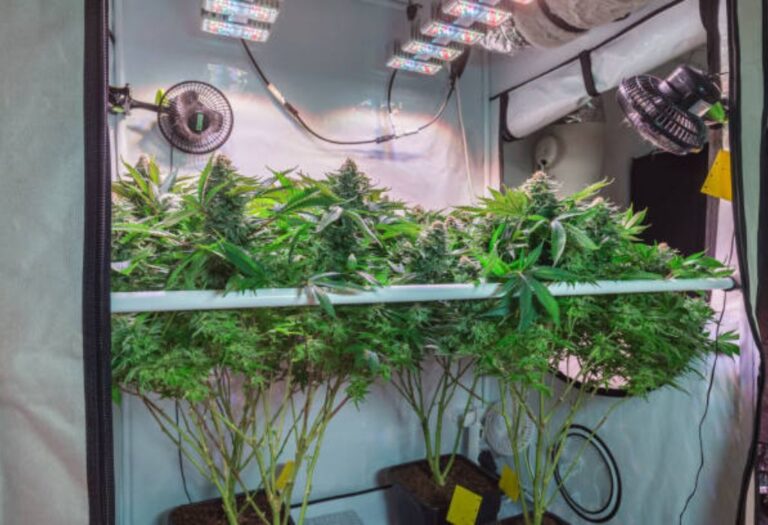
Before exploring solutions, it’s vital to grasp where the noise comes from. A grow tent is basically a controlled environment for plants. To achieve this, it relies on several components, each potentially adding to the overall noise level. Fans are a primary culprit. They are essential for ventilation, ensuring fresh air circulation, and controlling temperature and humidity. Lights, particularly older models like high-pressure sodium (HPS) lights, can also generate noise from their ballasts. Other equipment, like air pumps for hydroponic systems, can contribute to the racket.
The type of grow tent itself influences noise. Some tents are constructed with materials that absorb sound better than others. Size also matters; bigger tents often need more powerful equipment, which can mean more noise. By recognizing these various noise sources, you can begin to assess your current setup and identify areas for improvement. This awareness is the first step in creating a quieter growing experience. It allows you to focus on the equipment that is creating the most unwanted sounds.
Fan Types and Noise Levels
Fans are the workhorses of a grow tent, but they aren’t all created equal when it comes to noise. There are different types, each with its own advantages and disadvantages concerning sound production. Axial fans, which are common in computer cases, push air in a straight line. They can be relatively quiet, but may not be as effective for larger tents or high-humidity environments. In contrast, centrifugal fans, or inline fans, are designed to move air through a duct. These are frequently used for exhaust systems and are more effective at overcoming resistance, like that from carbon filters. However, they can also produce more noise, especially if not well-made or improperly installed.
- Axial Fans: These are more suited for smaller spaces and less intensive setups. They generate less noise, making them a good option if silence is a high priority. However, their air-moving capacity is limited.
- Centrifugal (Inline) Fans: These powerful fans are the go-to for many growers, but their noise levels can be higher. Proper ducting and soundproofing measures are essential when using these fans.
- Variable-Speed Fans: A great option is to use fans that have speed control. Running the fans at lower speeds when full airflow isn’t needed can significantly reduce noise. This also extends the lifespan of the fan.
- Fan Placement: Where you put your fans in the tent also influences noise. For example, suspending fans using bungee cords can reduce vibrations and noise transfer.
Understanding the different types of fans and their typical noise levels empowers you to make informed decisions. Careful selection of the appropriate fan type, coupled with additional noise-reducing measures, will help in establishing a quieter and more pleasant growing environment.
Light Ballasts and Noise
Besides fans, grow lights, particularly older models, are often a source of unwanted sound. High-pressure sodium (HPS) and metal halide (MH) lights, which were once the industry standard, use ballasts to regulate the voltage and current to the bulbs. These ballasts can sometimes emit a humming or buzzing sound, especially as they age. This sound is generated by the electrical components inside the ballast, such as the transformers and capacitors. The intensity of this noise can vary depending on the ballast’s quality and design.
- Magnetic Ballasts: These older-style ballasts often make more noise than their electronic counterparts. Their construction involves coils and other components that can vibrate and hum.
- Electronic Ballasts: Electronic ballasts usually operate at a higher frequency, which can make them quieter. They are more efficient and often have features like dimming capabilities.
- Dimming Capabilities: Some ballasts allow you to adjust the light intensity. When you dim the lights, the ballast may generate less noise.
- Placement Matters: Putting the ballast outside the tent can reduce noise.
Moving away from older light technology to more modern options can make a big difference. Newer LED grow lights are generally much quieter because they don’t require ballasts. Even with traditional lighting, choosing high-quality ballasts and implementing simple techniques like keeping them away from the grow tent can lead to a more peaceful environment.
How Grow Tents Reduce Noise: Effective Strategies

Now that we’ve explored the sources, let’s explore ways to mitigate the noise. Several methods can be employed to reduce the overall sound level inside and outside the tent. The simplest approach involves upgrading equipment. Replacing noisy fans with quieter models is one of the most effective things you can do. Using sound-dampening materials is another powerful strategy. These products can absorb sound waves and minimize vibrations. Remember, the ideal strategy often includes a combination of several techniques.
The environment surrounding your tent matters. Positioning your tent on a rug, for instance, can help to absorb vibrations, which can travel through the floor and spread noise. Similarly, placing your tent in a room with other noise-absorbing objects like furniture or curtains can help. By implementing these strategies, you can significantly diminish the noise associated with your grow tent and make your indoor growing experience more pleasant. It’s about combining intelligent equipment choices with strategic environmental adaptations.
Sound Dampening Materials
Using sound-dampening materials is a powerful way to reduce noise from your grow tent. These materials are designed to absorb sound waves and prevent them from escaping the tent or vibrating through the structure. You can use several types of sound-dampening materials, depending on your budget and the severity of the noise issue. Some options include soundproofing blankets, acoustic panels, and even simple materials like foam or rubber. These materials work by converting sound energy into heat, preventing it from reflecting and amplifying inside the tent.
- Soundproofing Blankets: These thick blankets are designed to absorb sound. They can be hung inside or outside your tent to create a barrier that traps noise.
- Acoustic Panels: Acoustic panels come in various shapes and sizes and are designed to absorb sound waves within the tent, reducing echoes and overall noise.
- Foam and Rubber Mats: Placing foam or rubber mats beneath the tent and equipment can reduce vibrations and noise transfer to the floor.
- DIY Solutions: You can create your soundproofing by using materials like old blankets or moving pads.
Consider the placement of your sound-dampening materials. Hanging blankets or panels on the inside walls of the tent helps contain the sound generated by fans and other equipment. Placing mats under your tent reduces vibrations. Combining these materials with other noise reduction strategies will create a quieter growing environment.
Ducting and Filtration Choices
Ducting and filtration systems also affect the amount of noise that a grow tent produces. The choices you make in this area significantly impact your setup’s overall sound profile. Using flexible ducting, instead of rigid metal ducts, helps to absorb vibrations. Ensure the ducting is properly sealed to prevent air leaks, which can create whistling sounds. Furthermore, the type of carbon filter you choose is another crucial decision. Carbon filters are essential for removing odors but can also add to the noise if not properly selected.
- Flexible Ducting: Use flexible ducting instead of rigid metal ducts. Flexible ducting helps to absorb vibrations and reduce noise.
- Proper Sealing: Check for any leaks in your ducting. Any leaks can generate whistling sounds. Make sure that all the connections are sealed correctly.
- Carbon Filter Quality: Choose a high-quality carbon filter. Carbon filters can muffle some of the sound. However, smaller filters might restrict airflow and make the fan work harder, and it could increase noise.
- Filter Placement: You might place the carbon filter inside the tent, attached to the fan, to absorb odors and reduce noise from the exhaust.
Prioritizing the selection and installation of your ducting and filtration system can create a quieter setup. Investing in high-quality components and proper installation practices will improve your tent’s noise profile and air quality. Remember to regularly maintain your carbon filter by replacing it when necessary to ensure optimal performance and avoid increased fan effort.
Advanced Techniques to Minimize Grow Tent Noise
In addition to basic strategies, more sophisticated techniques can further reduce noise, making your growing environment even quieter. These methods involve more comprehensive planning and a greater investment of time and resources. Implementing these techniques depends on your budget, your tolerance for noise, and your willingness to invest effort. But the result is a noticeably quieter, more pleasant growing space.
Acoustic enclosures, for instance, are designed to isolate sound-generating components. By creating a barrier around fans, ballasts, or other equipment, you can effectively contain the noise they produce. Another option is using silencers, which are designed specifically to reduce noise in ducting systems. They are usually placed directly in the ductwork and work by absorbing sound waves before they can escape. These solutions take extra work, but are perfect if you want a quieter grow space.
Building Acoustic Enclosures
One of the best ways to reduce noise is to construct acoustic enclosures. These are basically soundproof boxes that enclose noisy equipment like fans, ballasts, and air pumps. The enclosures trap sound and prevent it from escaping into the room. They are usually built using sound-dampening materials such as MDF (Medium-Density Fiberboard), foam, or mass-loaded vinyl. The design of your acoustic enclosure will depend on the equipment you want to enclose. You should ensure that the enclosure is large enough to accommodate the equipment and provide enough space for airflow.
- Design: Plan your enclosure with airflow in mind, including intake and exhaust ports for fans, ensuring good ventilation.
- Materials: Use MDF, which is dense and effective at blocking sound. You can also use mass-loaded vinyl for its sound-dampening properties.
- Assembly: Seal all seams with caulk or sealant to prevent sound leaks. Ensure proper placement of sound-dampening materials within the enclosure.
- Maintenance: Plan for easy access to the enclosed equipment. Consider adding access panels or doors for maintenance and repairs.
A well-built acoustic enclosure can drastically reduce noise levels. The effort involved will be worth it if quiet is a top priority. Build an enclosure to fit the equipment inside, make sure it is properly sealed, and maintain proper ventilation.
Using Silencers in Ducting Systems
Silencers are an effective way to minimize noise within your ducting system. These specialized devices are designed to absorb sound waves traveling through the air ducts, preventing them from escaping the tent and spreading throughout the room. Silencers are typically installed directly into the ductwork, usually between the fan and the carbon filter or the exhaust port. They work by using sound-absorbing materials like fiberglass or acoustic foam to reduce the noise generated by the fan and the airflow within the duct.
- Types of Silencers: There are two main types: circular and rectangular. Circular silencers are typically used with inline fans, while rectangular silencers are common with larger, more powerful ventilation systems.
- Installation: Proper installation is key. Ensure the silencer fits securely within the ductwork, and all connections are properly sealed to prevent sound leaks.
- Material: The best silencers use high-density acoustic materials that absorb a broad range of sound frequencies.
- Maintenance: Keep the silencer clean and free of debris, which can reduce its effectiveness. Regularly inspect for any wear or damage.
Implementing silencers into your ducting system can significantly reduce noise, especially when paired with other sound-dampening methods. This makes the grow tent environment a lot quieter.
Comparing Noise Reduction Methods
Choosing the right strategy means weighing your options based on effectiveness, cost, and complexity. The table below compares several techniques to help you choose the best approach for your specific requirements. It breaks down the main methods: fan selection, sound-dampening materials, ducting and filtration choices, and acoustic enclosures, evaluating their effectiveness, cost, and the complexity of implementation.
| Technique | Effectiveness | Cost | Complexity |
|---|---|---|---|
| Quieter Fans | High | Medium | Low |
| Sound Dampening Materials | Medium | Low to Medium | Low to Medium |
| Ducting & Filtration | Medium | Medium | Medium |
| Acoustic Enclosures | High | High | High |
As the table shows, there’s no single perfect solution; instead, the ideal strategy often includes a combination of several techniques. Quieter fans offer a good balance of effectiveness, cost, and ease of installation. Sound-dampening materials can significantly reduce noise at a lower cost. If you’re willing to invest more time and resources, acoustic enclosures can offer maximum noise reduction. Proper ducting and filtration choices are essential and contribute to overall effectiveness.
For example: A beginner might start with quieter fans, then add sound-dampening materials like blankets inside the tent and a mat under the tent. An advanced grower might invest in an acoustic enclosure around the fan and install silencers in the ductwork. By taking into account the effectiveness of each method and combining the approaches best suited to your needs, you can achieve a significantly quieter growing environment.
Frequently Asked Questions
Question: What is the primary source of noise in a grow tent?
Answer: The primary source of noise often comes from the fans, which are used for ventilation, temperature control, and odor control. Other sources can include the light ballasts and air pumps.
Question: How do sound-dampening materials work to reduce noise?
Answer: Sound-dampening materials absorb sound waves, converting sound energy into heat and preventing it from reflecting within the grow tent or escaping to the surrounding environment.
Question: What are some quieter fan options?
Answer: Look for fans designed specifically to be quiet, such as those with variable speed controls. Inline fans are usually more efficient, but can be noisier than others.
Question: What is the purpose of an acoustic enclosure?
Answer: An acoustic enclosure surrounds noisy equipment like fans and ballasts, trapping the sound and preventing it from escaping into the room, thus drastically reducing the overall noise level.
Question: How often should I replace my carbon filter?
Answer: Carbon filters should be replaced every 6-12 months, or when the filter becomes saturated and unable to effectively remove odors, which can also affect the airflow and noise levels.
Final Thoughts
In summary, do grow tents reduce noise, and how can you make them more quiet? We’ve explored the main culprits, including fans and light ballasts, and outlined various effective methods to make your grow tent more peaceful. By selecting quieter equipment, using sound-dampening materials, properly managing your ducting, and, if needed, constructing acoustic enclosures, you can significantly diminish noise. Remember, it’s frequently a combination of approaches that yields the best results, creating an environment that benefits you and your plants.
So, explore the possibilities and choose the solutions that fit your situation. Start with the simpler adjustments, like better fans or strategically placed blankets, and move forward. You might start with these, then experiment with more advanced strategies. The goal is to create a growing space you enjoy, free from the distracting sounds of equipment. With some effort and the right approach, you can have a quiet and productive grow tent, allowing you to focus on the joy of cultivating your plants.