Can Lawn Roller Fix Ruts in Yard? Simple Guide
Figuring out if can lawn roller fix ruts in yard can be tricky when your yard’s got bumps and uneven spots. It’s a common problem for anyone who loves having a beautiful lawn. Don’t worry, though! It doesn’t have to be a headache. We’ll break down everything you need to know in a clear, easy-to-follow way. You’ll learn simple steps to help get your yard looking its best, so let’s get started and explore how you can smooth things out!
What Causes Ruts and Why Use a Lawn Roller
Ruts in your yard often appear because of heavy use, like foot traffic, or from vehicles. Rain and poor drainage can make it even worse, turning small dips into big problems. Also, the type of soil you have matters. Clay soil, for example, is more likely to compact and create ruts. If you have sandy soil, it can be easily washed away. Weather plays a role too. Heavy rain can cause soil erosion, while drought can make the ground hard and uneven.
So, why would you use a lawn roller? A lawn roller is a heavy tool that helps to level the ground. It can smooth out uneven areas caused by the problems described above. Using a lawn roller regularly, along with proper lawn care practices, helps to maintain a healthy and level lawn. It provides a more even surface for mowing, playing, and enjoying your yard. It’s a practical solution for homeowners striving for a pristine, usable lawn.
Common Rut-Creating Culprits
-
- Heavy Vehicles: Cars, trucks, and lawnmowers can cause significant soil compression, leading to ruts.
Heavy vehicles, like cars and lawnmowers, cause a lot of pressure on the ground. This pressure compresses the soil, especially when the ground is wet. This compression squeezes the air out of the soil. As a result, the soil particles get pushed closer together, which forms ruts. The heavier the vehicle, the more likely ruts will appear.
-
- Foot Traffic: Frequent walking across the same areas creates worn paths and ruts.
People walking over the same spots repeatedly also cause ruts. The constant pressure from footsteps compacts the soil. With time, this creates low areas, making the lawn look uneven. High-traffic zones near doorways, pathways, and play areas are particularly vulnerable. A lawn that gets a lot of foot traffic will often have ruts that need to be addressed.
-
- Poor Drainage: Water pooling in low areas worsens ruts.
If your yard doesn’t drain well, water will pool in the dips, which will make the soil soggy. This soggy soil is more susceptible to compaction and erosion. As the water sits, it further breaks down the soil structure and forms more profound ruts. Better drainage can keep your lawn from becoming a muddy mess and reduce rut problems.
-
- Soil Type: Clay soil compacts easily, and sandy soil erodes.
The type of soil you have plays a big role in rut formation. Clay soil is dense and compacts quickly under pressure, which leads to ruts. Sandy soil, while it might not compact as easily, is prone to erosion. When it rains, the water can wash away the topsoil, which leaves dips and unevenness. This means that lawns with different soil types require different maintenance strategies.
The Benefits of Lawn Rolling
Using a lawn roller comes with several benefits that make your lawn look and feel better. It’s not just about aesthetics; lawn rolling can improve the health and function of your yard, too. It makes the surface more level for activities. It also boosts the health of the grass. Using a lawn roller can improve the overall look and usability of your outdoor space. It’s a simple tool that provides effective results.
-
- Level Surface: Rollers smooth out bumps and uneven patches.
One of the primary advantages of a lawn roller is its ability to create a smooth, level surface. The weight of the roller presses down on the ground, filling in small dips and bumps. This leveling makes your lawn look better and provides a safer surface for walking and playing. It also improves how easily you can mow the grass. You’ll notice the difference immediately.
-
- Improved Mowing: Smoother lawns lead to a better mowing experience.
When the ground is even, mowing becomes easier and more efficient. The mower blades cut the grass at a consistent height, which provides a clean, even cut. This results in a better-looking lawn and helps to promote healthy grass growth. The consistent cutting height also helps to avoid scalping, where the mower cuts too closely and damages the grass.
-
- Enhanced Drainage: Rolling can improve minor drainage problems.
By leveling the ground, you can help water flow more evenly. This, in turn, can prevent water from pooling in low areas. While a lawn roller isn’t a replacement for proper drainage systems, it can reduce surface puddling. This keeps your lawn from getting too muddy. This also helps to prevent erosion and the formation of more ruts over time.
-
- Better Grass Health: Rolling can encourage healthy growth.
A smooth surface allows grass to grow evenly. This promotes healthy root development because the roots aren’t stressed by uneven ground. It helps grass get the sunlight, water, and nutrients it needs to flourish. The healthier the grass, the more resistant it is to pests and diseases. This adds to the overall health of the lawn.
Using a Lawn Roller to Fix Ruts: Step-by-Step Guide

Using a lawn roller to tackle ruts requires following a process that considers factors such as the extent of the damage, the condition of your soil, and the type of roller you’re using. Getting it right takes some preparation. It involves understanding the best time to roll, how to prepare your lawn, and the actual rolling procedure. This detailed guide ensures you get the best results when you fix those ruts.
Following these steps helps you to get a smoother, more even lawn. Remember, patience is key. The process can take time, depending on how bad the ruts are. But the effort leads to a more attractive and functional yard. You can enjoy your beautiful lawn!
Prepping Your Lawn for Rolling
-
- Assess the Damage: Identify the areas with ruts.
Before you begin, carefully survey your lawn to see how extensive the damage is. Walk across your yard and pay attention to where the ruts are deepest and most noticeable. Measure the affected areas and mark them. This assessment helps you to plan how many passes you will need with the lawn roller. It also helps you see the progress you are making.
-
- Mow the Grass: Cut the grass before rolling.
Mowing your lawn to a standard height before rolling helps to ensure an even result. This lets the roller have direct contact with the soil. Cutting the grass short before rolling also reduces the chance of the grass getting damaged during the process. Make sure to remove any clippings after mowing so they don’t get in the way. This step is key for a successful lawn roll.
-
- Water the Lawn: Water slightly before rolling.
Adding water before rolling is often recommended, but it’s critical to understand the nuances. The soil should be slightly moist, not waterlogged. Wet soil will compact more easily, leading to unwanted results. This moisture helps the soil particles settle into place as you roll. Check the soil before watering to ensure it needs it. Overwatering can do more harm than good.
Rolling the Lawn Effectively
-
- Choose the Right Roller: Select an appropriate lawn roller.
The type of roller you choose depends on the size of your lawn and the severity of the ruts. Smaller, hand-held rollers are suitable for smaller yards or minor problems. Larger, tow-behind rollers are better for bigger areas or more severe damage. Consider the weight and capacity of the roller and how easy it is to handle. Make sure the roller is filled to the recommended weight. This weight applies the right amount of pressure for leveling the ground.
-
- Rolling Technique: Roll in overlapping passes.
When rolling, make sure to overlap each pass by a few inches. This way, you can avoid missing any spots. Roll in one direction first. Then, go back over the same area in a perpendicular direction. This two-way approach ensures the soil gets compacted evenly. Try to maintain a steady pace. Keep the roller moving so that it gives consistent pressure across the lawn.
-
- Avoid Over-Rolling: Don’t overdo the rolling.
Over-rolling can compact the soil too much, which can damage the grass roots and prevent proper aeration. Roll only as needed to level out the ruts. Avoid going over the same area repeatedly. If you see that the ruts are still there after the first pass, you can repeat the process. Always let your grass rest and recover between rolling sessions.
Dealing With Severe Ruts
Sometimes, ruts are too deep for just a lawn roller to fix. This is where more involved methods come into play. If your yard has significant damage, you will need to prepare the area and consider other methods, such as filling in the low spots, to create a level surface. These techniques take more time and effort, but they are effective in fixing severe rut problems.
For extensive damage, combine the use of a lawn roller with other techniques. You should evaluate the damage to the grass to select the right approach. Then, use these methods to restore your lawn.
Filling in Low Spots
-
- Assess the Depth: Evaluate how deep the ruts are.
Measure the depth of the ruts with a ruler or measuring tape. If the ruts are shallow, a lawn roller alone might work. Deeper ruts, however, will need filling. This assessment helps you determine how much soil you’ll need to add and what other tools to use. Knowing the depth of the ruts helps you plan your approach effectively.
-
- Add Topsoil: Fill in the low areas with topsoil.
Use a shovel or wheelbarrow to fill the low spots with topsoil. The topsoil should be the same type as your existing lawn. Spread the soil evenly in the rutted areas. Use a rake to level the soil, making sure it blends with the existing surface. Add the soil in small increments to avoid burying the grass. Be sure to check the level to achieve the correct grading.
-
- Seed and Water: Seed the area and keep it watered.
After adding topsoil, it’s time to seed the repaired areas. Choose a grass seed that matches your existing lawn. Follow the instructions on the seed packet to get the right amount and distribution. Water the seeded areas gently and consistently to promote growth. Keep the soil moist but not soggy. The new grass will help to fill in the ruts.
Repairing Large Damaged Areas
-
- Consider Reseeding: Reseed damaged areas with fresh seed.
If there’s a lot of damaged grass, reseeding may be necessary. Prepare the soil by lightly tilling or raking the affected area to loosen it. Spread grass seed evenly over the exposed soil. Use a seed that matches your existing lawn type. Cover the seeds with a thin layer of topsoil or compost. Then, keep the area watered regularly. New grass should come in a few weeks.
-
- Install Sod: Sod provides an instant fix for large areas.
Sod, or pre-grown turf, is a quick way to restore large damaged areas. You can measure the damaged area and order sod. Prepare the ground by removing any debris and leveling the soil. Lay the sod pieces carefully, fitting them together tightly. Water the sod thoroughly after installation. You’ll have a new lawn in a short time!
-
- Aeration: Aerate the soil to promote root growth.
If the soil is compacted, consider aeration. Aeration involves creating small holes in the soil. This allows air, water, and nutrients to reach the grass roots. There are different types of aerators. Core aerators remove small plugs of soil. Spike aerators simply make holes in the ground. Aerating helps improve drainage and root growth, which improves the health of your lawn.
Choosing the Right Lawn Roller for Your Yard
Selecting the right lawn roller for your needs involves several factors, from the size of your yard to the severity of the ruts. Consider the weight, width, and ease of use to pick the perfect roller for your situation. Picking the right tool can make the job easier and help you to get the best results. The right lawn roller can become one of the most useful tools for your lawn care plan.
Once you choose the right lawn roller, you can get started fixing those ruts. Choose a roller that will fit your needs and level your yard for a more attractive and functional outdoor space.
Roller Types and Weights
-
- Hand Rollers: Good for small areas.
Hand rollers are perfect for small yards and areas with minor damage. They are lightweight and easy to maneuver. They’re also simple to store. They’re typically filled with water or sand to increase their weight. Hand rollers are an affordable option for fixing small problems. They help to level out slight bumps. They are perfect for touch-ups or smaller projects.
-
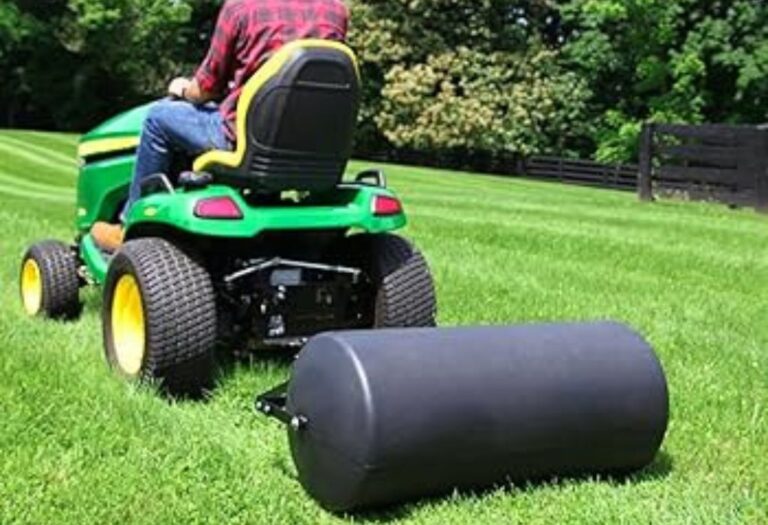
- Tow-Behind Rollers: For larger yards and more substantial ruts.
Tow-behind rollers are designed for larger lawns and tougher jobs. They attach to a lawn tractor or riding mower. These rollers are heavier and offer more coverage. They are typically filled with water or sand. They can handle deep ruts and uneven surfaces. Tow-behind rollers are the best choice for those with larger properties. They offer an efficient way to make a level lawn.
-
- Roller Weight: Appropriate weight is important.
The weight of the roller is a key factor in how effective it will be. It’s usually measured when the roller is filled with water or sand. The weight should match the size of your yard and the extent of the damage. Too little weight, and you won’t level the ruts. Too much weight can compact the soil too much. Follow the manufacturer’s recommendations for adding weight.
Features to Consider
-
- Roller Width: Consider the width of the roller.
The width of the roller determines how much area you can cover with each pass. Wider rollers are better for larger yards because they can cover more ground quickly. However, they can be harder to maneuver in tight spots. Narrower rollers are easier to handle, especially around trees, flower beds, and other landscaping features. Choosing the right width can make the job more efficient.
-
- Fill Material: Choose the right fill material.
Most lawn rollers can be filled with water or sand to add weight. Water is easily available. Sand provides more weight and a more even distribution. Consider the climate in your area. If you live somewhere with freezing temperatures, using antifreeze in the roller is an option. This will prevent damage to the roller. Check the manufacturer’s instructions to select the best material.
-
- Ease of Use: Look for easy-to-use features.
Think about how easy it will be to use the roller. Features like a fill cap, drain plug, and towing capabilities can improve your experience. Also, consider the handle length and ease of maneuverability. If you have a larger yard, a tow-behind roller might be the best option. These rollers attach to a lawn tractor. Choose a roller that is comfortable for you to operate.
Frequently Asked Questions
Question: Will a lawn roller damage my grass?
Answer: When used correctly, a lawn roller shouldn’t damage your grass. Over-rolling or rolling during wet conditions can cause problems, so it’s important to follow the steps in this guide.
Question: Can I use a lawn roller on any type of soil?
Answer: Yes, you can use a lawn roller on most soil types. However, on clay soils, be very cautious not to compact the soil too much. Ensure the soil isn’t overly wet. For sandy soils, use a lighter roller and avoid over-rolling to prevent erosion.
Question: How often should I roll my lawn?
Answer: You shouldn’t roll your lawn too often. Once or twice a year is usually enough. You can do it in the spring to level it after winter. You can also roll in the fall to prepare your lawn for the winter.
Question: What’s the best time to roll my lawn?
Answer: The best time to roll your lawn is when the soil is slightly moist. This is typically after a light rain or after you’ve watered your lawn. Avoid rolling when the ground is too wet or during dry spells.
Question: What if my ruts are very deep?
Answer: If your ruts are very deep, a lawn roller alone may not be enough. You might need to add topsoil to fill in the low spots first. After you’ve added the topsoil, then use the lawn roller to level the area.
Final Thoughts
So, can lawn roller fix ruts in yard? Yes, it can! We’ve explored the causes of ruts, the benefits of using a lawn roller, and the steps to get the job done right. It’s about getting the right tools, and knowing how to use them. Whether you’re dealing with minor imperfections or more significant damage, a lawn roller can be a valuable tool in your lawn care arsenal. You’ve got the knowledge to make those bumps disappear.
Remember, start with a good assessment of your yard. Follow the steps we outlined, like mowing, watering, and choosing the right roller for your needs. You can keep your lawn in great shape year after year. Now, go outside, grab your roller, and get ready to enjoy a smoother, more beautiful lawn!