How to Roll Lawn for Striping: A Simple Guide to a Great Lawn
Getting those beautiful stripes on your lawn can seem tricky at first. It’s a common goal for anyone wanting a standout yard! You might wonder, how to roll lawn for striping like the pros. Don’t worry, it’s simpler than you think. This post will break it down into easy steps, so you can achieve that classic striped look. Let’s get started, and in just a bit, you’ll be on your way to a lawn you’ll be proud to show off.
What is Lawn Striping and Why Roll?
Lawn striping is creating the effect of light and dark bands across your grass, giving it a visually appealing, professional look. This effect isn’t caused by different grass colors; it’s all about how the blades bend. When grass bends one way, it reflects sunlight differently than grass bent the other way. This difference in light reflection is what creates the stripes.
Using a lawn roller is a key part of the process. It’s used to gently bend the grass blades in opposite directions. The roller applies a controlled amount of pressure, making the stripes last longer and look sharper. It’s a technique that allows anyone to transform their lawn’s appearance, making it a focal point of your property. The best results can be achieved by using the right tools and techniques. Now, let’s see the essential steps involved.
The Science Behind Striping
The science behind lawn striping is surprisingly simple, focusing primarily on how light interacts with grass blades. As mentioned, the effect is all about light reflection. When the grass blades are bent in one direction, they reflect light differently than blades bent the opposite way. This difference in light reflection creates the illusion of stripes. When grass bends towards you, it appears darker because it absorbs more light. When it bends away, it looks lighter as it reflects more light.
- Light Reflection: The angle at which light hits the grass blades determines how much is reflected back to the viewer. This is the foundation of the visual effect.
- Grass Blade Orientation: The direction in which grass blades are bent is crucial. This direction dictates how light interacts with the grass, influencing the stripe’s visibility and clarity.
- Tools Used: Equipment such as rollers is used to bend the grass blades consistently and effectively. This maintains a uniform and long-lasting striping pattern.
Understanding this basic science is the first step in achieving a professional-looking striped lawn. You can create eye-catching stripes by manipulating light reflection.
Equipment for Rolling and Striping
You don’t need fancy equipment to roll lawn for striping. The essential tools are straightforward and readily available. The right equipment makes the job much easier. A good lawn roller is the core of this project. Other tools like a mower can also help. Make sure you have all the necessary items before you begin.
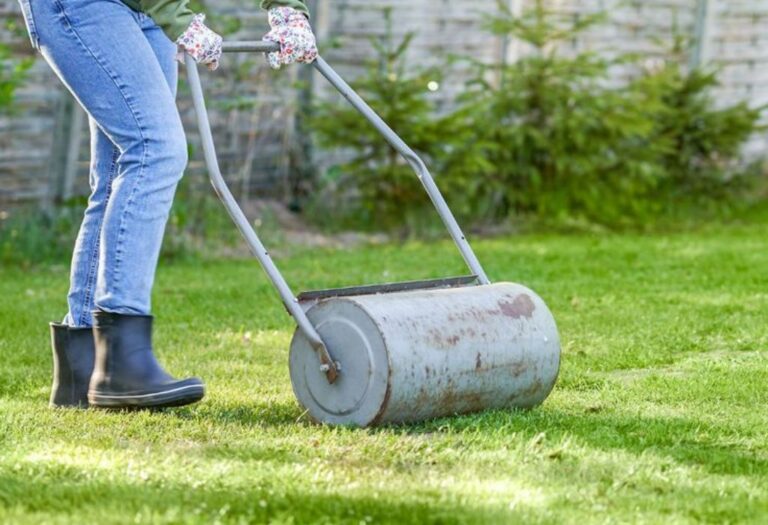
- Lawn Roller: This is the primary tool for striping. It’s a heavy cylinder, often made of metal or filled with water or sand. Its weight is critical for bending the grass blades.
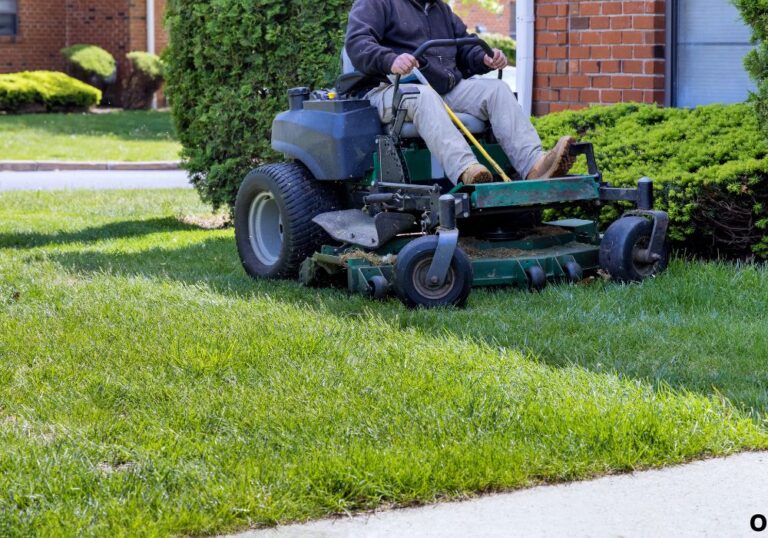
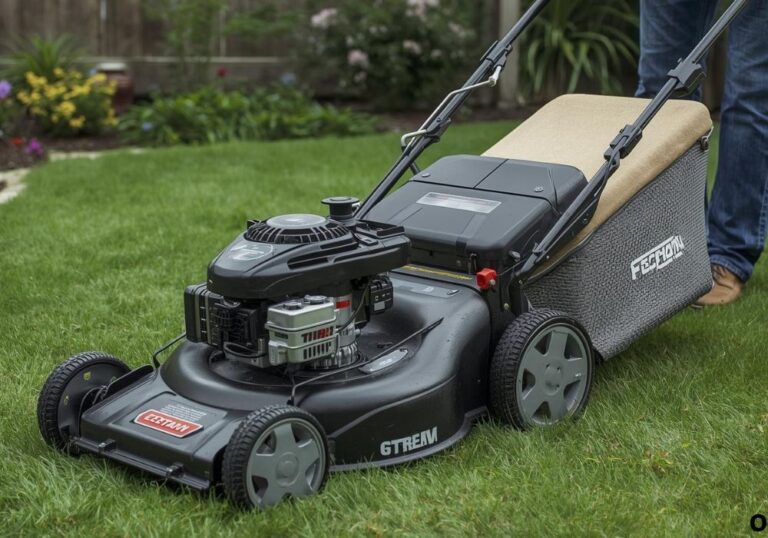
- Lawn Mower: A mower is used for cutting your grass and prepping it for striping. It’s important to set your mower to an appropriate height for the best results.
- Measuring Tools: If you want precise stripes, you might use measuring tools to ensure even spacing and straight lines.
- Safety Gear: This includes gloves and eye protection. Safety first!
Choosing the right equipment is important for a successful result. Having these tools will help you achieve the best possible lawn stripes. Make sure everything works correctly before you start.
Preparing Your Lawn Before Rolling

Proper preparation is key. Before you start rolling, you need to set the stage to get a great result. This step includes cutting the grass and removing any obstacles that might get in the way. Taking care of these small tasks will help you achieve better results. Let’s look at the crucial steps to prep your lawn.
Preparing your lawn properly will give you the best results. A well-prepped lawn is easier to roll and stripe. You’ll also get a cleaner and more even finish. It is important to work through the list step by step to ensure a well-maintained lawn.
Mowing and Trimming: The Foundation
Before rolling, the lawn needs to be mowed. It sets the stage for the striping effect. The lawn mower prepares the lawn and should be mowed at the right height. This sets the stage for clear lines and a professional look.
- Mow to the Correct Height: The ideal mowing height depends on the type of grass. It’s generally best to avoid mowing the grass too short. For most lawns, a height between 2.5 and 4 inches works well.
- Use Sharp Blades: Sharp mower blades are essential for a clean cut. Dull blades can tear the grass instead of cutting it, leading to a ragged appearance and promoting disease.
- Mow in Straight Lines: Precise mowing creates a uniform base. This uniformity enhances the striping effect, as straight lines provide the best contrast for light reflection.
By focusing on your mowing, you can improve the quality of your lawn striping. Properly mowed grass will stripe better and look much neater. You’ll make sure the lawn is ready for the rolling phase.
Clearing the Area for Rolling
It’s important to remove any obstacles. Clear the area before you begin rolling. This will help you achieve a smooth, even roll. Removing obstacles will allow for better results and a safer experience.
- Remove Debris: Pick up any sticks, rocks, or other objects that could interfere with the roller. This prevents damage to your equipment and lawn.
- Clear Obstacles: Move any furniture, toys, or other items that are in the way. This allows for clear, uninterrupted lines.
- Address Uneven Spots: Fill in any low spots or level out the ground if needed. This will ensure the roller moves smoothly and the stripes are even.
Preparing your lawn will help you achieve the best possible results. A tidy and flat lawn will always lead to better striping. This prep work lays the foundation for a flawless outcome.
Step-by-Step Guide on How to Roll Lawn for Striping
The actual rolling process is fairly simple, but attention to detail is essential. You’ll want to choose a good day to roll, and the process should be carefully done. Now, you’ll get to roll the lawn and create those stripes. Follow the steps, and you’ll create beautiful stripes. Make sure you roll slowly and deliberately to achieve the best results.
Rolling is key to creating those nice stripes. Take it slow and make sure you do it right. Here’s a step-by-step approach to get the best result. Proper technique is what makes the difference. This process is very important for success.
Rolling Techniques: Direction and Overlap
The way you roll directly impacts the look of the stripes. The direction you roll in and how you overlap the passes are key. You will learn the best methods to create those beautiful stripes. It’s about precision and consistency.
- Decide on the Stripe Direction: You can choose any direction you like, but straight lines usually look best. Common choices include stripes running the length of the lawn or side to side.
- Start with a Straight Line: Begin by creating a straight line as your starting point. Use a reference point, such as a driveway or fence, to keep your lines straight.
- Overlap Passes: Overlap each pass by a few inches. This helps to ensure a uniform bend of the grass blades, resulting in consistent stripes.
These techniques will guide your way to a great-looking lawn. It might take a bit of practice to get it right. Pay attention to direction, and overlap is vital to achieving a pro look.
Rolling for Striping: Speed and Pressure
The speed and amount of pressure you apply matter for the best results. Doing it right can enhance the look and durability of the stripes. Here, you’ll see how to achieve the best results with control and patience.
- Rolling Speed: Move at a steady, slow pace. Going too fast can cause the roller to bounce and create uneven stripes.
- Pressure Application: The correct pressure will ensure a clear bend. You want to apply enough pressure to bend the grass blades without flattening them.
- Making Multiple Passes: In some cases, you might want to make a second pass over your lawn. This will help to sharpen the stripes.
Remember that it takes practice. Getting the right pace and pressure is essential for the results you want. Be patient and watch as your lawn transforms.
Maintaining Your Striped Lawn
The key to keeping your lawn looking great is maintenance. A little upkeep will make the stripes last and look their best. Here are some simple steps to follow.
- Regular Mowing: Keep up with regular mowing to maintain the stripes. Mow in different directions each time to vary the look.
- Watering: Proper watering is essential. Adequate water helps grass stay healthy and upright. This will make the stripes look more defined.
- Fertilizing: Use fertilizer to ensure healthy growth. Healthy grass blades will stay standing and show stripes longer.
By following these maintenance tips, you can keep your lawn looking amazing. Regular care helps to preserve the stripes’ beauty.
Troubleshooting Common Issues
Even with the best preparation, things can still go wrong. It’s important to know how to fix problems that may come up. You will learn to tackle these challenges and improve your lawn’s look.
Don’t worry if things don’t go perfectly the first time. Here’s some advice on what to do if you encounter common issues. Fixing problems is part of the learning process. With a little practice, your lawn will look great.
Dealing with Uneven Stripes
Uneven stripes can be frustrating, but they can be fixed. You want your stripes to look even across the whole lawn. Here’s how to resolve the issues you might face.
- Check Roller Pressure: Make sure you apply even pressure across the lawn. Adjust the amount of water or sand in your roller to suit the grass type.
- Level the Ground: Address any low spots to ensure even contact. Fill in any uneven areas with topsoil before rolling.
- Adjust Your Technique: Ensure consistent speed and overlap. Practice maintaining a steady pace and uniform overlap.
By addressing these common issues, you can work to have nice, even stripes. Pay close attention to your equipment and your technique.
Addressing Fading Stripes
Sometimes, stripes will fade over time. You might notice your beautiful stripes start to disappear. Here’s how to make them last and keep them looking great.
- Increase Rolling Frequency: You can extend the stripes’ appearance with regular rolling. Rolling more frequently can keep the stripes more defined.
- Improve Lawn Health: Healthier grass will hold the stripes longer. Apply fertilizer and water appropriately.
- Mow in Different Directions: Varying the mowing direction can help. Changing the mowing direction creates a fresh appearance and enhances stripe visibility.
Following these steps can help to keep your lawn looking great. With some simple maintenance, the stripes will last longer. Consistency is a key part of maintaining the striped look.
Handling Difficult Grass Types
Some grass types are easier to stripe than others. Different grass types have different qualities. Here’s how to handle grass that doesn’t stripe as well.
- Choose the Right Equipment: Select a roller suited to your grass type. Some rollers provide more pressure or have different designs to enhance striping.
- Adjust Your Techniques: Experiment with different rolling techniques. Make adjustments to your speed, pressure, and overlap.
- Improve Lawn Density: Thicker, denser grass stripes better. Aerate and overseed your lawn.
Don’t be discouraged if you have a difficult grass type. With some experimenting, you can find a method that works for your lawn.
Frequently Asked Questions
Question: How often should I roll my lawn?
Answer: It depends on your grass type and how defined you want the stripes. Generally, rolling every 1-2 weeks is a good starting point. You may need to roll more often during peak growing seasons.
Question: Can I use a regular lawnmower to stripe my lawn?
Answer: Yes, you can use a lawnmower with a striping kit or a grass flap. A mower itself doesn’t bend the grass, but it helps set the initial mowing direction.
Question: What’s the best time of day to roll my lawn?
Answer: The best time is when the grass is dry, but not stressed. Mid-morning is ideal, after the dew has dried but before the heat of the day. Avoid rolling when the grass is wet.
Question: Will rolling damage my lawn?
Answer: When done correctly, rolling should not damage your lawn. Using a roller that is too heavy or rolling when the ground is saturated can cause problems.
Question: What’s the best type of roller to use?
Answer: The best roller type depends on your lawn size and grass type. Water-filled rollers are easy to adjust, while solid rollers offer consistent pressure. Choose one that suits your needs.
Final Thoughts
Learning how to roll lawn for striping might seem like a lot, but it’s really not too complicated. You’ve now seen how to create those stunning stripes on your lawn. You now know the key steps to follow. From preparing your lawn to understanding rolling techniques and handling issues. You also learned the importance of using the right tools and staying consistent with your maintenance.
Creating stripes on your lawn takes a bit of time, and some practice. But anyone can achieve it with the right steps. Now you are ready to create a lawn you’ll be proud to show off. So, gather your equipment, get rolling, and enjoy the satisfaction of a beautifully striped lawn! Have fun, and feel free to experiment to find what works best for your lawn and your personal preferences.