How to Aerate Compacted Soil: Simple Steps for Healthier Lawns
If you’re new to gardening, learning how to aerate compacted soil can feel like a challenge. It’s a common problem for anyone trying to grow a healthy lawn or garden. Compaction happens when soil gets packed tightly, making it hard for roots to breathe and get water. This blog post makes it easy, walking you through a simple step-by-step process. You’ll learn what causes compaction and how to fix it, so your plants can thrive. Let’s get started!
Why Is Soil Compaction a Problem?
Soil compaction is a common issue that impacts plant growth. It happens when soil particles are squeezed together, reducing the space available for air and water. This is a significant problem because plant roots need both air and water to survive. Compacted soil restricts root growth, making it difficult for plants to absorb the nutrients they need. Additionally, poor drainage can lead to waterlogged conditions, which can cause root rot. In short, compaction hinders the essential processes that plants need to flourish, resulting in stunted growth, yellowing leaves, and an overall unhealthy appearance.
What Causes Soil to Become Compacted?
Many factors can lead to soil compaction, and knowing these causes can help you prevent the problem. Heavy foot traffic is a major culprit, as walking, running, or playing on a lawn repeatedly pushes soil particles together. The type of soil also plays a role. Clay soils, for example, are more prone to compaction because their fine particles pack tightly. Using heavy machinery, such as lawnmowers or tractors, also contributes to the problem. Finally, the absence of organic matter, like compost or mulch, can worsen compaction, as organic matter helps to keep soil loose and well-aerated. Avoiding these activities or amending soil are important steps in keeping your soil healthy.
-
- Heavy Foot Traffic: Repeated use of lawns, gardens, and other cultivated areas on foot or by vehicle, especially in wet conditions, is a leading factor in soil compaction. This constant pressure pushes soil particles closer together.
Think about how your lawn looks after a big party or after you’ve parked your car on it for a while. The grass can look flattened and unhealthy because the soil has been squeezed. In areas with high foot traffic, consider using pathways or stepping stones to protect your soil.
-
- Clay-Rich Soils: Soils with a high clay content are naturally more susceptible to compaction. Clay particles are very small and tend to pack closely together, leaving little space for air and water.
Clay soils are like tightly packed building blocks. You’ll likely notice poor drainage and plants struggling to grow in clay-heavy areas. To fix this, you may need to add organic matter, like compost or aged manure, to loosen the soil and improve drainage.
-
- Lack of Organic Matter: The absence of organic materials in the soil exacerbates compaction. Organic matter, such as compost and decayed plant material, adds structure to the soil, creating air pockets and improving drainage.
Organic matter acts like a sponge, soaking up water and releasing it slowly. It keeps the soil loose and airy, providing space for roots to breathe and grow. Without it, your soil becomes dense and plants struggle.
-
- Heavy Machinery: Tractors, lawn mowers, and other heavy equipment used on the lawn or in the garden can compress the soil. This compression reduces the air pockets in the soil.
Try to avoid using heavy machinery when the soil is wet because that causes more damage. It’s always best to spread the weight of equipment by using wider tires or driving on designated paths to minimize the impact.
-
- Frequent Irrigation: Watering your lawn too often can lead to compaction as the repeated saturation of soil can push the particles closer together.
Proper irrigation practices, like watering deeply but less frequently, are recommended to encourage healthy root growth and prevent compaction. This way, water reaches deep into the soil encouraging roots to reach further down and avoid the shallow root systems that are more prone to compaction.
How to Identify Compacted Soil
Identifying compacted soil is the first step toward fixing it. There are several telltale signs that indicate your soil may be too dense. One obvious sign is difficulty in pushing a garden trowel or shovel into the ground. Another indicator is poor drainage. If water puddles on the surface and takes a long time to soak in after rain or watering, this suggests the soil isn’t absorbing water properly. Additionally, stunted plant growth, yellowing leaves, and general plant unhealthiness can signal compaction, as roots struggle to get the resources they need. Finally, a soil that feels hard and crusty when dry is often a sign of compaction.
-
- Poor Drainage: If water pools on the surface and takes a long time to soak in, it is a key sign of compaction. Water shouldn’t sit on the surface for more than a few hours.
When soil is compacted, the spaces between soil particles are reduced, making it difficult for water to percolate down through the soil profile. This can lead to waterlogging, depriving plant roots of the oxygen they need to survive.
-
- Difficulty in Digging: Trying to dig a hole with a shovel or trowel and encountering strong resistance is a classic sign. The soil will feel dense and difficult to penetrate.
When soil is compacted, it becomes much harder to dig into because the particles are tightly packed together. This means the roots of your plants will also have a tough time trying to grow.
-
- Stunted Plant Growth: Plants growing in compacted soil often have shallow root systems and struggle to get the nutrients and water they need. This results in slow growth and smaller plants.
If you notice that your plants aren’t growing as well as they should, or if they appear smaller than expected, it might be due to a soil issue.
-
- Yellowing Leaves: Plants in compacted soil may show signs of nutrient deficiency, which can cause their leaves to turn yellow or pale.
Yellowing leaves, also known as chlorosis, can be an indicator of a lack of oxygen and nutrients in the soil. Without sufficient air and nutrients, plants struggle to photosynthesize, causing the leaves to lose their healthy green color.
-
- Crusting Surface: When soil dries out, compacted soil often develops a hard, crusty surface. This happens because the soil particles have been squeezed so close together, forming a solid layer.
This crust makes it even harder for water and air to get into the soil. It is a visible sign of compaction and can also make it difficult for grass to break through the surface.
Methods of Aerating Your Lawn and Garden

There are different methods to aerate your lawn or garden. The best method depends on the size of your area and the severity of compaction. Core aeration involves using a machine that removes small plugs of soil from the ground, creating channels for air and water. Spike aeration uses tools to poke holes into the soil, but it doesn’t remove any soil. For smaller areas, a manual aerator like a garden fork or aerating sandals can be effective. Consider adding organic matter after aeration to improve soil health. This helps to break up the soil structure and increase pore space. Also, the timing of aeration is crucial, usually during the growing season when grass can recover. Choose the method that best fits your needs to ensure your plants thrive.
Core Aeration Versus Spike Aeration
The two main types of aeration techniques are core aeration and spike aeration. Core aeration, also known as plug aeration, is the most effective method, particularly for heavily compacted soils. It involves removing small cores or plugs of soil from the ground. This creates holes that allow air, water, and nutrients to penetrate deep into the root zone. Spike aeration, on the other hand, involves creating holes in the soil without removing any soil. While it provides some aeration, it is less effective because the holes can quickly close up, and it does not remove any of the compacted soil.
| Feature | Core Aeration | Spike Aeration |
|---|---|---|
| How It Works | Removes small plugs of soil | Pokes holes into the soil |
| Effectiveness | Highly effective for severely compacted soil | Less effective, especially for compacted soil |
| Benefits |
|
|
| Best Use | Lawns with heavy foot traffic, clay soil | Lightly compacted soil, regular maintenance |
In addition to air circulation and water flow, core aeration also helps in breaking up thatch, a layer of dead grass and organic matter that can build up on the surface of your lawn. This allows fertilizers and grass seed to reach the soil more effectively, promoting healthy root development. Spike aeration may offer short-term benefits, but because it only punctures the soil and doesn’t remove plugs, the holes can quickly close up.
Manual Aeration Techniques
For smaller lawns or garden areas, manual aeration is a practical and cost-effective approach. You can use a garden fork to manually aerate your soil. Simply insert the fork tines into the ground and rock it back and forth to create holes. Aerating sandals, which have spikes on the soles, are another simple option, especially for regular, lighter aeration. Step onto the sandals and walk across your lawn. Remember that manual aeration can be time-consuming, particularly for larger areas. It is suitable for small garden beds and lawns or to supplement mechanical aeration in areas that are hard to access. However, ensure that you aerate deeply and consistently across the entire area to achieve the best results.
-
- Garden Fork Method: Use a garden fork to make holes in the soil.
This is a straightforward method. Push the garden fork into the ground and wiggle it back and forth to loosen the soil. Work systematically across your lawn.
-
- Aerating Sandals: Aerating sandals can be used to make aeration easier.
These sandals have spikes on the bottom that poke holes in the ground as you walk. They are a good option for regular, light aeration and are easy to use.
-
- Soil Aerator: Use a specialized soil aerator.
There are many different types of manual soil aerators available, each with its own specific features. Some have hollow tines that remove cores of soil, while others have solid tines that just make holes. Select one depending on your needs.
When manually aerating, focus on areas with heavy foot traffic or where the soil seems particularly compacted. Making holes around one inch in depth can be enough to start improving your soil’s health. The process is best done when the soil is slightly moist but not saturated, so it is best to avoid aeration directly after heavy rain or watering. After aerating manually, you can add organic matter like compost or topdressing to fill the holes and further improve soil structure.
When to Aerate Your Lawn
Timing is a key aspect of how to aerate compacted soil. The ideal time for aeration is during the growing season of your grass, typically in early spring or early fall. Aerating during these periods allows the grass to recover quickly, and fill in any areas where soil plugs are removed. Avoid aerating during the hottest part of summer, as this can stress the grass. The soil should also be moist, but not soaking wet, to make aeration easier and prevent damage to the grass. Aerating before fertilizing or overseeding your lawn can maximize the benefits, as it creates channels for the fertilizer and grass seeds to reach the roots.
-
- Early Spring: This is an excellent time, as the grass is starting to actively grow and will recover rapidly. Aeration helps to stimulate root growth.
The soil will likely still have some moisture from the winter snow and rain, making it easier to aerate. Plus, aerating in spring gives your lawn the best chance to grow healthy and strong for the growing season.
-
- Early Fall: Another peak time for aeration, as the grass is preparing for its dormant period, and the soil is still warm. Aeration can help the grass recover from the summer heat and prepare for winter.
In the fall, the grass has the chance to repair any damage from the summer and store up energy. Overseeding after aerating in the fall is also effective, as it allows grass seeds to settle into the freshly aerated holes.
-
- Avoid Mid-Summer: Aerating during the hottest months of summer can be detrimental. The grass is under more stress. Aeration can cause more harm than good.
Extreme temperatures combined with the disturbance from aeration can be very damaging to your lawn. It’s best to wait until the cooler temperatures of the fall.
-
- Check Soil Conditions: Make sure the soil is moist but not saturated. This ensures that the aerator can easily penetrate the ground and that the soil plugs come out cleanly.
If the soil is too dry, the aerator won’t be able to penetrate. If it’s too wet, you could damage the lawn. Watering your lawn a day or two before aeration can help get the soil to the right level of moisture.
How to Improve Soil Health After Aeration
After aerating, it’s essential to take steps to improve your soil’s overall health and maintain the benefits of aeration. One of the best things you can do is add organic matter to the soil. This can be in the form of compost, well-rotted manure, or other organic materials. Adding organic matter helps to improve soil structure, improve drainage, and provide nutrients for the plants. Overseeding your lawn after aerating is another effective step, as the aerated holes provide ideal spots for grass seeds to settle and grow. Regularly fertilizing your lawn, using the appropriate type and amount of fertilizer, can provide the nutrients the grass needs to grow healthy.
Adding Organic Matter
Adding organic matter to the soil after aeration is a very good idea. Organic matter like compost, well-rotted manure, or leaf mold enriches the soil by improving its structure and fertility. It helps to fill the holes created by aeration, further breaking up the soil and promoting better drainage and aeration. It also provides essential nutrients for plant growth. Choose organic matter that suits your soil type and plant needs and apply it evenly across your lawn or garden bed.
-
- Compost: Compost is a rich source of organic material, full of beneficial nutrients. It improves soil structure.
It acts like a sponge, absorbing water and releasing it slowly. It also provides vital nutrients for the grass.
-
- Well-Rotted Manure: Aged manure provides vital nutrients and organic matter to the soil. This enriches the soil and supports healthy plant growth.
Make sure the manure is well-rotted to avoid introducing weed seeds or burning the grass. Manure helps improve water retention and provides slow-release nutrients.
-
- Leaf Mold: Leaf mold is produced by the decomposition of leaves. Leaf mold is an amazing soil conditioner that improves soil structure, water retention, and aeration.
Leaf mold can also reduce soil erosion and provide a habitat for beneficial soil organisms. Leaf mold is an excellent choice for improving soil conditions, especially in areas with poor drainage.
-
- Mulch: Spread a layer of mulch after aerating. This helps to protect the soil, retain moisture, and suppress weeds.
Using mulch is an easy and effective way to conserve soil moisture. It provides benefits that include regulating soil temperature, suppressing weeds, and improving the overall health of your soil.
Overseeding and Fertilizing
Overseeding and fertilizing your lawn after aeration further enhances the benefits of the process. Aeration creates excellent conditions for grass seed germination by allowing the seeds to reach the soil and have access to air, water, and sunlight. Overseeding fills in bare spots and thickens the turf. Proper fertilization provides the essential nutrients that grass needs to grow strong and healthy. The type of fertilizer and the amount needed depend on your soil and grass type. It is useful to conduct a soil test to determine what nutrients are missing. Both are essential for maintaining a lush, green, and healthy lawn.
-
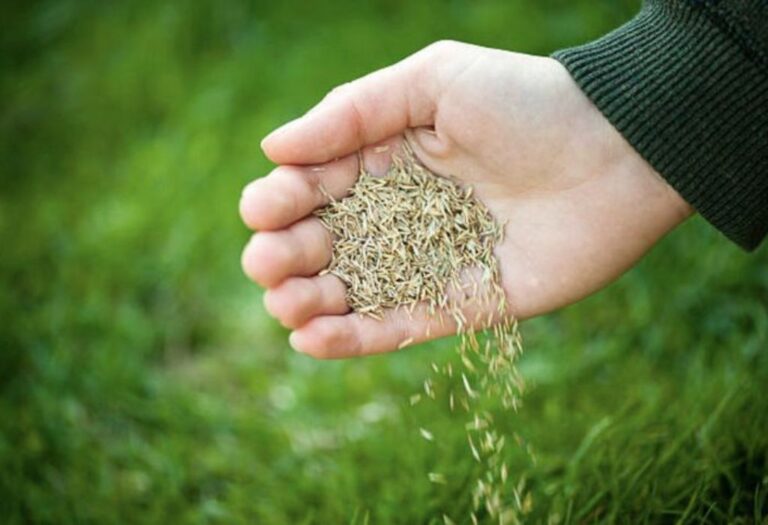
- Overseeding: Aeration creates the perfect environment for grass seed to thrive, allowing seeds to penetrate into the soil.
Overseeding is best done immediately after aeration. This helps fill in bare patches and thickens the existing grass. Choosing a grass type suited to your climate and sun exposure is important.
-
- Fertilizing: Providing your lawn with proper nutrients is key to its health. Fertilize the lawn after aeration and overseeding to get the best results.
A well-fed lawn has increased resistance to diseases, pests, and environmental stress. A soil test will help you identify what nutrients your lawn needs.
-
- Choose the Right Fertilizer: Use a balanced fertilizer to support root growth. This type of fertilizer helps the lawn to recover quickly and flourish.
When selecting a fertilizer, consider your soil type and grass type. Look for a slow-release formula for sustained feeding. Be sure to follow the instructions on the fertilizer packaging to prevent over-fertilization.
By aerating, overseeding, and fertilizing, you are creating a cycle of improvement, resulting in a vibrant, and healthy lawn.
Watering Practices and Maintenance
Proper watering and ongoing maintenance are key in taking care of your newly aerated lawn and your entire yard. After aeration, water deeply and less frequently to encourage deep root growth. This will help your lawn become more drought-tolerant. Regular mowing at the correct height is important. Avoid cutting off more than one-third of the grass blade at a time, and consider leaving grass clippings on the lawn (grasscycling) to add organic matter and nutrients. Regularly check and adjust your lawn care practices according to the season and the condition of the lawn. These practices help ensure your lawn remains healthy, vibrant, and resistant to stress.
-
- Water Deeply: After aerating, water deeply and infrequently. This encourages the roots to grow down deep into the soil.
Deep watering will help make the lawn more drought-tolerant. Water less frequently, but when you do water, soak the soil. Avoid frequent, shallow watering which leads to shallow root growth.
-
- Mowing Height: Adjust your mower blades to an appropriate mowing height. Maintain a healthy height for the grass blades to prevent undue stress on the lawn.
Mowing at the correct height encourages a strong root system. It will also assist with the lawn’s ability to resist weeds and pests. Never remove more than one-third of the grass blade at a time.
-
- Leave Clippings: Leave grass clippings on your lawn (grasscycling) after mowing. They provide nutrients and organic matter to the soil.
This natural process acts as a slow-release fertilizer and helps keep the soil healthy. It also reduces your need to use chemical fertilizers, reducing costs. Grass clippings return valuable nutrients back to the lawn.
-
- Regular Inspection: Inspect your lawn regularly for signs of compaction, diseases, and pests. Early detection will help prevent significant damage.
Keep a close eye on your lawn for any issues. Addressing problems quickly, like pests or diseases, will keep it healthy. This will assist you in maintaining a beautiful and thriving lawn.
Frequently Asked Questions
Question: How often should I aerate my lawn?
Answer: It depends on your soil type and usage. Lawns with heavy clay soil or high foot traffic may need aeration once or twice a year, while lawns with sandy soil might need it every other year.
Question: Can I aerate my lawn myself, or do I need a professional?
Answer: For smaller lawns, you can aerate yourself using manual tools. For larger lawns, or if the soil is severely compacted, a professional with a core aerator may be more efficient.
Question: Is there a best time to aerate my lawn?
Answer: The best times are during the growing season, early spring or fall. This allows the grass to recover quickly, and it is usually the season for higher amounts of rain.
Question: What’s the difference between core and spike aeration?
Answer: Core aeration removes small soil plugs, which is more effective for reducing compaction. Spike aeration just pokes holes, which can be less effective, but still helpful for some level of compaction.
Question: Should I do anything after aerating my lawn?
Answer: Yes, you can add organic matter, overseed, and fertilize. This helps fill in the holes, improves soil health, and encourages healthy grass growth.
Final Thoughts
Now you have a better understanding of how to aerate compacted soil and why it matters for a healthy lawn. You’ve learned the causes of soil compaction, and the various ways to deal with it, from core and spike aeration to manual methods. Remember, improving your soil doesn’t end with aeration. After aeration, adding organic matter, overseeding, and regular care are important steps. By following these steps, you can give your plants the best chance to flourish. Don’t be afraid to try this, even if you are just starting out. With a little effort, you can transform your compacted soil into a lush, vibrant lawn. Get out there, and enjoy the process of growing a healthy, beautiful yard!