How to Use a Lawn Aerator for a Greener, Healthier Yard
Figuring out how to use a lawn aerator might feel tricky if you’re new to lawn care. Many people find the process confusing, worrying about damaging their grass. Don’t worry, it’s easier than you think! This guide will break down everything you need to know, step by step, so you can achieve a lush, vibrant lawn. We’ll explore the tools, the timing, and the techniques. Ready to get started?
Choosing the Right Lawn Aerator for Your Yard
Selecting the correct type of lawn aerator is the first crucial step. There are various aerators, each designed for different lawn sizes and needs. The two primary categories are core aerators and spike aerators. Understanding the difference between these will ensure you choose the best tool for your specific situation. This choice affects the health of your lawn and the effort you’ll invest in the process. It’s about matching the right tool to the task for the best results, so let’s check it out.
Core Aerators vs. Spike Aerators
The main difference between core and spike aerators lies in how they affect the soil. Core aerators remove small plugs of soil and thatch, creating holes that allow air, water, and nutrients to reach the roots of your grass. These are often considered more effective as they alleviate compaction without simply displacing the soil. This process creates space for the roots to expand. Spike aerators, on the other hand, poke holes in the ground but don’t remove soil. They can be less effective on heavily compacted lawns but still offer some aeration benefits. Choosing the right one depends on your lawn’s condition and the level of compaction.
- Core Aerators: These machines extract soil cores, approximately 0.5 to 0.75 inches in diameter and 2 to 4 inches deep, leaving small holes in the lawn. This process is highly effective for dealing with compacted soil and thatch buildup, allowing for the best penetration of air, water, and nutrients. They are ideal for lawns that experience heavy foot traffic or have clay-rich soil.
- Spike Aerators: Spike aerators use solid tines or spikes to punch holes into the soil without removing any soil plugs. This method provides some relief from compaction, particularly in less severely compacted areas, but may not be as effective as core aeration. Spike aerators can be more suitable for lawns that are not heavily compacted.
- Manual Aerators: For smaller lawns or specific problem areas, manual aerators offer a cost-effective solution. These tools typically involve a handheld device or a rolling device with spikes or hollow tines. They require more physical effort but provide targeted aeration.
The type of soil you have impacts the aerator you should select. Clay soil tends to compact more easily and can greatly benefit from core aeration. Sandy soil, while less prone to compaction, can still benefit from aeration, especially if it experiences high foot traffic. Check your soil’s composition. This step helps you decide which aerator offers the best results. Also, you should consider the size of your lawn when picking out your aerator. Large lawns can often benefit more from self-propelled or tow-behind aerators that cover ground faster, whereas smaller areas might be better managed using manual aerators.
Different Types of Aerators
Knowing your options will help you pick out the right equipment for your needs. Aerators come in various forms, each with its advantages. You can find everything from manual aerators, which are great for smaller spaces and provide a more targeted approach, to gas-powered aerators, which are ideal for larger lawns. Tow-behind aerators offer a practical solution if you have a riding lawnmower or tractor. Each type offers a way to get your lawn the breathing room it needs. Considering your lawn’s size, your physical ability, and how often you plan to aerate are helpful factors.
- Manual Aerators: These aerators are simple, inexpensive tools that are perfect for smaller lawns or spot treatments. They require physical effort to operate, with either a handheld device or a rolling type.
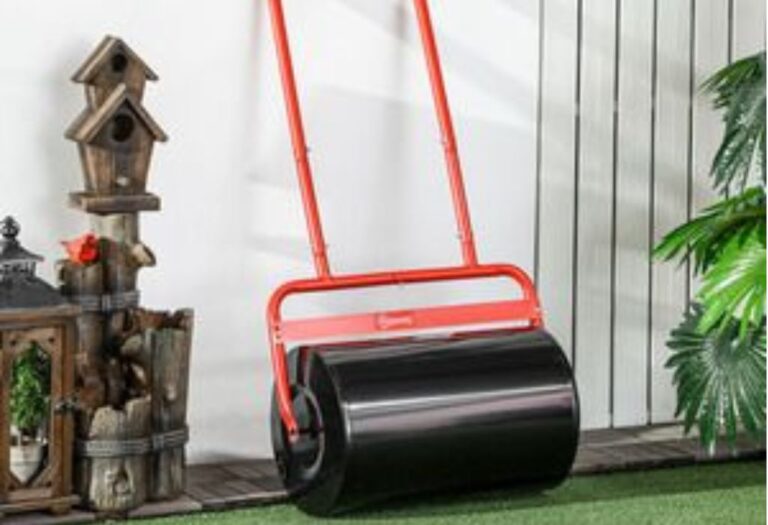
- Rolling Aerators: These consist of a drum filled with spikes. As you roll them over the lawn, the spikes penetrate the soil, creating holes. They are ideal for small to medium-sized lawns.
- Shoe Aerators: Aerator shoes attach to your regular footwear, letting you aerate your lawn as you walk. They are best for small areas or spot treatments.
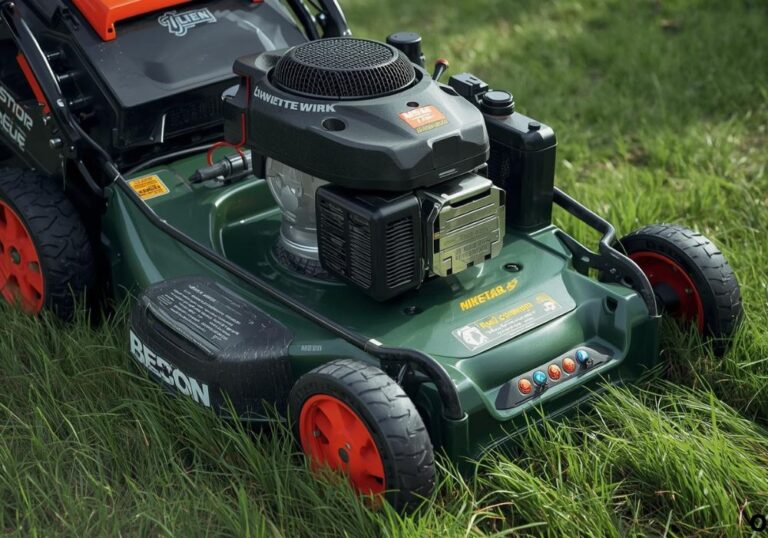
- Gas-Powered Aerators: These are self-propelled machines that are ideal for larger lawns. They provide the most efficient aeration, with either core or spike tines, making the job much easier.
- Tow-Behind Aerators: These connect to a riding lawnmower or tractor. They are perfect for aerating large properties efficiently.
If you have a compact lawn, then a manual aerator might do the trick. A manual push aerator is a cost-effective choice. It will require physical effort, but it’s an excellent way to get some exercise. If you are handling a bigger property, a gas-powered model is more effective. They do the work faster. For even bigger areas, a tow-behind aerator connected to a riding lawnmower could be your best choice. Consider which choice aligns with your lawn care needs, time availability, and physical capabilities.
When to Aerate Your Lawn for Best Results

Timing your lawn aeration is important for maximizing the benefits. Aerating at the right time of year ensures your grass can recover quickly and get the most out of the process. Aerating at the wrong time can stress your grass. The best time to aerate is often in the growing season, when the grass is actively growing. Let’s explore the key factors to consider. This will set the stage for a healthy lawn.
Best Times to Aerate
Generally, you should aerate during the growing season. This ensures that the grass can recover quickly, filling in the holes created by the aerator. For cool-season grasses, like Kentucky bluegrass and fescue, this is typically in the early spring or early fall. Warm-season grasses, such as Bermuda and St. Augustine, do best when aerated in late spring or early summer. These specific periods coincide with the peak growing phases of each grass type, helping the turf to bounce back quickly. Aerating at the right moment means a better lawn. Understanding your grass type is key.
- Early Spring: For cool-season grasses, aerating in early spring allows the grass to recover and prepare for the upcoming growing season. This timing maximizes the uptake of nutrients and water.
- Early Fall: Another ideal time for cool-season grasses, early fall aeration encourages root growth before winter, resulting in a stronger lawn the following spring.
- Late Spring/Early Summer: Warm-season grasses benefit from aeration during these months, as the weather is warm and the grass is actively growing. This helps the grass recover quickly and take advantage of the aeration benefits.
- Avoid Summer Heat: Avoid aerating during the hottest months, as this can stress the grass.
- Avoid Winter Dormancy: Aerating while the grass is dormant can delay recovery and potentially damage the turf.
The specific conditions in your area influence the best time to aerate. For example, if you live in a region with heavy rainfall, aerating just before a dry period can be beneficial. This reduces water logging while allowing air into the soil. Observe your lawn’s health and growing patterns to refine your aeration schedule. It is best to avoid aeration when your lawn is waterlogged, since this may further compact the soil. Also, make sure that your aerator is in good working condition before starting your work.
Signs Your Lawn Needs Aeration
Before you get started, look for signs that your lawn could benefit from aeration. Compacted soil is a major indicator, and you can test for it by trying to push a screwdriver into the ground. If it goes in easily, your soil isn’t compacted. If it’s hard to push in, you may need to aerate. Also, consider the types of grass. Established lawns will benefit from aeration. Recognizing these signs helps you make the most of this process. Observing your lawn can show you when and if aeration is needed.
- Compacted Soil: Check for hard, compacted soil. If it is hard to drive a screwdriver into the ground, it’s a sure sign your soil needs aeration.
- Excessive Thatch: Thatch is a layer of dead grass, roots, and debris that accumulates on the soil surface. A thatch layer more than 0.5 inches thick can prevent water and nutrients from reaching the soil.
- Poor Water Absorption: If water runs off the surface instead of soaking in, compaction may be the issue. Aeration can help the soil absorb water and nutrients more effectively.
- Sparse or Thin Grass: Compacted soil limits root growth. If you notice thin or sparse patches of grass, aeration may help.
- High Foot Traffic: Lawns that experience heavy use, such as areas where kids play or pets run, often need more frequent aeration.
Conduct a simple test with a screwdriver. If you struggle to push it into the ground, aeration will help. Excessive thatch is another indicator. A thatch layer thicker than half an inch can be a problem. Observe your lawn after watering. If the water runs off instead of absorbing, it’s a sign of soil compaction. Note thin spots or areas where the grass struggles to grow. This tells you when to aerate to maximize your efforts. Aeration helps you address soil health issues.
Steps for Effective Lawn Aeration
Knowing how to prepare your lawn and perform aeration correctly can boost your efforts. From preparing your lawn to using the aerator and taking care after the process, each step plays a crucial role. We will explore each stage. These steps will guide you through the process, leading to a greener and more resilient lawn.
Preparing Your Lawn for Aeration
Preparing your lawn is an important step before you start aeration. This involves mowing, watering, and marking any underground utilities. Mowing the grass will make the aeration process more efficient. Watering the lawn will soften the soil. Also, marking utility lines will ensure safety. Following these preparations creates an optimal environment. Taking these simple steps can make the aeration process go smoothly.
- Mow the Lawn: Mow your lawn to a lower height than usual. This makes it easier for the aerator to penetrate the soil. It also helps with the removal of soil cores if using a core aerator.
- Water the Lawn: Water your lawn a day or two before aerating. Moist soil makes it easier for the aerator tines to penetrate the ground. However, don’t overwater. Avoid aeration when the ground is waterlogged.
- Mark Utilities: Call your local utility company to mark any underground lines (gas, water, electric). This is essential to prevent damage to these lines during the aeration process.
- Clear the Area: Remove any obstacles from the lawn, such as toys, rocks, or garden hoses. This ensures the aerator can move freely.
Mowing your lawn close before aeration helps the aerator work more effectively. Water your lawn. It should be moist but not waterlogged. The dampness helps the aerator tines penetrate the soil more easily. Prioritize safety by marking any underground utilities. This avoids damaging pipes or electrical lines. Clearing the area removes obstacles. Also, it allows the aerator to move without obstruction. Following these steps helps you prepare for the aeration process.
Operating the Aerator
Proper use of the aerator is essential for maximizing its effectiveness. Whether you use a manual, gas, or tow-behind aerator, the technique remains similar. Overlapping passes and changing directions can ensure thorough aeration. Always check your equipment before starting. Here’s a guide to using your aerator correctly. This will help you get the best outcomes.
- Using a Manual Aerator: For manual aerators, place the aerator over the area you want to aerate and use your body weight to push the tines into the soil. Step on the tines and push them down. Repeat over the entire lawn, overlapping slightly on each pass.
- Using a Gas-Powered Aerator: With a gas-powered aerator, start the machine and guide it across your lawn in straight, parallel lines. Overlap each pass by a few inches to ensure full coverage. Adjust your speed to ensure the tines fully penetrate the soil.
- Using a Tow-Behind Aerator: Attach the aerator to your lawn tractor or riding mower. Lower the tines to the desired depth and drive over the lawn, following a grid pattern to ensure complete coverage. Check and adjust the depth as needed.
- Overlapping Passes: Whether manual or machine-operated, overlap your passes to ensure full coverage. This means that each pass should slightly overlap the previous one.
- Changing Directions: Change directions (e.g., make one pass north to south and the next east to west) to ensure more complete soil aeration.
Manual aerators are simple. Position the aerator and step on the tines to push them into the ground. Repeat this process across your lawn, making sure to overlap slightly for coverage. With gas-powered aerators, start the machine and guide it in straight, parallel lines across your lawn. Overlap each pass slightly for full coverage. Drive a tow-behind aerator with your lawn tractor or riding mower. Always go in a grid-like pattern. Ensure the tines penetrate to the required depth. These methods help to fully aerate your yard. Remember to follow the safety recommendations from the manufacturer. Also, be sure to wear sturdy shoes when aerating manually.
Post-Aeration Care
Taking care of your lawn after aeration is important. This involves leaving the soil cores on the lawn, watering deeply, and fertilizing and overseeding (if desired). Following these steps ensures your lawn benefits from the aeration. These steps will help you achieve a healthier and more beautiful lawn. They contribute to the overall health and vigor of the grass.
- Leave Soil Cores: If using a core aerator, leave the soil cores on the lawn. They will break down and return nutrients to the soil.
- Water Deeply: After aerating, water your lawn deeply. This will help the soil settle and the grass roots to grow.
- Fertilize: Apply a fertilizer after aeration to provide essential nutrients that promote root development and overall grass health.
- Overseed: Aeration is a great time to overseed your lawn. This will help fill in any bare spots and create a thicker lawn.
- Continue Regular Maintenance: Continue regular lawn care practices like mowing and watering to maintain the benefits of aeration.
After aerating, leave the soil cores on your lawn. These cores provide nutrients as they decompose. Water your lawn after aeration. Deep watering will assist with soil settling. It also encourages grass root growth. Consider adding fertilizer after aeration. This provides key nutrients for root development. Overseed your lawn after aerating. You can fill in any bare patches and promote a thicker lawn. Continue regular maintenance. Proper care supports your lawn’s health.
Using Lawn Aerators Safely
Safety should be a top priority when using a lawn aerator. This equipment involves moving parts and potential hazards. Knowing how to safely use the aerator and wear the right safety gear is very important. This also protects you and helps avoid accidents. Following these steps helps prevent injury and ensures a smooth aeration process.
Safety Equipment and Precautions
Safety comes first when operating any type of lawn aerator. Wearing the right safety equipment will protect you from potential harm. Understanding and following safety guidelines prevents accidents. Always prioritize your safety. This involves wearing proper footwear and clothing. Be aware of your surroundings, and follow all manufacturer’s guidelines. These safety measures create a safer operating environment and prevent injuries.
- Wear Appropriate Footwear: Wear closed-toe shoes or sturdy work boots. This protects your feet from injury, particularly when using a manual aerator.
- Use Eye Protection: Wear safety glasses or goggles to prevent debris from entering your eyes during operation.
- Wear Gloves: Wear work gloves to protect your hands from scrapes and blisters.
- Clear the Area: Make sure the area is free of obstacles, such as rocks, toys, and low-hanging branches, to prevent accidents.
- Read the Manual: Always read the manufacturer’s manual for specific safety instructions and operating procedures.
When operating your aerator, wear closed-toe shoes or work boots. This protects your feet. Always use eye protection. Wear safety glasses or goggles to protect your eyes from debris. Wear gloves to protect your hands. Ensure that the area is clear of obstacles. Rocks and toys can cause accidents. You should always read the manufacturer’s manual. This contains specific safety guidelines for your equipment. Taking these precautions can enhance safety. They help keep you safe.
Handling Potential Hazards
There are potential hazards associated with lawn aeration. Knowing how to handle these hazards safely is crucial. This includes being aware of underground utilities and avoiding them. It also means managing the equipment safely. Prioritizing safety minimizes the risk of injury or damage. Careful handling promotes a secure working environment.
- Beware of Underground Utilities: Before aerating, call your local utility company to mark the location of underground lines. Avoid aerating over or near these lines to prevent damage or injury.
- Use the Equipment as Directed: Follow the manufacturer’s instructions for the operation of the aerator. Do not alter the equipment.
- Be Mindful of Slopes: When using gas-powered or tow-behind aerators, use extra caution on slopes or uneven terrain to prevent tipping.
- Stop the Machine When Not in Use: Turn off the engine and let the aerator come to a complete stop before making adjustments or clearing any clogs.
- Store Properly: Store your aerator in a safe, dry location to prevent damage and ensure it’s ready for the next use.
Before aerating, call your local utility company to locate underground lines. Aerate cautiously near these lines to prevent any potential damage. Always follow the equipment manufacturer’s instructions for operation. Also, don’t change the equipment. On slopes or uneven terrain, use caution. Prevent tipping. Make sure that you stop the machine before making adjustments or removing any clogs. Store your aerator correctly. This protects it. Proper storage assures you that it will be ready for the next use.
Maintaining and Storing Your Lawn Aerator
Proper maintenance and storage of your lawn aerator will ensure its longevity and continued performance. This includes cleaning, inspecting, and storing the equipment. A well-maintained aerator will provide consistent results. Effective storage preserves the aerator. This promotes optimal lawn care.
Cleaning and Inspecting Your Aerator
Regular maintenance is a must for keeping your aerator in top condition. Cleaning the aerator after each use will remove any debris and prevent corrosion. Inspecting the parts will help you identify any damage. Maintaining the aerator allows for efficient performance and extends the equipment’s lifespan. These steps contribute to the reliable function of the aerator.
- Clean After Each Use: After each use, clean the aerator to remove grass clippings, soil, and debris. This helps prevent corrosion and prolongs the life of the machine.
- Inspect the Tines: Check the tines for wear or damage. Replace any broken or worn tines to ensure effective aeration.
- Check the Engine: For gas-powered aerators, check the engine for oil levels and any leaks. Follow the manufacturer’s instructions for maintenance.
- Lubricate Moving Parts: Lubricate any moving parts to ensure smooth operation and prevent wear and tear.
- Tighten Bolts and Screws: Regularly check and tighten all bolts and screws to prevent vibrations and ensure the aerator is working correctly.
Always clean the aerator after each use. Cleaning removes clippings, soil, and debris, which prevents corrosion. Inspect the tines for wear or damage and replace worn ones. For gas-powered aerators, check the engine’s oil levels. Also, check for leaks and follow the manufacturer’s maintenance instructions. Lubricate the moving parts to ensure smooth operation. Check and tighten bolts and screws. This makes sure the aerator works correctly. Regular maintenance keeps your aerator in shape.
Storing Your Aerator Properly
Proper storage is just as essential as maintenance. Storing your aerator in a dry and safe place will protect it from the elements. This protects it from damage. Correct storage also prolongs the machine’s life, keeping it ready for future use. Appropriate storage safeguards the machine. It ensures it remains in good shape for the next aeration cycle.
- Clean and Dry: Before storing, make sure the aerator is clean and completely dry. This prevents rust and corrosion.
- Store in a Dry Place: Store the aerator in a dry location, such as a garage or shed, to protect it from moisture.
- Cover for Protection: Consider covering the aerator with a tarp or a protective cover to prevent dust and other debris from accumulating.
- Protect from Extreme Temperatures: Avoid storing the aerator in areas with extreme temperature fluctuations. This can damage components.
- Store Upright or as Recommended: Store the aerator upright, or as recommended in the manufacturer’s instructions, to prevent any leakage or damage to components.
Make sure the aerator is clean and dry. This prevents rust and corrosion. Store it in a dry location, like a garage or shed, to protect it from moisture. Consider covering the aerator to prevent dust from building up. Avoid areas with significant temperature changes. Store the aerator upright or as recommended to prevent damage to the components. Following these storage tips ensures that the aerator stays in excellent condition.
Frequently Asked Questions
Question: How often should I aerate my lawn?
Answer: Aerate your lawn once or twice a year, especially if you have a high-traffic area. The frequency depends on your soil type and lawn use.
Question: What’s the difference between core aeration and spike aeration?
Answer: Core aeration removes soil plugs to improve air and water flow, while spike aeration pokes holes in the ground without removing soil. Core aeration is usually more effective.
Question: Can I aerate my lawn myself, or do I need a professional?
Answer: You can certainly aerate your lawn yourself with a rental or purchased aerator. For large lawns, consider a professional service.
Question: What should I do after aerating my lawn?
Answer: After aerating, water deeply, fertilize, and overseed if needed. Also, leave the soil cores on your lawn.
Question: Is there a best time of year to aerate my lawn?
Answer: For cool-season grasses, aerate in early spring or early fall. Warm-season grasses benefit from aeration in late spring or early summer.
Final Thoughts
Now you know the answer to how to use a lawn aerator and achieve a healthier lawn! From choosing the right type of aerator to understanding when to aerate and how to maintain the equipment, this guide covers everything you need to know. Remember, preparing your lawn, following safety guidelines, and applying post-aeration care are all essential steps. By sticking to these instructions, you’ll ensure that your efforts result in a vibrant and thriving lawn. Embrace this process. Take action. Get out there and give your lawn the air it needs. With a little effort, your yard will reward you with lush, green grass.