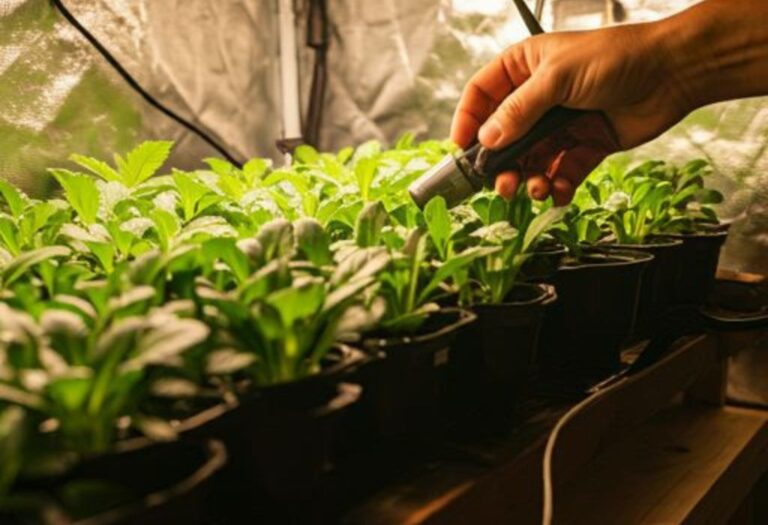
Reducing Grow Tent Odor: Simple Steps for Better Air Quality
Many people find that figuring out how to reduce smell in grow tent can be a tricky task when they start. It’s a common issue, and don’t worry, you’re not alone! The good news is, there are some straightforward solutions. This guide will walk you through easy steps to keep your grow space smelling fresh. Let’s get started and learn how to make your tent a pleasant environment, one step at a time.
Identifying and Addressing Grow Tent Odor Challenges
Before you jump into solutions, it’s key to identify what’s causing the odor in your grow tent. Is it the plants themselves, or could it be mold, mildew, or something else entirely? Different sources of scent call for different approaches. Addressing the specific source ensures that you’re picking the most effective methods to maintain the right scent. Proper identification leads to a successful plan to ensure a healthy environment. It will make all the difference in odor control.
Recognizing the Common Causes of Grow Tent Smells
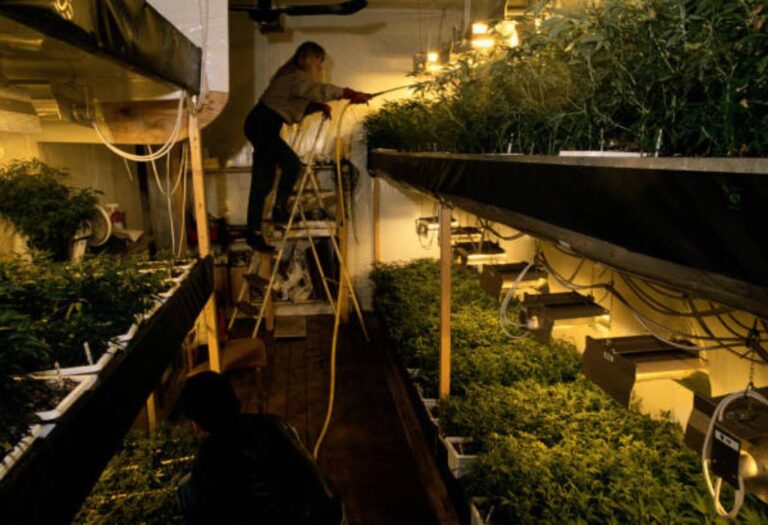
Grow tents are great for providing a controlled environment for plants. However, this also means smells can become trapped if not properly managed. Various factors can contribute to unwanted odors, impacting the tent’s overall air quality. It is important to know the common causes of unwanted smells to solve them appropriately. Here are some of the key culprits: plant type and plant stage of development, types of nutrients or fertilizers, and environmental conditions inside the tent.
- Plant Development: As plants grow, they release volatile organic compounds (VOCs). These compounds are what produce the smell. Different phases of growth impact the type and intensity of these odors.For example, during flowering, plants produce strong, aromatic compounds. The intensity varies depending on the species and environmental factors. Proper ventilation and air filtration become vital during these stages.
- Nutrients and Fertilizers: Some fertilizers have strong odors. Using them might cause unpleasant smells, especially if they are not stored correctly. In addition, spilled or improperly stored fertilizers can intensify the smell.To avoid this, store fertilizers in airtight containers, away from the grow tent. Always follow the manufacturer’s instructions for mixing and use.
- Moisture and Humidity: High humidity levels inside a grow tent can support the growth of mold and mildew. These fungi release musty and earthy odors that can be quite unpleasant.Humidity is one of the most critical environmental elements to observe. Monitor and control humidity levels to help stop mold and mildew growth.
- Ventilation Issues: A lack of good ventilation traps odors. Stale air and moisture accumulate, creating a perfect environment for smell. This issue can stem from inadequate exhaust fans or improper setup.Make sure your tent has a sufficient ventilation system, and that your fans are running correctly. Clean or replace filters and other components to allow them to work efficiently.
- Poor Sanitation: Waste buildup and plant debris within the grow tent contribute to odors. Cleaning the tent often, removing dead leaves, and cleaning up any spills will go far in odor control.Create a cleaning routine for the tent, as well as all of the equipment used, to avoid odor issues. This includes regular cleaning of the floor and walls of the tent, as well as all equipment, trays, and pots.
The Role of Plant Type in Odor Intensity
The type of plants grown greatly impacts the strength of odors in a grow tent. Some plant species naturally produce more potent aromas than others. This is because they have different VOC profiles and concentrations. Some plants, especially during the flowering stage, generate very strong scents. This variance helps to highlight the importance of choosing the correct odor-control techniques to match your specific plant variety. Consider the plant type when you choose your approach to odor control.
- High-Aroma Varieties: Certain strains are well-known for their strong aromas. Growing these plants requires extra care to control odors. Consider the scent when choosing which plants to grow.When growing high-aroma varieties, make sure your ventilation and filtration are up to the job. Consider upgrading to a higher-rated carbon filter, or using a separate odor-control unit.
- Low-Aroma Alternatives: Some plants offer a less-pronounced scent, making odor control easier. These plants may be better choices for beginners or for those with sensitive neighbors.These plants may need less powerful odor-control systems, reducing the initial setup and maintenance needs. Using low-odor choices can provide easier management in a controlled environment.
- Understanding Plant Life Cycle: The stage of growth can also affect the intensity. During flowering, many plants produce more odors than during the vegetative stage.By monitoring the plant’s life cycle, you can adapt your approach. Increase odor-control efforts during peak phases and scale them back when the scent is less intense.
- Hybrid Variations: Some plants are hybrids that combine different traits. A hybrid can show a wide range of scent profiles.Research the specific hybrid you are growing. Learn about its scent characteristics to determine the needs of your grow tent environment.
Effective Ventilation Strategies for Odor Control

Proper ventilation is a key part of how to reduce smell in grow tent. A well-designed ventilation system helps remove odors, regulates temperature, and supplies fresh air. Without good ventilation, odors build up, which is far from ideal. By using the right equipment and setup techniques, you can make your grow tent a more pleasant environment.
Choosing the Right Ventilation Equipment
Selecting the right equipment is critical for effective ventilation. Several parts come together to form an ideal system, including exhaust fans, carbon filters, and intake fans. Your equipment choice depends on the size of your grow tent and the number of plants you grow. It’s a good idea to consider your needs before purchasing components. The right setup will make a big difference in air quality.
- Exhaust Fans: These fans pull air out of the grow tent. Look for inline fans, because they are efficient and quiet. Size your fan based on your grow tent’s cubic footage.Calculate the cubic footage by multiplying the tent’s length, width, and height. Then, choose a fan that can exchange the air in your tent every 1-3 minutes.
- Carbon Filters: Carbon filters remove odors from the air. A high-quality carbon filter, installed on your exhaust fan, will remove most scents.Change the filter every six to twelve months, depending on use. Make sure the filter is matched to the fan’s airflow capacity.
- Intake Fans: Intake fans bring fresh air into the tent. Use passive intake vents, or set up an intake fan.If you’re using an intake fan, make sure it is pulling in air from a clean area. Size the intake fan to match the exhaust fan to maintain proper air pressure.
- Ducting: Use flexible ducting to connect the fans and filter. Choose ducting that is the correct diameter for your equipment.Make sure the ducting is properly sealed to prevent air leaks. Use duct tape or clamps to connect all of the parts.
Setting Up Your Ventilation System Correctly
Proper set up is as critical as choosing the right equipment. To avoid odor build-up, set up your ventilation system to work efficiently. Proper installation of these parts leads to optimal performance. The setup involves airflow management, which will help to control odors and keep your environment fresh.
- Positioning the Exhaust Fan and Filter: Place the carbon filter inside the tent, connected to the exhaust fan. This helps remove odors before they leave.Attach the filter directly to the fan, and then vent the exhaust air outside the tent or through a window. The location is important, as you want to ensure the filter can reach the source of odors.
- Managing Air Pressure: Create a slight negative pressure inside the tent. This way, air is pulled in instead of pushed out.To achieve negative pressure, your exhaust fan should be slightly more powerful than your intake fan. This will prevent odors from escaping through any cracks or openings.
- Optimizing Airflow: Ensure the air moves freely within the tent. This prevents areas with stale air and uneven temperatures.Use fans to circulate air within the tent. Place them strategically to encourage uniform airflow, and to avoid hot spots and stagnant air pockets.
- Regular Maintenance: Check the entire system regularly, and perform any required maintenance to maintain peak performance. This includes cleaning the fan blades and replacing the carbon filter.Consistent inspection and maintenance will keep your ventilation system operating at its best. This reduces odors and makes sure the plants have the right environment to grow.
Using Carbon Filters and Air Purifiers to Control Grow Tent Odors
Carbon filters and air purifiers are great solutions for odor control. A carbon filter works by trapping odor-causing molecules. Air purifiers, on the other hand, can remove odors, mold, and other contaminants from the air. Both tools help keep the grow tent free of smells. Properly using these tools helps to maintain a clean environment.
Understanding Carbon Filter Operation
Carbon filters are one of the most effective methods to address grow tent odors. They use activated carbon to absorb odor-causing molecules. Activated carbon is very porous. It has a large surface area for trapping these molecules. This makes it ideal for removing odors from the air. They are a staple of odor control for a reason. These filters are an important part of a well-balanced odor control strategy.
- How Activated Carbon Works: Activated carbon is treated to create a large surface area. This allows it to absorb a large number of odor molecules.As air passes through the filter, the odor molecules stick to the carbon’s surface through a process called adsorption. This effectively removes the odors from the air.
- Filter Construction and Design: Carbon filters usually consist of a housing filled with activated carbon granules. The construction ensures that the air moves through the carbon to maximize the contact time.The design ensures optimal contact between the air and the carbon. This maximizes odor removal efficiency, making your grow tent smell fresh.
- Filter Ratings and Sizing: Carbon filters are rated based on their airflow capacity, measured in cubic feet per minute (CFM). Choosing the correct size for your ventilation system is critical.Select a filter that matches the CFM rating of your exhaust fan. This ensures that the filter handles the airflow efficiently.
- Maintenance and Lifespan: Carbon filters need regular maintenance. You will need to replace the filter every six to twelve months, or sooner if you’re growing odor-heavy plants.Monitor the filter and replace it when you start noticing odors returning. Regularly check the pre-filter (the layer of material that protects the carbon) to keep your filter working well.
Utilizing Air Purifiers Effectively
Air purifiers can also enhance odor control in grow tents. They use different technologies to remove unwanted scents. Air purifiers are often used as an additional layer of protection, alongside carbon filters. They help capture any remaining odors, leaving the environment fresh.
- Types of Air Purifiers: Air purifiers use several technologies to remove odors. HEPA filters are good at removing particles, while carbon filters capture odors. UV-C lights can also kill microbes.Choose a model that has both a HEPA filter and a carbon filter. This will help remove a wide range of contaminants, including odors, spores, and other pollutants.
- Placement and Operation: Put the air purifier in the grow tent. Make sure it is placed where it can circulate the air and filter it effectively.Position your purifier to maximize airflow and ensure efficient odor removal. Keep the purifier running constantly to continuously purify the air.
- Choosing the Right Size: Make sure the air purifier’s coverage area matches the size of your grow tent. Using an undersized purifier means you won’t get enough air purification.Size your purifier by calculating the volume of the grow tent. Then, select a purifier that can handle that volume of air multiple times per hour.
- Additional Considerations: Air purifiers help to reduce other contaminants, like allergens. They improve the overall air quality.Choose a model with the right features to match your needs. This can include a pre-filter, a timer, and filter-change reminders to help maintain efficiency.
Additional Methods for Minimizing Grow Tent Smells
Besides ventilation and filtration, many other ways help minimize odors in your grow tent. These approaches include controlling humidity, keeping your grow space clean, and possibly using odor-absorbing products. These approaches, when used together, can help create a fresh and pleasant growing environment.
Controlling Humidity and Its Effects
Keeping humidity levels in check is critical for odor control. Excessive humidity creates perfect conditions for mold and mildew. These fungi cause unpleasant, musty smells. Controlling humidity helps not only to keep odors down, but also to maintain the health of your plants. This helps to create a healthier environment.
- The Importance of Humidity Control: High humidity encourages mold and mildew, leading to foul odors. Lowering humidity helps stop these issues.Mold and mildew not only cause bad odors but can also harm your plants. Maintaining appropriate humidity levels protects your plants and the environment inside the grow tent.
- Using a Dehumidifier: A dehumidifier helps remove moisture from the air. Choose a dehumidifier suitable for the size of your grow tent.Place the dehumidifier in the tent to effectively reduce humidity. This prevents mold and mildew.
- Monitoring Humidity Levels: Use a hygrometer to track humidity. Aim for 40-60% relative humidity.Regular monitoring is key to adjusting your ventilation and dehumidification systems as needed.
- Ventilation for Humidity Control: Increase ventilation to remove excess moisture. Proper airflow helps regulate humidity.Use exhaust fans to exchange the air and remove moist air. Make sure your intake fans work well, too.
Maintaining Cleanliness in the Grow Space
Cleanliness is a key factor in keeping odors at bay. Regular cleaning removes potential sources of smell, such as decaying plant matter, spills, and other debris. Cleanliness helps maintain a fresh, healthy growing environment.
- Regular Cleaning Schedule: Create a cleaning plan to ensure a fresh environment. The plan should include cleaning the floor, walls, and any equipment.Develop a cleaning routine to help control odors and prevent build-up. This routine will help maintain a fresh environment, too.
- Removing Debris and Waste: Remove any dead leaves, fallen plant parts, and any other waste from the tent.Any waste, especially decaying plant matter, can be a source of odors. Removing them prevents unwanted smells.
- Cleaning Equipment and Surfaces: Clean all surfaces and equipment using a mild cleaning solution. Disinfect your surfaces to remove odors.Cleaning all surfaces helps to remove smells and prevents the growth of mold or mildew. Be sure to disinfect surfaces to keep them clean.
- Proper Waste Disposal: Always dispose of all waste in sealed bags or containers. This prevents the spread of odors.Ensure proper disposal of any waste to prevent odors. Use sealed bags or containers to prevent unwanted smells.
Considering Odor-Absorbing Products
In addition to active odor-control methods, you might also use products to absorb odors. These products, when used along with ventilation and cleaning, can help provide additional odor control. There are several options available, from gels to activated carbon pouches. These products act as an extra layer of protection.
- Activated Carbon Pouches: Place these pouches around the grow tent to absorb odors. They are a passive odor-control option.Place these pouches in strategic locations to absorb the scent. Replace them according to the manufacturer’s directions.
- Odor-Absorbing Gels: These gels trap odors and keep the environment smelling fresh. Choose gels made to neutralize odors.These gels are placed within the tent. The gel will absorb airborne odor molecules.
- Air Fresheners (Use with Caution): Some air fresheners can help mask odors. Be careful when using them, because some can damage plants.Choose air fresheners that are made for grow tents. Many traditional air fresheners can cause damage to your plants, so be cautious.
- Natural Solutions: You can also use natural methods. These include baking soda or vinegar.These options can help absorb odors without the use of harmful chemicals. Test these out in a hidden space before use.
Frequently Asked Questions
Question: How often should I replace my carbon filter?
Answer: It is important to change your carbon filter every six to twelve months, depending on use and the intensity of odors. Monitor the filter for odors, and replace it earlier if the smells return.
Question: Can I use air fresheners in my grow tent?
Answer: It is best to avoid air fresheners, as many can contain chemicals that may harm your plants. If you want to use them, ensure they are designed for grow tents and plant-safe.
Question: What is the best way to control humidity in a grow tent?
Answer: Use a dehumidifier to remove moisture from the air. Proper ventilation, including intake and exhaust fans, also helps manage humidity.
Question: How do I choose the right size of carbon filter?
Answer: Make sure your carbon filter matches the CFM (cubic feet per minute) rating of your exhaust fan. This ensures the filter handles airflow efficiently.
Question: What should I do if my grow tent still smells after implementing these methods?
Answer: Check all of your equipment and practices. Ensure that all the steps are being followed properly. If the smell continues, you may need to check for leaks, or upgrade your equipment.
Final Thoughts
By exploring how to reduce smell in grow tent, you’ve learned several key strategies to keep your growing space fresh and pleasant. From effective ventilation and the use of carbon filters to managing humidity and keeping the area clean, several methods help to achieve your goal. This ensures you maintain control of the environment. Remember, regular maintenance and proactive attention to detail are key. By following these easy steps, you can create a fresh and healthy environment for your plants. With a little effort, you can enjoy a more enjoyable and controlled environment. Get started today, and you’ll soon experience the difference a well-managed grow tent can make!