How to Disinfect Pruning Shears and Stop Plant Diseases
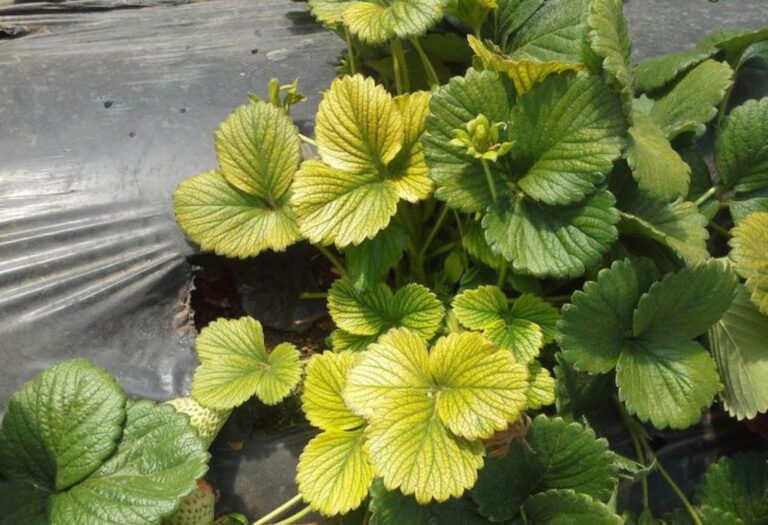
A gardener walks through the backyard with sharp pruning shears in hand. Branches fall cleanly with each snip, but what cannot be seen are the microscopic hitchhikers clinging to the blades. Fungal spores, bacteria, and even plant viruses can transfer silently from one cut to the next. Days later, yellowing leaves, wilting stems, or black spots reveal a spreading infection that could have been avoided with one simple step—tool disinfection.
Most people think of sunlight, soil nutrients, or watering schedules as the main factors in plant health. Few realize that dirty tools are one of the fastest ways to spread diseases across an entire garden. According to University of Minnesota Extension, pruning shears are a frequent vector for fungal and bacterial pathogens. A single session without disinfection can be enough to transfer blight, canker, or leaf spot from one plant to another.
The good news is that disinfecting shears is neither complicated nor expensive. Using household products such as alcohol or bleach—or specialized horticultural disinfectants—gardeners can drastically reduce disease spread. This article provides a complete guide on how to disinfect pruning shears, including the science, timing, best methods, and aftercare routines to keep both tools and plants healthy.
What Disinfection Really Means for Garden Tools

When gardeners talk about disinfecting, sanitizing, or sterilizing tools, the terms are often used interchangeably. But in plant care, it is important to distinguish them.
Cleaning refers to removing visible dirt, sap, or plant material from blades. This step is critical because disinfectants are far less effective on dirty surfaces. Sticky sap can trap pathogens beneath, protecting them from contact with chemicals.
Disinfecting goes further by using products that kill or deactivate most bacteria, fungi, and viruses. This is the realistic and recommended goal for gardeners.
Sterilization, the complete elimination of all microorganisms, is rarely achievable in field conditions. Hospitals and laboratories may sterilize instruments with pressurized steam or chemicals, but gardeners need only disinfection to protect plants.
Recognizing the difference ensures that gardeners don’t mistake shiny blades for safe ones. A tool can look clean but still carry pathogens invisible to the eye.
Why Disinfecting Pruning Shears Is Essential
Unsterilized tools are one of the most common ways diseases spread across gardens, orchards, and vineyards. When blades cut through an infected branch, sap carrying pathogens adheres to the metal. On the very next cut, those microbes are transferred into fresh plant tissue, creating a new infection site.
Diseases such as fire blight in apple and pear trees, bacterial canker in cherries, and powdery mildew on ornamentals are all known to spread this way. Once introduced, some pathogens persist in plant tissue or soil for years, making them extremely difficult to eliminate.
Beyond plant health, dirty shears also degrade faster. Sap buildup leads to sticky hinges and accelerates corrosion. Pitted or rusted surfaces are harder to disinfect thoroughly, creating a cycle where both tools and plants suffer.
A simple disinfection routine is therefore both a plant-protection strategy and a form of preventive tool maintenance.
When to Disinfect Pruning Shears
Timing matters as much as method. Disinfection should not be reserved for the end of the gardening season. Instead, it should be integrated into everyday practice.
Before pruning, shears should be scrubbed free of dirt and residue. During pruning sessions, disinfecting between plants is the gold standard, especially when moving between species or varieties. If a plant shows any sign of disease, disinfecting after every cut is recommended. This may seem excessive, but it prevents exponential spread.
At the end of the day, disinfect tools thoroughly before storage. This prevents microbial buildup and reduces corrosion from lingering sap. Seasonal disinfecting before winter storage and again at spring startup ensures that tools do not carry pathogens across seasons.
By following these timings, gardeners minimize risk at every stage of tool use.
How to Disinfect Pruning Shears: Proven Methods

The actual disinfection process involves two steps: cleaning and applying a disinfectant. Cleaning removes barriers, and disinfection neutralizes pathogens. Different methods provide varying balances of effectiveness, convenience, safety, and tool preservation.
Alcohol Disinfection
Isopropyl or ethanol alcohol at 70% or higher concentration is one of the most effective and convenient methods. Shears can be wiped with soaked cloths, dipped briefly in a container, or sprayed directly. Alcohol kills a broad range of pathogens within seconds.
The major advantage is speed. No soaking or rinsing is needed, and blades dry quickly through evaporation. Alcohol is also less corrosive to metal than bleach, making it suitable for frequent use.
The main precaution is flammability. Disinfect in well-ventilated areas, avoid open flames, and store bottles securely.
Bleach Solution
Household bleach, diluted to 10% with water, is another widely recommended disinfectant. Submerging blades for three to ten minutes effectively kills bacteria, fungi, and viruses.
Bleach is inexpensive and strong, but it has drawbacks. It corrodes metal, weakens blade coatings, and produces irritating fumes. After soaking, tools must be rinsed thoroughly and dried to prevent rust. Fresh solutions should be prepared each day because bleach quickly loses strength.
For gardeners handling highly infectious diseases like fire blight, bleach may be worth the extra caution due to its strong pathogen-killing power.
Household Disinfectants and Commercial Products
Common disinfectants such as Lysol sprays, Pine-Sol solutions, and even mouthwash like Listerine are sometimes used. They are generally less corrosive than bleach and more convenient than preparing fresh solutions.
Commercial horticultural disinfectants like Physan 20 and ZeroTol are designed for plant environments. They combine high efficacy with lower risk of corrosion. Although costlier, they are recommended for professional growers who disinfect tools frequently.
Heat and Steam
For gardeners preferring chemical-free approaches, heat is an option. Boiling or steaming all-metal shears for ten to fifteen minutes effectively kills pathogens.
This method, however, is impractical during active pruning sessions. It is best suited for seasonal deep cleaning. Tools with plastic or rubber parts should not be subjected to high heat, as components may melt or loosen.
Step-by-Step Workflow for Pruning Sessions
Disinfecting shears should fit smoothly into gardening routines. A simple station can make the process efficient and repeatable.
Begin with a bucket of soapy water and a stiff brush to clean off dirt and sap. A spray bottle filled with alcohol or disinfectant keeps things simple for in-field use. A towel for drying and gloves for safety complete the setup.
During pruning, spray or dip blades between plants. If pruning diseased branches, disinfect after each cut. Having two pairs of shears helps maintain workflow—one can soak while the other is used.
At the end of the day, repeat the cleaning and disinfection process before drying and storing the tools. This ensures they are ready for the next session without hidden risks.
Post-Disinfection Care
Disinfection is not the last step in tool care. To ensure shears last for years, follow up with drying, oiling, and proper storage.
After bleach or other corrosive products, rinse blades thoroughly with clean water. Wipe with a towel and allow air drying in a ventilated space. Apply a thin coat of mineral oil or specialized lubricant to hinges and blades to prevent rust.
Wooden handles also require attention. Occasionally rub linseed oil into the wood to prevent cracking and extend lifespan. Store shears in a dry area, preferably hanging on a wall to avoid ground moisture.
Regular aftercare not only preserves tools but also ensures disinfectants are fully effective the next time they are used.
Special Considerations for Serious Plant Diseases
Some plant diseases require stricter disinfection routines. Fire blight, for instance, is highly contagious and can devastate fruit trees. For this disease, experts recommend disinfecting after every single cut. Alcohol is often preferred because it works quickly without the need for rinsing.
For tools showing rust pits or heavy corrosion, replacement may be the safest choice. Pitted surfaces trap pathogens in tiny crevices that disinfectants cannot reach reliably. Using such tools risks undoing all the effort of disinfection.
Grafting knives, pruning saws, and specialty blades should also follow the same routines, with extra care given to hard-to-reach joints and serrated edges.
Comparing Methods: Which Works Best?

Each method has strengths and weaknesses. Alcohol is fast, effective, and convenient for routine use. Bleach is inexpensive and strong but requires careful handling. Household sprays are convenient but vary in effectiveness. Commercial products balance efficacy and tool safety at a higher cost. Heat offers a non-chemical option but lacks field practicality.
The best approach often involves combining methods. Alcohol may serve as the daily routine, while bleach or heat can provide deeper seasonal sanitation. Commercial disinfectants are ideal for those who prune extensively or manage orchards.
By understanding these trade-offs, gardeners can choose the method that fits their tools, plants, and routines.
Summary of Best Practices
Disinfection is not optional—it is essential for preventing disease spread and maintaining tool quality. The process begins with cleaning, followed by disinfection with alcohol, bleach, or commercial products. Post-disinfection care through drying, oiling, and proper storage ensures long-term tool health.
Consistency matters more than perfection. The most effective disinfectant is the one used regularly. By creating a habit of disinfecting shears before, during, and after pruning, gardeners dramatically reduce the risk of spreading infections.
Setting up a simple disinfecting station with spray bottles, buckets, and towels makes the practice seamless. Over time, this small habit becomes the most powerful defense against garden diseases.
Conclusion
Learning how to disinfect pruning shears is one of the most important steps in protecting a garden. Dirty blades can spread invisible threats that ruin entire plantings, while disinfected tools keep gardens thriving.
The methods are simple, the supplies affordable, and the benefits significant. Alcohol offers fast, everyday protection; bleach and heat provide deeper sanitation; and commercial products ensure professional-level care. Combined with proper drying, oiling, and storage, these practices extend the life of tools and safeguard plant health.
Every gardener, whether tending roses on a balcony or managing fruit trees in an orchard, benefits from adopting this habit. A few extra minutes spent disinfecting tools can save entire seasons of growth from disease.

I’m Maya L. Greenwood, a lifelong plant lover who believes anyone can grow something beautiful with the right guidance. After years of testing soil mixes, pruning methods, irrigation tricks, and pest-safe solutions, I started EasyGardenTips.com to turn hard-won lessons into step-by-step advice. From seed starting and container gardens to composting and seasonal checklists, my goal is to make gardening simple, sustainable, and fun.