How to Sanitize Pruning Shears Safely Before Gardening
A gardener trims back a seemingly healthy rose bush on a warm spring day. Weeks later, brown spots appear on nearby plants, spreading like wildfire across the bed. The culprit is not poor soil or lack of water—it is the pair of pruning shears carrying invisible spores from one plant to another.
Plant diseases spread silently, and dirty tools are among the most common carriers. According to University of Minnesota Extension, pruning shears often transfer fungal, bacterial, and viral pathogens between plants. Even one unclean cut can trigger widespread infection across a garden.
Fortunately, learning how to sanitize pruning shears is simple, affordable, and highly effective. Everyday household solutions, combined with proper timing and aftercare, prevent cross-contamination and keep gardens healthy. This guide explains the science, timing, proven methods, and maintenance routines every gardener should follow.
What “Sanitize” Means for Garden Tools

In gardening, the term “sanitize” is often used alongside “disinfect” or “sterilize,” but they have different meanings. Cleaning means removing visible dirt, sap, or debris. This step is essential because disinfectants only work properly on clean surfaces.
Sanitizing or disinfecting involves applying chemicals or heat that reduce pathogens to safe levels. This protects plants from bacteria, fungi, and viruses that cause disease. Sterilization, the complete destruction of all microbes, is unnecessary in most garden settings. Hospitals may sterilize instruments, but gardeners only need thorough sanitation.
The distinction matters. A tool that looks shiny after wiping with a cloth may still harbor microbes. Without sanitation, pathogens remain on the surface and spread easily from cut to cut.
Why Sanitizing Pruning Shears Is Essential
Every time pruning shears cut through a branch, sap and plant tissue stick to the blades. If the plant is infected, pathogens cling to this residue. On the next cut, these organisms enter fresh plant tissue, creating a direct pathway for infection.
Diseases such as fire blight in apple and pear trees, bacterial canker in cherries, and fungal leaf spots are well-known examples of pathogens transmitted through tools. Once introduced, these infections are hard to eliminate and can persist for seasons.
Tool maintenance is another factor. Sap buildup corrodes metal and dulls blades. Corrosion creates small pits where pathogens hide, making them even harder to remove. By sanitizing regularly, gardeners not only protect plants but also extend the life of their tools.
When to Sanitize Pruning Shears
Timing determines how effective sanitation will be. It is not enough to clean tools only at the end of the gardening season. Instead, sanitization must be part of daily practice.
Shears should be cleaned and sanitized before pruning begins. During sessions, tools should be disinfected between plants, especially when moving from one species to another. When working with diseased plants, sanitizing after each cut is critical to stop disease spread.
At the end of each day, tools should undergo a thorough cleaning and sanitization before being stored. Seasonal care is also important. Before tools are stored for winter and again at the start of spring, they should be fully sanitized to ensure no pathogens survive across seasons.
By treating sanitization as routine, gardeners drastically reduce the risk of cross-contamination.
Proven Methods: How to Sanitize Pruning Shears
Sanitization involves two main steps: cleaning and disinfecting. Cleaning removes dirt and sap, while disinfectants kill or deactivate pathogens. Different methods provide unique advantages and limitations.
Alcohol (Isopropyl or Ethanol)
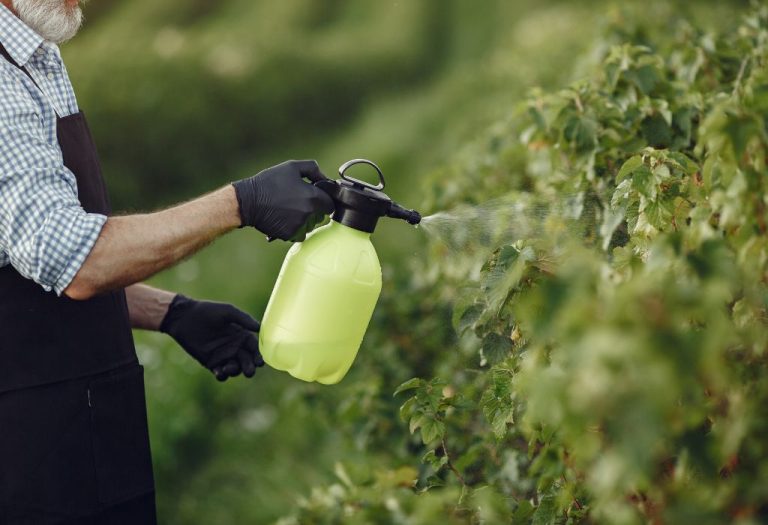
One of the fastest and most reliable methods is alcohol. A concentration of 70% or higher is effective against a broad spectrum of bacteria, fungi, and viruses. Shears can be wiped, dipped, or sprayed with alcohol.
Alcohol evaporates quickly, which means no rinsing is required. It is also less corrosive to metal compared to bleach. This makes it ideal for routine use during pruning sessions. The main caution is flammability, so it should be used in ventilated spaces and kept away from flames.
Bleach Solution
A 10% bleach solution, made by mixing one part bleach with nine parts water, is another powerful disinfectant. Soaking blades for three to ten minutes effectively kills most pathogens.
Bleach is inexpensive but comes with drawbacks. It corrodes metal, damages protective coatings, and creates harmful fumes. After soaking, shears must be rinsed thoroughly, dried, and oiled to prevent rust. Fresh solutions should be mixed daily, as bleach loses potency within hours.
This method is best reserved for end-of-day or seasonal sanitization rather than quick, in-session use.
Household Disinfectants and Commercial Products
Household disinfectants like Lysol sprays, Pine-Sol solutions, or disinfecting wipes can also sanitize pruning shears. These products are often less corrosive than bleach and convenient for field use. The key is to keep the blades wet for the full contact time listed on the label.
Commercial horticultural products such as Physan 20 or ZeroTol are designed specifically for garden environments. They combine strong pathogen control with reduced risk of corrosion. Although more expensive, they are a worthwhile investment for serious gardeners or professionals.
Heat and Steam
For those avoiding chemicals, heat is an effective option. Boiling or steaming all-metal tools for ten to fifteen minutes kills pathogens completely.
The limitation is practicality. Heat methods are unsuitable for active pruning sessions and cannot be used on tools with plastic or rubber parts. They are best for seasonal deep cleaning of shears.
Step-by-Step Workflow for Pruning Sessions
A well-organized workflow ensures sanitation is not forgotten. Begin by cleaning shears with warm, soapy water and a stiff brush to remove dirt and sap. Dry them with a towel.
Next, apply a disinfectant. For alcohol, a quick spray or wipe is sufficient. For bleach, dip the shears for several minutes, rinse, and dry thoroughly. For disinfectant wipes, keep the blade wet for the labeled contact time.
During pruning, sanitize between plants to reduce risk. When pruning diseased plants, sanitize after each cut. To maintain efficiency, keep two pairs of shears and rotate them—one can soak while the other is used.
At the end of the day, repeat the process fully and finish with post-sanitization care.
Post-Sanitization Care
After disinfecting, tools need protection from rust and wear. For bleach-treated shears, rinse thoroughly with clean water. Wipe dry with a towel and allow air drying in a ventilated area.
Apply a thin coat of mineral oil or tool lubricant to blades and hinges. This prevents rust and ensures smooth cutting. Wooden handles should be treated with linseed oil occasionally to prevent cracking.
Store sanitized shears in a dry place, ideally hung on a wall or kept in a toolbox with silica gel packs to absorb moisture. Proper storage ensures tools remain ready for use and prolongs their lifespan.
Special Considerations for Serious Plant Diseases
Some plant diseases require stricter routines. Fire blight, for example, is extremely contagious in apple and pear trees. In this case, experts recommend sanitizing after every single cut. Alcohol is preferred for its speed, but bleach can also be used if followed by rinsing and oiling.
If tools show deep rust pits or heavy corrosion, replacing them may be safer than sanitizing. Pitted surfaces trap pathogens in microscopic crevices that disinfectants cannot reach.
Specialized tools such as grafting knives and pruning saws should follow the same sanitation principles, with extra attention to serrated edges and hard-to-reach joints.
Comparing Methods: Which Works Best?

Each method has its place. Alcohol is the most practical for daily use because it is fast, effective, and less corrosive. Bleach provides powerful disinfection but is harsh on tools and less convenient mid-session. Household sprays and commercial products balance convenience with effectiveness, while heat is excellent for periodic deep cleaning.
Gardeners often combine methods for the best results. Alcohol can be used for in-session sanitization, while bleach or heat is reserved for seasonal care. Commercial disinfectants are ideal for professionals managing large orchards or greenhouses.
The key is consistency. The best method is the one used regularly with correct contact times.
Summary of Best Practices
Sanitizing pruning shears is a simple habit that prevents major problems. The process always begins with cleaning, followed by disinfection using alcohol, bleach, or labeled products. Post-care through drying, oiling, and proper storage ensures long-lasting tools.
Consistency matters more than perfection. Whether using a quick alcohol spray during pruning or a bleach soak at season’s end, making sanitation routine keeps gardens safe.
Establishing a dedicated sanitization station with spray bottles, wipes, or buckets makes the process efficient. By treating tool sanitation as essential, gardeners ensure healthier plants and better yields.
Conclusion
Knowing how to sanitize pruning shears is one of the simplest and most effective ways to stop plant diseases before they spread. Every cut with dirty blades risks infection, but sanitized tools create healthier, longer-living plants.
The methods are straightforward: clean first, disinfect properly, then dry and protect tools. Alcohol offers quick, in-session safety, bleach delivers strong sanitation for deep cleaning, and commercial products or heat provide alternatives for specific needs.
By making sanitization a routine part of gardening, plant health improves, tool life extends, and the beauty of the garden is preserved. A few minutes of prevention saves entire seasons of growth.

I’m Maya L. Greenwood, a lifelong plant lover who believes anyone can grow something beautiful with the right guidance. After years of testing soil mixes, pruning methods, irrigation tricks, and pest-safe solutions, I started EasyGardenTips.com to turn hard-won lessons into step-by-step advice. From seed starting and container gardens to composting and seasonal checklists, my goal is to make gardening simple, sustainable, and fun.