Do You Water After Aeration? A Lawn Care Guide
Figuring out if you should do you water after aeration is a common question for anyone new to lawn care. It can seem confusing because you don’t want to mess up your lawn by doing the wrong thing. Don’t worry, it’s simpler than you might think! This guide will break down the steps and help you get it right. You’ll soon see how easy it is to keep your lawn healthy and looking its best, we’ll explore the best practices.
What Is Lawn Aeration and Why Does It Matter?
Lawn aeration is like giving your lawn a deep breath. It’s the process of creating small holes in the soil. These holes allow air, water, and nutrients to reach the roots of your grass. Over time, soil can become compacted, meaning it gets packed down tightly. This makes it hard for these important things to get to the roots. Aeration solves this problem. It’s a vital part of keeping your lawn happy and healthy. Aerating helps your lawn become healthier, greener, and more resilient.
Types of Aeration and Their Benefits
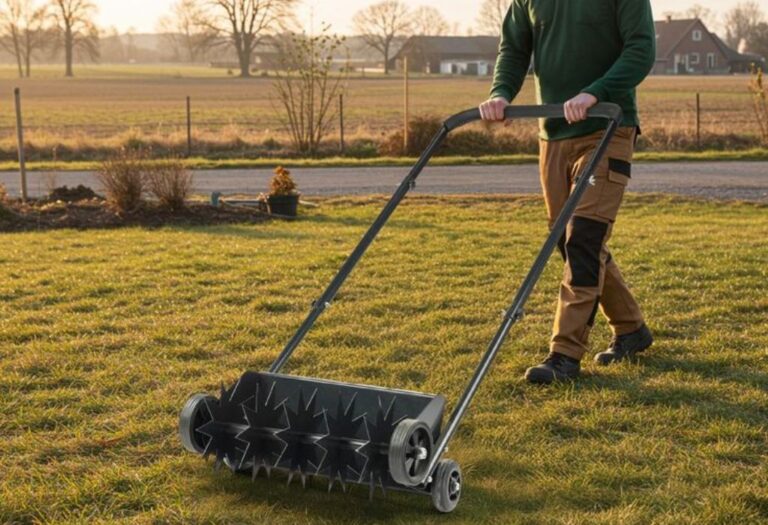
There are two main types of aeration. Core aeration and spike aeration. Core aeration, also known as plug aeration, uses a machine to remove small cores or plugs of soil from your lawn. This creates larger holes and is generally considered the more effective method for relieving compaction. Spike aeration, on the other hand, uses spikes to poke holes in the ground. While it can improve air circulation, it doesn’t remove any soil, so the benefits might not last as long. Both methods help get air, water, and nutrients to your grass roots, improving their health and growth. This makes your lawn look better, feel better, and be more resistant to drought and disease.
- Core Aeration: This method pulls out small soil plugs. The holes left behind allow the soil to breathe. Air and water have better access to the roots. It’s great for lawns with heavy foot traffic or clay soil.
- Spike Aeration: This method pokes holes in the ground. It’s less intense than core aeration, but it still helps with air circulation. It can be useful for light compaction.
- Improved Nutrient Uptake: Aeration helps fertilizer and other nutrients get where they need to go, resulting in a greener, healthier lawn.
- Increased Water Absorption: Aeration makes it easier for water to soak into the soil, reducing runoff and helping the roots stay hydrated, especially during dry periods.
- Enhanced Root Growth: By reducing compaction and improving access to air and nutrients, aeration encourages the roots to grow stronger and deeper.
When to Aerate Your Lawn
The best time to aerate is when your grass is actively growing. For cool-season grasses (like Kentucky bluegrass or fescue), this usually means early spring or fall. Warm-season grasses (like Bermuda grass or Zoysia grass) do best when aerated in late spring or early summer. Avoid aerating during extreme heat or drought. Those times can stress your lawn. The timing ensures your grass can quickly recover and fill in the holes created by aeration. You should consider the type of grass you have and your local climate.
Here’s an example. Imagine you have a lawn made up of cool-season grass. You are in a place where the springs are mild and the falls are cool. The most beneficial time would be the fall. The grass is growing, and this will help the lawn recover. The same principle applies to warm-season grasses. Timing is crucial to get the best results from aeration. It helps the grass heal quickly and get the benefits of the process.
The Big Question: Do You Water After Aeration?
Yes, you absolutely should water your lawn after aeration. It’s a key part of the process. Watering helps to settle the soil, allowing the grass roots to access the water and nutrients they need. Without water, the benefits of aeration might not be fully realized. After aeration, your lawn can use all the help it can get. You also want to provide extra support to your lawn after all the work you’ve done.
Watering after aeration helps to move the soil back into the holes. This also enables the holes to fill up, while the water carries air and nutrients directly to the grass roots. When you don’t water, the holes might stay open. This can lead to the grass drying out, especially in hot weather. Proper watering ensures that your lawn gets the most out of the aeration process and quickly recovers. It results in a healthier and better-looking lawn.
How to Water After Aeration
The right way to water after aeration depends on your soil type and weather conditions. Here’s a basic guide. Immediately after aerating, give your lawn a good watering. This means applying enough water to soak the soil down to a depth of about 6 inches. The goal is to moisten the soil around the roots. You can check the soil’s dampness with a screwdriver or by digging a small hole. If the soil is clay-like, slow watering will work best. It will allow the water to absorb. Sandy soils may need more water. You should also take into account any rainfall.
- Water Deeply: Water your lawn deeply, making sure the water reaches the root zone.
- Frequency: Water your lawn frequently enough to keep the soil consistently moist but not soggy.
- Consider the Weather: Adjust your watering schedule based on the weather conditions. During hotter times, you may need to water more often.
- Use a Sprinkler: Use a sprinkler to distribute water evenly across the lawn.
- Check the Soil: Check the soil moisture levels using a screwdriver or by digging a small hole. Adjust watering based on the moisture levels.
Here’s an example. Let’s say you just aerated your lawn. Then the weather forecast calls for a hot, dry week. You should water the lawn thoroughly immediately after aeration. After a day or two, check the soil moisture. If the soil is dry, water again. The goal is to provide enough water for the roots to benefit from the aeration. This also helps the lawn survive and stay healthy.
Watering Techniques and Tips
When it comes to watering, a few techniques and tips can improve your lawn’s health. Using a sprinkler system is one. They’re a helpful tool. They can deliver water evenly. This keeps all parts of your lawn hydrated. Watering early in the morning is another good idea. Less water is lost due to evaporation, which keeps the grass hydrated. Avoid watering in the evening. This can lead to fungal diseases. If you have different grass types, adjust your watering schedule as needed. Cool-season grasses need more water during hot periods than warm-season grasses.
- Use a Sprinkler: A sprinkler ensures water covers your lawn evenly, preventing dry spots.
- Water in the Morning: Morning watering lets grass dry during the day, reducing disease risk.
- Avoid Evening Watering: Evening watering can create a damp environment, leading to fungal diseases.
- Monitor Rainfall: Reduce watering if your area is receiving enough rain.
- Adjust for Grass Type: Different grass types have different water needs.
What To Do Before Aeration

Prepping your lawn before aeration is just as important as the aeration itself. Mowing your lawn a day or two before aerating is important. You will want to cut the grass shorter than usual. This makes it easier for the aerator to penetrate the soil. Mark any sprinkler heads, underground cables, or other things. You want to avoid damaging them. Remove any rocks, toys, or other debris. This will prevent damage to the aerator. Preparing the ground will help make aeration effective.
Mowing and Clearing Debris
Mowing your lawn right before aeration can greatly assist the process. You can mow it shorter than usual to help the aerator. The shorter grass allows the aerator’s tines to reach the soil. This will make the process easier and more effective. Before you aerate, clear your lawn of any debris. Removing leaves, twigs, and rocks will also prevent damage to the aerator and ensure a smoother process. Preparing your lawn with mowing and clearing debris creates the best conditions for a good aeration experience. Doing it this way helps your lawn absorb air, water, and nutrients.
Checking for Underground Utilities
Before you get started, it’s very important to locate any underground utilities. This can save you from hitting cables or sprinkler lines. Many areas offer a free service to locate utility lines. You can call your local utility companies or dial 811. Once you know where the lines are, you can safely aerate without worries. Being cautious helps prevent damage and makes sure everything goes smoothly.
Fertilizing After Aeration
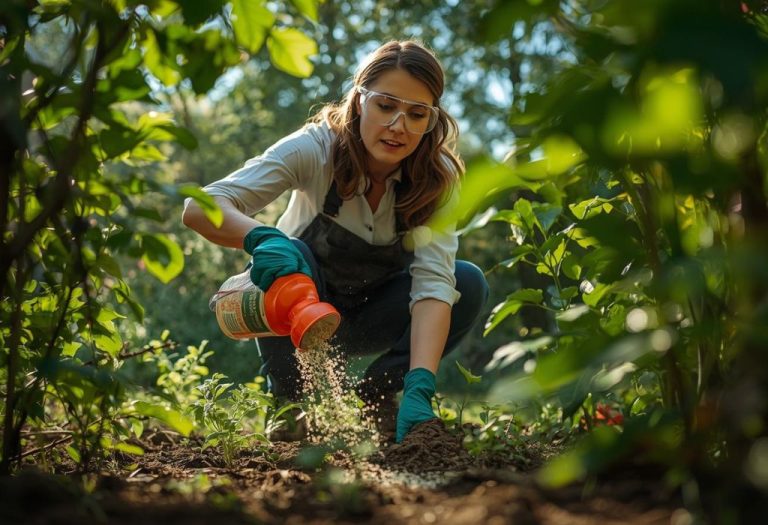
Applying fertilizer after aeration is a great step. The holes from the aeration make it easier for the fertilizer to reach the roots. Choose a fertilizer that matches your type of grass. Follow the instructions on the package to ensure you apply the right amount. Watering your lawn after fertilizing helps the nutrients soak into the soil. Fertilizing is essential for a healthy lawn, and aeration makes this process more effective. This will result in a greener and more robust lawn.
After Aeration Lawn Care Tips
After aerating, you can do some other things to help your lawn grow. You can add grass seed. If you have areas with sparse grass, aerating will help you grow it. Apply the seed to the holes. This gives it a safe spot to grow. After that, water the area and keep it damp. Overseeding can fill in bare patches. This will make your lawn thicker. You can also make sure you’re applying the right amount of water. Check for any pests and diseases. If you see them, fix them right away to prevent damage.
Overseeding and Fertilizing
Overseeding and fertilizing after aeration can greatly improve your lawn. Overseeding involves spreading grass seed over your lawn. The holes made by aeration help the seed get directly to the soil. This boosts growth. Choose the right grass seed for your area. Fertilizing will give the grass the nutrients it needs to flourish. The aeration holes will make it easier for the fertilizer to reach the roots. A well-fertilized lawn is more resilient and more colorful.
- Overseeding: Spread grass seed to fill in bare spots.
- Fertilizing: Apply fertilizer to give your lawn nutrients.
- Watering: Water the lawn deeply after seeding and fertilizing.
- Mowing: Continue mowing regularly, making sure you don’t cut too much grass at once.
Dealing With Pests and Diseases
After aerating, keep an eye out for pests or diseases. Aeration can sometimes increase the risk of disease if not done correctly. If you see signs of problems, take action right away. You may need to treat the problem with a product. Make sure to use the right product for the specific pest or disease. A healthy lawn is more capable of withstanding pests and diseases. Routine lawn care and quick reactions to any issues are vital.
Imagine your lawn shows signs of brown patches. They might indicate a fungus. If you deal with it quickly, it can prevent the disease from spreading. Applying a fungicide is often enough to treat it. If you see grubs or other pests, a treatment can save your grass from damage.
Advanced Techniques and Practices
You can also use a few advanced techniques to help your lawn thrive. One of them is topdressing. Topdressing is applying a thin layer of compost or other material on top of the lawn. This improves the soil’s structure and adds nutrients. You can also change the aeration. You can change how often you do it and how deep it goes. It depends on the grass and the health of the lawn. You can also test the soil to make sure you know what nutrients are there. Then you can provide the nutrients the lawn needs.
Topdressing for Soil Improvement
Topdressing involves adding a thin layer of material like compost to your lawn. This can improve the soil’s quality. Topdressing adds nutrients and improves drainage. When you combine topdressing with aeration, it’s very effective. The aeration holes let the topdressing go into the soil. This leads to a healthier lawn. It also helps the soil maintain moisture. You can use compost, sand, or other materials. The results are greener grass. You will also see grass that is more resilient.
Soil Testing and Nutrient Management
Soil testing can help you learn a lot about your soil. A soil test will tell you what nutrients are present. This helps you to adjust the fertilizer. You will be able to supply the nutrients your lawn lacks. Regular soil testing helps you maintain the right nutrient balance. It also improves your lawn’s health. By understanding your soil, you can give your lawn exactly what it needs to thrive. A well-nourished lawn will be stronger. You will also get better results from the aeration.
| Nutrient | Importance | Signs of Deficiency |
|---|---|---|
| Nitrogen (N) | Promotes green growth | Yellowing leaves, slow growth |
| Phosphorus (P) | Supports root development | Purple or reddish leaves, stunted growth |
| Potassium (K) | Enhances disease resistance | Yellowing leaf edges, slow growth |
Frequently Asked Questions
Question: How long after aeration should I water?
Answer: Water your lawn right after aerating. It helps settle the soil and lets the grass roots access water and nutrients.
Question: How often should I aerate my lawn?
Answer: It depends on the type of grass and soil. A good rule is once a year, or twice a year for lawns with heavy use or clay soil.
Question: Can I aerate my lawn if it’s dry?
Answer: It’s best to aerate when the soil is slightly moist. This makes it easier for the aerator to penetrate the ground.
Question: What’s the difference between core aeration and spike aeration?
Answer: Core aeration removes small soil plugs. Spike aeration pokes holes in the ground. Core aeration is usually more effective for compacted soil.
Question: Do I need to fertilize after aeration?
Answer: Yes, fertilizing after aeration is a good idea. The holes from aeration allow the fertilizer to reach the roots better.
Final Thoughts
Knowing whether do you water after aeration is a simple yet vital part of keeping your lawn in top shape. Yes, you should absolutely water your lawn after aeration. Watering helps the soil settle and ensures that the grass gets the air, water, and nutrients it needs. Remember to give your lawn a good soak right after aerating. Then you should water it often enough to keep the soil moist. Pair this with the right timing and techniques, and you’ll see a big difference. With these steps, you’ll be well on your way to a healthy and beautiful lawn. So go ahead, give your lawn the treatment it deserves, and enjoy a lush green space.