How to Add Weight to Aerator: Simple Steps for Better Results
Figuring out how to add weight to aerator can seem tricky at first. Many people who are new to this might feel a bit lost. It’s totally okay to feel that way! It’s because the right balance is very important. This post will break down the process step-by-step, making it super easy to follow. You’ll learn everything you need to know to get the results you want. Let’s explore how!
What Aerators Do and Why Weight Matters
Aerators are tools used for improving the soil. They work by creating small holes or removing soil cores to allow air, water, and nutrients to reach the roots of plants. This process is called aeration. A well-aerated soil is key for healthy plants because it helps them grow strong roots. The weight of an aerator affects how deeply it penetrates the soil. If it’s too light, it may not create effective holes. If it’s too heavy, it can be difficult to maneuver or even cause damage. This balance is critical to get right for a healthy lawn.
The Benefits of Aeration
Aeration has some amazing benefits for your lawn. Aerating your soil helps to relieve soil compaction. Soil compaction happens when the soil particles are squeezed together, which reduces the space for air, water, and nutrients. This can happen from foot traffic, vehicles, or even just heavy rain. By aerating, you create space for these vital resources to get to the roots. Aeration also encourages root growth. When roots have better access to air and nutrients, they grow stronger and deeper. Stronger roots mean a healthier lawn that can withstand stress like drought and disease.
- Better Water Absorption: Aeration lets water seep more easily into the soil. This prevents runoff and helps the soil retain moisture, which is especially helpful during dry periods.
- Improved Nutrient Uptake: With more air and space, the roots can absorb nutrients more efficiently from the soil. This leads to healthier, greener grass.
- Thatch Control: Aeration helps break down thatch, the layer of dead grass and organic matter that builds up on the surface of your lawn. Too much thatch can block water and nutrients from reaching the soil.
- Reduced Soil Compaction: Compacted soil restricts root growth and reduces the availability of air and water. Aeration combats compaction, leading to a healthier lawn.
- Enhanced Overall Lawn Health: By improving all these things, aeration creates a thriving environment for your grass, helping it to resist diseases and pests.
Factors Impacting Aeration Effectiveness
Several things impact how well an aerator works. The soil type plays a big role. Clay soils, for example, are more likely to become compacted and need more frequent aeration compared to sandy soils. The depth of the aeration is important. The tines or plugs of the aerator need to reach a sufficient depth to make a real difference, usually several inches. Also, the type of aerator you use matters. Core aerators, which remove plugs of soil, are generally more effective than spike aerators, which simply poke holes in the soil, particularly in areas with heavy compaction. Finally, the amount of weight applied directly influences penetration depth.
- Soil Type: The type of soil, whether clay, sand, or a mix, will determine how easily the aerator can penetrate and the frequency with which you need to aerate.
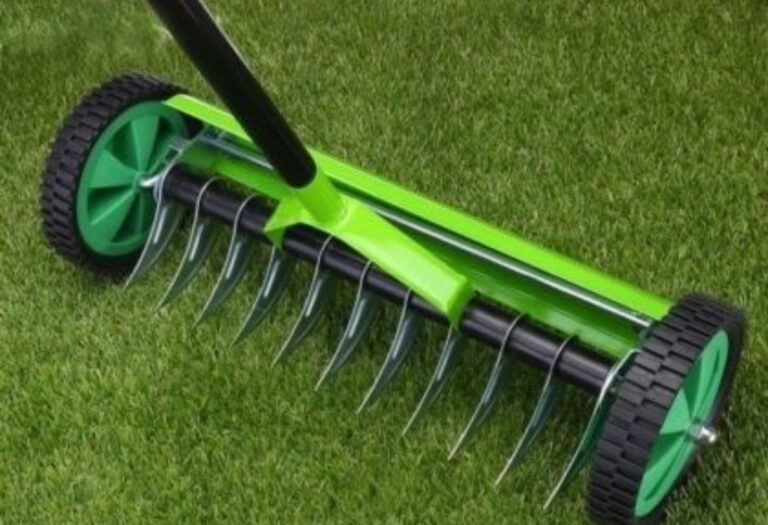
- Aerator Type: Core aerators, which remove soil plugs, are usually more effective than spike aerators, which only poke holes, especially for compacted soils.
- Moisture Level: Soil moisture is another key factor. Soil should be moist but not overly wet. Aerating overly wet soil can make it even more compacted, and dry soil can make it difficult for the aerator to penetrate.
- Aerator Design: The design of the aerator, including the spacing of the tines or plugs and their size, also affects aeration effectiveness.
- Weight Distribution: Proper weight distribution on the aerator ensures even penetration across the lawn.
Methods to Add Weight to Aerator
There are several easy ways to add weight to your aerator to help it work better. The best method depends on the type of aerator you have. For walk-behind aerators, you can add weight directly to the machine. For tow-behind models, you have different options. Always make sure to check the manufacturer’s recommendations for the maximum weight the aerator can handle. Overloading it can cause damage or reduce its effectiveness. Let’s get into some ways to do this correctly.
Adding Weight to Walk-Behind Aerators
Walk-behind aerators usually have a tray or a compartment where you can add weight. The simplest way is to use weight plates, like those used for weightlifting. You can place these directly onto the tray. Always secure the weights to prevent them from shifting during operation. Another way is to use sandbags or water-filled containers. These are flexible and can conform to the shape of the tray, but it’s crucial to distribute the weight evenly. Before adding any weight, check the aerator’s manual to find out the maximum weight it can safely handle.
- Weight Plates: Place standard weight plates directly onto the aerator’s weight tray. Secure them with straps or bungee cords.
- Sandbags: Use durable sandbags, placing them strategically across the weight tray for even distribution.
- Water-Filled Containers: Opt for containers that can be filled with water. Fill them to the desired weight and secure them to the aerator. These can offer flexibility.
- Metal Objects: In some cases, you could use dense metal objects like bricks or pieces of steel. Secure them properly.
- Check the Manual: Always consult the manufacturer’s guide to make sure you’re not adding more weight than the machine can handle.
Adding Weight to Tow-Behind Aerators
Tow-behind aerators usually have a weight tray or platform. You can use similar methods as with walk-behind models. Weight plates work well. Position them on the tray. Be sure they are secured to prevent movement. Sandbags are another good choice. They conform to the shape of the tray and distribute the weight evenly. Water-filled containers provide similar flexibility. Make sure the tow-behind aerator is attached securely to your lawn tractor. This is a very important safety factor. Also, make sure that the weight is distributed properly.
- Weight Plates: Place weight plates on the designated tray or platform, ensuring they are secured.
- Sandbags: Arrange sandbags on the aerator’s tray for even weight distribution.
- Water-Filled Containers: Use containers filled with water, placed evenly on the tray. They can be easier to manage than solid weights.
- Use a Weight Distribution System: Some tow-behind models can use a weight distribution system for more control over weight.
- Check Maximum Weight: Always adhere to the manufacturer’s maximum weight recommendations to prevent damage or safety issues.
Safety and Best Practices

Safety is key when you are adding weight to an aerator. First, always wear appropriate safety gear, including sturdy shoes to protect your feet. Gloves are also a good idea. Make sure the aerator is turned off and the key is removed when you’re adding weight. Before you start aerating, inspect the machine. Ensure that all the tines or plugs are in good condition. Be sure that there are no loose parts. Always start aerating on a small area to see how the weight affects the aerator’s performance.
Safety Equipment
It’s important to take the correct safety measures before adding weight to your aerator and using it. Wearing sturdy shoes protects your feet. Gloves can prevent blisters and give you a better grip. If the aerator is motorized, always remove the key before making any adjustments. This prevents it from accidentally starting. Read the manufacturer’s instructions. This will give you important information about weight limits and how to operate the machine. Clear the area of obstacles, like rocks, toys, and sprinkler heads. Always keep children and pets away from the area while you’re working.
- Safety Shoes: Wearing strong, supportive shoes protects your feet while you are operating the aerator.
- Gloves: Gloves provide a better grip, and they can protect your hands.
- Eye Protection: Safety glasses or goggles protect your eyes from any debris that might fly up during aeration.
- Ear Protection: If you are using a motorized aerator, especially one with a gas engine, consider using ear protection.
- Appropriate Clothing: Wear close-fitting clothes. Avoid loose clothing that could get caught in the machinery.
Best Practices for Aeration
When aerating, make sure the soil is moist. It should not be too dry or too wet. If the soil is too dry, it will be hard for the aerator to penetrate. If it is too wet, you could damage the soil structure. Aerate in multiple directions. This helps to create more holes. Overlap your passes to make sure you’re covering the whole lawn. Once you have aerated, you can consider seeding and fertilizing the lawn. This will help fill in the holes and add nutrients to the soil. After aerating, water your lawn. This helps the soil to settle and supports the grass roots.
- Moisture Management: Aerate when the soil is damp but not saturated. This makes it easier for the aerator to penetrate, and it prevents soil compaction.
- Overlapping Passes: Make multiple passes over the lawn, overlapping each pass to ensure thorough coverage.
- Directional Changes: Change directions each time you pass over the lawn. This helps create more holes.
- Post-Aeration Care: After aerating, seed, fertilize, and water your lawn.
- Regular Maintenance: Make sure your aerator is in good working order. Regularly check for any damage or needed repairs.
Troubleshooting Common Issues
Sometimes, even after you add weight to your aerator, you might have some issues. One common problem is that the aerator still doesn’t penetrate the soil deep enough. If this happens, you might need to add more weight, but make sure that you are still within the manufacturer’s recommendations. It is important to also make sure that the soil has the correct level of moisture. Extremely dry soil can be difficult to penetrate. Another common issue is uneven aeration. This can happen if the weight isn’t distributed evenly. Finally, if the aerator is clogging, you may be aerating soil that is too wet or that has excessive thatch.
Aerator Not Penetrating Deep Enough
If your aerator isn’t penetrating deep enough, there are a few things to check. The most common solution is to add more weight. Ensure you’re still within the recommended weight limits of your machine. Make sure the soil is moist. Dry soil can be very hard for the aerator to get through. If your aerator has adjustable tines, make sure they are set to the correct depth. You can also try changing the type of aerator you are using, like from a spike aerator to a core aerator. Make sure that the blades of the aerator are sharp and in good condition.
- Increase Weight: If your aerator is not penetrating the soil deep enough, carefully increase the weight.
- Check Soil Moisture: Ensure the soil is damp but not too wet or too dry.
- Tine Condition: Make sure the aerator tines are sharp and in good condition.
- Aerator Type: Consider switching to a core aerator, as it’s generally more effective than a spike aerator.
- Manufacturer Guidelines: Always adhere to the manufacturer’s instructions for weight and operation.
Uneven Aeration
Uneven aeration can make your lawn look patchy. Make sure the weight is distributed evenly across the tray or platform. Check the aerator tines. Ensure that they are all in good condition and at the same height. This ensures that they will all go into the soil at the same depth. Make sure that the ground you are working on is level. Also, go over the lawn in multiple directions. This can help to even out any unevenness. Try to maintain a consistent speed while you are aerating. This will make it easier to control the depth and overall results.
- Weight Distribution: Make sure weight is evenly distributed on the aerator.
- Tine Check: Verify that all tines are in good shape and at the same height.
- Level Ground: Aerate on a level surface to make sure the tines penetrate consistently.
- Directional Changes: Make multiple passes in different directions.
- Consistent Speed: Maintain a steady speed to ensure even depth of aeration.
Aerator Clogging
If your aerator keeps clogging, there are a few things you can do. Make sure the soil is not too wet. Wet soil tends to clump. If there is a lot of thatch on your lawn, remove some of it before aerating. Too much thatch can cause clogging. Also, check the tines of the aerator. Make sure that they are clean and free of any debris. Regularly clean your aerator. This prevents the buildup of grass or soil. You can also try changing the type of aerator. Consider using a core aerator. It can handle clogs more efficiently.
- Soil Moisture: Ensure the soil is not too wet, as this can cause clumping and clogging.
- Thatch Management: Remove excess thatch from your lawn before aerating.
- Tine Inspection: Regularly inspect and clean the aerator tines of any debris.
- Equipment Check: Make sure the aerator is well maintained and in good working order.
- Alternative Aerator Types: If clogging is a recurring issue, consider a different aerator type.
Frequently Asked Questions
Question: How much weight should I add to my aerator?
Answer: The amount of weight to add depends on your aerator model and the type of soil you have. Always check your aerator’s manual for weight limits. Start with a small amount and increase it gradually until you achieve the desired penetration depth.
Question: What if the aerator is still not penetrating deep enough?
Answer: If the aerator still isn’t penetrating deep enough after you add weight, make sure the soil is moist. Also, consider the type of aerator and the condition of the tines. Ensure that the tines are sharp and the machine is in good working order.
Question: Can I use any type of weight?
Answer: When adding weight, you can use weight plates, sandbags, water-filled containers, or other dense, safe objects. Just make sure the weights are secured to the machine and evenly distributed.
Question: Is it safe to add weight to a rented aerator?
Answer: Yes, but always check the rental agreement and the manufacturer’s instructions for the specific aerator you are renting. Ensure you do not exceed the recommended weight limit.
Question: How often should I add weight to my aerator?
Answer: You may need to add weight to your aerator each time you aerate, depending on your soil conditions. Adjust the weight based on how well the aerator penetrates the ground. As the soil changes with the seasons, the amount of weight needed may also change.
Final Thoughts
Learning how to add weight to aerator correctly is a simple process that can drastically improve the health of your lawn. The main thing is to find the right balance, starting with the type of aerator and soil. Using weights, sandbags, or containers filled with water, you can make sure your aerator is reaching the right depth for the best results. Always put safety first by wearing protective gear and following the manufacturer’s instructions. Remember, it’s about making your lawn stronger and healthier through aeration. By putting these ideas into action, you’re on the way to a greener, more vibrant lawn. Happy aerating!