Dethatching Versus Aeration: Which Lawn Care Method Works Best?
Figuring out the differences between dethatching vs aeration can be tricky for new homeowners or anyone wanting a lush lawn. It’s common to get confused about which method does what and when to use them. Don’t worry, though; it’s easier than you might think. This guide breaks down both processes step by step, so you can make informed decisions about your lawn. Next, we’ll look at the specific benefits and how to apply these techniques.
Dethatching Your Lawn Explained
Dethatching is a lawn care task that removes thatch. This is a layer of dead grass, stems, roots, and other organic matter that builds up on the soil surface. Too much thatch can prevent water, air, and nutrients from reaching the soil and the roots of your grass. Think of it like a blanket that is suffocating your lawn. Dethatching helps improve the overall health and appearance of your grass, making it greener and more vibrant. It’s often compared to giving your lawn a deep cleaning to help it breathe better and thrive.
What is Thatch?
Thatch accumulates naturally as grass grows and dies. It’s the layer of dead organic matter that sits between the green blades of grass and the soil surface. A small amount of thatch is okay and even beneficial. It helps retain moisture and protect the soil. However, when the thatch layer becomes too thick (more than about ½ inch), it creates problems.
Excessive thatch can prevent water and nutrients from reaching the soil. This leads to weak roots and poor growth. It also creates a favorable environment for pests and diseases. Thatch also makes it hard for new grass to grow. The dead layer acts as a barrier. Eventually, this barrier chokes out new growth. Removing this buildup is the main goal of dethatching.
- Composition of Thatch: Thatch is mainly composed of dead grass stems, roots, and rhizomes (underground stems). It also can include other organic materials such as dead leaves.
- How Thatch Develops: Thatch builds up because of a slow decomposition rate. This is due to the type of grass you have, the soil’s pH, and how much you fertilize.
- Why Thatch is Bad: Too much thatch prevents water, air, and nutrients from reaching the soil. This weakens the grass, making it more susceptible to disease and pests.
- How to Measure Thatch: Use a trowel or knife to cut a small section of your lawn. Then, measure the thickness of the thatch layer. If it is more than ½ inch, you need to dethatch.
The Dethatching Process
Dethatching involves removing the thatch layer from your lawn. This can be done using a variety of tools. The right method depends on the size of your lawn and the severity of the thatch buildup. The key is to lift and remove the dead organic matter without damaging the healthy grass.
There are different ways to dethatch. Each method has its own pros and cons, so it is important to select the most appropriate method for your lawn. These methods all aim to remove that layer of organic matter.
-
- Using a Dethatching Rake: This is a manual tool. It is a rake with curved, sharp tines designed to pull up thatch. It’s best for small lawns or for light thatch problems. It is affordable and doesn’t use any power. You will need a lot of elbow grease.
To use this, you firmly push the rake into the lawn and pull it towards you. This action helps to loosen and lift the thatch. You might need to go over the same area multiple times. This depends on the amount of thatch.
-
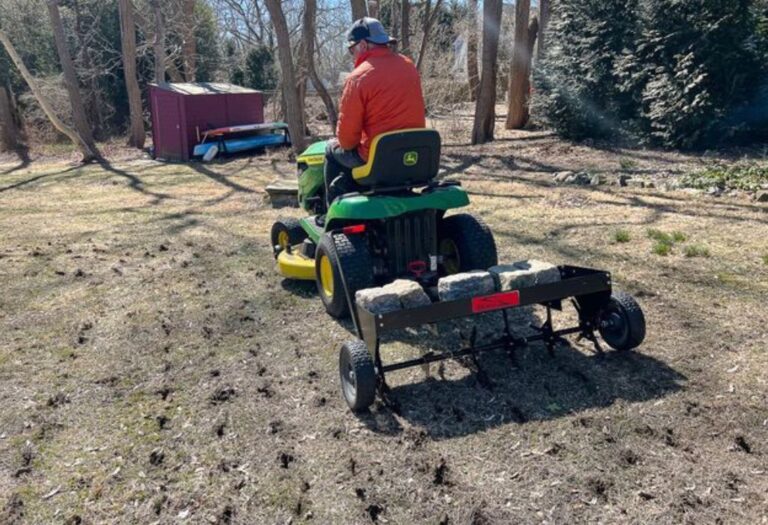
- Using a Power Dethatcher (Vertical Mower): These machines have rotating blades or tines. They cut into the thatch and pull it up. These are the best options for large lawns with heavy thatch buildup. They can be rented from your local garden center. This is a faster and more efficient way to dethatch than raking.
To use a power dethatcher, set the blades to the right height (not too deep). Then, pass the machine over your lawn in straight, overlapping lines. The machine will lift the thatch to the surface. It will take some time and effort, but the results are worth it.
-
- Timing is Important: Dethatching should generally be done during the growing season when your grass is actively growing and can recover quickly. This is often in the spring or early fall. Avoid dethatching during a heat wave.
If you dethatch during the heat, your grass may not recover as quickly. After dethatching, water your lawn well and fertilize it to help it recover. Be careful to choose the right time and conditions for dethatching to avoid damage.
Post-Dethatching Care
After dethatching, your lawn needs extra care. This helps it recover and thrive. The process can be stressful for the grass, so you will need to take steps to help it bounce back. This ensures a healthier and more beautiful lawn.
- Watering: Water your lawn deeply and regularly for the first few weeks after dethatching. This will encourage new growth and help the roots to re-establish.
- Fertilizing: Apply a fertilizer to provide the nutrients your grass needs to recover. Look for a fertilizer that is specifically designed for your grass type. Follow the instructions on the package.
- Overseeding: If your lawn is thin or has bare patches after dethatching, you can overseed. This involves spreading grass seed over the dethatched area. This helps to fill in the bare spots and thicken the lawn.
- Mowing: Mow your lawn regularly and at the proper height after dethatching. This will encourage healthy growth and a lush appearance. Remove the clippings from the lawn to avoid adding more thatch.
- Patience is Key: It takes time for the grass to recover and thrive after dethatching. Be patient and consistent with your care. Soon, you will be enjoying a healthier, more beautiful lawn.
Understanding Lawn Aeration

Aeration is the process of creating small holes in your lawn to improve air circulation and help water and nutrients reach the roots. This process alleviates soil compaction and encourages healthy root growth. The result is a healthier lawn. It also helps to solve many problems.
Compacted soil is a common problem in lawns. It prevents air, water, and nutrients from getting to the roots. Aeration is like giving your lawn a breath of fresh air. It opens up the soil. This allows the roots to grow more deeply and strengthens the grass. It is important for various grass types.
Why is Aeration Needed?
Soil compaction is caused by foot traffic, heavy equipment, and the natural settling of soil. It squeezes the soil particles together, reducing the spaces between them. This, in turn, makes it hard for water, air, and nutrients to penetrate the soil. This can lead to weak roots, poor growth, and a lawn that is more susceptible to pests and diseases.
Aeration helps solve these problems by creating channels in the soil. These channels allow air, water, and nutrients to reach the roots. It also promotes stronger root growth. This leads to a healthier, more resilient lawn that can better withstand stress from heat, drought, and foot traffic.
- Compacted Soil: When the soil gets packed down, air, water, and nutrients can’t reach the roots of the grass. This prevents healthy growth and causes problems.
- Poor Drainage: Aeration helps improve drainage. It prevents water from pooling on the surface. Aeration also promotes better root growth and deeper penetration of water into the soil.
- Thatch Buildup (Indirectly): While aeration doesn’t remove thatch directly, it can help. It allows air and water to reach the soil surface. This promotes the decomposition of thatch.
Types of Aeration
There are two main types of aeration: core aeration and spike aeration. Each method has its own pros and cons.
-
- Core Aeration: This is the most effective method. A core aerator removes small plugs of soil from the lawn. These cores are typically about ½ to ¾ inches in diameter and several inches long. The removal of these soil cores creates channels that allow air, water, and nutrients to reach the roots.
The cores are left on the lawn to break down naturally. This puts nutrients back into the soil. Core aeration is especially beneficial for lawns with heavy clay soil or a lot of foot traffic.
-
- Spike Aeration: This method uses a tool with solid tines that poke holes in the soil. Spike aeration is less effective than core aeration. This method does not remove soil. It just compacts it further. It can be useful for light soil compaction.
The holes created by spike aeration quickly close up. This reduces the benefits. Therefore, core aeration is the preferred method for most lawns.
The Aeration Process
Aeration is a straightforward process. It involves using an aeration tool to create small holes in your lawn. This improves air circulation and helps water and nutrients reach the roots. Properly aerating your lawn will improve its health. It promotes the growth of the grass.
- Prepare Your Lawn: Before aerating, mow your lawn to a normal height. Water the lawn a day or two before aerating. This will soften the soil and make it easier for the aerator to penetrate.
- Core Aeration: Run the core aerator over your lawn. Make sure you cover the entire area. Overlap each pass to ensure thorough aeration. The machine can be rented or you can hire a professional.
- Spike Aeration: Pass the spike aerator over your lawn. Be sure to overlap each pass. Spike aeration is not as effective as core aeration. This is because it does not remove any soil.
- Post-Aeration Care: After aerating, leave the soil cores on the lawn to decompose. This adds nutrients to the soil. Water your lawn thoroughly. Also, fertilize it to help the grass recover.
Dethatching vs Aeration: What Are the Key Differences?
The key differences between dethatching vs aeration lie in their goals and methods. Dethatching removes the layer of dead organic matter (thatch) that can suffocate your lawn. Aeration creates holes in the soil to improve air circulation and allow water and nutrients to reach the roots. While both are lawn care techniques, they address different issues.
Dethatching and aeration have different tools, timing, and benefits. However, they both aim to improve the health and appearance of your lawn. They work best when you apply the methods in the right conditions. This ensures your lawn thrives.
| Feature | Dethatching | Aeration |
|---|---|---|
| Purpose | Removes thatch (dead organic matter) | Improves air circulation and soil health |
| Tools | Dethatching rake, power dethatcher | Core aerator, spike aerator |
| Best Time | Spring or early fall | Spring or early fall |
| Benefits | Improved air, water, and nutrient absorption; encourages new growth | Improved root growth; reduced soil compaction |
| Frequency | Every 1-3 years (or as needed) | Annually or every few years |
Understanding Thatch Removal vs. Soil Improvement
The core difference between these two processes comes down to what they address. Dethatching focuses on removing the thatch layer to help your lawn breathe easier. Aeration concentrates on improving the soil conditions and enabling proper root development.
- Dethatching Targets Thatch: Dethatching directly tackles the thatch layer, which can restrict air, water, and nutrients from reaching the soil.
- Aeration Addresses Soil: Aeration is aimed at improving soil health by reducing compaction and increasing air circulation within the soil.
- Complementary Practices: Often, dethatching and aeration are best done together. Dethatching can follow aeration. This allows better access of water and nutrients into the soil.
- Assessing Your Lawn’s Needs: Carefully check your lawn for thatch buildup and soil compaction. This will help you know what treatments are most needed.
- Consider the Goal: Think about what you want for your lawn. This involves promoting healthy growth, tackling a specific problem, and maintaining the overall health.
When to Dethatch vs Aerate
Knowing when to dethatch and aerate depends on your lawn’s condition and needs. Dethatching is typically done when there’s a significant thatch buildup. Aeration is usually best when the soil is compacted or drains poorly. Understanding your lawn’s health is the key.
- Signs You Need to Dethatch: If you see a thick layer of thatch (over ½ inch), consider dethatching. Check for spongy feel when you walk on your lawn.
- Signs You Need to Aerate: If your lawn is compacted, or if it has poor drainage, aeration can help. This is common in clay soils or high-traffic areas.
- Ideal Timing for Dethatching: Dethatch when your grass is actively growing. This usually means spring or early fall.
- Optimal Timing for Aeration: Aerate in the spring or fall. These are the peak growing seasons for cool-season grasses.
- Can You Do Both? Absolutely. It is a good practice to dethatch and then aerate.
A recent study found that dethatching can increase water absorption by up to 30%, which helps to improve the overall health and appearance of lawns. (Source: Lawn & Landscape Magazine)
Step-by-Step Guide for Each Method
Let’s recap how to do both. Here’s a quick guide to make the process easier.
- Step-by-Step for Dethatching:
- Assess thatch level. If it’s more than ½ inch thick, it is time to dethatch.
- Mow your lawn shorter than usual. This makes dethatching easier.
- Choose your tool (rake or power dethatcher).
- Work in overlapping passes to remove thatch.
- Water and fertilize the lawn after dethatching.
- Step-by-Step for Aeration:
- Mow your lawn to its normal height before aerating.
- Water the lawn a day or two before aeration. This softens the soil.
- Use a core aerator for the best results.
- Run the aerator over the lawn, overlapping each pass.
- Leave the soil cores on the lawn and water deeply.
Frequently Asked Questions
Question: Can I dethatch and aerate at the same time?
Answer: It’s best to dethatch first and then aerate. This allows for better access of water and nutrients into the soil.
Question: How often should I dethatch my lawn?
Answer: Dethatch every 1-3 years, or when the thatch layer becomes too thick (over ½ inch).
Question: When is the best time to aerate my lawn?
Answer: Aerate in the spring or fall, during the peak growing seasons.
Question: Should I water after dethatching?
Answer: Yes, water your lawn well after dethatching and apply fertilizer to help the grass recover.
Question: Is spike aeration as good as core aeration?
Answer: Core aeration is generally more effective. It removes soil plugs, which helps with soil compaction.
Final Thoughts
Choosing between dethatching vs aeration comes down to what your lawn needs. If you’ve got a thick layer of dead stuff, dethatching is the solution. If your soil is compacted and your lawn isn’t breathing, aeration is the answer. For the best lawn, you can consider both! Remember that both steps help make your lawn strong. You’ll be well on your way to a greener, healthier lawn. Armed with the right techniques, you can enjoy a lawn that’s not just beautiful but also resilient. Go forth and nurture your lawn with the knowledge to thrive!