Why String Trimmer Vibrate Troubleshooting Guide for Smooth Cuts
If you’re wondering why string trimmer vibrates, you’re not alone. This is a common issue, especially for those new to yard work. It can be frustrating and make trimming your lawn feel like a chore. Don’t worry, we’ll break down the common causes and how to fix them. We will explore the common issues that cause your trimmer to shake and show you how to get it running smoothly. Let’s get started and make yard work easier!
Reasons Your Lawn Trimmer Feels Like a Jackhammer
One of the most frustrating things that can happen while working in your yard is a string trimmer that shakes excessively. This can make it difficult to get a clean cut, cause discomfort, and even damage your equipment. There are several reasons this shaking might happen, often related to the balance of the spinning components or how the trimmer interacts with the cutting surface. Knowing the causes is the first step in fixing the problem. This section will explore the most common culprits behind a vibrating trimmer, helping you pinpoint the issue and take corrective actions. This will lead to a more pleasant trimming experience.
Uneven Spool Winding
One frequent source of vibration comes from the string itself. When the string is not wound evenly onto the spool, it can create an imbalance. This uneven distribution of weight causes the trimmer head to wobble as it spins at high speeds. The slightest irregularity in the string’s position on the spool can lead to noticeable shaking, especially at higher throttle settings. The vibrations can also be worsened by the type or thickness of the string used. Choosing the right kind of string and winding it correctly is key to a smooth trimming experience. Be sure to check your owner’s manual for the correct string diameter, as using the wrong one can also cause problems.
- How to Check for Uneven Winding: Remove the spool from your trimmer and inspect how the string is wound. If the string bunches up on one side or appears lopsided, it is likely the culprit.
- Rewinding the Spool: When rewinding, ensure the string lies neatly and tightly, with each layer sitting evenly over the previous one. Most spools have guides to help you.
- String Type and Thickness: Use the type and diameter of string recommended in your trimmer’s manual. Thicker strings sometimes exacerbate imbalances.
Damaged or Warped Spool
The spool itself can also be a source of problems. Over time, or with rough handling, the spool can become warped or damaged. Cracks, dents, or bends in the plastic can cause an imbalance, similar to uneven string winding. This physical damage disrupts the smooth rotation of the trimmer head. This can also happen if the trimmer gets too hot, causing the spool to warp. This issue is usually noticeable during use, with the vibrations intensifying as the trimmer’s motor runs faster. Regular inspection of the spool, particularly before each use, can help catch these problems early. Replacement spools are inexpensive and easy to install, which will often resolve the vibration.
- Visual Inspection: Regularly examine the spool for any signs of damage. Check for cracks, chips, or warping of the plastic.
- Replacement: If the spool is damaged, replace it immediately. Replacement is usually straightforward: remove the old spool and insert a new one.
- Proper Storage: Store your trimmer and spools in a cool, dry place away from direct sunlight and extreme temperatures to prevent warping.
Blade Imbalance (For Trimmers With Blades)
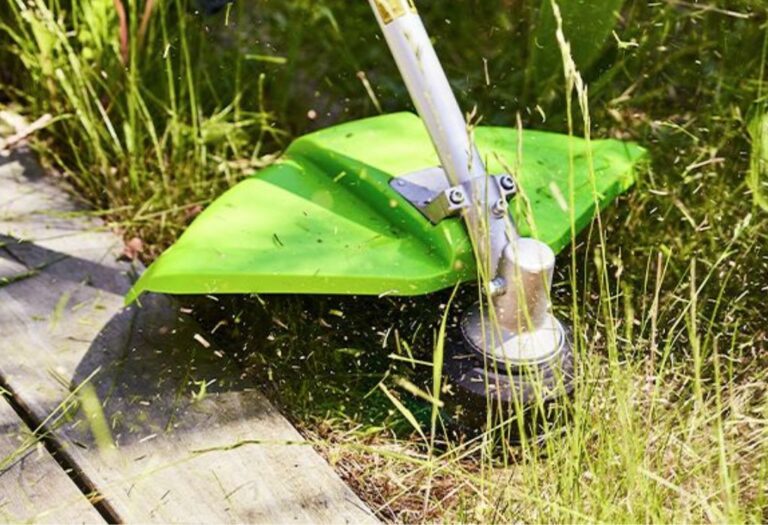
Some trimmers use blades instead of string, and these also can cause vibration issues. If the blade isn’t correctly attached or has become bent or damaged, it can cause the trimmer head to wobble. This situation results in an imbalance, similar to the string problems, but the source is different. It is important to inspect the blade regularly for any visible damage, such as nicks or bends. Make sure the blade is correctly installed and secured tightly according to the manufacturer’s instructions. A bent blade will not only cause vibrations, but it can also lead to poor cutting performance and put extra strain on the motor. Therefore, promptly addressing blade imbalances is very important for safe and efficient operation.
- Blade Inspection: Before each use, inspect the blade for any signs of damage, like bending, nicks, or chips.
- Blade Attachment: Make sure the blade is firmly attached to the trimmer head. Loose blades are dangerous and can cause significant vibration.
- Blade Replacement: Replace damaged blades right away. Many trimmers have blades that are reversible or replaceable.
Common Problems That Lead to String Trimmer Issues

Beyond the spool and blade, several other factors contribute to why string trimmer vibrates. The engine, the trimmer head, and even how you use the tool can all contribute to the problem. Understanding these issues helps you troubleshoot more effectively and maintain your equipment for longevity. This part will explore these additional causes, offering insights to pinpoint and fix any vibrating problems your trimmer might have. Knowing these common causes allows you to keep your lawn in great shape.
Engine Problems
The engine is the heart of any string trimmer, and any problems here will spread throughout the machine. Engine problems are a common cause of vibration. This can be caused by the engine running unevenly. Problems with the carburetor, spark plugs, or fuel system can cause this uneven running. An engine that misfires, runs rough, or stalls often produces noticeable vibrations that are transferred through the trimmer head. Regular engine maintenance, like changing the spark plug and checking the fuel filter, is essential. Also, make sure that the fuel is fresh; old fuel can clog the fuel system and cause the engine to run roughly.
- Carburetor Issues: A dirty or malfunctioning carburetor can cause the engine to run unevenly. Clean or replace the carburetor as needed.
- Spark Plug Problems: A worn or fouled spark plug can lead to misfires. Replace the spark plug regularly.
- Fuel System: Check the fuel lines and filter for blockages or leaks. Use fresh fuel and consider fuel stabilizers.
Trimmer Head Problems
The trimmer head itself, which holds the spool and string, plays a vital role in the cutting process. Issues with the head can lead to vibration. If the head is damaged, worn out, or the components inside are loose, it can create an imbalance. The trimmer head might have issues from normal wear and tear, or from impacts. Problems within the head often manifest as an erratic wobble during operation. Regular inspection and maintenance of the trimmer head are crucial for smooth operation. Checking for any damage, cleaning out debris, and replacing worn parts as needed will ensure it works properly. Be careful not to use excessive force when using the trimmer head against hard surfaces.
- Damaged Trimmer Head: Inspect the trimmer head for cracks, dents, or loose parts. Replace the head if it’s damaged.
- Debris Build-Up: Debris, such as grass or other materials, can accumulate in the trimmer head. Clean the head regularly.
- Worn Components: Over time, internal components like bearings can wear out, causing vibration.
Operator Error and Usage
Sometimes, the cause of the vibration isn’t a mechanical issue; it can be due to how the user operates the tool. Using the string trimmer incorrectly can contribute to vibration problems. If the trimmer is held at an awkward angle or forced through thick grass, it can strain the motor and increase vibrations. Also, using the wrong cutting technique can contribute to the vibrations. Make sure to use the correct cutting technique: the tip of the string should do the cutting. Furthermore, using a trimmer with the wrong technique can lead to premature wear and tear on the equipment, reducing its lifespan. The best method is to gently swing the trimmer, using the tip of the string to cut.
- Cutting Angle: Hold the trimmer at a proper angle to the ground. Too steep of an angle can cause uneven cutting and vibration.
- Excessive Force: Don’t force the trimmer through thick vegetation. Let the string do the work.
- Proper Maintenance: Regularly maintain your trimmer to ensure everything is working correctly and avoid unnecessary strain.
How to Fix and Maintain Your String Trimmer
Once you’ve identified the cause of the vibration, it’s time to take action. The fix could be something as simple as replacing the string or as complex as fixing the engine. This part will guide you through the repair process. This section offers step-by-step instructions to troubleshoot and fix these common problems, including tips for regular upkeep. This will help you restore your trimmer’s smooth operation and maximize its lifespan. With the right approach, you can have your trimmer working like new in no time. Proper maintenance will ensure it continues to operate correctly for years to come.
String Replacement
Replacing the string is often the first step in addressing a vibrating trimmer. Worn or damaged string can cause the trimmer head to become imbalanced and shake. The process of replacing the string is a simple one, but it is important to do it correctly to avoid any further problems. Start by turning off and unplugging your trimmer, and then removing the spool cover. Remove the old string. Then, carefully wind the new string onto the spool, following the instructions on your trimmer or spool packaging. Be sure to wind the string evenly and tightly to avoid imbalances. Once the string is replaced, reassemble the trimmer and give it a test run.
- Selecting the Right String: Choose the correct type and diameter of string recommended for your trimmer.
- Winding the Spool: Follow the manufacturer’s instructions to wind the string correctly.
- String Length: Ensure you use the right length of string for your trimmer model.
Spool and Head Inspection and Replacement
Regular inspection of the spool and trimmer head can prevent many problems, including those that cause vibration. Start by examining the spool for any cracks, warping, or damage. Replace the spool if it shows any signs of wear and tear. You should also inspect the trimmer head for any damage, debris build-up, or loose components. Clean out any debris and tighten any loose parts. If the head is cracked, broken, or parts are missing, it’s important to replace the entire head. Ensure that when you are replacing parts, you are using the correct replacement parts that fit your string trimmer model. This practice will ensure optimal performance.
- Spool Replacement: Remove the old spool and insert a new one, ensuring it’s properly seated.
- Head Inspection: Check for wear, damage, and debris. Clean or replace the head as needed.
- Component Tightening: Ensure all screws and components are secure to prevent loose parts from causing vibrations.
Engine Troubleshooting and Maintenance
If the vibration persists, you should check the engine. First, check the fuel system: old fuel can gum up the carburetor. Drain and
- Fuel System Check: Ensure the fuel is fresh and that the fuel lines are free of clogs.
- Spark Plug Check: Inspect the spark plug for wear or fouling. Replace as necessary.
- Carburetor Cleaning: Clean or replace the carburetor if the engine runs unevenly.
More Tips for a Smooth Operation
Maintaining a string trimmer goes beyond just fixing a vibrating head. The correct tools, safety practices, and operating methods make all the difference. Knowing how to use and care for your trimmer will improve its performance and extend its lifespan. In this section, you’ll find useful strategies and techniques for using your string trimmer. By following these suggestions, you’ll improve your lawn care experience, making it safer and more effective. This knowledge will reduce the need for repairs.
Safety Tips
Safety is always a priority when working with power tools, and string trimmers are no exception. Before you start, always wear safety glasses to protect your eyes from flying debris. Also, wear sturdy shoes. This provides both foot protection and a stable base for operation. Wear gloves to protect your hands from the string and any potential hazards. Make sure the area you’re trimming is clear of rocks, debris, and any objects that could be thrown by the string. Always keep people and pets away from the work area. When starting your trimmer, make sure the string head is away from anything you don’t want to cut. Also, make sure that the trimmer is turned off and unplugged before performing any maintenance.
- Eye Protection: Always wear safety glasses or goggles.
- Protective Clothing: Wear long pants, sturdy shoes, and gloves.
- Clear the Area: Remove any objects that could become projectiles.
Proper Cutting Techniques
The way you use your string trimmer can significantly impact its performance and your safety. Instead of directly striking the grass, use the tip of the string to do the cutting. This method will reduce strain on the trimmer and prevent the string from breaking prematurely. This technique will also help to prevent the trimmer head from getting bogged down. The direction of your cutting should be away from you to minimize the risk of injury from flying debris. Hold the trimmer at a slight angle. This will help with a cleaner cut. Also, avoid overloading the trimmer by trying to cut too much vegetation at once. Working in overlapping passes will give you a neater, more consistent result.
- String Tip Cutting: Use the string tips to do the cutting.
- Cutting Angle: Hold the trimmer at the correct angle.
- Controlled Passes: Avoid trying to cut too much at once.
Regular Maintenance Schedule
Following a regular maintenance schedule is key to keeping your string trimmer in top shape and preventing future problems. This involves a few key steps that will keep your trimmer running efficiently. After each use, always clean your trimmer, removing any grass or debris that has accumulated. Periodically inspect the string for damage and replace it when needed. Check the air filter and clean or replace it based on the manufacturer’s recommendations. Look at the spark plug periodically. Check the engine for signs of leaks or damage. Refer to your owner’s manual for specific maintenance instructions for your trimmer model.
- Cleaning: Clean the trimmer after each use.
- String Check: Inspect and replace the string regularly.
- Component Checks: Inspect the air filter, spark plug, and engine regularly.
Frequently Asked Questions
Question: Why does my string trimmer vibrate more when I use the throttle?
Answer: Increased vibration with the throttle often indicates an imbalance related to the rotating parts. This could be due to uneven string winding, a damaged spool, or an engine issue. Examine the spool and string first, then look at the engine.
Question: How often should I replace the string in my trimmer?
Answer:
Question: Can I use any type of string in my string trimmer?
Answer: No, you should always use the type and diameter of string recommended in your trimmer’s manual. Using the wrong string can cause poor cutting and vibration problems.
Question: My string trimmer is smoking, what do I do?
Answer: If your string trimmer is smoking, immediately stop using it. Allow the engine to cool, and check for any mechanical issues or damage. It may have an engine problem. Consult the owner’s manual or a professional mechanic.
Question: How do I store my string trimmer during the off-season?
Answer: Before storage, drain the fuel, clean the trimmer, and store it in a dry, cool place away from sunlight. Taking these steps will help to prolong the life of the machine.
Final Thoughts
Dealing with a vibrating string trimmer can be frustrating. However, armed with the knowledge of common causes, like uneven spool winding and engine problems, the troubleshooting process becomes manageable. Regular inspection of the string, spool, and blade, combined with proper maintenance, can significantly reduce unwanted shaking. Implementing simple fixes, such as replacing the string or addressing engine issues, is often all that’s needed to restore smooth operation. Moreover, practicing safe cutting techniques and following a consistent maintenance schedule ensures your trimmer remains in excellent condition. By understanding why string trimmer vibrates and applying these insights, you’ll be well-equipped to keep your lawn looking neat and your yard work enjoyable. Get out there and enjoy a vibration-free trimming experience!