How to Get Rid of Garden Weeds Naturally and Safely
You step into your garden, expecting to see thriving plants. Instead, weeds are competing for space, water, and sunlight.
The frustration of pulling weeds week after week is something every gardener knows. Chemicals may work fast, but they risk harming soil, plants, and even pollinators.
Natural weed control offers a safer and more sustainable solution. By using eco-friendly methods, you can manage weeds without sacrificing garden health.
Weeds are more than an eyesore. Studies show that uncontrolled weeds can reduce crop yields by up to 34%. Controlling them naturally not only improves growth but also protects the ecosystem.
There are many effective alternatives to chemical sprays. Mulching, vinegar, boiling water, and hand-pulling are just a few proven methods.
These approaches are safe for vegetable gardens, flower beds, and backyard lawns. They keep the soil alive with microbes and preserve beneficial insects.
Natural weed removal also supports long-term soil fertility. Instead of degrading the earth, it enriches it while keeping weeds in check.
The question isn’t just how to get rid of garden weeds, but how to do it in a way that supports the bigger picture of sustainability.
This guide explores how to get rid of garden weeds naturally, with simple methods you can use today to maintain a healthy, thriving garden.
Why Choose Natural Weed Control?

Natural methods protect soil health. They avoid chemicals that kill both weeds and beneficial organisms.
They are safe for children and pets. Many chemical herbicides leave residues that linger in the soil.
Weeds often build resistance to synthetic herbicides. Natural methods avoid this issue entirely.
Eco-friendly solutions support pollinators like bees and butterflies. These are critical for fruiting and flowering plants.
Natural weed control also reduces environmental pollution. Runoff from chemical sprays contaminates water supplies.
It aligns with organic gardening principles. Many gardeners prefer sustainable solutions for long-term soil fertility.
The cost of natural methods is often lower. Many can be done with household items or simple tools.
Choosing natural control balances weed management with environmental care.
Why avoid chemical weed killers?
They harm soil, water, and beneficial organisms.
Are natural methods safe for pets?
Yes, they are safer than chemical sprays.
Can weeds resist natural methods?
No, they don’t develop chemical resistance.
Do natural methods save money?
Yes, many use inexpensive household items.
Mulching as a Natural Weed Barrier
Mulching is one of the most effective ways to block weeds. A thick mulch layer prevents sunlight from reaching weed seeds.
Organic mulches include straw, shredded leaves, wood chips, and grass clippings. These materials break down and enrich the soil.
Inorganic mulches like landscape fabric or gravel also block weeds. However, they do not add nutrients to the soil.
Apply 2 to 4 inches of mulch around plants. Leave some space around stems to prevent rot.
Mulching also retains soil moisture. This reduces watering needs and helps plants grow stronger.
Over time, organic mulch improves soil fertility. It supports earthworms and beneficial microbes.
Mulching is a long-term solution. It suppresses weeds while building healthier soil.
Consistency is key. Replenish mulch as it breaks down.
What is the best mulch for weeds?
Organic options like straw or leaves.
How thick should mulch be?
At least 2 to 4 inches deep.
Does mulch improve soil?
Yes, organic mulch adds nutrients.
Do I need to reapply mulch?
Yes, as it naturally decomposes.
Using Vinegar as a Natural Weed Killer

Vinegar is a simple household item with strong weed-killing power. Its acetic acid burns plant leaves and dries them out.
Regular household vinegar works on small weeds. Stronger horticultural vinegar is more effective for tougher weeds.
Apply vinegar on sunny days for best results. The heat boosts its effectiveness.
Use a spray bottle to coat the leaves thoroughly. Avoid spraying desirable plants nearby.
Vinegar is non-selective, meaning it kills any plant it touches. Apply carefully in targeted areas.
Repeated applications may be necessary. Weeds with deep roots can regrow after treatment.
This method works best for driveways, pathways, and garden edges. It is less effective on thickly rooted perennials.
Vinegar is safe for the environment. It leaves no harmful residue in the soil.
Can vinegar kill weeds naturally?
Yes, it burns and dries them out.
Does it work on all weeds?
Best on small or shallow-rooted weeds.
Is vinegar safe for soil?
Yes, it leaves no harmful residue.
Do I need multiple applications?
Yes, for tougher or deep-rooted weeds.
Boiling Water for Weed Control
Boiling water is one of the easiest natural weed killers. The heat destroys plant cells instantly.
Pour boiling water directly on weeds. Focus on the base to kill roots as well as leaves.
This method works well for cracks in sidewalks and driveways. It also helps with weeds along garden borders.
Be cautious near desirable plants. Boiling water can damage them just as easily.
Multiple treatments may be needed for larger weeds. Shallow weeds usually die after one pour.
Boiling water is completely chemical-free. It is safe for soil and does not leave residue.
It is fast and inexpensive. All you need is a kettle or pot.
This method is ideal for spot treatment. It is not practical for large garden areas.
Can boiling water kill weeds?
Yes, it destroys plant cells.
Is it safe for vegetables?
Yes, if applied away from crops.
Does it work on all weeds?
Best on shallow or small weeds.
Is it eco-friendly?
Yes, it uses only water and heat.
Hand-Pulling and Hoeing Weeds

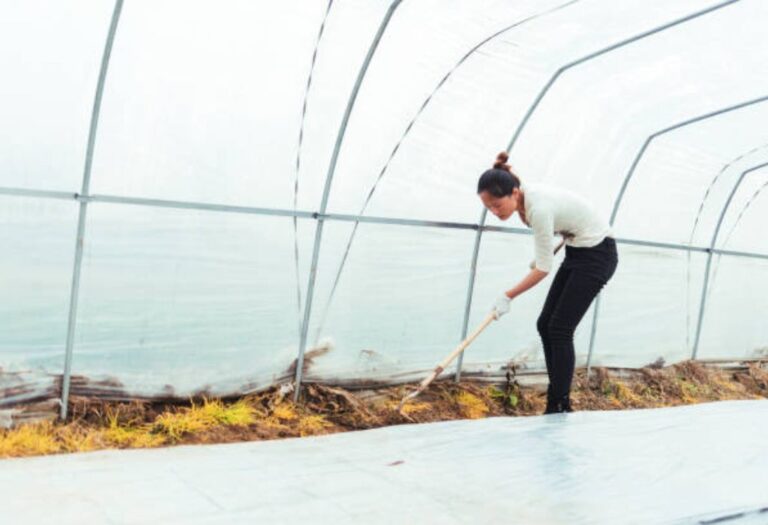
Manual weeding remains the oldest and most reliable method. Pulling weeds by hand removes roots and prevents regrowth.
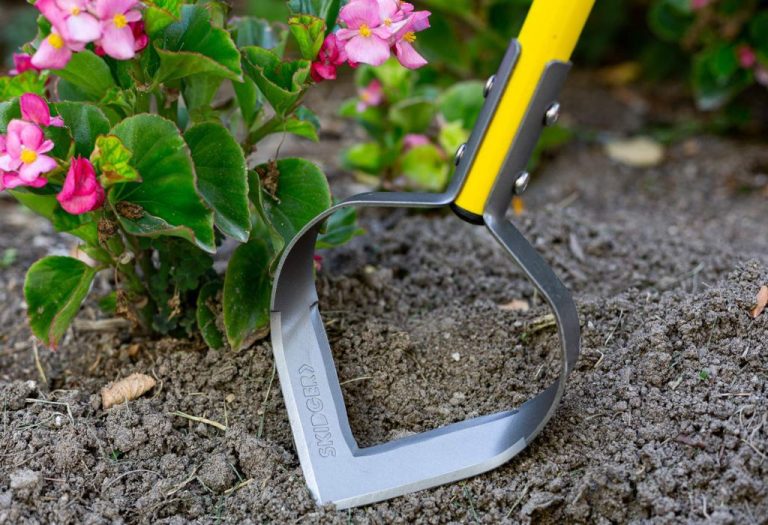
Hoeing cuts weeds at the soil surface. This is effective for younger weeds before they mature.
Moist soil makes pulling easier. Water the garden lightly before starting.
Use gloves to protect your hands. Some weeds have sharp thorns or sticky sap.
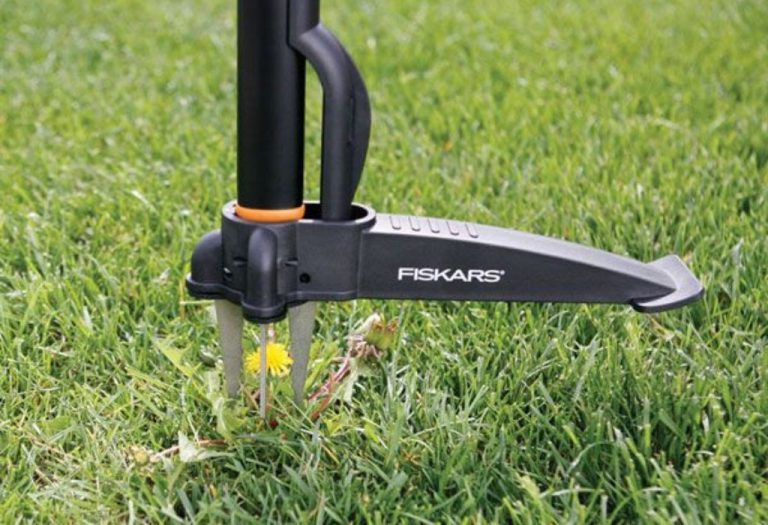
Specialized weeding tools help with stubborn roots. Dandelion diggers and claw tools are especially useful.
Regular weeding prevents seed spread. A little effort each week avoids bigger problems later.
Hoeing works best for rows and larger patches. Hand-pulling is more effective around delicate plants.
This method is labor-intensive but rewarding. It ensures a weed-free garden without chemicals.
Is hand-pulling effective?
Yes, it removes weeds completely.
When is the best time to pull weeds?
After rain or watering.
Do I need special tools?
Gloves and weed diggers help.
Does it stop weeds permanently?
Yes, if roots are removed.
Other Natural Weed Control Methods
Corn gluten meal can act as a pre-emergent. It prevents weed seeds from sprouting.
Salt can kill weeds when sprinkled at the base. Use sparingly, as excess salt harms soil.
Flame weeding torches burn weeds quickly. They are effective but require caution.
Cover crops like clover suppress weeds naturally. They crowd out unwanted plants and enrich soil.
Plant spacing techniques reduce open soil areas. Dense planting shades the ground and blocks weed growth.
Solarization uses plastic sheets to trap heat. This kills weeds and sterilizes soil over weeks.
Composting weeds carefully prevents reseeding. Avoid adding weeds with mature seeds to compost piles.
These alternative methods provide flexibility. Each works best in specific situations.
Can corn gluten prevent weeds?
Yes, it stops seeds from sprouting.
Does salt kill weeds?
Yes, but it can harm soil.
Is flame weeding safe?
Yes, with careful handling.
What are cover crops?
Plants grown to suppress weeds.
Maintaining a Weed-Free Garden Naturally

Weed prevention is easier than constant removal. Good gardening habits reduce weed pressure long-term.
Rotate crops each season. This interrupts weed life cycles.
Keep soil healthy with compost and organic matter. Strong plants compete better against weeds.
Water plants directly at the base. Avoid overhead watering, which helps weed seeds germinate.
Check your garden weekly. Small weeds are easier to manage than mature ones.
Use raised beds to limit weed spread. They also improve soil control and drainage.
Edge garden beds with barriers like bricks or boards. This stops weeds from creeping in.
Natural weed control requires consistency. Over time, it creates a balanced and low-maintenance garden.
How do I prevent weeds naturally?
With mulch, crop rotation, and barriers.
Does healthy soil stop weeds?
Yes, strong plants outcompete weeds.
Should I weed weekly?
Yes, small weeds are easiest to remove.
Are raised beds helpful?
Yes, they limit weed spread.
Conclusion
Weeds are a constant challenge for gardeners. They compete with crops and reduce yields if left unchecked.
Chemical sprays may seem convenient but harm soil, water, and pollinators. Natural methods provide safer, eco-friendly solutions.
Mulch, vinegar, boiling water, and hand-pulling all work effectively. Additional methods like corn gluten and cover crops also help.
For anyone asking “how to get rid of garden weeds naturally,” the answer is a mix of techniques. With patience and consistency, you can keep your garden thriving without harmful chemicals.

I’m Maya L. Greenwood, a lifelong plant lover who believes anyone can grow something beautiful with the right guidance. After years of testing soil mixes, pruning methods, irrigation tricks, and pest-safe solutions, I started EasyGardenTips.com to turn hard-won lessons into step-by-step advice. From seed starting and container gardens to composting and seasonal checklists, my goal is to make gardening simple, sustainable, and fun.