How to Get Rid of Garden Weeds Permanently and Naturally
Every gardener knows the frustration of seeing weeds return no matter how many times they are pulled. The battle seems endless, and the dream of a tidy, thriving garden often fades beneath the persistence of dandelions, crabgrass, and bindweed.
These uninvited plants compete for water, sunlight, and nutrients, leaving flowers, vegetables, and shrubs weaker. They return season after season because their seeds and roots remain hidden beneath the soil, waiting for the right moment to emerge.
Many turn to chemical herbicides for a quick fix. While effective in the short term, they often damage the soil, harm beneficial insects, and introduce toxins into the environment.
The good news is that there are natural and permanent solutions. With the right strategies, it is possible to learn how to get rid of garden weeds permanently without compromising soil health or the environment.
Research shows that mulching alone can reduce weed growth by up to 70% when applied correctly (source). Manual removal combined with preventive strategies can further lower regrowth by more than 90% in some cases.
Why Weeds Keep Returning and How to Stop Them

Weeds are nature’s opportunists, sprouting wherever the soil is disturbed or left bare. Their ability to regrow so quickly lies in their seeds, root systems, and adaptive lifecycles.
Annual weeds thrive by producing thousands of seeds that can remain dormant for years before sprouting. Perennials, on the other hand, often regenerate from deep root fragments even after the visible plant has been removed.
Soil health also influences the spread of weeds. Poorly managed soil with low organic matter creates openings where weeds easily establish themselves, outcompeting weaker plants.
Another reason weeds return is their resilience to incomplete removal. When roots are not fully extracted, fragments regenerate stronger than before, making control even harder.
To stop weeds permanently, gardeners must go beyond surface-level fixes. The key is targeting their roots, depleting their seed banks, and creating conditions where desired plants dominate the soil instead of invaders.
Manual Methods for Permanent Weed Removal
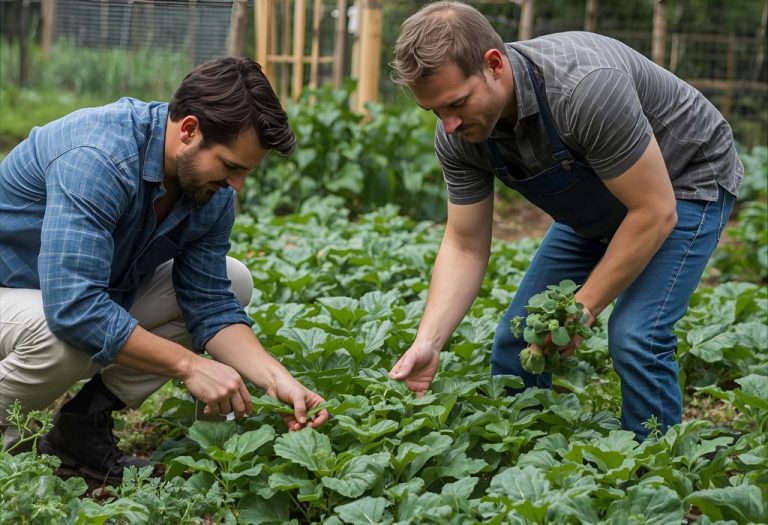
Hand-pulling weeds may sound old-fashioned, but it remains one of the most reliable strategies. When done carefully and consistently, it eliminates both the visible plant and its root system.
The effectiveness of manual weeding increases when the soil is moist. Damp soil allows roots to slide out more easily, reducing the chance of fragments staying behind to regrow.
Gardeners often underestimate the value of timing. Removing weeds before they flower or set seed prevents thousands of new seeds from entering the soil bank.
Tools like narrow hoes, dandelion diggers, and root pullers make manual weeding more efficient. They provide leverage that helps remove deep or stubborn roots without disturbing surrounding plants.
While this method requires patience, it delivers long-term rewards. By focusing on thorough root removal and preventing seed spread, manual weeding helps reduce future weed populations significantly.
Smothering Techniques: Mulch, Fabric, and Cover Crops

Weeds cannot survive without light, and smothering techniques exploit this weakness. Covering the soil with mulch, fabric, or dense cover crops deprives weeds of sunlight, blocking germination and growth.
Organic mulches like straw, wood chips, and compost not only suppress weeds but also enrich soil as they decompose. They help retain moisture, regulate soil temperature, and feed beneficial microorganisms.
Landscape fabrics and biodegradable paper barriers offer longer-lasting weed suppression. They allow air and water to pass through while preventing weed seeds from sprouting beneath the surface.
Cover crops such as clover, rye, or buckwheat provide a living shield against weeds. These plants grow quickly, shading the soil and leaving little room for weeds to emerge.
The success of smothering lies in consistency. Maintaining a thick mulch layer or keeping cover crops healthy ensures that weeds remain permanently suppressed year after year.
Solarization: Use Heat to Eradicate Weeds and Seeds

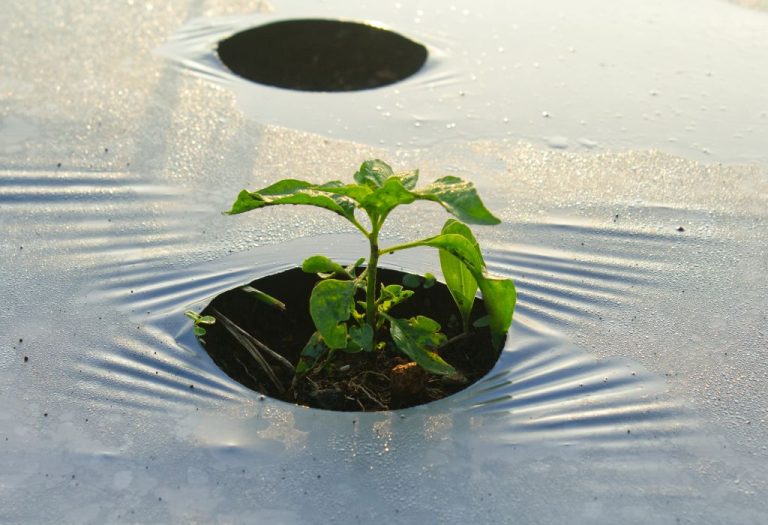
Soil solarization is a powerful natural method that uses the sun’s energy to sterilize the soil. By covering moist ground with clear plastic during hot months, gardeners trap heat that penetrates deep into the soil.
The heat destroys weed seeds, roots, and seedlings, leaving the soil cleansed of unwanted growth. Temperatures under the plastic often reach levels high enough to eliminate pests and pathogens as well.
Solarization works best when applied for four to six weeks during peak summer. The longer the soil remains covered, the more effective the treatment becomes.
This technique is especially useful for preparing new garden beds or rehabilitating weedy areas. Once the plastic is removed, the soil is ready for planting with reduced competition from weeds.
While not always practical for large areas, solarization provides an eco-friendly way to break the weed cycle permanently. Combined with mulching or cover crops, it offers lasting results.
Natural Herbicides: Vinegar, Boiling Water, Salt, Baking Soda, Alcohol
Homemade and natural herbicides provide chemical-free ways to kill weeds. They are best used for spot treatments, especially in pathways, cracks, or small garden patches.
Vinegar is one of the most effective natural solutions. Acetic acid burns weed foliage, weakening plants when applied repeatedly in sunny conditions.
Boiling water offers another simple solution. Pouring it directly on weeds scalds leaves and stems, killing plants within minutes.
Salt and baking soda also act as natural weed killers, though they must be used sparingly. Excessive salt can damage soil health, while baking soda works best on small annual weeds.
Rubbing alcohol mixed with water dries out leaves, making it a quick way to target isolated weeds. While not permanent for deep-rooted perennials, it reduces their strength over time.
These methods are most effective when combined with preventive measures. While natural herbicides may not guarantee complete eradication, they contribute to reducing weed populations safely.
Thermal and Flame Weed Control

Flame weeding is an innovative method that uses high heat to kill weeds without chemicals. Special torches or flamers pass heat over the plant, rupturing cell walls and causing them to wither.
This method works quickly and leaves no residue in the soil. It is particularly effective for annual weeds that are young and tender.
Thermal weeding does not usually penetrate deep enough to kill perennial roots. However, repeated passes weaken these weeds until they eventually die off.
Caution is essential when using flame weeders. They should never be used in dry or windy conditions, and they require careful control near garden plants.
Despite the risks, flame weeding is a sustainable option for driveways, patios, and paths. When combined with other methods, it helps maintain a long-term weed-free environment.
Integrated Weed Management for Long-Term Control
No single method can eliminate every weed permanently. The most effective strategy is integrated weed management, which combines multiple techniques for maximum impact.
A gardener might start with manual removal, followed by mulching to prevent regrowth. Adding solarization in heavily infested areas creates another layer of protection.
Natural herbicides or flame weeding can target stubborn patches. Meanwhile, preventive practices like dense planting and cover crops reduce open soil where weeds might germinate.
The strength of integration lies in breaking the weed lifecycle from multiple angles. When seeds, roots, and emerging plants are all suppressed, the chances of regrowth fall dramatically.
Integrated weed management requires planning, but it is the closest approach to achieving permanent weed control naturally. Over time, gardens maintained this way become healthier and more resilient.
Preventive Measures to Stop Weed Growth Forever

Prevention is the ultimate key to learning how to get rid of garden weeds permanently. By focusing on soil health and proactive practices, gardeners stop weeds before they appear.
Dense planting ensures that desired crops shade the soil, leaving little room for weeds to sprout. This technique mimics natural ecosystems, where ground cover minimizes invaders.
Healthy soil is another defense. Rich, organic soil supports vigorous plant growth, which naturally suppresses weeds by outcompeting them.
Crop rotation breaks weed and pest cycles while enriching the soil with different nutrients. This reduces the dominance of any one weed species.
Pre-emergent natural options like corn gluten meal prevent seeds from sprouting. Combined with mulching and regular garden checks, this approach provides lasting control.
Prevention may seem simple, but it is the most sustainable and eco-friendly solution. It transforms weed management from a reactive chore into a proactive routine.
Conclusion
Weeds are resilient, but they are not unbeatable. Learning how to get rid of garden weeds permanently requires a combination of proven natural strategies that work together to suppress growth and strengthen soil health.
From manual removal and mulching to solarization and natural herbicides, each method contributes to long-term success. Integrated approaches provide layers of defense, ensuring weeds cannot easily return.
Preventive practices seal the deal, creating a sustainable garden where desired plants thrive without constant competition. With patience and the right tools, permanent weed control is within reach for every gardener.
For those ready to reclaim their gardens, the next step is simple. Start today by laying down mulch, pulling the most persistent weeds, or trying a solarization patch, and watch as your garden transforms into a healthier, weed-free space.

I’m Maya L. Greenwood, a lifelong plant lover who believes anyone can grow something beautiful with the right guidance. After years of testing soil mixes, pruning methods, irrigation tricks, and pest-safe solutions, I started EasyGardenTips.com to turn hard-won lessons into step-by-step advice. From seed starting and container gardens to composting and seasonal checklists, my goal is to make gardening simple, sustainable, and fun.