How to Get Rid of Onion Weed in Garden Bed Permanently
The joy of gardening often fades when invasive weeds begin to spread across carefully cultivated beds. Among the most frustrating is onion weed, a plant that disguises itself with delicate green shoots but hides a stubborn root system below the soil.
Gardeners often discover that pulling onion weed by hand is never enough. Within weeks, new shoots rise again, fed by the underground bulbs and bulblets that were left behind.
This persistence makes onion weed one of the hardest invaders to eliminate completely. Many gardeners try herbicides, boiling water, or mulch only to find that the problem keeps returning each season.
The challenge lies in the biology of the plant. Onion weed is a perennial with underground bulbs that reproduce quickly, meaning even small fragments left in the ground regenerate into new plants.
Yet permanent control is possible with the right methods. By combining careful removal, natural suppression, and strategic barriers, you can learn how to get rid of onion weed in garden bed spaces without it coming back.
Research has shown that mulching to a depth of 2–3 inches can reduce weed emergence by up to 70% (Better Homes & Gardens). Other studies emphasize that targeting bulbs instead of just leaves is critical for long-term success.
Understanding Onion Weed and Why It’s Persistent

Onion weed, often mistaken for wild onions or wild garlic, is more than just a nuisance. It is a bulbous perennial plant that spreads aggressively through underground bulbs and bulblets.
The visible leaves are only a fraction of the problem. Beneath the soil, clusters of bulbs form and multiply, making each plant a potential colony of new growth.
Even when the tops are pulled out, bulbs and bulblets remain intact. These small underground structures regenerate within weeks, creating the illusion that weeds appear out of nowhere.
Onion weed thrives in disturbed soil, which makes garden beds a perfect habitat. Digging, tilling, or pulling often breaks bulbs apart, unintentionally helping the weed spread even faster.
This resilience is why traditional weeding often fails. Understanding the root system and growth patterns of onion weed is the first step toward finding effective, permanent solutions.
Manual Removal—Digging It Out Carefully
The most straightforward method to address onion weed is manual removal. However, this approach requires patience and precision, since leaving even a single bulblet can result in regrowth.
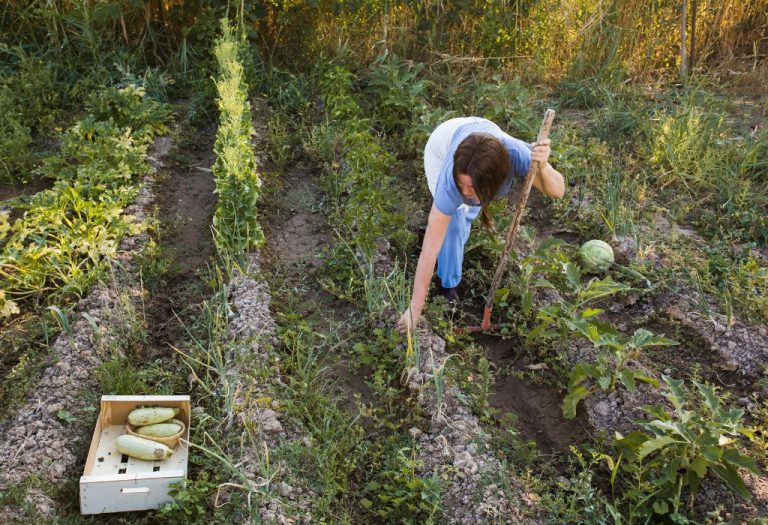
Instead of pulling plants by hand, gardeners should dig around the base with a narrow trowel or spade. Loosening the soil carefully allows the entire bulb cluster to be removed in one piece.
Moist soil improves the success rate, as bulbs slide out more easily. For best results, removal should take place after watering or rainfall, when the ground is soft.
Bulbs and bulblets must be disposed of carefully. Composting them is risky because the heat may not reach levels high enough to kill them, allowing weeds to reestablish elsewhere.
Bagging the bulbs and discarding them with garden waste ensures they do not return. When done methodically, manual removal reduces infestations and prepares the ground for additional suppression strategies.
Natural Smothering Techniques: Mulch and Cover

Since onion weed relies on sunlight to trigger new growth, blocking light with mulch is a natural and highly effective approach. Applying a thick layer of organic mulch creates a physical barrier that prevents bulbs from sprouting.
Mulch made from bark chips, straw, or compost not only suppresses weeds but also enriches the soil. As organic mulch breaks down, it improves soil texture and fertility, benefiting desired plants.
For even greater effectiveness, sheet mulching can be added beneath the organic layer. Cardboard or newspaper placed directly over the soil blocks more light, creating conditions where bulbs weaken over time.
The key to success is maintaining the mulch depth consistently. If the layer thins out or becomes disturbed, onion weed may find gaps to emerge.
When applied correctly, mulch transforms the garden bed environment, making it difficult for onion weed to regenerate while supporting the growth of healthy, productive plants.
Solarization: Harnessing the Power of Heat
Soil solarization is another eco-friendly strategy that uses heat to kill onion weed bulbs and seeds. By covering moist soil with clear plastic during hot summer months, gardeners trap solar energy beneath the surface.
Over several weeks, temperatures rise high enough to sterilize the top layers of soil. This heat destroys bulbs, bulblets, and even dormant seeds that contribute to weed regrowth.
The process typically requires four to six weeks of uninterrupted sunlight. During this time, the plastic should remain sealed tightly to prevent heat from escaping.
Solarization works best before planting or when rehabilitating heavily infested areas. After treatment, the soil is ready for planting without the competition of persistent onion weed.
Although it requires patience, solarization provides long-term benefits. When combined with mulching or manual removal, it contributes to permanent weed suppression.
Targeted Heat and Natural Remedies

For gardeners seeking spot treatments, boiling water offers a simple and effective tool. Pouring boiling water directly over onion weed scalds the foliage and penetrates shallow soil layers, damaging bulbs near the surface.
Vinegar solutions, particularly horticultural-strength vinegar, can also weaken onion weed. The acetic acid burns leaf tissue, gradually starving bulbs by reducing their ability to photosynthesize.
Both methods, however, must be applied with care. Boiling water and vinegar are non-selective treatments, meaning they can harm desirable plants if misapplied.
Repeated treatments are often necessary, especially for deep-rooted bulbs. Over time, these natural remedies weaken onion weed enough to make other control methods more effective.
Used alongside mulching or manual removal, targeted heat and natural sprays provide extra tools in the fight against this stubborn invader.
Mulch Barriers and Landscape Fabric
Landscape fabric provides a more durable solution for weed suppression. When installed properly, it prevents onion weed from emerging while allowing water and air to reach the soil.
The fabric is typically laid over the soil and secured with pins, then covered with mulch for aesthetics and added weight. This combination blocks light and gradually starves underground bulbs.
Over time, onion weed bulbs lose their stored energy and fail to regenerate. Unlike organic mulch alone, fabric provides a longer-lasting barrier against persistent perennials.
However, the fabric must be maintained. Tears or gaps can provide openings where onion weed reestablishes itself, undoing months of progress.
When paired with organic mulch, landscape fabric offers gardeners a strong defense against recurring infestations. It is especially useful for perennial beds and pathways where weeds are difficult to manage.
Selective Herbicide Use as a Last Resort
For severe infestations where natural methods fall short, selective herbicide use may be considered. Glyphosate-based products, applied carefully, can target onion weed without widespread soil contamination.
Instead of spraying, a brush-on method is often recommended. By painting herbicide directly onto onion weed leaves, gardeners minimize the risk to nearby plants.
Once absorbed, the herbicide travels down to the bulbs, killing the plant at its source. However, repeat treatments may be needed to eliminate all underground structures.
This method requires caution. Herbicides should only be used according to label instructions and as a last resort when integrated natural methods fail.
Although chemical control can be effective, it is best combined with preventive practices like mulching and soil improvement to ensure permanent results.
Integrated Strategy for Permanent Control

Onion weed’s resilience means no single method guarantees success. The most effective approach combines several strategies into an integrated weed management plan.
A typical approach might begin with manual digging to remove as many bulbs as possible. Next, mulch or fabric is applied to suppress regrowth, with boiling water or vinegar used as spot treatments.
For heavily infested areas, solarization provides an additional layer of control. If stubborn plants survive, carefully applied herbicides may serve as a final step.
By attacking onion weed from multiple angles, gardeners disrupt its lifecycle and reduce the likelihood of recurrence. Integrated management not only removes current infestations but also prevents new ones from forming.
With persistence and consistency, this blended strategy ensures onion weed is permanently eliminated from garden beds.
Conclusion
Onion weed is one of the most challenging garden invaders, but it is not unbeatable. Its persistence lies in underground bulbs and bulblets that regenerate quickly, making half-hearted methods ineffective.
Learning how to get rid of onion weed in garden bed spaces requires a combination of strategies. Manual removal, mulching, solarization, natural remedies, and even herbicides all play a role when used together.
The key to success is persistence. By addressing the problem at its root and preventing new bulbs from emerging, gardeners can transform infested beds into thriving, weed-free spaces.
For those struggling with onion weed, the best time to act is now. Begin by digging out bulbs, laying down a thick mulch, and applying complementary strategies until regrowth is no longer a concern.
With patience and consistency, onion weed can be permanently eliminated, leaving gardens healthier, more beautiful, and easier to maintain.

I’m Maya L. Greenwood, a lifelong plant lover who believes anyone can grow something beautiful with the right guidance. After years of testing soil mixes, pruning methods, irrigation tricks, and pest-safe solutions, I started EasyGardenTips.com to turn hard-won lessons into step-by-step advice. From seed starting and container gardens to composting and seasonal checklists, my goal is to make gardening simple, sustainable, and fun.