Scarify vs Aerate: Choosing the Right Lawn Care Method
Figuring out whether to scarify vs aerate your lawn can feel tricky. Many folks get confused about which method to use and when. Don’t worry, it’s simpler than you might think! This post will break down both techniques, step by step, making it easy to choose the best option for your yard. We’ll explore everything from the equipment needed to the benefits you’ll see. Get ready to learn the secrets to a healthier lawn!
What is Scarification and What Does It Do?
Scarification is a lawn care task that removes thatch, dead grass, and other debris from the surface of your lawn. Thatch is a layer of organic matter that builds up between the grass blades and the soil. While a thin layer of thatch can be beneficial, too much of it can prevent water, air, and nutrients from reaching the roots of your grass. Scarification helps to get rid of this excess thatch, creating a healthier environment for grass growth. Think of it like a deep cleaning for your lawn, getting rid of all the gunk that’s been piling up.
The Benefits of Scarification Explained
Scarification offers many good things for your lawn. By removing thatch and debris, it helps improve air circulation. This helps to prevent diseases and encourages stronger root development. It also helps to enhance the efficiency of fertilizer and watering, as these are better able to reach the soil. Overall, a scarified lawn will be more resilient to pests, diseases, and other environmental stresses. Think of it as giving your lawn a fresh start, allowing it to breathe and thrive.
- Improved Air Circulation: Scarification removes the compacted layer of thatch, which improves air circulation to the grass roots. This allows the grass to breathe better and promotes healthier growth. Proper airflow also helps prevent fungal diseases that thrive in damp, poorly aerated environments.
- Enhanced Nutrient Absorption: When thatch is removed, the roots have better access to nutrients from fertilizers. This leads to more efficient nutrient uptake and helps the grass grow faster and thicker. Fertilizers applied after scarification will be far more effective than if applied to a heavily thatched lawn.
- Disease Prevention: By removing dead organic matter, scarification reduces the risk of fungal diseases. These diseases often thrive in the damp, shaded conditions created by thick thatch. Regular scarification helps create an environment where diseases are less likely to take hold.
Equipment and Techniques for Scarifying Your Lawn
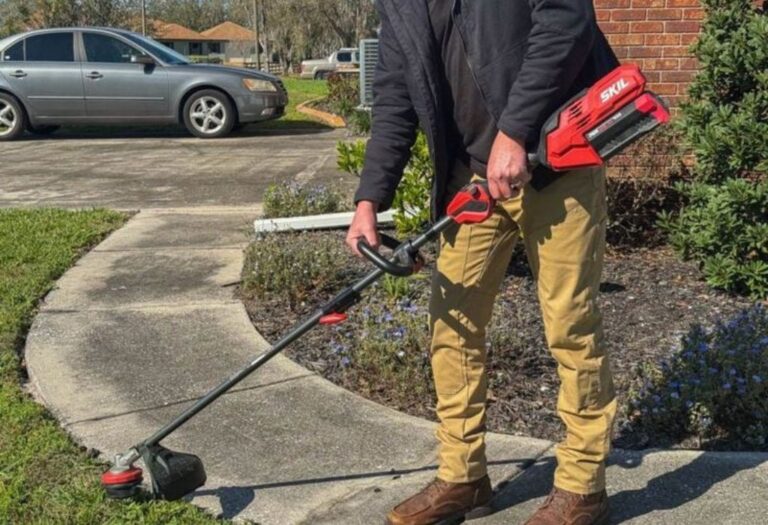
Several tools can be used to scarify your lawn, from manual rakes to motorized machines. The choice of tool depends on the size of your lawn and the amount of thatch buildup. For small lawns, a manual scarifying rake can be effective, though it requires more physical effort. For larger lawns, a powered scarifier or dethatcher is a better choice, as it covers more ground quickly and efficiently. These machines use rotating blades to cut into the thatch and pull it to the surface.
- Manual Rake: This is a handheld rake with stiff tines designed to rip through the thatch layer. It’s a great option for smaller lawns and provides good exercise. The process involves vigorous raking in multiple directions to lift the thatch.
- Powered Scarifier: These machines are equipped with rotating blades that efficiently remove thatch. They’re ideal for medium to large lawns, saving time and effort compared to manual raking. Powered scarifiers allow you to adjust the blade depth to suit the amount of thatch present.
- Aeration Shoes/Sandals: Special shoes or sandals with spikes, designed to aerate the soil while you walk. These are better for smaller yards.
What is Aeration and Why Is It Necessary?
Aeration involves creating small holes in the soil to improve air circulation and allow water, nutrients, and roots to penetrate more deeply. Over time, soil can become compacted, especially in areas with heavy foot traffic or clay-rich soil. Compaction squeezes the air out of the soil, making it hard for grass roots to grow and preventing them from accessing essential resources. Aeration helps to break up this compaction, promoting healthy grass growth. It is a key practice for long-term lawn health and vitality.
The Benefits of Lawn Aeration
Aeration does a lot to improve the health of your lawn. It relieves soil compaction, allowing air and water to reach the roots. This leads to stronger root growth and improved nutrient uptake. Aeration also helps to reduce thatch buildup, as the holes created allow microbes to break down organic matter more efficiently. It makes your lawn more resistant to drought and heat stress. The result is a healthier, more vigorous lawn.
- Improved Water Absorption: Aeration helps water soak into the soil more easily. This reduces runoff and allows the grass to access more moisture. Aeration is especially beneficial in clay soils, which tend to compact easily and prevent water penetration.
- Stronger Root Growth: By breaking up compacted soil, aeration creates space for roots to grow and expand. This leads to a healthier, more resilient root system. Stronger roots mean a healthier lawn that can withstand stress and disease.
- Enhanced Nutrient Uptake: When the soil is aerated, nutrients from fertilizers can reach the roots more effectively. This results in better nutrient absorption and encourages thicker, greener grass. Regular aeration ensures that your lawn gets the most from your fertilization efforts.
- Reduced Thatch Buildup: Aeration allows for improved decomposition of thatch, helping to prevent the buildup of this organic layer. The holes created by aeration provide space for microbes to break down thatch, improving the overall health of your lawn.
Different Types of Aeration Tools and Methods
There are several methods for aerating your lawn, each with its own advantages. Core aeration is the most effective and involves removing small plugs of soil to create holes. Spike aeration, on the other hand, involves creating holes by piercing the soil. The best choice depends on your soil type and the level of compaction. It’s important to choose a method that will effectively improve air circulation and root growth.
- Core Aeration: This method uses a machine that removes small cores of soil, creating holes. It’s highly effective at relieving compaction and is the most recommended method, as it physically removes soil and thatch. This allows for better air, water, and nutrient movement.
- Spike Aeration: This method uses spikes to create holes in the soil. While it does improve air circulation, it doesn’t remove any soil and can actually compact the soil around the holes over time. It’s less effective than core aeration for heavily compacted soils.
- Liquid Aeration: Liquid aeration products are available that claim to improve soil aeration by breaking down compaction. These products are often easier to apply than mechanical aeration methods, but their effectiveness is debated. It may offer some benefits, especially on smaller lawns.
Comparing Scarify vs Aerate: When to Do What?

The choice between scarify vs aerate depends on what your lawn needs. If you have a thatch problem, scarification is a must. If your soil is compacted, aeration is the better option. Often, the best approach involves doing both. Scarify when you need to remove thatch, and aerate to improve soil structure and allow nutrients to penetrate. Timing is important to make sure your lawn is ready for the best results.
| Feature | Scarification | Aeration |
|---|---|---|
| Primary Goal | Remove Thatch and Debris | Reduce Compaction, Improve Airflow |
| Equipment | Rakes, Scarifiers/Dethatchers | Aerators (Core or Spike) |
| Benefits | Improved Air Circulation, Enhanced Nutrient Uptake, Disease Prevention | Improved Water Absorption, Stronger Root Growth, Reduced Thatch Buildup |
| Best For | Lawns with Significant Thatch Buildup | Lawns with Compacted Soil or Heavy Foot Traffic |
| Timing | Late Spring or Early Fall | Late Spring or Early Fall |
This table offers a clear comparison, helping you decide on the appropriate method for your specific lawn conditions. Keep in mind that understanding the needs of your lawn is important. Both methods work to improve overall lawn health.
Timing Considerations for Scarification and Aeration
Proper timing is important for both scarification and aeration to give your lawn the best chance to recover and thrive. The best time to do these tasks is usually late spring or early fall. The soil is moist and the grass is actively growing. This allows the grass to recover quickly after the process. Avoid doing these tasks during the heat of summer or when the ground is frozen.
According to a survey, 65% of homeowners prefer to aerate in the fall, believing it gives their lawn the best chance to recover before winter. The same study revealed that 70% of homeowners choose to scarify in the spring to remove the thatch built up over the winter. This emphasizes the importance of understanding your lawn’s needs and adjusting your practices to fit the season.
- Late Spring (Ideal Time): In spring, after the last frost, is an excellent time for both scarification and aeration. The soil is usually moist, which makes the processes easier, and the grass is actively growing, allowing it to recover quickly. However, the warmer weather supports faster recovery.
- Early Fall (Another Great Option): Early fall is another great time for aeration and scarification. The soil is still warm, which encourages root growth. Cool-season grasses benefit from the cooler temperatures and increased rainfall in the fall.
- Avoid Summer and Winter: Avoid aerating or scarifying during the hot, dry summer months. Similarly, avoid these tasks when the ground is frozen, as it can damage your lawn. Extreme temperatures can stress the grass.
Combining Scarification and Aeration for Optimal Lawn Health
In many cases, it’s beneficial to combine scarification and aeration for the best results. If your lawn has both a thatch problem and compacted soil, addressing both issues will lead to a healthier lawn. Scarify first to remove the thatch layer, then aerate to improve air circulation and allow water and nutrients to penetrate the soil more efficiently. This two-step process can give your lawn a boost in growth and overall health.
- Assess Your Lawn’s Needs: Before beginning, evaluate your lawn. Determine the amount of thatch buildup and the level of soil compaction. This will help you decide if you need to scarify, aerate, or both. Take the time to understand your lawn’s current condition.
- Scarify to Remove Thatch: Begin by scarifying your lawn to remove any thatch. This will improve air circulation and allow water and nutrients to reach the roots more effectively. Always follow the manufacturer’s instructions.
- Aerate to Reduce Compaction: After scarifying, aerate your lawn to relieve compaction. This will further improve air circulation and help the roots grow stronger. Remember to water your lawn after aeration.
- Fertilize and Overseed (Optional): Following aeration, you can apply fertilizer to provide nutrients for grass growth, and consider overseeding for a thicker, healthier lawn. It’s the perfect time to give your lawn a boost.
Common Mistakes to Avoid
When scarifying and aerating your lawn, it’s easy to make mistakes that can hinder your efforts. Common errors include doing the tasks at the wrong time of year, using the wrong equipment, and not preparing the lawn properly. Avoiding these mistakes will help you get the best results and ensure a healthy lawn. Knowing the common pitfalls can protect your lawn from damage and ensure good results.
- Scarifying or Aerating at the Wrong Time: Doing these tasks at the wrong time can stress your lawn. Avoid doing them in the heat of summer or during the winter. Late spring and early fall are generally the best times.
- Using the Wrong Equipment: Using the wrong equipment can be ineffective or even damage your lawn. Be sure you are using the right tools for the size of your lawn and the severity of the thatch or compaction problems. Knowing the best tool for the job makes a big difference.
- Neglecting Pre- and Post-Treatment: Failing to prepare your lawn before scarifying or aerating and not properly caring for it afterward can limit your results. Water your lawn before aeration, and then fertilize and water afterward. Proper care is key.
- Ignoring Soil Conditions: Not taking into account your soil type can lead to problems. Certain soil types will need different techniques and equipment. For instance, clay soil benefits greatly from aeration.
Frequently Asked Questions
Question: How often should I scarify my lawn?
Answer: Scarify your lawn once a year, typically in the spring or fall. More frequent scarification may be needed if you have a significant thatch problem.
Question: What’s the difference between core aeration and spike aeration?
Answer: Core aeration removes plugs of soil, creating holes, while spike aeration uses solid tines to create holes. Core aeration is generally more effective for relieving compaction.
Question: Can I scarify and aerate my lawn in the same year?
Answer: Yes, in many cases, it’s beneficial to scarify and aerate your lawn in the same year. Scarify first to remove thatch, then aerate to improve soil aeration and nutrient penetration.
Question: How do I know if my lawn needs scarifying?
Answer: If you have a thick layer of thatch (over 1/2 inch), or if the grass feels spongy when you walk on it, your lawn likely needs scarifying. A visual inspection helps.
Question: How long after aerating should I fertilize?
Answer: Fertilize your lawn immediately after aerating. The holes created by aeration allow fertilizer to reach the roots more easily, maximizing its effectiveness. Use the right type of fertilizer.
Final Thoughts
Understanding the difference between scarify vs aerate is key to giving your lawn the care it needs. Scarification removes thatch and aerating improves the soil and helps with nutrient uptake. When your yard needs a helping hand, choosing the right method, or a mix of both, can make a huge difference in the health and look of your grass. By taking the time to assess your lawn’s needs and following the steps, you can create a beautiful and thriving lawn. Get outside and start enjoying the fruits of your labor. Your lawn will thank you!