How to Aerate Lawn Naturally For a Lush, Green Yard
Figuring out how to aerate lawn naturally can seem like a puzzle when you’re just starting. It might feel tough because you’re worried about harming your grass or getting confused by different methods. But don’t fret! It’s much simpler than it appears. This guide will show you simple steps to get your lawn breathing easier and looking its best, using techniques that work with nature. Let’s get started, and in no time, you’ll be on your way to a healthier, greener yard.
Why Aeration Matters for Your Lawn’s Health
Aeration is about giving your lawn space to breathe. Over time, soil gets packed down, stopping air, water, and nutrients from reaching the roots of your grass. This can happen because of things like heavy foot traffic, pets playing, or even just the type of soil you have. When the soil is compacted, your grass struggles to thrive. It can start to look thin, yellow, and even die in spots. Aeration helps break up this compacted soil, creating channels for air, water, and nutrients to get where they need to go.
The Benefits of Natural Lawn Aeration
Choosing to aerate your lawn naturally comes with several advantages beyond simply improving grass growth. By using natural methods, you’re helping the environment and building a healthier ecosystem in your yard. Natural aeration techniques often require less equipment, which can save you money. They also generally minimize the risk of damaging your lawn or the environment. This means less mess, fewer chemicals, and a safer space for kids and pets. You’ll notice better water absorption, a reduction in thatch buildup, and an overall improvement in your lawn’s resilience against drought and disease. It’s a win-win for your lawn and the planet.
- Enhanced Root Growth: When the soil is aerated, grass roots can spread out more freely and grow deeper. This makes the grass more resistant to drought and other environmental stresses. Deeper roots also mean a healthier lawn overall.
- Improved Water and Nutrient Uptake: Aeration creates channels that allow water and fertilizers to reach the root zone more easily. This helps your grass get the nutrients it needs to stay healthy and green. Better nutrient absorption leads to a more vibrant lawn.
- Reduced Thatch Buildup: Thatch is a layer of dead grass and organic matter that can build up on the surface of your lawn. Aeration helps break down thatch, which improves air circulation and reduces the risk of pests and diseases. Less thatch means a healthier lawn.
- Increased Resistance to Pests and Diseases: A well-aerated lawn is more resistant to common lawn problems like fungal diseases and insect infestations. This is because aeration improves air circulation and water drainage, which creates a less favorable environment for these problems. A healthy lawn means less work and fewer worries.
- Environmental Friendliness: Using natural aeration methods avoids the use of harsh chemicals and equipment that can harm the environment. This helps you to create a sustainable and eco-friendly lawn care routine. You can feel good about taking care of your lawn in a responsible way.
How to Identify If Your Lawn Needs Aeration
Knowing when to aerate is key. There are easy clues that tell you if your lawn needs some attention. One simple way is the screwdriver test. Push a screwdriver into the ground; if it’s hard to get in, your soil is likely compacted. Also, look for signs like puddles forming after watering or rain, and areas where the grass is thin or not growing well. If your lawn gets a lot of foot traffic or is mostly clay soil, it’s more prone to compaction and will benefit from regular aeration. By paying attention to these signs, you can keep your lawn happy and healthy.
- The Screwdriver Test: Grab a screwdriver and try to push it into your lawn. If it’s tough, that shows compaction, which tells you your lawn needs aeration. This is one of the easiest ways to check.
- Water Pooling: If water stands on your lawn for a long time after rain or watering, that’s a sign that the water can’t drain properly because of compacted soil. This is a clear indicator that aeration is needed to solve the problem.
- Thin or Yellowing Grass: Look for areas of your lawn that look sparse or have yellowing grass. These could be signs of compacted soil that’s not allowing the roots to get the air and nutrients they need. This suggests that the lawn isn’t able to thrive due to compaction.
- High Foot Traffic Areas: Areas of your lawn that get a lot of use, like where kids play or pets run around, are more likely to get compacted. This is because the weight compresses the soil, making it hard for air and water to reach the roots of the grass. The more use an area gets, the more often it will need aeration.
- Type of Soil: Clay soil tends to compact more easily than sandy soil. So if you have a lawn with a lot of clay, it’s going to need aeration more often. Compaction in clay soil is more rapid and severe.
Techniques for Aerating Your Lawn Naturally
There are several methods for how to aerate lawn naturally, all of which are good for your yard. These methods focus on using tools or natural processes to loosen the soil without chemicals. These methods are not only better for your lawn’s health, but they are also friendlier to the environment. From simple tools to organic practices, there’s an option for everyone looking to improve their lawn’s air circulation.
Using Aeration Tools and Techniques
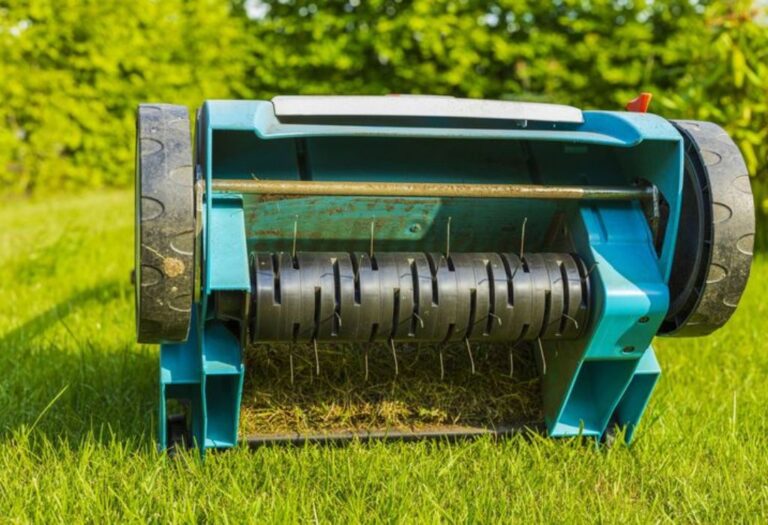
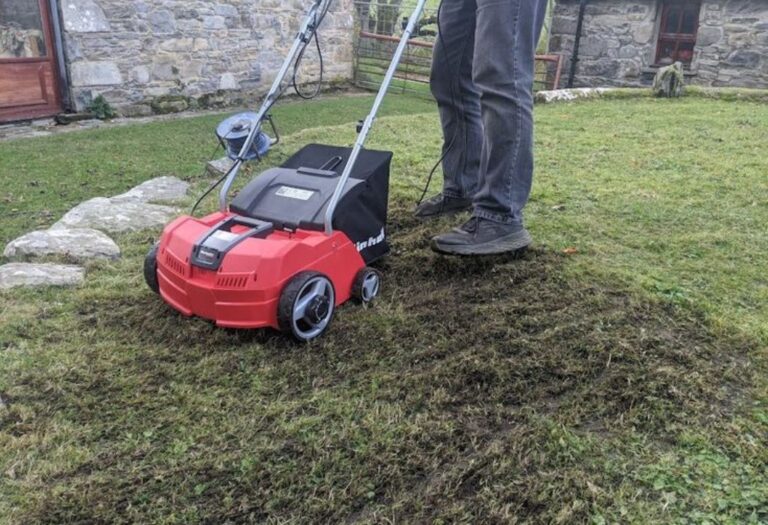
When you’re looking to aerate your lawn, several tools can help you do the job without using heavy machinery. These tools are usually inexpensive, easy to use, and require only a little effort to operate. Core aerators, for example, are a great option for pulling small plugs of soil and thatch from the ground, creating channels for air, water, and nutrients. Spike aerators, on the other hand, are designed to make holes by pushing into the soil. Both options are great for improving your lawn’s health, as they both help combat compaction.
- Core Aerators: These tools remove small plugs of soil from the ground, creating channels for air, water, and nutrients. They are very effective at reducing soil compaction. For best results, use a core aerator in the fall or spring.
- Spike Aerators: Spike aerators have solid tines that poke holes into the soil. While they don’t remove any soil, they still help to loosen the soil and improve aeration. They are a good choice for lawns that aren’t very compacted.
- Aeration Shoes: These shoes have spikes on the bottom, allowing you to aerate the lawn as you walk. They are best for small areas or lightly compacted soil. They are an easy way to get some extra exercise while improving your lawn.
- Manual Aeration Tools: There are various manual tools available, such as hand aerators or rolling aerators. These are good for smaller yards or specific areas that need extra attention. You get a good workout while taking care of your lawn.
- DIY Aeration: You can create your own aeration tools or methods. For example, you can use a garden fork to make holes in your lawn. DIY methods are cost-effective and allow you to target specific areas of your lawn.
The Role of Earthworms in Aeration
Earthworms are nature’s own aerators. They dig tunnels through the soil, creating pathways that improve air circulation and water drainage. As they move, they also break down organic matter and leave behind nutrient-rich castings that help feed your grass. By creating a worm-friendly environment, you can let them do a lot of the work for you. This natural process is not only beneficial for the lawn but also for the wider ecosystem in your yard. Earthworms are a valuable asset for maintaining a healthy and naturally aerated lawn.
- Worm Castings: Worm castings are a natural fertilizer rich in nutrients that help feed your grass. They improve soil structure and water retention. The castings are a perfect fertilizer.
- Improved Drainage: Earthworms create tunnels that help water drain more easily. This reduces the risk of waterlogging and promotes healthy root growth. Earthworms are nature’s drainage system.
- Soil Aeration: As earthworms tunnel through the soil, they create air spaces that improve aeration. This helps roots get the oxygen they need to grow. The worm’s tunneling process is good for the soil.
- Enhanced Nutrient Cycling: Earthworms help break down organic matter, releasing nutrients that your grass can use. This contributes to healthier growth. Earthworms improve nutrient delivery.
- Organic Matter Incorporation: Earthworms help incorporate organic matter into the soil. This improves soil structure and makes it easier for roots to grow. They help build healthy soil structure.
Implementing Natural Lawn Aeration for Best Results

Successfully aerating your lawn naturally is a matter of knowing when and how to approach the process. The right timing and following the correct steps can make a big difference in how well your grass grows and thrives. Whether you’re using tools or encouraging natural processes like earthworms, the key is to be consistent and patient. You’ll see the positive results over time as your lawn becomes healthier and more resilient. Following this guidance will help you achieve the best outcome.
Timing Your Aeration Efforts
Timing is a key aspect of natural lawn care, and it holds true for aeration. The best times to aerate your lawn are during the growing season when the grass is actively growing. This allows your grass to recover quickly from any damage caused by the aeration process. The ideal times are generally in the spring and fall. These seasons offer moderate temperatures and adequate moisture, which support healthy grass growth and promote the healing of any disruptions to the soil. Aerating at these times allows your grass to take advantage of the increased air and water circulation. Plan your aeration projects around these seasons for the best results.
- Spring Aeration: Aerate your lawn in early spring, just before or as the grass starts actively growing. This is a great time to give your lawn a boost after the winter months. It helps to prepare the soil for new growth.
- Fall Aeration: Aerate in the fall, a few weeks before the first frost. This provides your lawn with time to recover and prepare for winter. The fall months are ideal for deep root growth.
- Avoid Summer Aeration: Try to avoid aerating in the heat of summer. High temperatures and dry conditions can stress your grass and slow down recovery. Your lawn is more vulnerable in the summer.
- Consider Your Grass Type: Different grass types have different growing cycles. Research the best times to aerate for your specific grass type. Adjust your schedule based on what’s best for your lawn.
- Monitor Weather Conditions: Check the weather forecast and try to aerate when rain is expected. This helps the soil to stay moist and makes it easier for the grass to recover. Aerating before rain can optimize the process.
Step-by-Step Guide to Natural Lawn Aeration
Here’s a simple step-by-step guide to help you aerate your lawn naturally. By following these steps, you can help your lawn thrive using earth-friendly methods. This process requires a bit of patience and work, but the outcome of a healthy, green lawn is well worth it.
- Assess Your Lawn: Start by checking your lawn for signs of compaction, such as standing water or difficulty pushing a screwdriver into the soil. These will indicate if you need to aerate. Know your lawn to understand if and where you should aerate.
- Choose Your Aeration Method: Pick a method that suits your needs. This could be a core aerator, spike aerator, or other method. Pick the tool that works best for your lawn.
- Prepare the Lawn: Water your lawn a day or two before you aerate to soften the soil. This will make it easier to work with. Soften the soil for easier aeration.
- Aeration Process: Follow the instructions for the tool you’ve selected. For a core aerator, make multiple passes to ensure good coverage. Aerate the lawn systematically, making sure to aerate the whole lawn.
- Post-Aeration Care: After aerating, you can spread grass seed and fertilizer. Then, water the lawn well to help the grass recover and grow. Watering after aeration is important.
Choosing the Right Aeration Method for Your Lawn
Selecting the correct aeration method is essential for getting the most from your efforts. Different methods work better for different soil types, lawn sizes, and levels of compaction. Taking into account these factors can help you achieve the best possible results. When choosing, consider not just your immediate needs but also the long-term health and wellbeing of your yard. By considering these variables, you will be able to pick the most effective method.
Comparing Core Aeration and Spike Aeration
Core aeration and spike aeration are two of the most popular methods for improving soil health. Each method works differently and has its advantages and disadvantages. Core aeration involves removing plugs of soil, which allows for better air circulation and water penetration. Spike aeration involves pushing holes into the soil, which can also help with compaction. A comparison of these two will help you determine the best option for your lawn.
| Feature | Core Aeration | Spike Aeration |
|---|---|---|
| How It Works | Removes small plugs of soil | Pokes holes in the soil |
| Benefits | Best for compacted soil, allows better air and water flow | Easy to do, good for light compaction |
| Drawbacks | More work, leaves holes in the lawn | Less effective for heavy compaction |
| Ideal For | Heavily compacted lawns, clay soils | Lawns with light compaction, regular maintenance |
| Effort Level | Moderate to High | Low |
Adapting Aeration Methods for Your Lawn
Not every lawn is the same, so customizing your aeration approach to match your yard’s specific needs is key. Consider the soil type, the size of your lawn, and how much foot traffic it gets. For instance, clay soil needs more frequent aeration than sandy soil. Small lawns may benefit from manual aeration tools, while larger areas can benefit from a rolling or mechanical aerator. High-traffic areas may need a more intensive aeration approach. This helps you choose the best methods.
- Soil Type: If you have clay soil, which is prone to compaction, you might need to aerate your lawn more often. Clay soils need frequent aeration.
- Lawn Size: For smaller lawns, hand tools like a garden fork or aerator shoes might be enough. Big lawns can use rolling or tow-behind aerators. Bigger lawns need more equipment.
- Foot Traffic: Lawns with a lot of foot traffic need more frequent aeration. Paths and play areas will need more frequent attention. Frequent use leads to more compaction.
- Grass Type: Different grass types have different needs. Know your grass type and how it responds to aeration. Understand your grass type to know your needs.
- Existing Problems: Address any existing issues, such as poor drainage or areas of dead grass. Address these problems during your aeration efforts. Address any issues during aeration.
Frequently Asked Questions
Question: How often should I aerate my lawn?
Answer: It depends on your soil and the amount of traffic your lawn gets. Usually, once or twice a year is enough, especially in spring and fall. For heavy clay soils or lawns with lots of foot traffic, you might need to aerate more often.
Question: Can I aerate my lawn in the summer?
Answer: It’s best to avoid aerating during the heat of summer, as it can stress your grass. The ideal times are in the spring and fall when the weather is cooler and your grass is actively growing.
Question: Should I seed after aerating?
Answer: Yes, seeding after aerating is a great way to improve your lawn. The holes created by aeration make it easier for grass seeds to reach the soil and germinate, leading to a thicker, healthier lawn.
Question: Do I need to water after aerating?
Answer: Yes, water your lawn well after aerating. Watering helps the soil settle and encourages grass seed to sprout if you seeded after aerating. It also helps your lawn recover from the process.
Question: What’s the best tool for aerating a small lawn?
Answer: For small lawns, a manual aeration tool like a garden fork or aerator shoes is a simple and effective choice. These tools are easy to use and don’t require a lot of space to maneuver.
Final Thoughts
You now have a clear path to improving your lawn’s health using natural methods for aeration. Remember, the goal is to give your grass roots the space and resources they need to thrive. Whether you decide to use core aerators, encourage earthworms, or simply give your lawn some extra air with a garden fork, each step you take helps. By understanding the basics of how to aerate lawn naturally, you’re not just improving the look of your yard; you’re contributing to a healthier environment, too. So, get started with these simple methods and look forward to a greener, more vibrant lawn. Your grass—and the planet—will thank you.