How to Fix a Dent in a Lawn Roller Quickly and Easily
So, you’ve got a dent in your lawn roller. It happens! Dealing with a damaged roller can be a little tricky if you’re just getting started with lawn care. It’s often difficult to figure out what caused the dent and what tools you’ll need. Don’t worry, though! It’s usually a straightforward fix. This guide will show you how to fix dent in lawn roller without any special skills. We’ll go step-by-step to get your roller back in shape. Let’s get started!
What Causes Dents in Lawn Rollers?
Understanding why lawn rollers get dents is the first step in knowing how to fix the problem. Dents usually happen from impacts or stress. This could be from rolling over something hard like a rock, a tree root, or even from improper storage. The material of the roller also plays a role. Steel rollers are tough but can still dent, while plastic rollers are more prone to damage. Using your roller incorrectly, such as overfilling it with water or using it on uneven ground, can also cause dents. This section explores the common causes and how to avoid them.
Impact with Hard Objects
One of the most frequent reasons for dents is hitting something solid. Rocks, tree roots, or even stray pieces of metal can cause a sudden impact. When a lawn roller encounters these obstacles, the force can be enough to deform the roller’s surface. Think of it like a car hitting a pothole. If the impact is hard enough, it creates a dent. Regular inspection of your lawn for potential hazards before using the roller can help prevent this problem. Additionally, using a roller with thicker steel can provide more protection against these types of impacts.
-
- Rocks and Debris: Hidden rocks or bits of construction material can cause dents upon impact. Inspect the area before rolling.
Make sure to remove any loose debris, such as rocks, twigs, or other objects that might be hidden in the grass. These can cause dents in your lawn roller.
-
- Tree Roots: Rolling over larger tree roots can be a major cause. Avoid rolling over areas with visible roots.
Roots hidden below the surface may not be visible. Try to be aware of areas with possible roots and avoid them.
-
- Metal Objects: Small metal pieces can also cause dents. Scan the area for metal before rolling.
Metal fragments can be hard to spot. If you are doing work around your lawn, keep an eye out for metal bits.
Material and Construction Flaws
The material your lawn roller is made of directly affects its durability. Steel rollers are strong but can still dent, especially if the metal is thin. Plastic rollers are more lightweight and usually less expensive, but they are more susceptible to damage. The construction of the roller also matters. Poor welds, weak seams, or thin walls can all make a roller more prone to denting. Checking the construction quality when you buy the roller can save you from future headaches and the need to fix dents.
-
- Steel Thickness: Thicker steel resists dents better than thinner steel.
When selecting a lawn roller, look for models with a thicker steel body. It will stand up better to impacts.
-
- Weld Quality: Poor welds can weaken the structure and make it easier to dent.
Poor welds can create weak points in the roller that are prone to failure and denting.
-
- Seam Integrity: Weak seams on the roller’s body are vulnerable to damage and denting.
Check the seams on your roller frequently. Any weaknesses can lead to dents over time.
-
- Plastic Quality: Low-quality plastic can crack or dent more easily than durable plastic.
If you have a plastic roller, look for higher quality materials. They are less likely to crack or get dented.
Improper Usage and Storage
How you use and store your lawn roller has a big impact on its lifespan. Overfilling a water-filled roller can create excessive pressure on the walls, leading to dents or even failure. Using the roller on extremely uneven ground can put stress on certain areas, leading to denting. Proper storage is also important. Leaving the roller outside in harsh weather can cause rust and weaken the material, increasing the chances of dents. It is essential to understand that correct use and care will help extend the life of your roller.
-
- Overfilling: Filling the roller with too much water adds extra pressure.
Always follow the manufacturer’s guidelines for filling the roller with water or sand. Overfilling can put excessive stress on the walls.
-
- Uneven Terrain: Using the roller on rough terrain can lead to dents.
Try to use the roller on relatively smooth surfaces. Avoid rolling over large bumps or uneven spots.
-
- Harsh Weather Exposure: Rain, snow, and extreme temperatures can damage the roller.
If possible, store your roller in a shed or garage to protect it from harsh weather.
-
- Improper Storage: Incorrect storage can cause the roller to warp or become damaged.
Avoid storing the roller in a way that puts unnecessary stress on any part of the body.
Tools and Materials You Will Need
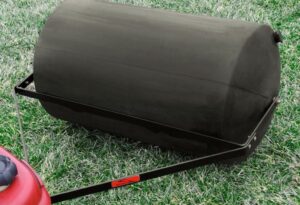
Before you start fixing that dent, you will need to gather the right tools and materials. Depending on the type and severity of the dent, you might need a few different things. Having these items ready will make the process go much more smoothly. We will cover the most common tools and materials needed. From basic hand tools to specialized items, knowing what you need ahead of time saves time and hassle. You’ll be ready to tackle the repair with confidence.
Essential Tools
Here’s a breakdown of the tools that are essential for fixing a dent in a lawn roller. These tools cover the basics you’ll need for most repair jobs. You may already have most of these tools in your garage or toolbox. Make sure you have these handy before starting the repair to ensure you’re prepared. You’ll find these tools easy to handle, even if you do not have any special repair experience.
-
- Rubber Mallet: Used for gently tapping out dents without damaging the roller.
A rubber mallet is ideal for this task. It gives a controlled force that won’t scratch the surface of the roller. It is a must-have for reshaping the metal.
-
- Metal Hammer: This will be required for tougher dents where more force is required.
A metal hammer can be used for more stubborn dents. Be careful using it. You may need to use it with a piece of wood for protection.
-
- Protective Gloves: To protect your hands from injury.
Wear sturdy gloves to protect your hands from scrapes and cuts.
-
- Eye Protection: Essential to protect your eyes from any flying debris.
Safety glasses are a must. They protect your eyes from debris, such as rust flakes, while you work.
Additional Materials
In addition to the basic tools, you might need some extra materials. The specific materials you need will vary depending on the type of repair required. These extra items can help with more complex repairs or provide protection for the roller. Having these extra items on hand will prepare you for any issue that may arise while fixing your roller.
-
- Sandpaper: For smoothing out any rough edges or rust before painting.
Using sandpaper will help smooth out any rough edges or rust that may be present before painting or applying any protective coatings.
-
- Filler (optional): If the dent has caused the metal to stretch or crack, you may need body filler.
If there is a crack or stretch in the metal, filler can be used to make the surface even. This can be followed by sanding and painting.
-
- Primer and Paint: To protect the repaired area from rust and corrosion.
Applying primer and paint will protect the repaired area from rust and corrosion. Select a paint that is suitable for metal and exterior use.
-
- Cleaning Supplies: Soap, water, and rags to clean the roller.
Before any repair work, clean the surface of the roller. A clean surface ensures a better finish.
Step-by-Step Guide to Fixing a Dent
Now, let’s get into the step-by-step process of fixing a dent. Whether it’s a minor ding or something more significant, this guide breaks down the process into easy-to-follow steps. It is designed to be simple, even if you are a beginner. Following these steps carefully will help you restore your lawn roller. Before you know it, your roller will be ready to work again.
Assessment and Preparation
First, it’s important to assess the damage. This means examining the dent carefully to understand its size, depth, and any other damage. This assessment will help you decide on the best repair method. Preparation is next. This includes cleaning the roller and gathering all the necessary tools and materials. Proper assessment and preparation are key to a successful repair. They ensure that you’re well-equipped and ready to tackle the dent effectively.
-
- Inspect the Damage: Examine the dent to determine its size and depth.
Look at the dent closely. Is it shallow or deep? Are there any cracks or other damage? This assessment informs your next steps.
-
- Clean the Roller: Wash the roller to remove dirt and debris.
Use soap and water to wash the roller. Wipe it down with a clean rag. A clean surface is essential for proper repair.
-
- Gather Tools and Materials: Make sure you have everything you need within easy reach.
Lay out your tools and materials before you start. This ensures you have everything on hand and do not need to pause in your work.
-
- Safety First: Wear gloves and eye protection.
Always wear protective gear. This will protect you from potential hazards and injuries.
Dent Removal Techniques
The method you use to remove the dent will depend on its severity and location. For minor dents, you might be able to simply tap them out with a rubber mallet. Deeper dents might need more effort, such as using a metal hammer. It’s important to be patient and work carefully to avoid causing further damage. This section covers various techniques. Each technique has its own advantages, allowing you to select the best option for your situation.
-
- Using a Rubber Mallet: Gently tap around the dent to reshape the metal.
Start by tapping lightly with the mallet. Work around the edges of the dent, gradually moving inward. Check your progress frequently. Use a light touch to avoid making the damage worse.
-
- Using a Metal Hammer: Use this for more stubborn dents, tapping gently.
Use a piece of wood between the hammer and the roller. This protects the surface. Work slowly and gently. Keep checking to ensure you aren’t overdoing it.
-
- Heat Application (Optional): Apply heat to the dented area (use a heat gun carefully).
Heat can make the metal more flexible. Apply heat carefully to prevent damaging the paint. Do not overheat the metal. Proceed with caution.
Finishing and Protection
Once you’ve removed the dent, you’ll want to finish the repair. This involves smoothing out any imperfections and protecting the repaired area. Sanding, filling (if necessary), priming, and painting are the key steps here. The goal is to restore the roller to its original appearance and protect it from rust and corrosion. Proper finishing provides a long-lasting repair and extends the life of your lawn roller.
-
- Sanding: Smooth out any rough edges or imperfections with sandpaper.
Use sandpaper to even out the surface. Ensure there are no sharp edges or high spots. This prepares the surface for the next steps.
-
- Filling (If Needed): Apply body filler to any cracks or deep dents.
Apply body filler as needed. Allow it to dry completely. Then, sand the filler smooth, creating a level surface.
-
- Priming: Apply a coat of primer to the repaired area.
Priming helps the paint adhere to the metal. Apply an even coat. Let it dry completely before proceeding.
-
- Painting: Apply paint that matches the original color.
Apply the paint in thin, even coats. Allow each coat to dry before adding the next. This provides the final layer of protection and restores the appearance of the roller.
Frequently Asked Questions
Question: How do I know if the dent is too big to fix?
Answer: If the dent is extremely deep, has caused extensive cracking, or is near a weld, it may be too difficult to repair without specialized tools or professional help. In these cases, it might be more cost-effective to replace the roller.
Question: Can I use any type of filler to fix the dent?
Answer: Use a body filler designed for automotive or metal repairs. Avoid fillers that are not designed for outdoor use or that are not compatible with the type of metal your roller is made of.
Question: What kind of paint should I use?
Answer: Use an exterior-grade paint that is suitable for metal. Enamel paints or paints specifically designed for outdoor equipment offer good protection against rust and the elements.
Question: What if I don’t have a rubber mallet?
Answer: You can use a block of wood and a regular hammer as a substitute. Place the wood against the roller’s surface and tap the wood gently to avoid direct metal-on-metal contact.
Question: How do I prevent dents from happening again?
Answer: Avoid rolling over rocks or other hard objects, do not overfill the roller with water, and store the roller in a sheltered area when not in use. Regular inspection and maintenance can also prevent future damage.
Final Thoughts
Fixing a dent in your lawn roller doesn’t have to be a major project. As we’ve seen, with the right tools and a little bit of patience, you can often restore your roller to its former glory. Remember, the first step is to assess the damage and gather the necessary materials. Then, using gentle techniques like tapping with a rubber mallet, you can reshape the metal. Finish the job with sanding, priming, and painting to protect the roller from rust and the weather. By taking these steps, you’ll extend the life of your equipment. Now you are ready to keep your lawn looking great! Get out there and make your lawn the envy of the neighborhood.