Tow Behind Lawn Roller Problems and Simple Solutions
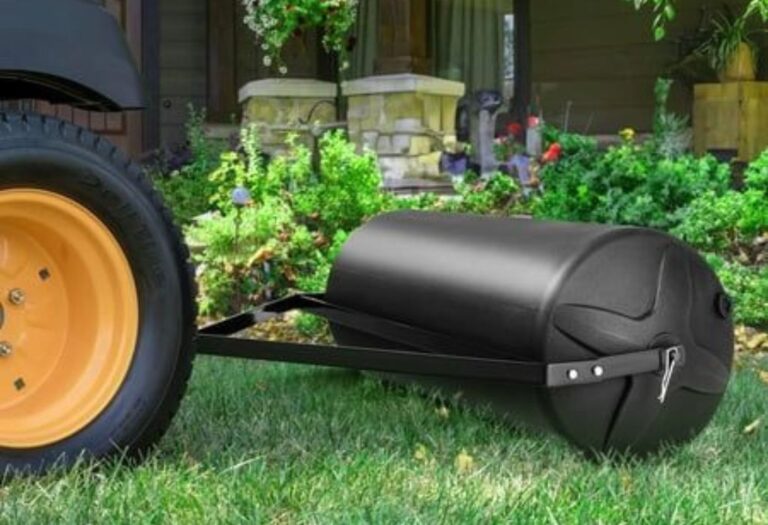
Getting your lawn looking its best can be tough, and tow behind lawn roller issues can make it even harder for beginners. Many people find these tools tricky at first. Don’t worry, though! It’s totally normal to have questions about using a tow behind lawn roller. We’re here to help make it easy. We’ll explore the common problems and give you simple, step-by-step solutions. Next, you’ll learn how to get your lawn smooth and beautiful.
Common Challenges When Using a Tow Behind Roller
When you first start using a tow behind roller, you might bump into some typical snags. These can range from uneven rolling to trouble with steering. It’s normal to feel a bit lost at first! These tools can act differently depending on the ground and the roller itself. Think about how the weight, the way it’s filled, and even the speed all play a role. The more you know about these factors, the better you’ll get at using your lawn roller correctly. The following sections will guide you toward resolving these problems.
Uneven Surface After Rolling
One of the most common complaints after using a tow behind lawn roller is an uneven surface. This is when the lawn still has bumps and dips even after rolling. Several factors can cause this, like the soil conditions, the roller’s weight, and how it’s being pulled. It’s often due to the roller not applying consistent pressure or the ground itself having hidden issues. Learning to identify these problems can help you achieve a smooth lawn, which is what we all want!
-
- Incorrect Filling: Ensure your roller is filled to the correct level. Too little water, sand, or other filling materials will result in insufficient weight, while too much can cause it to sink into the ground and create even more problems.
The amount of filling material is a key factor in using a tow behind lawn roller. Too little weight, and the roller won’t properly flatten the lawn. Too much, and it will sink, leaving an uneven mess behind. Check your roller’s instructions for the recommended filling levels.
-
- Uneven Ground Conditions: Existing bumps and hollows in your lawn can persist after rolling. The roller will generally follow the ground’s contours, so fix these issues before rolling.
Dealing with bumps and dips before rolling makes a big difference. Think of it like preparing a canvas before painting. Use a shovel or rake to level out high spots and fill in low ones. Doing this first will save time and improve the final result when you roll your lawn.
-
- Speed of Operation: Rolling too quickly can prevent the roller from effectively flattening the ground. The roller needs time to settle and compress the soil.
Rolling at a steady, slow pace is essential. Going too fast will prevent the roller from compressing the soil properly. Think of it like slow-motion. You want the roller to have time to do its job. A slow speed allows the roller to press down, eliminating bumps. The best pace will ensure an even, smooth surface.
-
- Poorly Maintained Roller: Ensure the roller is free from damage and has no bent parts, flat tires (if applicable), or other mechanical issues.
A damaged or poorly-maintained roller can create more problems than it solves. Before you start, check for any damage. Things like bent frames or flat tires can disrupt the even distribution of the roller’s weight. Fixing these problems ahead of time will result in a better outcome.
Steering and Maneuverability Difficulties
Steering a tow behind lawn roller can sometimes feel like trying to steer a large boat. It’s a common issue, particularly in tight spaces or on slopes. The design of the roller and the way it connects to the towing vehicle can affect how well you can steer. Learning how to control the roller’s movement is essential to achieving a neat, professional-looking lawn. Practice and adjusting your approach can improve your steering significantly.
-
- Sharp Turns: Avoid making sharp turns. Doing this can cause the roller to dig into the ground, damage the turf, or even tip over.
Sharp turns are a common mistake that can leave marks on your lawn. Think about the connection point between your tractor and the roller. This is where the roller pivots. When you turn too quickly, the roller can act like a plow, digging into the ground. Gentle, sweeping turns will help prevent these issues.
-
- Uneven Terrain: Slopes and uneven ground can make steering more difficult, as the roller’s weight shifts. Reduce your speed, especially on slopes.
Slopes add an extra challenge to steering. The roller’s weight can shift and make it hard to control. Reduce your speed and be extra cautious when you’re rolling on a hill. It’s better to roll back and forth across the slope, rather than going straight up and down. This will help you keep control and prevent the roller from tipping.
-
- Towing Vehicle: The type of vehicle used for towing can influence steering. A smaller vehicle might offer better maneuverability, while a larger one could provide more stability.
The type of vehicle you are using for towing matters. A compact tractor may provide more control in tight areas. It can turn on a smaller radius. A bigger tractor, while offering power, can be less easy to steer in tight spots. Test different setups to find the perfect fit for your yard.
-
- Hitch Adjustment: The connection point or hitch between the towing vehicle and the roller can influence steering. Make sure the hitch is properly adjusted.
Pay close attention to how the roller and tractor connect. A poorly adjusted hitch can restrict the roller’s movement and make steering difficult. Make sure the hitch is secure and allows the roller to move freely. A properly adjusted hitch is the first step towards smoother rolling.
Choosing the Right Tow Behind Lawn Roller for Your Needs
Selecting the right tow behind lawn roller involves more than just picking the first one you find. Things like the size of your lawn, the type of grass you have, and even the terrain of your yard play a role. There are several different kinds of rollers, each with its own benefits and best uses. By considering these factors, you can ensure that the roller you choose will give you the results you want. Getting the perfect roller might just take a little homework and planning.
-
- Size of Lawn: Choose a roller size appropriate for the area you need to cover. A large roller might be good for a big lawn, but a smaller one could be better for a small, tight space.
The size of your lawn is important when choosing a roller. A larger roller will cover more ground. This is great for large lawns. But, if you have a smaller yard, a smaller roller will be easier to handle and maneuver. It’s about balance—choosing the right size to make the job quick and easy.
-
- Weight and Capacity: Consider the weight capacity of the roller. Heavier rollers apply more pressure, but may not be ideal for all grass types or soil conditions.
The weight of the roller is a key factor. A heavier roller provides more pressure on the ground, which means better soil compaction. But, too much weight can damage certain types of lawns. Think about your lawn type and soil. Then choose a weight that gives you the best results without causing damage.
-
- Material: Rollers are often made of steel or plastic. Steel rollers are typically more durable, while plastic rollers may be lighter and less prone to rust.
The material of the roller influences its performance and lifespan. Steel rollers are known for their durability and can handle rougher conditions. Plastic rollers can be lighter and are rust-resistant. Think about what works best for your situation. Do you need a roller that will last for years, or is portability a priority?
-
- Filling Options: Some rollers can be filled with water, sand, or other materials to increase weight. This flexibility is helpful for adapting to different soil types and tasks.
The ability to fill your roller with water or sand is a big plus. It lets you customize the weight. This is important because different tasks need different amounts of pressure. If you are preparing your lawn for seeding, you will need more weight. If you’re leveling the lawn, you may need less. The option to adjust weight gives you control.
Common Problems: Tow Behind Lawn Roller Issues

Using a tow behind lawn roller can be a great way to improve your lawn’s look. However, there are common problems that can happen. It’s helpful to be aware of these problems so you can avoid them or fix them when they occur. Understanding these issues will help make your lawn care simpler and more effective.
Roller Won’t Fill or Drain Properly
One common problem is when the roller is tough to fill with water or sand, or, alternatively, doesn’t drain easily. This issue can make the whole process of using a lawn roller more difficult. It’s often due to clogs, improper venting, or incorrect use of the filling and draining mechanisms. Resolving these concerns can ensure that the roller functions correctly.
-
- Clogged Fill/Drain Port: Debris may block the fill or drain ports.
A blocked port is a common issue that prevents the roller from being filled or drained. This is often caused by dirt, grass clippings, or other debris. Regularly checking and clearing these ports is a simple step you can take to keep your roller working correctly. It only takes a few minutes to clear the way for smooth filling and draining.
-
- Incorrect Venting: Air trapped inside the roller can prevent water or sand from flowing in or out. Many rollers have a vent to allow air to escape.
Venting is a critical step in both filling and draining. If air gets trapped, it can slow or stop the flow of water or sand. Make sure that the vent is open when you fill or drain the roller. This will let air escape and ensure a smooth flow of materials. Check the vent for any clogs and ensure it’s working correctly.
-
- Damaged Fill Cap or Drain Plug: Leaks can occur, which will impact filling and draining. The cap or plug may not seal properly.
The fill cap and drain plug can cause problems if they are not in good shape. These parts are meant to seal the roller tightly and prevent leaks. Inspect them for damage regularly. Replace the cap or plug if they become worn or cracked. This will help make sure that your roller fills and drains as expected.
-
- Sediment Build-Up: Over time, sediment can build up inside the roller and restrict flow.
Sometimes, sediment builds up inside the roller. This can happen from repeated use. This buildup restricts the flow of water or sand. Consider rinsing the roller after each use. This will keep the inside clean and clear. Doing this will keep the roller running smoothly for years.
Uneven Compaction and Lawn Damage
Even if you avoid steering issues and have no trouble filling or draining, you may still encounter problems. Uneven compaction and damage to the lawn can happen, too. This problem can show up as dents, streaks, or unevenness. Getting to know the causes of these issues and how to fix them will make the difference between a good job and a great one.
-
- Overfilling: Too much weight can cause over-compaction, leading to dents or damage to the lawn.
Too much weight can cause problems. It can result in a lawn that is too compact, leading to dents or damage. Avoid overfilling the roller. Stick to the manufacturer’s recommended capacity. Doing this will help you get the desired results without hurting your lawn.
-
- Rolling in Wet Conditions: Rolling when the soil is too wet can lead to excessive compaction, rutting, and damage.
The time of year and the weather play a role in how well your roller works. Rolling when the soil is wet causes problems, such as compaction and rutting. It’s better to roll your lawn when the soil is dry or only slightly damp. This is the perfect time to get the best outcomes.
-
- Speed Inconsistency: Varying the speed of your rolling can cause inconsistent compaction.
How fast you roll is an important part of the process. Rolling at different speeds can lead to uneven compaction. Stick to a slow, steady pace to make sure the roller works correctly. This will help you get a uniformly smooth surface.
-
- Sharp Turns: Making tight turns can damage the turf, especially when the roller is heavily weighted.
Making sharp turns can hurt your lawn. They can cause the roller to dig into the ground and damage the grass. Avoid sharp turns. Make wide, gentle turns to prevent unnecessary damage. Your lawn will look better if you take care when turning.
Addressing Specific Tow Behind Lawn Roller Issues
Let’s explore some specific problems and how to solve them. Addressing these issues can make your experience with a tow behind lawn roller more efficient and satisfying. It’s all about knowing what to do and having the tools and knowledge ready. The advice below will guide you toward success.
Solving Steering Problems with a Tow Behind Roller
Struggling with steering? You’re not alone. This is often the most difficult aspect of using these tools. The good news is, there are a lot of fixes available. From adjusting your technique to checking your equipment, these steps can help get you back in control.
-
- Adjusting Your Towing Path: Make gradual turns to avoid tearing the grass.
Your technique is key. Try making gradual turns instead of sharp ones. This will reduce damage to the grass. Try to use wider arcs. This strategy will help make steering easier. You will have a smoother, cleaner outcome.
-
- Choosing the Right Tow Vehicle: Make sure your vehicle is suitable for the roller. A smaller tractor offers greater control.
The right vehicle can make a big difference. Think about the size of your yard. A smaller vehicle will offer more maneuverability. A bigger one might be a better choice for a larger area. Consider both power and control when choosing your vehicle.
-
- Checking the Hitch Mechanism: Ensure that the hitch is correctly connected and allows free movement.
A proper connection between the roller and the vehicle is key. Check the hitch. It needs to be securely connected and allow for free movement. Make sure the hitch is properly adjusted. This will make steering less difficult.
-
- Practice and Familiarization: Spend some time getting used to the roller’s behavior before a full roll.
Take some time to practice. Try rolling on a small area first. This will give you a feel for how the roller responds to your movements. Get used to the way it turns and how it handles different terrains. Practice improves steering skills.
Correcting Uneven Rolling and Lawn Compaction
Uneven rolling can be a real headache. No one wants to see an uneven lawn after putting in the time and effort. Luckily, there are proven steps to help you correct these problems. Here’s how you can make sure your lawn is flat and beautiful.
-
- Proper Filling Level: Check and maintain the correct filling level. Too much weight can damage your lawn.
The weight of the roller is a key factor. Make sure the roller is filled to the correct level. Too little weight won’t flatten the lawn, while too much will cause issues. Always follow the manufacturer’s recommendations for filling. This step will help you get the best outcomes.
-
- Assess Lawn Condition: Before rolling, check for bumps and dips. Repair these before rolling to get a smooth surface.
Before rolling, make a thorough assessment of the lawn. Look for bumps and dips that can cause problems. Address these issues with filling or leveling. This will help make sure that the rolling is effective. Preparation is critical.
-
- Control Rolling Speed: Maintain a steady, slow pace for even compaction.
Controlling your speed during rolling is crucial. Maintain a consistent, slow speed. This lets the roller compress the soil correctly. It helps to avoid unevenness. Steady, slow rolling is the secret to a smooth lawn.
-
- Directional Rolling Patterns: Roll in overlapping patterns to make sure the entire lawn is compacted.
Rolling in overlapping patterns can make a huge difference. Roll in a way that the roller goes over each area a few times. This ensures that the whole lawn is evenly compacted. This technique will help you get a beautiful, smooth finish.
Maintaining and Storing Your Tow Behind Roller
Good care helps a tow behind lawn roller last longer and work better. Keeping your roller in top shape is essential. Proper care reduces future problems and increases its lifespan. You’ll be able to enjoy a perfectly rolled lawn for years to come. Here’s how to do it!
-
- Cleaning After Use: After each use, clean the roller. Remove any dirt or debris.
Cleaning your roller after use is an important part of good maintenance. Make sure to remove any dirt or debris. This includes grass clippings and soil. This simple step will keep your roller working at its best. It will also help stop rust and corrosion.
-
- Storage Procedures: Empty the roller before storage. Store it in a dry location.
Proper storage is just as important as cleaning. Empty the roller and store it in a dry place. This will stop rust and extend the tool’s life. Choosing the right storage spot will help keep your roller ready for use.
-
- Regular Inspections: Inspect the roller regularly for damage, leaks, or wear.
Regular inspections can help to identify any potential problems before they get worse. Check for damage, leaks, and wear. Catching issues early can help you avoid major problems. It will also keep the roller working correctly.
-
- Lubrication and Maintenance: Lubricate moving parts and replace damaged parts as needed.
Lubrication is key to the maintenance of your roller. Lubricate moving parts to keep them moving smoothly. Replace worn or damaged parts promptly. Doing this will make sure the roller runs efficiently. It will also keep the roller running for years.
Frequently Asked Questions
Question: How much weight should I use in my tow behind lawn roller?
Answer: The ideal weight depends on your lawn’s condition and the task. Always refer to your roller’s instructions for recommended weight limits. For most tasks, like leveling, a moderate weight is best. Too much weight can damage the turf.
Question: Can I use a tow behind lawn roller on a newly seeded lawn?
Answer: Generally, it’s best to wait until the new grass has established. Light rolling may be okay to encourage seed-to-soil contact. Avoid heavy rollers on newly seeded areas to avoid damaging the seedlings.
Question: What’s the best speed to use while rolling my lawn?
Answer: A slow, steady pace is ideal. This allows the roller to compress the soil evenly. Walking speed is usually a good guide. Avoid going too fast, as this will lead to uneven compaction and a poor result.
Question: How often should I roll my lawn?
Answer: The frequency depends on your lawn’s needs. You might roll a lawn once or twice a year to level it or encourage new grass growth. Avoid rolling too often, as this can compact the soil excessively.
Question: What should I do if my roller won’t drain?
Answer: Check for blockages in the drain plug and venting system. Ensure the drain plug is not damaged. If the problem persists, you may need to flush the roller with water to remove sediment.
Final Thoughts
Dealing with tow behind lawn roller issues may seem tricky at first, but with a bit of knowledge, you can conquer these challenges. From uneven surfaces to steering problems, the key is understanding the causes and applying simple solutions. Remember the importance of correct filling, speed control, and regular maintenance. When you learn how to handle your roller correctly, you’ll see great improvements in your lawn. Apply these steps. Start with the basics. You will be able to create a lawn that looks its best. The rewards are worth the effort. Now get out there and start rolling!