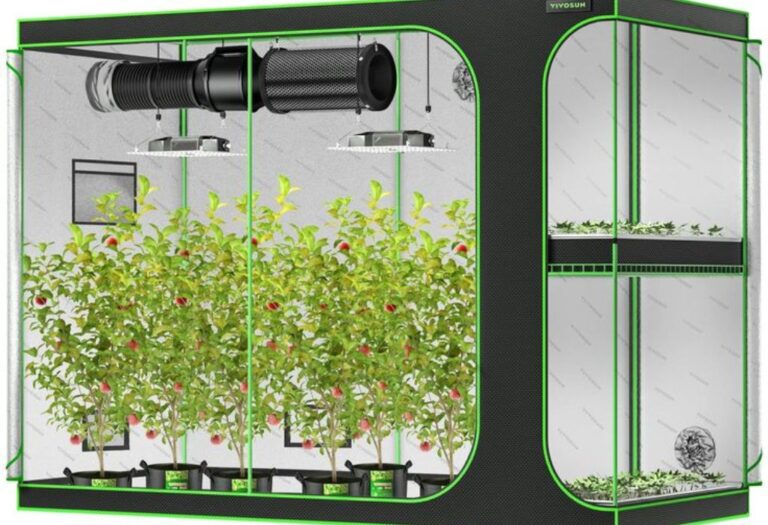
Controlling Humidity in a Grow Tent: A Simple Guide
Figuring out how to control humidity in grow tent can seem hard at first, especially when you’re just starting. Many new growers struggle with this because humidity impacts their plants’ health. Too much can cause mold and mildew, while too little can stress plants. But don’t worry! This guide breaks down the process into easy steps. We’ll explore everything you need to know to get your grow tent’s humidity just right. Let’s get started and learn how to help your plants thrive!
What Is Humidity and Why Is It Important?
Humidity is simply the amount of water vapor in the air. Think of it like this: the air isn’t just dry; it can hold moisture, and the amount it holds is the humidity level. For growing plants indoors, humidity plays a vital role in their health and development. The ideal humidity level for your grow tent depends on the stage of plant growth. Seedlings and clones often prefer higher humidity, while flowering plants generally like lower humidity. Keeping humidity within a certain range helps your plants use water, take in nutrients, and fight off diseases. If humidity is too high, it can lead to mold and other problems, while too low can cause the plants to dry out.
The Role of Transpiration in Plant Health
Transpiration is the process where plants release water vapor through tiny openings on their leaves called stomata. This process cools the plant and also helps to draw water and nutrients from the roots up to the leaves. The rate of transpiration is heavily influenced by humidity. High humidity slows down transpiration because the air is already saturated with moisture, making it harder for the plant to release more. Conversely, low humidity speeds up transpiration, which can cause the plant to lose water too quickly, potentially leading to stress. Understanding this relationship is key to knowing how to manage your grow tent’s environment effectively.
- Stomata: These are tiny pores on the surface of leaves that open and close to regulate the exchange of gases and control water loss. When humidity is high, stomata tend to close more, reducing water loss.
- Water Uptake: The amount of water available to the plant roots is crucial for healthy growth.
- Nutrient Transport: Transpiration helps move nutrients from the roots to the rest of the plant.
Humidity Level Impact on Plant Diseases
High humidity is a breeding ground for various plant diseases, especially fungal infections like powdery mildew and botrytis. These diseases thrive in environments with poor air circulation and high moisture levels. Powdery mildew appears as a white, powdery coating on leaves, while botrytis (gray mold) can cause the plant to rot. Controlling humidity, coupled with good air circulation, is a strong defense against these problems. The challenge lies in achieving a balance: providing enough humidity for healthy growth while preventing conditions that foster disease. Careful monitoring and adjustments are essential for a successful grow.
- Powdery Mildew: This is a common fungal disease that affects many plants. It shows up as white or grayish patches on leaves and stems. Preventing powdery mildew often requires reducing humidity and improving airflow.
- Botrytis (Gray Mold): This mold often appears as fuzzy gray spots on flowers or leaves, especially in humid conditions. Removing infected plant parts and keeping humidity down are important ways to control it.
- Fungal Spores: Fungal spores are everywhere in the air. High humidity and stagnant air give them a chance to grow and spread. Proper environmental control helps keep these spores from taking hold.
Humidity’s Effects on Plant Growth Stages
The ideal humidity level changes during a plant’s life cycle. During the seedling and cloning stages, higher humidity (around 70-80%) can help the plants develop strong roots and prevent them from drying out. As the plants mature and move into the vegetative stage, humidity can be lowered (50-70%). For the flowering stage, many growers aim for even lower humidity (40-50%), which can help prevent mold and boost resin production. Paying close attention to these changes and adjusting your grow tent’s settings accordingly is key to maximizing plant health and yield. The goal is to create the perfect conditions for each phase of growth.
- Seedling Stage: Seedlings need high humidity (70-80%) to establish strong roots and grow properly.
- Vegetative Stage: During this stage, lower humidity (50-70%) is appropriate as the plants develop leaves and stems.
- Flowering Stage: Lowering humidity further (40-50%) during flowering can help prevent mold and maximize resin production.
Measuring and Monitoring Humidity in Your Grow Tent

Tracking the humidity in your grow tent is essential for maintaining a healthy environment for your plants. You can’t manage what you don’t measure. Several tools are available, ranging from simple analog hygrometers to advanced digital devices that can provide precise readings and data logging. These tools give you the insights needed to make smart adjustments to your grow tent’s environment. Taking the time to monitor humidity means you can make changes as needed to ensure your plants thrive.
Choosing a Hygrometer
A hygrometer is a device that measures humidity. There are a few main types. Analog hygrometers are easy to use and don’t need batteries. However, they can be less precise. Digital hygrometers offer more exact readings and sometimes include extra features like temperature monitoring. You can get a simple digital hygrometer or one that records humidity data over time. The best choice depends on how precise you want your readings to be and how much you’re willing to invest. Regardless of the type, choose a reliable hygrometer to help you maintain the right environment for your plants.
- Analog Hygrometers: These are simple and often inexpensive, but they can be less accurate than digital models.
- Digital Hygrometers: These are usually more accurate and can include extra features, such as temperature readings.
- Data Logging Hygrometers: These store humidity data over time, which can help you understand humidity patterns in your grow tent.
- Calibration: It’s a good idea to calibrate your hygrometer regularly to ensure its accuracy.
Proper Placement of Humidity Sensors
Where you place your hygrometer is important. It should be positioned where it can accurately measure the air conditions around your plants, not right next to heat sources or vents. The best spot is usually in the center of the grow tent, at about the same height as the plants’ canopy. Place it away from direct light, which can affect the readings. Also, make sure the hygrometer is not blocked by plants or equipment. This setup will give you a good idea of the overall humidity level in the grow tent. Regularly checking and adjusting the placement can make sure the readings are always accurate.
- Canopy Height: Place the sensor at the same level as your plants’ leaves.
- Avoid Direct Light: Sunlight or grow lights can impact the readings.
- Air Circulation: Make sure the sensor has good air movement around it.
- Multiple Sensors: In larger tents, using multiple sensors in different locations can give you a better overall view.
Reading and Interpreting Humidity Levels
Once you have a hygrometer, you’ll need to understand how to read it. Most digital hygrometers display the relative humidity (RH) as a percentage. This number shows the amount of moisture in the air compared to the maximum amount the air can hold at that temperature. For example, 60% RH means the air has 60% of the maximum moisture it could hold at that temperature. Knowing what the readings mean is crucial for adjusting your grow tent’s climate. Learning to read your hygrometer helps you create the best atmosphere for your plants. It tells you when you might need to adjust your grow tent setup.
- Relative Humidity (RH): This is the percentage of moisture in the air, relative to its maximum capacity.
- Ideal Ranges: The appropriate RH range varies depending on the plant’s growth stage.
- Data Analysis: Watching the readings over time helps you spot trends and make necessary changes.
How to Control Humidity in Grow Tent: Effective Techniques
Controlling humidity is a key part of successful indoor growing. Several methods, ranging from simple adjustments to more advanced equipment, can help you manage humidity effectively. The right strategy will depend on your specific setup and the current humidity levels in your grow tent. With a combination of these approaches, you can adjust your humidity levels with good results. Making these adjustments can significantly impact the health and the success of your plants.
Using Fans for Air Circulation
Good air circulation is a simple but powerful tool for managing humidity. Fans prevent stagnant air, which can cause humidity to build up and foster the growth of mold and mildew. By creating airflow, fans help to evenly distribute moisture and keep the air moving, reducing the chances of humidity-related problems. Place fans strategically inside your grow tent to ensure that air moves around the plants and across the surface of the growing media. Combining this technique with other methods will give you even better results.
- Exhaust Fans: These fans pull air out of the tent, reducing humidity and temperature.
- Circulation Fans: These fans move air inside the tent, preventing stagnant pockets of humidity.
- Fan Placement: Place fans to ensure air reaches all parts of the tent and all the plants.
- Adjustable Speeds: Use fans with adjustable speeds to fine-tune the airflow to match the tent’s needs.
Adjusting Watering Practices
How you water your plants has a direct impact on humidity. Overwatering can increase humidity levels, as excess water evaporates into the air. To control humidity, water plants only when necessary and try to avoid wetting the leaves. You can water slowly at the base of your plants, which reduces the amount of moisture released into the air. Monitoring the moisture level of the growing medium will also help you determine the proper watering schedule. Changing the way you water is an effective method for keeping humidity under control.
- Watering Frequency: Water plants when the soil surface is dry.
- Avoid Leaf Wetting: Water at the base of plants to avoid moisture on the leaves.
- Proper Drainage: Ensure pots have good drainage to prevent water from pooling at the bottom.
- Watering Time: Watering early in the day gives the plants and the medium time to dry before night.
Using a Dehumidifier
A dehumidifier is a device that removes excess moisture from the air, making it a great tool to control high humidity. Dehumidifiers work by drawing in air, condensing the moisture, and releasing drier air back into the room. If your grow tent humidity is constantly high, a dehumidifier can be an efficient way to bring it down to the right levels. There are a variety of sizes and types available, from small, portable units to larger, whole-room models. Choose a model that fits the size of your grow tent and can handle the amount of moisture you need to remove. Using a dehumidifier can make a big difference in maintaining the proper conditions in your grow tent.
- Size Matters: Choose a dehumidifier that is sized for your grow tent.
- Placement: Place the dehumidifier in a spot where it can draw in and circulate air effectively.
- Maintenance: Empty the water reservoir regularly and clean the filters.
- Monitoring: Keep an eye on your hygrometer to ensure you are reaching the desired humidity levels.
Dealing With Common Humidity Problems
Even with the best planning, it’s common to run into humidity challenges when growing indoors. Knowing how to troubleshoot and fix these issues can save your plants from harm. The right approach to fixing humidity problems often depends on the specific cause and the conditions in your grow tent. Being prepared to act fast when you notice issues will help you maintain a healthy environment for your plants. Knowing what to do in these situations will give you the skills to handle these issues.
High Humidity Issues and Solutions
High humidity can cause a range of problems in your grow tent, including mold, mildew, and slowed growth. If your humidity levels are consistently too high, you may need to take action. First, make sure your ventilation is working correctly. Check and make sure your fans are running at the proper speed and that exhaust fans are removing moist air efficiently. Consider using a dehumidifier to actively remove moisture from the air. Also, it’s wise to review your watering practices, making sure you are not overwatering and causing excess moisture. These methods can help you lower humidity.
- Air Circulation: Ensure adequate airflow to prevent moisture buildup.
- Ventilation: Use exhaust fans to remove moist air and bring in drier air.
- Dehumidifier: Employ a dehumidifier to actively reduce moisture levels.
- Watering Practices: Avoid overwatering to reduce moisture release.
Low Humidity Issues and Solutions
Low humidity can lead to other issues, like plants drying out or suffering from stunted growth. This is more often a problem in very dry climates or during certain times of the year when the air is naturally dry. To raise humidity, you can use several methods. You can install a humidifier, which adds moisture to the air. Misting your plants can give a short-term boost. However, be cautious not to overdo it, as excessive moisture can invite disease. Grouping your plants closely together can also help to retain moisture in the tent. These approaches will help you keep the humidity in your grow tent at its ideal level.
- Humidifier: Use a humidifier to add moisture to the air.
- Misting: Lightly mist your plants to increase humidity temporarily.
- Grouping Plants: Placing plants close together can help create a microclimate with more humidity.
- Monitoring: Regularly check the humidity levels with a hygrometer.
Troubleshooting Specific Problems
Sometimes you need to address very specific humidity-related problems. For example, if you see signs of mold or mildew, you’ll need to deal with the problem right away. First, improve airflow. Next, check and adjust your ventilation system. Make sure you’re getting enough fresh air into the tent and exhausting stale air. Check the plants themselves. Remove any infected leaves or plant parts to stop the spread of the problem. If you’re struggling with high or low humidity, review all your grow tent settings. The right adjustments will help you maintain a healthy atmosphere for your plants. Make sure to monitor your plants carefully and respond quickly to any changes.
- Mold and Mildew: Improve airflow and ventilation to prevent fungal growth.
- Leaf Issues: Adjust watering practices and airflow.
- Stunted Growth: Review humidity levels, lighting, and nutrient balance.
- Regular Inspections: Keep a close eye on your plants and make necessary adjustments.
| Issue | Symptoms | Possible Causes | Solutions |
|---|---|---|---|
| High Humidity | Mold, mildew, slow growth | Poor ventilation, overwatering, lack of airflow | Improve air circulation, use a dehumidifier, adjust watering |
| Low Humidity | Dry leaves, stunted growth | Dry climate, poor ventilation | Use a humidifier, mist plants, group plants together |
| Fluctuating Humidity | Inconsistent plant development | Changes in environment, poor equipment performance | Improve monitoring, ensure equipment reliability |
Frequently Asked Questions
Question: How often should I check the humidity in my grow tent?
Answer: Check your grow tent’s humidity at least once a day, and preferably more often. Morning and evening are good times, or anytime you adjust the environmental controls.
Question: What’s the best way to lower humidity quickly?
Answer: The most immediate method is to increase ventilation by turning up exhaust fans or opening vents. If this is not enough, a dehumidifier is the next best option.
Question: Can I use a regular humidifier in my grow tent?
Answer: Yes, but make sure to monitor the humidity closely to avoid overdoing it. A humidistat is recommended to maintain the right levels.
Question: Are there any natural ways to control humidity in my grow tent?
Answer: Yes, you can group plants together to trap moisture. Additionally, adding water features or damp cloths can help, but they have limited effects compared to dedicated equipment.
Question: What happens if I ignore the humidity levels in my grow tent?
Answer: Ignoring humidity can lead to various problems, including fungal diseases, stunted growth, and damage to the plants. Regular monitoring and adjustments are essential.
Final Thoughts
Managing the atmosphere in your grow tent is a key part of getting good results from your plants. Understanding how to control humidity in grow tent can be a challenge. But with the information in this article, you have the skills to make sure your plants have the right environment to grow. From choosing the correct equipment to tracking humidity and taking action when needed, you are now prepared to keep your grow tent in good condition. By implementing these practices, you can create a healthy environment for your plants and watch them thrive. Keep an eye on your plants and make small adjustments to optimize the atmosphere. This will help you get the best outcomes.