Lawn Aeration Tips: Your Simple Guide to a Greener Yard
Getting a great-looking lawn can be tricky, and many people find it hard to understand how to make their grass thrive. One of the common challenges is knowing about lawn aeration tips. It sounds complicated, but really, it’s just about helping your grass breathe easier. Don’t worry, though; it’s easier than you think. This guide will take you step-by-step through the process, so you can achieve a healthy, vibrant lawn. Let’s find out how!
What Is Lawn Aeration and Why Does It Matter?
Lawn aeration is like giving your lawn a massage. Think of it this way: your lawn, just like you, needs air, water, and nutrients to survive and flourish. Over time, the soil under your grass can get packed down, especially if you walk on it a lot, or if you have heavy clay soil. This packed soil prevents air, water, and vital nutrients from reaching the roots of your grass. Aeration involves creating small holes in the soil, allowing these essential elements to penetrate the ground more easily. This process helps your grass grow healthier and stronger. It’s a fundamental practice for anyone who wants a beautiful, thriving lawn.
The Science Behind Soil Compaction
Soil compaction is the process where soil particles are pressed together, reducing the space between them. This occurs due to various factors like foot traffic, heavy machinery, or the natural settling of soil. When the soil is compacted, the tiny spaces that hold air and water shrink, making it difficult for grass roots to grow and thrive. Roots need both air and water to absorb nutrients properly. Think of it like this: if you squeeze a sponge, it can’t absorb water as easily. Similarly, compacted soil restricts the movement of air and water, leading to stressed grass, poor growth, and, eventually, a less attractive lawn. Addressing compaction is critical for a healthy lawn.
-
- Understanding Soil Types: Different soil types react differently to compaction. Sandy soils drain well but can still compact with heavy use. Clay soils, which are very fine and tightly packed, are more prone to compaction and need aeration more often. Loamy soils, a mixture of sand, silt, and clay, generally offer better drainage and are less likely to compact, but can still benefit from aeration. Knowing your soil type helps you determine how often you should aerate your lawn.
-
- Impact of Foot Traffic: Frequent foot traffic is a major cause of soil compaction. Walking, playing, and other activities can pack down the soil, especially in high-traffic areas like pathways and play zones. This reduces the amount of air and water available to grass roots, leading to thinning grass and bare spots. Using designated paths and avoiding heavy use during wet periods can help prevent compaction in these areas.
- Effects of Thatch Buildup: Thatch is a layer of dead grass, stems, and roots that accumulates on the soil surface. A small amount of thatch is normal, but excessive thatch (more than 1/2 inch thick) can prevent air and water from reaching the soil. Thatch buildup also contributes to soil compaction, further hindering grass growth. Aeration helps break down thatch by allowing microbes to decompose it more efficiently.
The Benefits of Aerating Your Lawn
Aeration does more than just make holes; it offers several benefits that contribute to a healthier and more visually appealing lawn. By improving the movement of air, water, and nutrients, aeration enhances root growth, which in turn leads to a thicker, more resilient turf. This process reduces soil compaction, allowing roots to penetrate deeper into the soil. Deeper roots mean better access to water and nutrients, making your lawn more drought-tolerant and less susceptible to diseases. Regular aeration can also improve the effectiveness of fertilizers and other lawn treatments, as these nutrients can reach the roots more easily. Consider it an investment in a lush, green landscape.
-
- Enhanced Water Absorption: Aeration helps water to penetrate the soil more effectively. When the soil is compacted, water tends to run off the surface, leading to water waste and causing dry patches on your lawn. Aerating creates pathways for water to seep into the ground, reaching the roots. This improves water retention and makes your lawn more resistant to drought conditions.
-
- Improved Nutrient Uptake: By loosening the soil, aeration enables better absorption of nutrients. Fertilizers and other soil amendments can’t work as well if they can’t reach the grass roots. Aeration breaks down the soil barrier, allowing essential nutrients to reach the roots directly. This leads to healthier, more robust grass, and reduces the need for frequent fertilization.
- Increased Oxygen Supply: Grass roots, like all living organisms, need oxygen to survive. Compacted soil restricts air movement, leading to oxygen-deprived roots. Aeration introduces air into the soil, providing the roots with the oxygen they need to grow and function correctly. This is critical for healthy root development and overall lawn health.
Choosing the Right Tools for Your Lawn Aeration Project

Selecting the correct tools for aeration is important for the job. There are two primary types of aerators: core aerators and spike aerators. Core aerators, also known as plug aerators, remove small cores or plugs of soil from the ground. Spike aerators, on the other hand, poke holes in the soil without removing any soil. The choice of tool depends on your soil type and the extent of compaction. While both can help, core aeration generally provides more significant benefits, especially in heavily compacted soils. Choosing the right tool will significantly impact the effectiveness of your efforts.
Core Aerators vs. Spike Aerators
The main difference between core and spike aerators lies in how they affect the soil. Core aerators are generally considered the more effective option for tackling soil compaction. They remove small plugs of soil, creating more open space for air and water to circulate. Spike aerators, while easier to use, simply poke holes in the ground. They are less effective at breaking up compacted soil. Core aerators are available in various forms, including manual, tow-behind, and self-propelled models, making them suitable for different lawn sizes. Spike aerators, often in the form of aerator shoes or rolling aerators, are better for lighter compaction. They can work well in less compacted soils.
| Feature | Core Aerator | Spike Aerator |
|---|---|---|
| How it works | Removes soil plugs | Pokes holes in the soil |
| Effectiveness | Highly effective in compacted soil | Less effective in heavily compacted soil |
| Soil Relief | Provides relief from compaction | May further compact soil |
| Maintenance | Requires more effort to maintain | Generally easier to maintain |
-
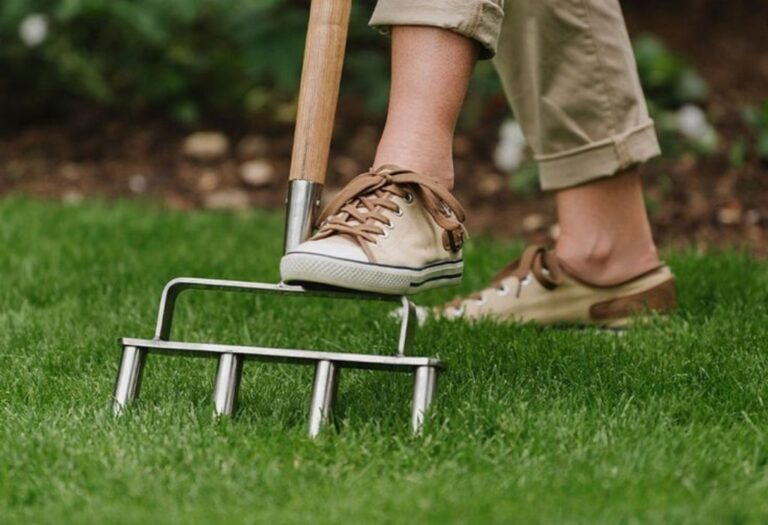
- Manual Aerators: These are typically push-type or step-on tools that are great for smaller lawns or areas with light compaction. Manual core aerators have hollow tines that pull out soil plugs. Manual spike aerators are also available, often with spiked shoes or rollers. While these tools require more effort, they are an economical option for small-scale projects.
-
- Tow-Behind Aerators: For larger lawns, tow-behind aerators that attach to a lawn tractor or ATV are very helpful. These aerators have a series of tines or spikes that penetrate the soil as the tractor moves. Tow-behind models cover a much larger area quickly, making them efficient for larger properties. These models can vary in weight and design, so check that they match your equipment.
- Self-Propelled Aerators: Self-propelled aerators are motorized and ideal for medium to large lawns. They are easy to maneuver and require less physical effort than manual aerators. These models offer the benefits of a core aerator with the convenience of a powered machine. Some have adjustable tine depths and features.
When to Aerate Your Lawn: Timing and Frequency
The best time to aerate your lawn depends on your grass type and your climate. For cool-season grasses (like Kentucky bluegrass, fescue, and ryegrass), the best time to aerate is in the early fall or spring. This gives the grass ample time to recover and fill in the holes before the heat of summer or the cold of winter. Warm-season grasses (like bermudagrass, zoysiagrass, and St. Augustinegrass) should be aerated in late spring or early summer, when they are actively growing. In general, lawns with heavy foot traffic or clay soil might benefit from aeration once a year, while others may only need it every few years. Proper timing is important to get the best results.
-
- Cool-Season Grasses: For cool-season grasses, early fall is the prime time for aeration. The soil is warm enough to promote root growth, and the grass will have a chance to recover before the winter. Spring aeration is also an option, but the grass might not have the same amount of time to recover before the summer heat.
-
- Warm-Season Grasses: The best time to aerate warm-season grasses is in late spring or early summer, when they are actively growing and can quickly fill in the aerated holes. This timing also allows the grass to benefit from the aeration during the growing season. Avoiding aeration during periods of extreme heat can help prevent stress on the grass.
- Frequency of Aeration: The frequency of aeration depends on your lawn’s condition and soil type. Lawns with heavy foot traffic or clay soil usually require annual aeration, while lawns with sandy soil might need aeration every few years. If you notice signs of compaction, such as standing water, thinning grass, or a spongy feel under your feet, it’s time to aerate.
Step-by-Step Guide to Aerating Your Lawn
Aerating your lawn may seem complex, but by following a few simple steps, you can achieve great results. Before you start, water your lawn to soften the soil. This makes it easier for the aerator to penetrate the ground. Using the appropriate tool for your lawn, whether it’s a manual core aerator for a small area or a tow-behind model for larger lawns, can make the process easier. Once you’re ready, simply go over your lawn in straight, overlapping rows. After aeration, you can enhance the benefits by adding fertilizer or grass seed to the holes. This guide breaks down the process to make it easy to follow.
Preparing Your Lawn for Aeration
Preparing your lawn properly before aeration makes the job easier and improves the results. First, thoroughly water your lawn a day or two before you plan to aerate. The soil should be moist, but not soaking wet. Moist soil allows the aerator tines to penetrate more easily. Next, clear the area of any obstructions, like stones, sticks, and toys, as these can damage the aerator. If you have an irrigation system, mark the sprinkler heads and any underground lines to avoid hitting them during aeration. Proper preparation helps make the process smoother and safer.
-
- Mowing the Lawn: Before aerating, mow your lawn to a standard height. This makes it easier for the aerator to penetrate the soil and reach the root zone. Shorter grass also allows the aerator to work efficiently without getting caught up in long blades of grass.
-
- Watering the Lawn: The day before aerating, water your lawn deeply. The soil needs to be moist, but not waterlogged. This makes it easier for the aerator to penetrate the ground and pull out soil plugs. If the soil is too dry, the aerator tines might struggle to penetrate.
- Checking for Obstacles: Walk your lawn and clear away any obstacles. This includes rocks, sticks, toys, and any other items that could damage the aerator or pose a hazard. Also, consider any underground utilities and mark them to avoid any damage during the process.
The Aeration Process: Step-by-Step
The actual aeration process involves simple steps. Choose your aerator and go over your lawn systematically. The goal is to create holes throughout the yard. Overlap each pass slightly to ensure full coverage. If you’re using a core aerator, the goal is to leave the soil plugs on the surface of the lawn. After aeration, these plugs will break down and provide valuable nutrients to the soil. You should see a noticeable difference in soil health and grass appearance within a few weeks. Taking a few extra steps can significantly improve your results.
-
- Pass 1: Start by making the first pass over your lawn. Follow straight lines, just like you would when mowing. Make sure the aerator is set to the correct depth. Aim for a depth of 2-3 inches, depending on your soil and grass type.
-
- Overlapping: For complete coverage, make sure each pass overlaps the previous one by a few inches. This ensures that you aerate the entire lawn, including any areas with heavy foot traffic or compaction. Avoid skipping spots, and keep the rows straight.
- Cleanup: After aerating, leave the soil plugs on the lawn surface. Over time, these plugs will break down and provide nutrients for the soil. If you prefer a cleaner look, you can break up the plugs using a lawn rake or by mowing over them.
Post-Aeration Care and Maintenance
Taking care of your lawn after aeration is important to maximize the benefits. Aeration creates openings in the soil, which are ideal for adding grass seed and fertilizer. The aeration holes provide pathways for these products to reach the roots of your grass. After aeration, you should water your lawn to help settle the soil and activate the fertilizer. By following these steps, you can encourage rapid growth and maximize the results of aeration. Regular maintenance ensures your lawn remains healthy and vibrant.
-
- Seeding: Aeration provides an excellent opportunity to overseed your lawn. The holes created by the aerator provide a place for grass seeds to settle, improving seed-to-soil contact and encouraging germination. Spread grass seed over the aerated lawn and lightly rake it into the holes.
-
- Fertilizing: Applying fertilizer after aeration can boost your lawn’s health. The aeration holes help the fertilizer reach the roots, leading to better nutrient absorption and stronger growth. Choose a fertilizer that matches your grass type and apply it according to the product directions.
- Watering: After seeding and fertilizing, water your lawn thoroughly to activate the fertilizer and help the grass seeds germinate. Keep the soil consistently moist (but not waterlogged) for the next few weeks to support root development and growth. Adjust watering based on weather conditions.
Common Mistakes to Avoid While Aerating Your Lawn
While lawn aeration is a simple process, it’s easy to make mistakes that can reduce the effectiveness of your efforts. One common mistake is aerating the lawn when the soil is too dry. This makes it hard for the aerator tines to penetrate the ground, leading to poor results. Another error is aerating at the wrong time of year. Knowing your grass type and your climate is important. By being aware of these common pitfalls, you can get the best results.
Aerating When the Soil is Too Dry
Aerating when the soil is too dry is a very common mistake. Dry soil is difficult for the aerator to penetrate, resulting in shallow holes and incomplete aeration. This reduces the benefits of the process. Always water your lawn a day or two before aerating to ensure the soil is moist but not saturated. This makes it easier for the aerator to penetrate the soil and pull out soil plugs. Check the soil moisture by inserting a screwdriver. It should go in easily.
-
- Difficulty Penetrating Soil: When the soil is dry, the aerator tines struggle to penetrate the ground. This means the holes are shallow or incomplete, reducing the effectiveness of the aeration process. The aerator can also get stuck or bounce across the surface of the lawn.
-
- Reduced Benefits: Aerating dry soil doesn’t provide the same benefits as aerating moist soil. The lack of proper aeration means that water, air, and nutrients will struggle to reach the roots of the grass. This leads to poor grass growth.
- Prevention: To prevent this, water your lawn thoroughly a day or two before aerating. The soil should be damp, but not soaking wet. Check the soil moisture by inserting a screwdriver. If it’s difficult to insert the screwdriver, the soil is too dry.
Aerating at the Wrong Time of Year
Aerating at the wrong time of year can stress your grass, leading to poor growth and increased vulnerability to disease. The best time to aerate depends on your grass type. Aerating at the wrong time means the grass may not have the best conditions for recovery and growth. For cool-season grasses, it’s best to aerate in early fall or spring. Warm-season grasses should be aerated in late spring or early summer. This timing allows the grass to recover quickly and take advantage of the aeration benefits.
-
- Grass Type and Climate: The best time to aerate is linked to the active growing season of your grass. Aerating outside the optimal window can harm the grass. For example, aerating cool-season grasses during the hottest part of summer can stress them.
-
- Recovery Time: Aerating at the right time provides ample recovery time. Grass can grow and fill in the holes before the onset of extreme weather, such as the heat of summer or the cold of winter. This promotes healthy root development and overall lawn health.
- Seasonal Considerations: Consider weather patterns. Avoid aerating right before a heatwave or a cold snap. Ensure the grass has enough time to recover before extreme conditions. This will help maintain the health and beauty of your lawn.
Ignoring Proper Tool Maintenance
Ignoring maintenance of your aerator can impact its efficiency and lifespan. Regular maintenance involves cleaning the aerator after each use, sharpening or replacing the tines, and storing the equipment properly. A well-maintained aerator will create better holes, work more efficiently, and last longer. Failing to maintain your aerator can also make the job harder and could cause damage to your lawn. Proper maintenance is a small price to pay for optimal performance.
-
- Cleaning After Use: After each use, clean the aerator. Remove any dirt, grass, or debris that has accumulated on the tines or other parts of the machine. Use a garden hose and a stiff brush to get rid of the buildup. This will stop the equipment from malfunctioning.
-
- Tine Sharpening or Replacement: Over time, the tines of the aerator can become dull or damaged. Dull tines make it harder for the aerator to penetrate the soil. Sharpen or replace the tines as needed. Following manufacturer instructions, you can maintain the performance of your aerator.
- Proper Storage: Store the aerator in a dry location out of the elements. Protect the equipment from rust and corrosion. If it’s a gas-powered aerator, drain the fuel to prevent it from clogging the fuel system. Proper storage ensures your aerator remains functional.
Frequently Asked Questions
Question: How often should I aerate my lawn?
Answer: It depends on your soil and lawn use. Lawns with clay soil or heavy foot traffic may benefit from yearly aeration. Lawns with sandy soil may need aeration every few years.
Question: Can I aerate my lawn in the summer?
Answer: It’s generally better to aerate cool-season grasses in the spring or fall. Warm-season grasses can be aerated in late spring or early summer.
Question: Should I water before or after aeration?
Answer: Water your lawn before aeration to soften the soil. This makes it easier for the aerator to penetrate. You can also water after aeration.
Question: What’s the difference between core and spike aeration?
Answer: Core aerators remove soil plugs, while spike aerators simply poke holes. Core aeration is better for breaking up compacted soil.
Question: How do I know if my lawn needs aeration?
Answer: Look for signs of compaction like standing water, thinning grass, or a spongy feel under your feet. These could mean it’s time to aerate.
Final Thoughts
Lawn aeration tips are essential to a beautiful, thriving lawn. By understanding the basics and following the steps in this guide, you can improve the health of your grass. Remember, aeration helps the soil breathe, allowing air, water, and nutrients to reach the roots. From choosing the correct tools to preparing your lawn and caring for it after aeration, each step is designed to help you create a healthier, greener yard. The goal is to provide your lawn with everything it needs to grow strong and healthy. To achieve this, select the right tools for your lawn’s needs. Remember to aerate at the right time, and don’t forget the importance of post-aeration care like seeding and fertilizing. Put these tips into practice, and enjoy a vibrant, lush lawn. You’ve got this!