Plug Aeration Benefits: Grow a Healthier, Greener Lawn
Getting your lawn in top shape can feel tough, especially when you hear about things like plug aeration benefits. It can seem a bit overwhelming at first, like a secret language only lawn care pros know. But don’t worry! This process is easier than you think, and the results are totally worth it. We’re going to break down everything about this process in a simple, step-by-step way, so you’ll be an expert in no time. Ready to learn how to help your lawn thrive?
What is Plug Aeration and Why Does It Matter?
Plug aeration, also known as core aeration, is a lawn care task that involves removing small cores or plugs of soil and thatch from your lawn. It’s like giving your lawn a deep breath. These plugs are usually about half an inch to an inch in diameter and several inches long. The goal is to improve the overall health of your lawn, addressing common issues like soil compaction and thatch buildup. Soil compaction prevents roots from getting the water, nutrients, and oxygen they need. Excess thatch also stops these essentials from reaching the soil. Aeration combats these problems, promoting healthier growth.
The Science Behind Soil Compaction
Soil compaction is when soil particles are pressed together, reducing the spaces between them. Think of it like squeezing a sponge. The more compacted the soil, the less air, water, and nutrients can reach the roots of your grass. This can happen due to foot traffic, heavy equipment, or even the type of soil you have. Clay soils, for example, tend to compact more easily than sandy soils. Compacted soil leads to weak grass, bare patches, and an overall unhealthy lawn. This is where aeration steps in to resolve the problem. The goal is to provide the best environment possible for your turf to flourish.
To really get the full effect of the problem, consider the following. Compacted soil impacts the following:
- Water Drainage: When soil is compacted, water struggles to drain properly. This leads to waterlogging, which can suffocate roots and promote diseases.
- Nutrient Absorption: Roots need air to absorb nutrients. Compaction limits this crucial exchange and your lawn suffers.
- Root Development: Roots can’t spread out through compacted soil. This makes the lawn less resilient to drought and stress.
You can test your lawn’s compaction by trying to push a screwdriver into the ground. If it goes in easily, your soil is probably okay. If it’s hard to push the screwdriver in, aeration can help. This provides an opportunity to provide a superior growing environment. It also allows fertilizer and other necessary components to reach the roots.
Thatch Buildup and Its Effects
Thatch is a layer of dead and living organic matter that builds up between the soil surface and the green blades of grass. A little thatch is normal, but too much can be a serious problem. Excessive thatch can block water and nutrients from reaching the soil, harbor pests and diseases, and create an uneven surface. It’s mostly made up of dead grass stems, roots, and runners. This mat can restrict the movement of air, water, and nutrients into the soil, which harms the health of the grass. Regular lawn care, like mowing and aeration, is key to managing thatch.
The following are ways excess thatch impacts your lawn:
- Reduced Water Absorption: Thatch acts like a sponge, soaking up water and preventing it from reaching the soil.
- Disease Problems: Thatch provides a great environment for pests and lawn diseases.
- Poor Air Circulation: Thick thatch smothers the soil and restricts airflow, which is critical for healthy roots.
- Uneven Surface: Too much thatch creates an uneven surface that’s hard to mow and play on.
The right aeration helps your lawn breathe better. This promotes healthier roots, improved water and nutrient uptake, and a more vibrant green color. With proper care, you can maintain a beautiful and strong lawn.
Unlocking the Plug Aeration Benefits for Your Lawn
The benefits of plug aeration are many. You can look forward to a lawn that’s healthier, more vibrant, and better able to withstand stress from drought, foot traffic, and other challenges. Aeration helps improve the overall condition of the soil and promotes stronger root growth. The process also improves water and nutrient absorption, which is key to a beautiful yard. It’s a key investment in your lawn’s future, as the benefits go far beyond aesthetic appeal. By making aeration a regular part of your lawn care routine, you can enjoy a greener, lusher lawn.
Improving Air Circulation and Water Uptake
One of the biggest plug aeration benefits is improved air circulation. By removing those soil plugs, you create pathways for air to reach the roots of your grass. This is crucial because roots need oxygen to survive. It also helps water penetrate the soil more easily, so the roots can get the hydration they need. Improved air circulation and water uptake mean your grass will be healthier and better equipped to survive during periods of drought or heavy foot traffic. The result is a more resilient and vibrant lawn that can weather changing conditions.
You may also experience these impacts:
- Enhanced Root Development: Aeration creates space in the soil, allowing roots to grow deeper and stronger. This makes your lawn more resistant to drought.
- Better Nutrient Absorption: Aeration opens up the soil so fertilizer can reach the roots, improving its efficiency.
- Reduced Thatch Buildup: Aeration can help break down thatch, preventing the negative effects it has on your lawn.
Enhanced Nutrient Absorption and Root Growth
Aeration boosts nutrient absorption. When the soil is aerated, the roots can access fertilizer and other nutrients. This directly boosts their access to these nutrients. This is due to the soil’s structure changing and also allows for better distribution throughout the root system. This in turn leads to a healthier lawn. Roots grow deeper and stronger. The improved root system is able to reach water and nutrients and increases the lawn’s resistance to stress. By aerating, you’re giving your lawn the best chance to thrive.
Here are some other benefits:
- Stronger Grass: Aeration makes your grass more resistant to disease.
- A Greener Lawn: Better water and nutrient absorption leads to a richer color.
- Less Weeds: A healthy, dense lawn is better at crowding out weeds.
How Often to Aerate for Maximum Gains
The frequency of aeration depends on several things, including your soil type and how much traffic your lawn receives. Lawns with heavy clay soils or lots of foot traffic benefit from aeration once or twice a year, usually in the spring or fall. Sandy soils might need aeration less often, maybe every other year. Pay close attention to how your lawn looks. If it seems compacted or if water pools on the surface after it rains, it’s probably time to aerate. Regular aeration helps keep your lawn healthy and thriving, year after year.
Consider these points about the frequency of aeration:
- Soil Type: Clay soils compact faster and need more frequent aeration than sandy soils.
- Foot Traffic: Lawns with heavy foot traffic require more aeration.
- Seasonality: Fall is often a great time to aerate because the grass is actively growing.
Getting Started with Plug Aeration: A Step-by-Step Guide
Aerating your lawn may sound tricky, but the process is surprisingly simple. With the right tools and a little know-how, you can do it yourself and enjoy a healthier lawn. Whether you have a small yard or a large one, the steps are pretty similar. We’ll explore the tools you’ll need, the best time to aerate, and how to do it efficiently. This guide will walk you through each step, making the job easy, so you can enjoy the many benefits aeration offers. You’ll be able to create a thriving and beautiful lawn with this simple process.
Choosing the Right Aeration Equipment
There are two main types of aeration equipment: core aerators and spike aerators. Core aerators, as mentioned, remove soil plugs. This is usually the best choice because it tackles compaction and thatch problems. Spike aerators simply punch holes in the ground. They are less effective for compacted soil. The best choice depends on your lawn’s needs. Whether you choose a manual aerator or a machine, make sure to consider your lawn’s size and the level of compaction before purchasing or renting equipment. Your results will be better, whether you use a manual or powered core aerator.
You can choose from the following:
- Core Aerator (Plug Aerator): These remove small cores of soil, making them the most effective for breaking up compaction.
- Spike Aerator: These simply poke holes in the soil, which can help with aeration.
- Manual Aerator: These are great for small lawns and offer a good workout!
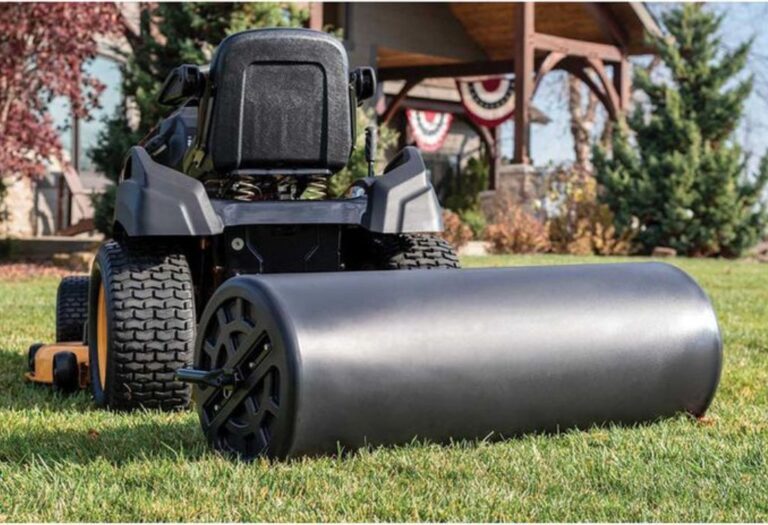
- Tow-Behind Aerator: These are attached to a riding mower for larger areas.
Timing is Everything: When to Aerate
The best time to aerate your lawn depends on your grass type and where you live. Generally, spring and fall are great times to aerate, when the grass is actively growing. Aerating in the spring helps prepare your lawn for the summer heat and gives the roots a boost. Aerating in the fall helps the grass recover from summer stress and prepares it for winter. Avoid aerating during the hottest part of summer or when the ground is frozen. Proper timing helps your lawn heal and thrive. A little planning goes a long way!
Consider these points when timing your aeration:
- Warm-Season Grass: Aerate in late spring or early summer.
- Cool-Season Grass: Aerate in early spring or early fall.
- Avoid extremes: Don’t aerate during drought or extreme heat.
The Aeration Process: Step-by-Step Instructions
Now, let’s get into the step-by-step process of aeration. First, you need to prepare your lawn. Mow your lawn to a shorter height. This makes it easier for the aerator to penetrate the soil. Then, water the lawn a day or two before you aerate. Moist soil allows the aerator to create better plugs. Next, start aerating, making multiple passes over the lawn to ensure thorough coverage. Once you’re done, leave the soil plugs on the lawn. They will break down and return nutrients to the soil. After aeration, fertilize and water your lawn as needed.
- Prepare the lawn: Mow the grass short and water the lawn thoroughly a day or two before aerating.
- Run the aerator: Make several passes over the lawn, overlapping each pass to ensure thorough coverage.
- Leave the plugs: Let the soil plugs break down naturally.
- Fertilize and water: Apply fertilizer and water the lawn after aeration.
Post-Aeration Care: Maximizing the Benefits

After aerating your lawn, there are a few things you can do to get the most out of the process. One of the most important steps is to fertilize and overseed. This helps the grass recover and fill in any bare patches. Water your lawn deeply and regularly. This encourages the roots to grow deep and strong. Also, avoid excessive foot traffic immediately after aeration, to allow the soil to settle. Proper post-aeration care sets the stage for a healthier, more vibrant lawn.
Fertilizing, Overseeding, and Watering
Fertilizing and overseeding your lawn after aeration gives it a major boost. Aeration creates ideal conditions for fertilizer and grass seed to reach the roots. This leads to better growth and a thicker, greener lawn. Choose a fertilizer that matches your grass type and apply it according to the instructions. Overseeding helps fill in any bare spots and makes your lawn look fuller. Water the lawn deeply and regularly to keep the soil moist and encourage strong root growth. Consistent aftercare is key to reaping the benefits of aeration.
Here is what you should consider:
- Choose the Right Fertilizer: Select a fertilizer that complements your grass type.
- Overseed Thin Areas: This helps fill in bare spots and creates a thicker lawn.
- Water Deeply: Consistent watering encourages strong root development.
- Follow Instructions: Always follow fertilizer and seed instructions.
Managing Foot Traffic and Mowing After Aeration
After aerating, it’s wise to limit foot traffic on your lawn. The soil is now more susceptible to compaction. Stepping on it too soon after aeration can undo some of the work you’ve just done. Try to stay off the lawn for a few days, especially if you have heavy foot traffic. When you mow your lawn after aeration, don’t cut the grass too short. Aim for a height that’s appropriate for your grass type. This helps the grass recover faster and promotes healthy growth. A little patience and planning will make a big difference in the long run.
Frequently Asked Questions
Question: When is the best time to aerate my lawn?
Answer: The best time to aerate depends on your grass type, but generally, spring or fall are great times. These seasons provide the best conditions for the grass to recover and thrive.
Question: How often should I aerate my lawn?
Answer: This depends on your soil type and foot traffic. Lawns with clay soil or heavy use may need aeration once or twice a year. Sandy soils might need aeration every other year.
Question: What’s the difference between a core aerator and a spike aerator?
Answer: Core aerators remove plugs of soil, which is best for dealing with compaction and thatch. Spike aerators simply poke holes, which can help but are less effective on compacted soil.
Question: Do I need to water my lawn before aerating?
Answer: Yes, watering your lawn a day or two before aerating helps the aerator penetrate the soil more easily. This allows for better results.
Question: What should I do after aerating my lawn?
Answer: Fertilize, overseed, and water your lawn. Limit foot traffic, allowing the grass to recover and thrive. This helps maximize the benefits of aeration.
Final Thoughts
Incorporating plug aeration benefits into your lawn care routine can significantly improve the health and appearance of your yard. By removing small cores of soil, you’re improving airflow, water absorption, and nutrient uptake, which are all vital for a healthy, thriving lawn. Taking the time to do this job is one of the best investments you can make for your yard. Remember, the key is to choose the right equipment, time your aeration correctly, and provide proper care after the process. With a little effort, you’ll be on your way to a greener, more vibrant lawn that you’ll be proud of. Get ready to enjoy a more beautiful outdoor space!