Fixing Plug Aerators Simply: A Step-by-Step Guide
Figuring out how to fix plug aerator can seem tricky at first. Many people find these devices a bit puzzling when they stop working correctly. Don’t worry, you’re not alone, and it’s often easier than you think. This guide will take you through the process, making it super easy to understand. We’ll break down the steps, making sure you can get your aerator back up and running. Let’s explore how!
Understanding Plug Aerators and Their Function
Plug aerators, sometimes called lawn aerators, are essential tools for a healthy lawn. They work by creating small holes in the soil, which helps to improve the overall health of the lawn. These small holes are created by removing small “plugs” of soil. This allows air, water, and nutrients to reach the roots of the grass more efficiently. Compacted soil is a common problem, especially in areas with heavy foot traffic or clay-rich soil. Plug aerators are specifically designed to address this issue. Regular aeration promotes strong root growth, improves water absorption, and reduces thatch buildup, leading to a lush, green lawn. Knowing their basic function is the first step in learning how to fix plug aerator issues.
What Makes Plug Aerators Important?
Plug aerators are a crucial part of lawn care. They’re not just handy; they’re vital for a healthy lawn. They address soil compaction, a common problem that prevents grass roots from getting the air, water, and nutrients they need. When soil is compacted, it becomes dense, making it difficult for these essential elements to penetrate. Plug aerators help by removing small cores of soil, creating space for these vital resources to reach the grass roots. They also break up thatch, a layer of dead organic matter that can suffocate your lawn. By using a plug aerator, you improve the overall health of your lawn and ensure it stays lush and green.
- Addressing Soil Compaction: Compaction prevents air, water, and nutrients from reaching the roots, hindering growth.
- Improving Water Absorption: Aeration creates pathways for water to seep into the soil, reducing runoff and promoting efficient use.
- Boosting Root Growth: Allowing the roots to grow deeper and stronger, making the lawn more resilient.
- Reducing Thatch Buildup: Aeration helps break down thatch, preventing it from suffocating the grass.
- Enhancing Nutrient Uptake: By aerating, you help your lawn absorb the fertilizer you apply.
Types of Plug Aerators
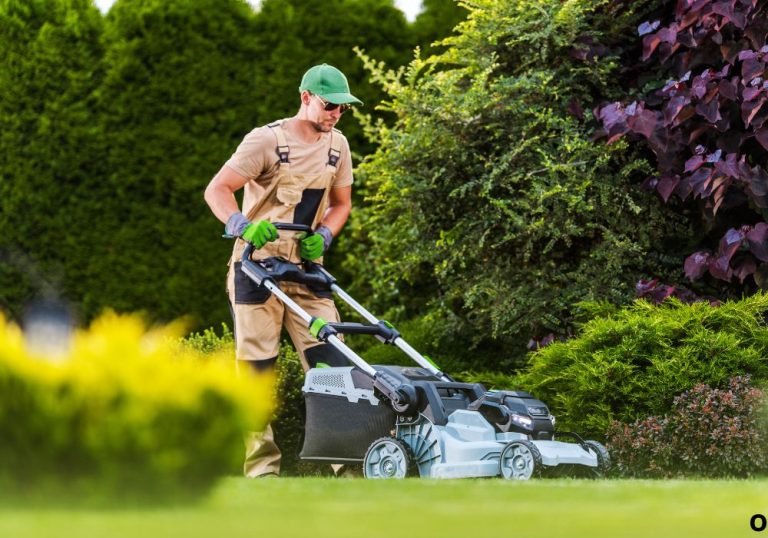
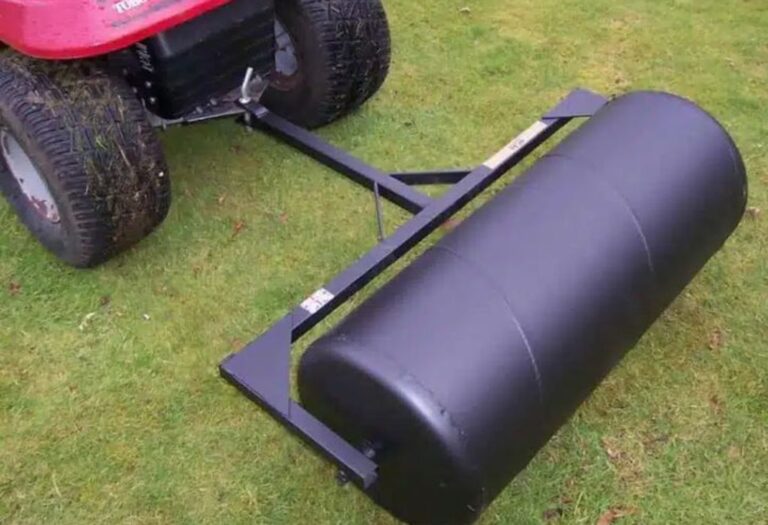
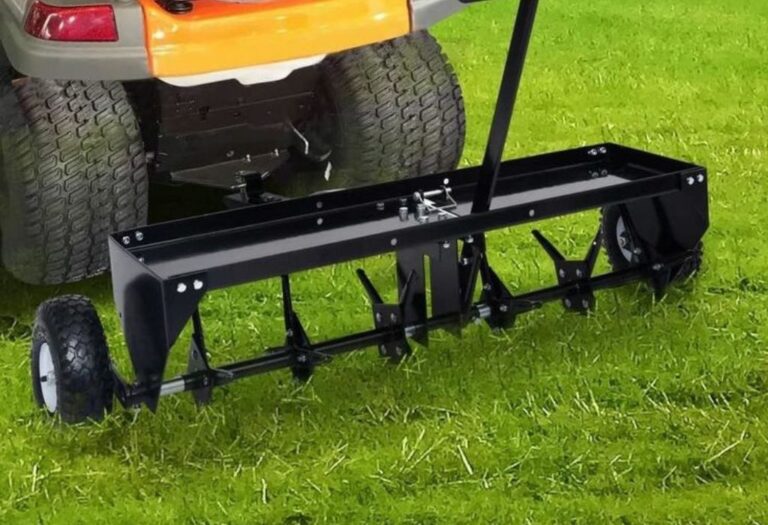
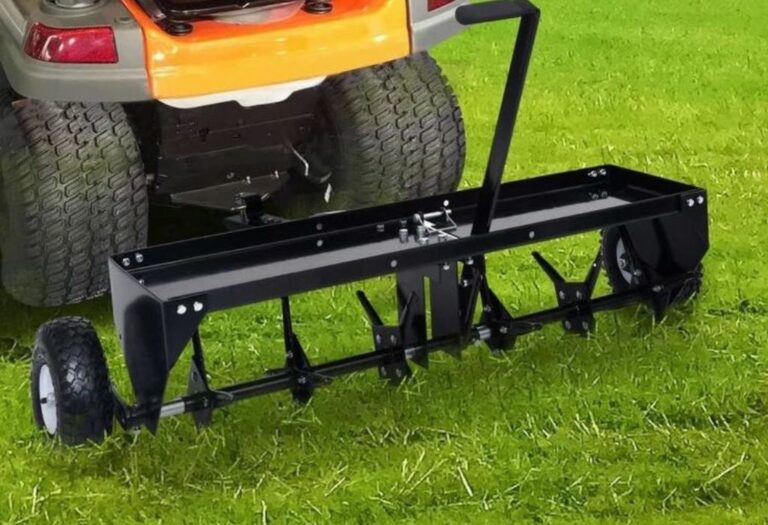
When it comes to plug aerators, you’ll find different types, each with its own benefits. Knowing these can help when you are working on how to fix plug aerator issues. The first type is the manual aerator. These are simple tools that you push into the ground by foot, making them ideal for small lawns. Then, there are tow-behind aerators, which you attach to a lawn tractor or ATV. These are suited for larger areas because they cover a lot of ground quickly. Finally, there are the self-propelled aerators, which are like lawnmowers. They offer the power and ease of use for medium to large lawns. Understanding the type of aerator you own is a significant part of maintenance and troubleshooting.
- Manual Aerators: Perfect for small lawns, easy to use, and require no extra equipment.
- Tow-Behind Aerators: Great for large lawns, these are fast, but they need a tractor or ATV.
- Self-Propelled Aerators: Designed for medium to large lawns, they’re easier to maneuver than tow-behind models.
Common Problems and How to Fix Plug Aerator Issues
Even though plug aerators are designed to be quite robust, they can still run into issues. These problems can range from simple clogs to more complex mechanical failures. Identifying the root cause is the first step in how to fix plug aerator problems. Common issues include the tines getting clogged with soil and debris, the aerator not penetrating the soil correctly, or the engine failing to start (in the case of powered aerators). Knowing these common issues can help in resolving problems quickly. Regular maintenance and proper use can often prevent these problems, ensuring your aerator lasts for many years.
Dealing with Clogged Tines
One of the most frequent problems you might face with a plug aerator is clogged tines. This is particularly common if the soil is wet or clay-rich. Clogged tines significantly reduce the aerator’s effectiveness, as they can’t create the necessary holes in the ground. The first step in how to fix plug aerator issues, like this, is to remove the blockage. This involves stopping the machine (or lifting the manual aerator) and carefully clearing the soil and debris from each tine. Using a sturdy stick, a screwdriver, or a specialized tine cleaner can make this process easier. Regular cleaning helps prevent this issue, ensuring your aerator works efficiently.
- Turn Off/Lift the Aerator: Always turn off the machine or lift the manual aerator before inspecting the tines.
- Use a Cleaning Tool: Use a stick, screwdriver, or tine cleaner to remove soil and debris.
- Work Carefully: Be cautious to avoid bending or damaging the tines.
- Rinse If Needed: A garden hose can help remove stubborn soil from the tines after clearing.
- Preventative Measures: Aerate when the soil is slightly moist but not overly wet.
When the Aerator Won’t Penetrate the Soil
Sometimes, your plug aerator may not penetrate the soil properly, which is a common complaint. This could be due to several factors. For powered aerators, the weight of the machine and the sharpness of the tines are key. For manual aerators, it relies on the user’s weight and force. If the tines are dull, they won’t penetrate the soil easily. Additionally, very dry, compacted soil can be challenging. To resolve this, ensure the tines are sharp, consider watering the lawn before aerating, and ensure you’re applying enough weight. Also, check the tines for any obstructions that might be preventing them from entering the ground effectively. Knowing how to troubleshoot this problem will help you when you are figuring out how to fix plug aerator issues.
- Check Tine Sharpness: Sharpen or replace dull tines.
- Water the Lawn: Moisten the soil before aerating to soften it.
- Increase Weight (for powered aerators): Make sure the aerator has adequate weight.
- Apply Force (for manual aerators): Step firmly on the aerator to drive the tines into the soil.
- Inspect for Obstructions: Ensure there are no rocks or debris blocking the tines.
Engine or Motor Problems

For gas-powered or electric aerators, engine or motor problems are likely to occur. These are usually more complex than other issues and might require some specific troubleshooting steps. With gas-powered aerators, the engine might not start, run roughly, or stall. For electric models, the motor might not turn on, or it could run intermittently. Checking the fuel level, spark plugs (for gas), and power source (for electric) is the best starting point. Knowing the type of problem is critical in how to fix plug aerator issues. If you are not comfortable with more complex repairs, it’s often a good idea to consult a professional for engine or motor troubles.
Troubleshooting Engine Issues
When you have a gas-powered aerator that’s not starting, there are a few things to check. First, make sure you have fuel and the fuel shut-off valve is open. Check the spark plug, ensuring it’s clean and in good condition; replace it if needed. Check the air filter for any dirt or blockages, and clean or replace it. Also, check the oil level to ensure it is adequate. If the engine starts but runs roughly, it could be due to a clogged carburetor or dirty fuel. Following these steps can help you diagnose and possibly solve engine troubles, helping when you are trying to figure out how to fix plug aerator problems.
- Fuel Supply: Ensure the fuel tank has fuel and the shut-off valve is open.
- Spark Plug: Check and replace the spark plug if it’s dirty or damaged.
- Air Filter: Clean or replace a clogged air filter to ensure proper airflow.
- Oil Level: Make sure the engine oil level is correct.
- Carburetor: Check for clogs in the carburetor. Consider a carburetor cleaner.
Diagnosing Motor Problems
For electric aerators, motor issues often involve electrical problems. If the motor doesn’t start, first check the power source and the cord for any damage. Check the circuit breaker to ensure it’s not tripped. If the power supply is not the issue, inspect the motor itself for any signs of damage. Sometimes, a motor may need to be
- Power Source: Check the power outlet and the extension cord for functionality.
- Circuit Breaker: Make sure the circuit breaker hasn’t tripped.
- Motor Inspection: Look for any visible damage or signs of overheating.
- Internal Components: Review the wiring and other parts inside the aerator.
- Professional Help: Get a professional when dealing with electrical problems.
Maintenance and Prevention
Regular maintenance is crucial for keeping your plug aerator in top condition and preventing future problems. This involves routine checks, cleaning, and occasional adjustments. By following a consistent maintenance schedule, you can extend the life of your aerator and keep your lawn healthy. Maintenance also contributes to avoiding the need to figure out how to fix plug aerator issues, saving time and effort. Simple steps like cleaning the tines after each use, sharpening them regularly, and storing the aerator correctly can make a big difference.
Regular Cleaning and Inspection
After each use, clean your plug aerator thoroughly. This includes removing any soil and debris from the tines, the housing, and the engine or motor. Inspecting the aerator regularly is another key aspect. Check for loose bolts, damaged parts, and wear and tear. Make sure the tines are still sharp and in good condition. Keeping the aerator clean helps it function at its best, while regular inspections help to identify and address problems early. Regular cleaning and inspection are essential for how to fix plug aerator problems.
- Clean After Each Use: Remove soil and debris from the tines and housing.
- Inspect Tines: Check for sharpness and damage.
- Check Bolts and Fasteners: Ensure everything is tight and secure.
- Inspect the Engine or Motor: Look for any signs of wear or damage.
- Review the Manual: Follow the manufacturer’s recommended maintenance schedule.
Proper Storage and Tine Care
Proper storage is essential for extending the life of your plug aerator. After cleaning and inspecting the aerator, store it in a dry, covered area, away from the elements. This protects it from rust and corrosion. For tines, make sure they remain sharp. Sharpening them regularly, or replacing them when they are worn, will ensure the aerator performs efficiently. Protect the tines from damage during storage. Making these steps a habit will significantly reduce the chance of needing to find out how to fix plug aerator issues later on.
- Clean Before Storage: Remove all dirt and debris before storing the aerator.
- Store Indoors: Keep the aerator in a dry, covered space.
- Sharpen Tines: Sharpen or replace the tines regularly for optimal performance.
- Protect the Tines: Avoid storing the aerator where the tines can be damaged.
- Follow Manufacturer’s Instructions: Always adhere to storage guidelines.
Cost of Common Repairs
Understanding the potential costs involved in repairing your plug aerator is important. The cost of repairs can vary greatly, depending on the nature of the problem and the type of aerator. Simple fixes, such as cleaning clogged tines or replacing a spark plug, are usually inexpensive and can be done yourself. More complex repairs, such as engine or motor problems, will likely require professional help and can be more costly. Knowing some potential costs can help when you are figuring out how to fix plug aerator issues.
| Repair Type | Estimated Cost | Details |
|---|---|---|
| Tine Replacement | $10 – $50 | Cost depends on the number and type of tines |
| Spark Plug Replacement | $5 – $15 | A straightforward and simple repair |
| Carburetor Cleaning | $20 – $75 | May need professional help |
| Engine Repair | $50 – $200+ | Can be expensive, depending on the problem |
| Motor Replacement (Electric) | $50 – $200+ | Professional help is usually needed |
Frequently Asked Questions
Question: How often should I aerate my lawn?
Answer: Aerate your lawn once or twice a year, typically in the spring and fall.
Question: What’s the best time to aerate?
Answer: The best time to aerate is in the spring or fall when the grass is actively growing.
Question: How deep should the aerator go?
Answer: Aim for a depth of 2-3 inches, depending on your soil and grass type.
Question: What can I do if the tines are stuck?
Answer: Carefully remove the aerator and use a stick or screwdriver to dislodge the stuck tines.
Question: Can I use a plug aerator on any type of grass?
Answer: Yes, plug aerators are suitable for most grass types, but adjust your schedule based on your specific needs.
Final Thoughts
Now that you’ve explored the process of how to fix plug aerator problems, you should feel more prepared to handle common issues and keep your lawn in great shape. This includes the importance of cleaning and storage. Remember, regular maintenance goes a long way. Checking and sharpening the tines and keeping your aerator in a dry place will ensure it lasts for years. By following these easy steps, you can tackle most problems on your own, saving both money and time. So, go ahead and inspect your aerator, address any issues, and get ready to enjoy a healthy, vibrant lawn!