String Trimmer Woes Uneven Cuts and How to Fix Them
Having your lawn look great is satisfying, but sometimes, a seemingly simple task like using a string trimmer cutting uneven can turn into a frustrating experience. It’s really common for beginners to struggle with this because it involves a bit of technique and knowing how the trimmer works. Don’t worry, everyone starts somewhere! This guide will break down the reasons behind uneven cuts and provide a straightforward, step-by-step solution to get your lawn looking sharp. Let’s explore how to achieve a perfectly trimmed yard.
Reasons for Uneven Trimming with Your String Trimmer
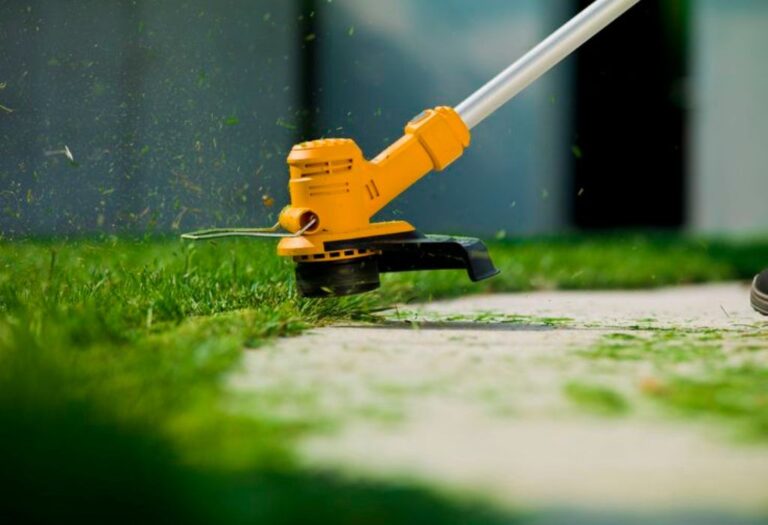
A string trimmer, also known as a weed whacker, is a useful tool for tidying up those hard-to-reach areas your lawnmower can’t get to, like around trees, fences, and along the edges of your lawn. However, achieving an even trim isn’t always as simple as it looks. Several factors can cause the string trimmer cutting uneven, leaving your yard with an unsightly appearance. Knowing these issues will help you fix them and prevent them from happening in the first place, ensuring a consistently neat finish.
Incorrect Trimmer Height and Angle
One of the most frequent reasons for uneven cutting is not maintaining the correct height and angle while you trim. When the trimmer head isn’t level or is held too high or too low, the cutting line will hit the grass at different lengths. You might end up with some spots cut short and others left long, creating an uneven look. Think of it like trying to shave with a dull razor. It takes more effort and doesn’t get a clean result. The right angle allows the string to effectively cut the grass, preventing unevenness and giving you a smooth, even finish.
- Holding the Trimmer Too High: This often leaves tall patches of grass uncut, especially on thicker lawns or near obstacles. The cutting line simply passes over the top.
- Holding the Trimmer Too Low: Results in scalping the grass, where you cut it much shorter than intended, sometimes even down to the soil.
- Incorrect Angle: Tilting the trimmer too much or not maintaining a consistent angle can create an uneven cut.
- Solution: Maintain a consistent angle, usually parallel to the ground, and adjust the trimmer’s height to match the desired grass length.
Uneven String Length and Condition
The condition and length of the trimmer string significantly affect how well it cuts. If your string is too short, it won’t be able to reach the grass effectively, and if it’s too long, it might wear down quickly or cause the trimmer to work harder. Old or worn string is another problem. Over time, the string can become brittle and lose its cutting ability. Therefore, regularly checking and maintaining the string’s length and condition is essential to achieve an even cut. Replacing the string when it’s worn or damaged is a simple step, but it makes a noticeable difference in the final result.
- Uneven String Length: Different lengths of string cause uneven cutting and an irregular finish.
- Worn or Damaged String: Can tear or break easily, leading to a poor cut and frequent interruptions.
- Type of String: Using the wrong string type for the grass can lead to quick wear and poor cutting.
- Solution: Ensure both strings are the same length. Replace worn string. Use the correct type of string for the grass.
Trimmer Head and Spool Issues

The trimmer head and spool play a critical role in the functionality of your string trimmer. Problems with these parts can affect the way the string feeds out and cuts the grass. A damaged or improperly functioning head might cause the string to be released unevenly or to get jammed, leading to an inconsistent cut. Similarly, a spool that doesn’t feed the string properly can also cause cutting issues. Regular inspection of the trimmer head and spool and taking steps to address any issues can significantly improve the performance and extend the life of your trimmer.
- Damaged Trimmer Head: Can prevent the string from extending properly, leading to uneven cuts.
- Spool Malfunctions: A jammed or malfunctioning spool prevents the string from feeding correctly.
- String Tangling: Can stop the string from rotating or cause an uneven cut.
- Solution: Inspect the trimmer head regularly. Make sure the spool is working. Clean the head and spool. Replace parts if needed.
How to Achieve a Level Trim Every Time
Now that you’re aware of the potential causes of an uneven cut, it’s time to learn how to achieve that perfect finish. This involves mastering the correct techniques and paying attention to specific details. Proper technique can transform your lawn maintenance from a frustrating chore into an enjoyable task. It is the key to achieving a neat and professional appearance for your yard. These methods help improve cutting quality.
Mastering Proper Trimming Techniques
Technique is as important as the equipment itself when you want to achieve an even trim. Getting the technique right will give you much better results. Good form involves the way you hold the trimmer, the path you follow, and the speed at which you move. Developing proper technique means more than just knowing how to operate your string trimmer; it involves making the most of your movements to ensure an even cut. Proper technique can save you time and energy, and it also prevents strain or injury.
- Hold the Trimmer Properly: Keep the trimmer head level with the ground, maintaining a consistent distance.
- Use a Sweeping Motion: Gently sweep the trimmer from side to side, overlapping each pass to prevent missed spots.
- Move at a Steady Pace: Don’t rush. Move at a speed where the string cuts the grass cleanly without bogging down the engine.
- Maintain a Consistent Angle: Make sure the trimmer head is always at the same angle to the ground.
Choosing the Right String Type and Size
Selecting the correct type and size of string is important for your trimmer’s effectiveness and longevity. The right string type can cut through tough weeds and thick grass effectively, while the right size will optimize cutting performance. Choosing the correct type ensures the string matches the tasks you’ll be doing. The right string also helps your trimmer last longer. Choosing wisely will give you the best results, keeping your yard in top condition.
- String Material: Nylon strings are versatile, while more durable options like co-polymer or metal-infused strings are suitable for tough weeds.
- String Thickness: Thicker strings are better for tougher jobs, while thinner ones work well for lighter tasks and edging.
- String Shape: Round strings are quiet. Twisted or multi-sided strings cut more aggressively.
- Match to Your Trimmer: Always use a string size and type that is recommended by the trimmer’s manufacturer.
Adjusting and Maintaining Your Trimmer
Regular maintenance is essential for ensuring your string trimmer operates efficiently and provides consistent results. The most frequent issues are easily solved by taking the time to inspect, clean, and adjust your trimmer. This will improve its performance. Proper maintenance saves you time and money by preventing major issues. The goal is to keep your trimmer in good condition to make your work easier.
- Check the String: Make sure the string is the right length and in good condition before each use.
- Clean the Trimmer Head: Remove any grass clippings or debris to keep the string feeding freely.
- Inspect the Spool: Ensure that the spool turns freely and is not tangled.
- Sharpen the Blade: For trimmers with blades, ensure they are sharp and not damaged.
Advanced Strategies for Lawn Perfection
Once you’ve mastered the basics, you can elevate your lawn care game by implementing advanced strategies. These techniques go beyond the fundamentals to achieve superior results. Using advanced strategies helps improve the health and beauty of your lawn. Applying these techniques will make your yard stand out.
Edging Techniques for a Professional Finish
Edging provides a polished appearance and clearly defines the border between your lawn and other areas. Edging involves using your string trimmer to create a crisp line along sidewalks, driveways, and flowerbeds. Taking the time to edge your lawn transforms its appearance, highlighting the neatness of your yard. Learning these techniques takes your lawn from looking good to looking fantastic.
- Upright Edging: Hold the trimmer vertically, with the cutting head facing down. Walk along the edge of your lawn, slowly and steadily trimming the grass.
- Angled Edging: Tilt the trimmer slightly towards the grass, allowing it to cut at an angle. This method can give the lawn edge a more defined look.
- Overlap Edging Passes: To ensure a clean line, overlap your edging passes slightly. This helps avoid gaps.
- Use a Guide: For perfectly straight lines, use a guide, such as a garden bed edging or a straight board, to maintain a consistent edge.
Dealing With Difficult Terrain and Obstacles
Working on uneven ground or around obstacles such as trees, fences, and flower beds requires special care. Handling tricky areas requires precision. In these situations, you need to use specific techniques to achieve an even trim without causing damage. Adapting your technique according to the environment and any obstacles is essential for ensuring your lawn looks its best. These approaches help you to preserve the beauty of your lawn, no matter its challenges.
- Uneven Terrain: Adjust your trimmer’s height and angle as needed.
- Around Trees and Shrubs: Use a light touch to avoid damaging the bark or roots.
- Near Fences and Walls: Use a consistent angle and avoid pressing the trimmer directly against the fence.
- Dealing with Slopes: Work your way up or down the slope. Keep the trimmer head level.
Seasonal Lawn Care Tips
The time of year influences how you should care for your lawn. These steps help maintain a healthy, attractive yard all year long. Different seasons call for different trimming strategies, such as how often you trim, the height of the cut, and which maintenance tasks are needed. Adapting your trimming approach to seasonal changes boosts the health and beauty of your lawn. By applying these seasonal lawn care tips, you ensure your yard thrives, looking its best in every season.
- Spring: Trim your grass to remove winter damage, and prepare it for growth.
- Summer: Mow your lawn more frequently. Avoid cutting the grass too short.
- Fall: Lower the cutting height. Clean up leaves and other debris.
- Winter: Keep the lawn clear of heavy snow. Avoid using the trimmer.
String Trimmer Safety
Using a string trimmer is generally safe, but there are important safety measures to keep in mind. Following safety practices is essential to protect yourself and others from injury. Neglecting safety can lead to severe harm, so every operator should be aware of and follow safety protocols. Knowing and following these safety guidelines will help you achieve a well-groomed yard and, above all, ensures a secure trimming experience.
Personal Protective Equipment (PPE)
Proper PPE helps protect you from hazards associated with trimming. This equipment is key to your safety. Wear it correctly and consistently. Using the right gear minimizes risks. This ensures you can trim your yard with peace of mind. Personal Protective Equipment (PPE) is essential.
- Eye Protection: Safety glasses or a face shield.
- Hearing Protection: Earplugs or earmuffs.
- Protective Clothing: Long pants and a long-sleeved shirt.
- Footwear: Sturdy closed-toe shoes or boots.
Operating Procedures
Besides wearing safety gear, there are specific procedures you should follow. Operating your trimmer correctly is vital for preventing accidents. Following the correct procedures protects you and anyone nearby. Knowing these operating procedures will help you use your trimmer safely. Remember, every time you use your trimmer, these steps make a difference.
- Clear the Area: Remove debris, stones, and other objects from the trimming area.
- Inspect Your Trimmer: Before use, check for any damage. Make sure the guards are in place and working.
- Proper Grip: Maintain a firm grip on the trimmer.
- Be Aware of Your Surroundings: Watch for people, pets, and obstacles.
Maintenance and Storage Safety
Maintaining and storing your trimmer properly is important for its longevity and your safety. Safe storage and maintenance prevent accidents. Regular maintenance helps your trimmer perform better and last longer. Follow these procedures to keep your trimmer in top condition. By doing this, you’re investing in your safety and the longevity of your equipment.
- Disconnect Power: Always unplug or remove the battery before performing maintenance.
- Cool Down Period: Allow the trimmer to cool down before handling or storing it.
- Proper Storage: Store the trimmer in a dry and secure place.
- Regular Maintenance: Keep your trimmer clean, lubricated, and in good working order.
Frequently Asked Questions
Question: Why is my string trimmer cutting uneven?
Answer: Uneven cutting often results from issues like holding the trimmer at the wrong height or angle, using worn string, or problems with the trimmer head or spool.
Question: How do I choose the correct string type for my trimmer?
Answer: Select the string based on the types of weeds and grass you’re cutting. Nylon is versatile, while thicker materials are for tougher jobs. Always follow the trimmer manufacturer’s recommendations.
Question: How can I edge my lawn for a professional look?
Answer: You can edge your lawn by holding the trimmer vertically or at an angle. Make sure your lines are straight and consistent.
Question: What safety gear should I wear when using a string trimmer?
Answer: Wear safety glasses or a face shield, hearing protection, long pants, a long-sleeved shirt, and sturdy shoes.
Question: How should I store my string trimmer?
Answer: Always disconnect the power source. Allow the trimmer to cool down. Store it in a dry, safe location.
Final Thoughts
Mastering the art of using a string trimmer effectively is achievable with the right knowledge and some practice. The secret to avoiding a string trimmer cutting uneven lies in understanding the common culprits, from incorrect angles to worn string. By focusing on technique, choosing the right equipment, and keeping your trimmer in good shape, you’re on the path to a perfectly manicured lawn. With consistency and the tips we covered, you can turn your lawn into a beautiful and well-maintained space. Don’t be discouraged if you don’t get it perfect at first; keep practicing, and you’ll soon be enjoying a yard that looks its absolute best.