How to Trim Around Fences with a String Trimmer: A Simple Guide
Figuring out how to trim around fences with string trimmer can be a little tricky when you’re just starting out. Many people find it hard to get a neat edge without accidentally hitting the fence or the trimmer line breaking. Don’t worry, it’s something everyone learns! This guide will make the process easier. We’ll break down everything step-by-step so you can get the perfect trim. Let’s get started and make your yard look its best.
Choosing the Right Tools for the Job
Before you even think about starting to trim, you need to make sure you have the right equipment. This doesn’t just mean a string trimmer; it also includes safety gear and some helpful accessories. Having the proper tools will make the job safer, faster, and give you a better-looking result. Don’t skimp on this first step, it sets the stage for success. It might also influence other yard work in the future.
Selecting the Proper String Trimmer
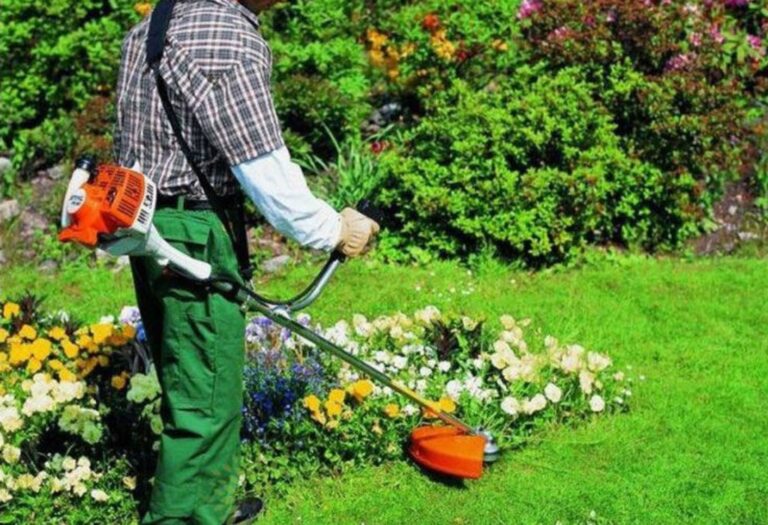
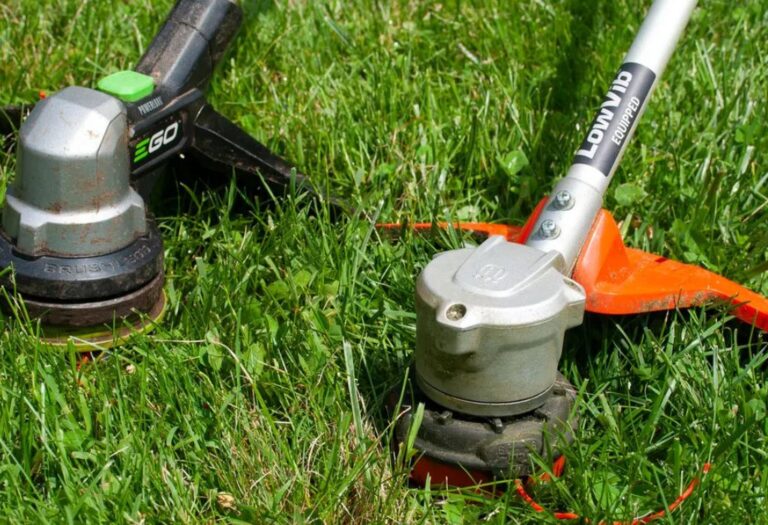
The type of string trimmer you choose makes a big difference. There are a few key things to think about. First, consider the power source. Electric trimmers are great for smaller yards and are easy to start, usually just a button push. Gas-powered trimmers are more powerful and suited for larger areas or tough weeds. Think about the size of your yard and the kinds of plants you have to trim. Consider the weight and balance of the trimmer – you’ll be holding it for a while. Lastly, look at the features like adjustable heads, which help get under fences and around objects. Take your time to pick the trimmer that fits your needs.
- Electric Trimmers: These are generally lighter and easier to handle, making them a good option for beginners and smaller yards. They’re also quieter and don’t produce exhaust fumes.
- Gas-Powered Trimmers: These have more power, making them ideal for tackling thick weeds and larger areas. They are usually more expensive and require more maintenance.
- Battery-Powered Trimmers: The cordless trimmers give you the freedom of a gas trimmer without the noise and exhaust. The run time depends on the battery’s size.
- Consider the String Thickness: Thicker string is more durable and cuts through tougher weeds. But, it might need more power. Check the manufacturer’s recommendations for your trimmer.
Choosing the right string trimmer is all about matching the tool to the task. If you’re managing a small, mostly grass area, an electric or battery-powered trimmer will likely be perfect. If you have a large yard with tough weeds, a gas trimmer will offer the needed power. Make a choice that you think will work for a few years.
Essential Safety Gear
Safety should always be a top priority when you’re working with any outdoor power equipment. String trimmers can throw debris at high speeds, and the spinning string can cause injury if you are not careful. Before you even start the trimmer, make sure you have the right gear. Safety glasses or goggles are a must to protect your eyes. It is also important to wear closed-toe shoes to protect your feet from the string and any debris. Consider using work gloves to improve your grip. Wearing long pants and a long-sleeved shirt is a good idea to protect your skin. Make sure the clothes aren’t loose and can get caught in the trimmer. Being careful is very important.
- Eye Protection: Always wear safety glasses or goggles. The trimmer string can send rocks and other objects flying at high speeds.
- Hearing Protection: Gas-powered trimmers can be noisy. Earplugs or earmuffs will help to protect your hearing.
- Footwear: Wear sturdy shoes or boots. This provides protection for your feet.
- Gloves: Gloves can improve your grip and protect your hands from blisters and cuts.
- Appropriate Clothing: Wear long pants and a long-sleeved shirt to help protect your skin. Avoid loose clothing that could get caught in the trimmer.
Safety gear isn’t an option; it’s a must. Eye protection, hearing protection, and appropriate clothing are essential when operating a string trimmer. Take the time to gear up. It only takes a second for something to go wrong. Protect yourself and make sure you’re ready before you start.
Helpful Accessories
While the string trimmer and safety gear are essential, some accessories can improve your experience. Spool
- Extra Trimmer String: Keep a supply on hand. You’ll need it when the string wears down or breaks.
- String Trimmer Shield: This shields you from flying debris. It’s often included, but if not, it’s a good addition.
- Edger Attachment: An edger attachment changes the function of your trimmer, allowing you to create sharp lines along driveways and sidewalks.
- Shoulder Strap: A shoulder strap can help you carry the trimmer, especially a heavier gas model, which helps reduce strain.
- Fuel Can (for Gas Trimmers): Keep your fuel fresh and have a good way to transport it.
Having the right accessories on hand can streamline your yard work. With extra trimmer string and a shield, you’ll be prepared for anything. These additions help you do the job more efficiently, and make it safer. They also might save you time later, and make your yard look its best.
Preparing the Area
Before you even start the trimmer, you need to prepare the area around your fence. This includes clearing away any obstacles and making sure you have a clear, safe space to work. Taking the time to do this first can prevent problems later. It makes the job easier and helps you get a better result. Careful preparation is key to a successful trimming session.
Clearing Obstacles
Before you begin trimming around your fence, take a walk around the area to check for things that could get in the way. Remove anything that could interfere with the trimmer’s string. This may include toys, garden hoses, or any loose items on the ground. Also, clear away any large rocks, sticks, or debris that might damage the string trimmer. Think about low-hanging branches or other plants that could get caught in the trimmer. The goal is to make sure your workspace is clear. This not only makes the job easier but also prevents the trimmer from getting damaged.
- Remove Toys and Debris: Clear the area of anything that can be easily picked up by the spinning string.
- Trim Back Overhanging Branches: Branches can interfere with your work and cause the trimmer to bind.
- Move or Protect Delicate Plants: If you have any flowers or small plants close to the fence, move them or put up a barrier to protect them.
- Check for Buried Objects: Be aware of any buried rocks or other hard objects that could damage the trimmer string.
Removing obstacles from the area is the first step toward a successful trimming job. This simple step can prevent damage to your equipment and help you get a cleaner cut. A clutter-free space keeps the trimmer working properly.
Assessing the Fence and Surrounding Vegetation

After removing obstacles, take a look at the fence and the surrounding plants. Note the type of fence you have, whether it’s wood, chain-link, or vinyl. The type of fence can affect how you trim around it. Look at the type of vegetation you’re dealing with. Is it just grass, or are there thick weeds? Some trimmers are better suited for tougher jobs than others. Also, check the ground near the fence for any uneven surfaces or slopes. This will affect how you move the trimmer. Checking these things will help you decide the best way to trim the area, making the job easier and giving you a better result.
- Identify the Fence Type: Different fences require different approaches. A wooden fence is very different from chain-link, for example.
- Assess the Vegetation: The type of grass and weeds will affect how quickly and easily you can trim.
- Check for Slopes or Uneven Terrain: These conditions may affect your technique and trimmer control.
- Inspect for Obstacles: Are there any protruding nails or wires on the fence that could damage the string?
Understanding the conditions of the fence and surrounding area is important for planning your work. This will help you choose the best trimming approach and avoid potential issues. A good assessment can lead to a more effective and successful trimming experience.
Setting Up Your Work Zone
With the area cleared and assessed, set up your work zone. Place safety barriers if necessary. This might include cones or other visual aids. Set up a clear path for yourself to walk along, making sure you have enough space to move freely. If you’re using an extension cord, make sure it is not in your way. Make sure you can comfortably reach all areas you need to trim. Taking the time to set up your work zone will make it easier to trim your fence and help improve the final result. A well-organized workspace makes the trimming task easier and more enjoyable.
- Establish a Safe Zone: Set up visual boundaries to keep people and pets away from the work area.
- Plan Your Path: Figure out the order in which you’ll trim the fence.
- Manage the Cord: If using an electric trimmer, make sure the cord is safely out of the way.
- Position for Comfort: Arrange yourself so you can easily reach all areas without stretching or straining.
Setting up your work zone correctly is very important for safety and efficiency. It helps prevent accidents and makes the whole trimming process easier and more organized. A good work zone makes the job more enjoyable.
Trimming Around the Fence: Step-by-Step
Now that you’ve got your tools, safety gear, and the area prepared, it’s time to actually trim around the fence. This is where you get to put all your preparation into action. Following these steps will help you get a neat edge and keep your yard looking its best. The goal is to trim the grass or weeds close to the fence without damaging the fence or the trimmer.
Starting the Trimmer and Proper Grip
How you start your trimmer depends on its type. For an electric trimmer, it’s usually as simple as plugging it in and pressing a button. Gas trimmers may require priming, choking, and pulling a cord to start. Always read the instructions. Once the trimmer is running, hold it correctly. Grip the handles firmly with both hands. This gives you more control and helps prevent fatigue. Make sure you stand with your feet apart for balance. Keep your body relaxed and use your legs to control the trimmer’s movement. A secure grip and a stable stance are very important for safety and effective trimming.
- Follow Starting Instructions: Always read and follow the manufacturer’s instructions for starting your trimmer.
- Use a Firm Grip: Hold the handles with both hands to maintain control of the trimmer.
- Maintain a Stable Stance: Stand with your feet shoulder-width apart for balance and stability.
- Keep Your Body Relaxed: Avoid straining. Use your legs to control the movement of the trimmer.
Knowing how to start your trimmer safely and holding it properly is essential for safety and efficient use. Proper technique means you’ll have more control and reduce the risk of accidents. Practice your stance and grip before you start, which will boost your confidence.
Trimming Technique: The Right Angle and Motion
The way you move the trimmer is important. Hold the trimmer head at a slight angle towards the fence. This helps to prevent the string from hitting the fence directly. You don’t want to damage it. Move the trimmer in a slow, sweeping motion. Start at one point and work your way along the fence. Try to keep the line even. Overlap each pass slightly to make sure you get everything. Be very careful with wooden fences; avoid hitting them. If the string touches the fence, it can cause the string to break. For chain-link fences, trimming can be easier because the string can pass through the openings.
- Angle the Trimmer: Tilt the trimmer head slightly toward the fence.
- Use a Sweeping Motion: Move the trimmer slowly along the fence line, overlapping each pass.
- Maintain a Consistent Height: Aim for an even cut height.
- Avoid Direct Contact: Keep the string from hitting the fence directly, especially wooden fences.
Using the right trimming technique is how you get a neat edge around the fence. Proper angle, motion, and speed will produce a clean, even trim without damaging the fence. Practice is important, and you will become more skilled.
Trimming Strategies for Different Fence Types
Different types of fences will require different trimming strategies. For a wooden fence, hold the trimmer at a shallow angle. This helps keep the string from hitting the wood. Be very gentle and careful to avoid gouging the wood. For chain-link fences, you can often trim directly along the fence line because the string can pass through the openings. Just make sure the string doesn’t get caught on anything. Vinyl fences are similar to wooden fences. Try to keep the string from directly hitting the surface. The goal is to find the best way to get a clean trim and protect the fence.
- Wooden Fences: Use a shallow angle to prevent damage.
- Chain-Link Fences: Trim along the fence, allowing the string to pass through.
- Vinyl Fences: Trim at an angle to protect the surface.
- Consider the String Type: Use string that is the correct size for the trimmer.
Understanding the best trimming methods for different fence types will improve your results. Adapt your technique to match the fence. A little care will help protect the fence and give you a beautiful edge.
Troubleshooting Common Issues
Even with preparation and careful technique, you might run into a few problems. String breakage, uneven cuts, and the trimmer getting stuck are all things that happen. Knowing how to handle these issues will keep you working efficiently and get you back on track quickly. Don’t get frustrated; just use the information to solve any problems as they occur.
Dealing with String Breakage
String breakage is very common, and it can be frustrating, but it’s easy to deal with. String often breaks when it hits a hard surface like a rock or a fence post. If the string breaks, stop the trimmer. Check the string spool and advance more string, if needed. You can do this by tapping the trimmer head on the ground. Sometimes, you’ll need to open the trimmer head and feed more string through. Keep extra string on hand so you can replace it right away. If the string keeps breaking, there might be a problem. Inspect the trimmer head for damage. Make sure the string is the correct type and size. Also, make sure that the area you’re trimming is free from obstacles that could cause the string to break.
- Stop the Trimmer: Turn off the trimmer before trying to fix the string.
- Advance More String: Tap the trimmer head to release more string.
- Check the Spool: Make sure there’s enough string on the spool.
- Inspect for Obstacles: Clear away any objects that could be causing the string to break.
String breakage is just part of using a string trimmer. Knowing how to quickly fix it will keep you from losing time. Keeping extra string on hand and checking for obstacles are good ways to keep working efficiently.
Correcting Uneven Cuts and Missed Spots
It’s very easy to end up with uneven cuts or spots that you miss. This is especially true when you are learning. To fix uneven cuts, go back over the area and lower the trimmer head. Overlap each pass to make sure you get a clean and even trim. Move slowly and carefully, paying attention to the cut line. To avoid missing spots, make a plan for the order in which you’ll trim. Starting at one end and working your way along the fence in a consistent manner will help you remember everything. By focusing on your technique and paying attention to detail, you can easily correct any mistakes.
- Go Back Over the Area: Lower the trimmer head and re-trim uneven spots.
- Overlap Each Pass: Make sure each pass overlaps slightly to ensure an even cut.
- Trim Systematically: Work in a consistent pattern to avoid missing spots.
- Check Your Work: Step back and check your work to see what needs to be fixed.
Uneven cuts and missed spots can happen. Don’t get discouraged; they’re easy to fix. Taking your time, overlapping each pass, and working methodically will give you a neat, professional-looking result. Check your work to see what needs to be adjusted.
What To Do if the Trimmer Gets Stuck
Sometimes, the trimmer’s string might get caught on something. This is most common with chain-link fences, where the string can wrap around the wires. If this happens, immediately stop the trimmer. Turn it off to prevent any damage. Carefully examine the trimmer head to find what the string is caught on. Use gloves to remove the string. You might need to use a small tool or a pair of pliers to work the string free. Never try to yank the string out. If the string keeps getting stuck, make sure the string is the correct type. Check the trimmer head for damage. Also, make sure that the area you are trimming is free of any obstacles.
- Stop Immediately: Turn off the trimmer if the string gets stuck.
- Inspect the Trimmer Head: Find what the string is caught on.
- Carefully Remove the String: Use gloves and tools if needed.
- Prevent Recurrence: Make sure the area is clear and the string is the right size.
Getting your trimmer stuck can be irritating, but it is easy to fix. The key is to stop the trimmer right away, and then remove the string carefully. These steps will prevent damage to your equipment and prevent injuries. With a little care, you’ll be back to trimming quickly.
Maintaining Your String Trimmer
Taking care of your string trimmer will make it last longer and work better. Proper maintenance includes regular cleaning, checking for damage, and other tasks. These things will improve the performance of your trimmer and make it safer to use. Think of maintenance as an investment in your tools and your yard work. A well-maintained trimmer is a better and more reliable trimmer.
Cleaning and Storage
After each use, clean your string trimmer. This helps to prevent debris buildup and keeps the trimmer working properly. Use a brush or cloth to remove grass, dirt, and any other debris from the trimmer head and the body. Pay special attention to the cutting head, where the string exits. Check the air filter on gas trimmers, and clean or replace it if needed. Always store the trimmer in a dry place. Electric trimmers should be stored indoors. Make sure the trimmer is unplugged and cooled off before storage. Keeping your trimmer clean and storing it in a safe place will help protect it from damage and keep it in good condition.
- Clean After Each Use: Remove debris from the trimmer head and body.
- Check the Air Filter: Clean or replace it on gas trimmers.
- Store in a Dry Place: Keep the trimmer protected from the elements.
- Unplug Electric Trimmers: Unplug and let the trimmer cool off before storing.
Cleaning and storing your trimmer properly is essential for keeping it in good shape. It will increase the life of your trimmer. Regular cleaning and storage will also improve safety and performance.
Inspecting for Damage and Wear
It’s important to inspect your string trimmer regularly. Look for any damage to the trimmer head, the guard, and the handles. Check the string spool for cracks or wear. On gas trimmers, check the spark plug, fuel lines, and the engine for any problems. Look at the string, and replace it if it’s frayed or worn. If you find any damaged parts, replace them as soon as possible. Regular inspections can help you find small problems before they become big ones. This helps to extend the life of your trimmer and keep it working safely.
- Check the Trimmer Head: Look for cracks or damage.
- Inspect the Guard: Make sure the guard is secure and not damaged.
- Check the String: Replace worn or frayed string.
- Inspect Gas Trimmer Components: Check the spark plug, fuel lines, and engine.
Regularly inspecting your string trimmer is very important for safety and efficient use. Finding and fixing small issues right away can prevent more serious damage. By regularly inspecting your trimmer, you can keep it working safely and at its best.
Seasonal Maintenance
Seasonal maintenance will help to keep your string trimmer ready for work year-round. This involves more than just cleaning and storage. At the start of the trimming season, change the string and give the trimmer a thorough inspection. Check all the parts for wear and
- Spring Preparation: Change the string, and inspect all parts.
- Gas Trimmer Tune-Up: Change the spark plug, and clean the air filter.
- Fuel Management: Drain the fuel or add stabilizer for winter storage.
- Blade Sharpening: Sharpen the blades during the off-season.
Following a seasonal maintenance routine ensures that your string trimmer is always ready for use. These steps will extend the life of your trimmer and make sure it performs at its best, season after season. With a little care, your trimmer will last for years.
Frequently Asked Questions
Question: How often should I replace the string?
Answer: Replace the string when it breaks or becomes frayed. For heavier use, you might need to replace the string after each trimming session.
Question: Can I use any type of string in my trimmer?
Answer: No. Always use the string type and size recommended by the trimmer’s manufacturer. This ensures safety and optimal performance.
Question: What’s the best way to prevent the string from breaking?
Answer: Avoid hitting hard objects like rocks and fences. Keep the trimmer head at the right angle and speed. Also, make sure the string is the correct type and size.
Question: How do I store my string trimmer?
Answer: Store the trimmer in a dry, covered place. Unplug electric trimmers and remove the fuel from gas trimmers before storage.
Question: Why is my trimmer not cutting the grass evenly?
Answer: This can be due to a few issues. Make sure the string is the right length and that it isn’t frayed. Also, check the trimmer head and the cutting angle.
Final Thoughts
Now you know the best practices for how to trim around fences with string trimmer! You’ve learned about choosing the right tools, preparing your space, and the actual trimming process. You’ve also gained knowledge about troubleshooting common issues and how to take care of your trimmer. With this information, you can get a neat, clean edge around your fences. Remember, practice makes perfect. Don’t worry if it isn’t perfect the first time. Keep at it. The more you use your string trimmer, the more comfortable and skilled you’ll become. So, get out there, follow these tips, and enjoy the satisfaction of a well-trimmed yard. Your fence line will thank you!