How to Aerate Sandy Soil: A Simple Guide for Gardeners
If you’re new to gardening, dealing with sandy soil can seem tricky. It drains water super fast and doesn’t hold nutrients well, which can make it tough for plants to thrive. Luckily, the process of how to aerate sandy soil isn’t as hard as it sounds. We’ll explore some easy steps you can take to make your soil better. Don’t worry, we’re going to break it down into simple terms, so you can help your plants grow strong and healthy.
What is Sandy Soil and Why Does It Need Aeration?
Sandy soil is made up of tiny bits of rock, which is why it feels gritty when you rub it between your fingers. It’s often pale in color, like the sand you see at the beach. The problem with sandy soil is that it has large spaces between those sand particles. This means water and nutrients can easily wash away before plants have a chance to use them. This is also the reason the plants struggle and don’t thrive.
Knowing that sandy soil is less than ideal for most plants is the first step. It is easy to improve, though! With a few simple steps, you can help it retain water and nutrients, creating a better environment for your plants. This includes the process of aeration. Aeration is a great way to improve your sandy soil.
How Sandy Soil Differs From Other Types
Unlike clay soil, which is very dense and holds too much water, sandy soil drains quickly. Silt soil is another type; it’s somewhere in between sand and clay, holding water better than sand but not as well as clay. Each type of soil has different qualities, impacting how easily water, air, and nutrients get to plant roots. Sandy soil drains water too quickly. Silt will hold water, but not as well as clay. Clay is too dense.
Sandy soil, with its large particle size, has less surface area to hold onto water and nutrients. This means it dries out fast. Clay soil, on the other hand, has tiny particles that pack closely together, making it hard for air and water to move through. Silt soil is a balance, with medium-sized particles that provide decent drainage and water retention. The goal is to improve the soil. To do that, the soil needs to be aerated, or loosened up, so water and nutrients will stay around longer.
- Particle Size: Sandy soil has the largest particles, allowing for quick drainage.
- Water Retention: Sandy soil holds the least water, compared to clay.
- Nutrient Retention: Sandy soil struggles to hold onto nutrients.
- Air Circulation: Sandy soil has good air circulation but can dry out too quickly.
The Importance of Aeration for Healthy Plant Growth
Aeration is critical for plant health. It creates air pockets in the soil, allowing roots to breathe and absorb nutrients. When soil is compacted, it chokes the roots, preventing them from accessing what they need to thrive. Proper aeration ensures the plants can absorb water, nutrients, and oxygen efficiently. These processes are the keys to a thriving plant!
By aerating, you’re essentially loosening up the soil, providing channels for air and water to flow. This helps roots to grow strong and access the nutrients they need. Aeration also encourages beneficial soil microbes. These microbes break down organic matter and release nutrients, further improving soil health. Aeration makes the roots happy, which makes the plant happy.
- Oxygen Supply: Aeration provides oxygen to the roots.
- Water Absorption: It improves water absorption, preventing drying out.
- Nutrient Uptake: Aeration helps plants get the nutrients they need.
- Root Growth: Aeration encourages strong, healthy root growth.
Methods for Effectively Managing and Improving Sandy Soil

Improving sandy soil involves increasing its ability to hold water and nutrients. There are many methods for improving soil, including adding organic matter. The goal is to make the soil hold more water and nutrients so the plants can get the food and water they need. You’ll make the soil healthier overall, which will help your plants grow better. These methods help to create a better environment for plants, ensuring they have the best chance to flourish.
Organic matter is the key to improving sandy soil. This includes compost, well-rotted manure, and other natural materials. It acts like a sponge, holding water and nutrients, and making them available to plant roots. Adding organic matter will greatly improve the soil’s structure and its ability to support plant life. The more organic matter the better!
Adding Organic Matter to Sandy Soil
Adding organic matter is a simple method to enhance sandy soil’s properties. Compost, leaf mold, and well-rotted manure can all improve soil quality. These materials not only help retain water but also improve the soil’s ability to hold nutrients. The extra organic matter acts like a sponge that absorbs and retains water. That means the plants have access to water longer. Also, the added nutrients will help the plants grow. Organic matter is the key.
The best way to add organic matter is by spreading it over the soil surface and working it into the top few inches. You can use a shovel or garden fork. The amount of organic matter to add depends on the quality of your soil, but a 2-4 inch layer is a good starting point. You can add organic matter anytime, but the best time is in the spring or fall. It’s best to add organic matter before planting.
- Compost: Adds nutrients and improves water retention.
- Well-Rotted Manure: Provides nutrients and improves soil structure.
- Leaf Mold: Improves water retention and adds organic material.
- Frequency: Add organic matter annually for best results.
Using Cover Crops to Enhance Soil Structure
Cover crops, also known as green manure, are plants that you grow not to harvest but to improve the soil. These plants help prevent soil erosion. They also add organic matter to the soil when they are turned under. Cover crops also help in reducing weed growth. When you plant cover crops, you’re building a foundation for healthier soil. You’re also giving the sandy soil more structure.
Cover crops are great for sandy soil because they add organic matter. They also improve the soil’s ability to hold water and nutrients. Common cover crops for sandy soil include rye, oats, and clover. You can plant cover crops in the fall or spring. After a period of growth, you can then till the cover crops back into the soil. This will give your sandy soil a boost of organic matter and improve its structure. Choose the right cover crop for your area.
- Rye: Great at holding the soil and adding organic matter.
- Oats: Quick growing and adds organic matter.
- Clover: Fixes nitrogen and improves soil structure.
- Timing: Plant in the fall or spring.
Incorporating Amendments to Improve Drainage and Fertility
Besides organic matter and cover crops, soil amendments like perlite, vermiculite, and certain types of clay can greatly improve the condition of sandy soil. These amendments can help the soil retain water. They can also improve nutrient retention and drainage. These methods combined will improve the soil.
Perlite and vermiculite are lightweight materials that improve drainage. They also help to aerate the soil. Clay minerals like bentonite clay can help sandy soil retain water and nutrients. Remember that it’s important to test your soil before adding amendments. This helps ensure that you’re making the right changes. You can improve drainage and fertility with these additions. This creates a better growing environment for plants.
- Perlite: Improves drainage and aeration.
- Vermiculite: Retains water and improves aeration.
- Bentonite Clay: Helps retain water and nutrients.
- Soil Testing: Helpful to determine the soil needs.
Step-by-Step Guide on How to Aerate Sandy Soil
Aerating sandy soil is usually not a challenge, but the steps involved are important. Whether you’re using a hand tool or a machine, the goal is the same: to create air pockets and improve drainage. With these steps, you’ll be able to improve your sandy soil and help your plants grow. Each step is designed to make the process simple and effective.
Before you begin, make sure the soil is slightly moist. Aerating dry soil can be difficult, and you might damage plant roots. If it’s very dry, give it a light watering the day before you aerate. This step ensures that you can aerate the soil without damaging the plants. You will create air pockets and improve drainage with this easy process.
Choosing the Right Tools for Soil Aeration
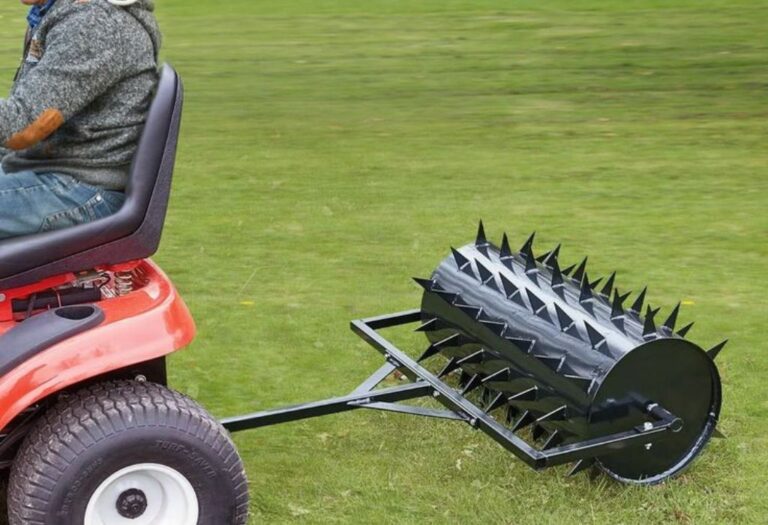
Choosing the right tools will make the job much easier. If you have a small garden, a hand aerator or a garden fork might be all you need. For larger areas, a core aerator or a motorized aerator can save you a lot of time and effort. Select the tools according to the size of your garden and the level of aeration you need.
Hand aerators are great for small areas and raised beds. A garden fork works well. Core aerators remove small plugs of soil, creating better air circulation. Motorized aerators are great for large lawns. The right tool can make the process easier and more efficient. Make sure to choose tools that are appropriate for your specific needs.
- Hand Aerator: Good for small gardens and raised beds.
- Garden Fork: Effective for loosening soil and mixing in amendments.
- Core Aerator: Removes soil plugs, creating better air circulation.
- Motorized Aerator: Ideal for larger lawns and extensive aeration.
The Aeration Process: Step-by-Step Instructions
The aeration process is easy, especially for sandy soil. With these simple steps, you can help improve your soil. The goal is to create better conditions for plant growth. Following these steps ensures effective aeration. With aeration, the plants will grow. This is the key to healthy plants.
If you’re using a hand tool like a garden fork, insert it into the soil. Then, gently push and wiggle the fork back and forth to create small holes. For a core aerator, push it into the soil, pull up, and remove the plugs of soil. Aerate the area, spacing the holes every few inches. This process improves the air circulation in the soil and promotes water retention. These steps are a great way to improve soil.
- Prepare the Soil: Water the soil if it’s dry.
- Insert the Aerator: Use a hand tool or machine to insert.
- Create Holes: Make sure to create holes every few inches.
- Remove Plugs (Core Aerator): Remove the plugs for best results.
Post-Aeration Care: Watering and Maintenance Tips
After aerating, it’s important to give your plants some extra care to help them recover and thrive. This includes watering and making sure your plants get the nutrients they need. Aeration creates a better environment for plant growth. Proper care after aeration helps your plants adjust.
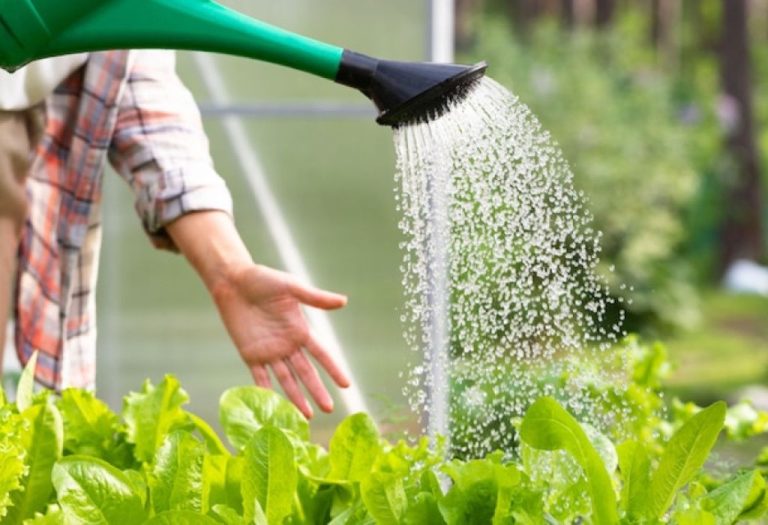
Water your plants after aerating. This helps settle the soil and allows water to reach the roots more easily. Consider adding a layer of compost or other organic matter to the soil surface. This will help hold moisture and nutrients. Proper maintenance after aerating ensures that the benefits of aeration are long-lasting. Healthy plants will be the result.
- Watering: Water the soil thoroughly after aeration.
- Mulching: Apply a layer of organic mulch.
- Fertilizing: Use a balanced fertilizer for better growth.
- Regular Monitoring: Watch your plants and soil regularly.
Common Mistakes to Avoid When Aerating Sandy Soil
There are a few common mistakes that gardeners make, so keep these in mind when you are aerating the soil. To make sure you’re helping and not hurting your plants, avoid these issues. Knowing these common mistakes will ensure success when aerating your sandy soil.
Aerating when the soil is too dry can damage the plant roots. Aerating too deep can damage roots as well. Make sure you don’t use too much fertilizer right after aerating. You can overwhelm the plants with nutrients. Avoiding these mistakes will make the process easier. The plants will be happier and healthier as a result.
Aerating Dry Soil
Aerating dry soil can make the process difficult. It can also cause problems for your plants. If the soil is dry, the tools will be hard to use. The dry soil can become compacted, making the situation even worse. The goal is to improve the soil. Proper preparation before aerating ensures that you can improve your sandy soil.
Before you aerate your soil, check the soil’s moisture. Water the soil a day or two before aerating. This makes it easier to work. The soil is more receptive to aeration when it’s slightly moist. Also, it helps prevent damage to the roots of your plants. This pre-aeration step prepares the soil for a successful aeration. Your plants will thank you!
- Check Moisture: Make sure the soil is moist.
- Watering: Water the soil a day or two before.
- Avoid Damage: Prevent damage to the roots.
- Easier Process: Aerating moist soil is easier.
Aerating Too Deep or Too Frequently
You can damage your plants if you aerate too deeply. Aerating too frequently can also be harmful. Finding the right balance will make sure your plants get the benefits of aeration. Aerating at the right depth and frequency will promote plant health. Overdoing it can cause harm. It’s important to find the balance.
When aerating, be careful not to damage the roots of your plants. Aerate to a depth of about 4-6 inches. Aeration more than once a year is usually not necessary. The best time for aeration is in the spring or fall. That’s when the plants are actively growing. Following these guidelines helps you get the best results without harming the plants.
- Depth: Aerate to 4-6 inches.
- Frequency: Aerate once a year.
- Timing: The best time is spring or fall.
- Avoid Damage: Prevent damage to plant roots.
Ignoring the Need for Soil Amendments
Aeration is just one part of improving sandy soil. Adding organic matter, like compost or manure, can greatly improve your soil. Many plants will need the added nutrients and water retention that organic matter will provide. Also, knowing what amendments your soil needs is important. Ignoring soil amendments can make the soil less healthy. This can prevent you from helping the plants.
Test your soil to determine what kind of soil amendments it needs. Amendments can greatly improve drainage and increase the soil’s ability to retain water and nutrients. Use organic matter and soil amendments. Then, you’ll have healthy soil. The more you take care of the soil, the better your plants will grow.
- Soil Testing: Find out what your soil needs.
- Organic Matter: Compost and manure are great.
- Amendments: Add perlite and vermiculite.
- Benefits: Better drainage and water retention.
Frequently Asked Questions
Question: How often should I aerate my sandy soil?
Answer: It’s generally best to aerate sandy soil once a year, usually in the spring or fall. That way, the soil can breathe and allow the roots to take in the needed nutrients.
Question: Can I aerate my soil if my plants are already growing?
Answer: Yes, you can aerate while plants are growing. However, be careful not to damage the plant roots. The plants will need the air and the space to thrive.
Question: What type of tools do I need to aerate my sandy soil?
Answer: You can use a hand aerator, a garden fork, or a core aerator. For large areas, a motorized aerator can save time.
Question: Do I need to water after aerating?
Answer: Yes, watering after aerating is a good idea. Watering helps settle the soil and ensures that water gets to the roots. The plants need water to live!
Question: Can I use fertilizer after aerating?
Answer: Yes, but it’s best to use a balanced fertilizer after aerating. Aeration makes it easier for plants to absorb nutrients. You can feed your plants for better growth!
Final Thoughts
Now you know the key steps for how to aerate sandy soil. You’ve explored what sandy soil is and why it needs special care. You’ve also learned about the best tools to use and how to aerate your soil properly. You can improve your soil, allowing your plants to thrive. Just remember to add organic matter to improve your soil’s structure, water your plants after aerating, and avoid common mistakes like aerating dry soil. With a little effort, you can transform your sandy soil. So go out there and get started! Your garden will thank you with strong, healthy plants!