How Long After Aeration to Mow Your Lawn? Simple Guide
Figuring out how long after aeration to mow your lawn can seem a bit tricky. Many beginners often wonder when the right time to get the mower out is, fearing they might damage their freshly aerated turf. This is a common question, and you’re not alone! Don’t worry, though; the answer is easier than you think. This guide will walk you through a simple, step-by-step process so you can keep your lawn looking great. Let’s explore the best practices!
What Is Aeration and Why Do Lawns Need It?
Aeration is a lawn care task that involves creating small holes or removing soil plugs from your lawn. This process helps your lawn breathe and absorb vital nutrients and water. Compacted soil, a frequent problem in lawns with heavy foot traffic or clay-rich soil, prevents the roots of your grass from getting what they need to thrive. When the soil is compact, air, water, and essential nutrients cannot easily reach the roots. Aeration helps break up the compaction, allowing for improved root growth and a healthier, more vibrant lawn. Think of it like giving your lawn a deep breath.
Types of Aeration Explained
There are generally two main ways to aerate your lawn: core aeration and spike aeration. Both methods have the same goal—to improve soil health—but they approach the task differently. Understanding the differences between these two methods can help you determine the best approach for your lawn’s specific needs and when it’s best to mow afterward.
-
- Core Aeration: This method involves removing small plugs or cores of soil and thatch from your lawn, typically about 2-3 inches deep. These cores create holes that allow air, water, and nutrients to reach the grass roots. Core aeration is generally considered the more effective method for relieving compaction, especially in lawns with heavy clay soil. The removal of the cores provides more space for roots to grow and spread.
Core aerators are machines that have hollow tines that pull out the soil cores. These machines can be rented or operated by a professional lawn care service. After core aeration, the soil plugs left on the surface will break down over time, returning nutrients to the soil and improving its overall structure.
-
- Spike Aeration: Spike aeration uses solid tines or spikes to create holes in the soil. Unlike core aeration, this method doesn’t remove any soil. Instead, the spikes simply push the soil apart, creating channels for air and water to enter. Spike aeration is less invasive than core aeration and may be suitable for lawns with mild compaction. However, it is not as effective as core aeration because the soil is simply displaced rather than removed.
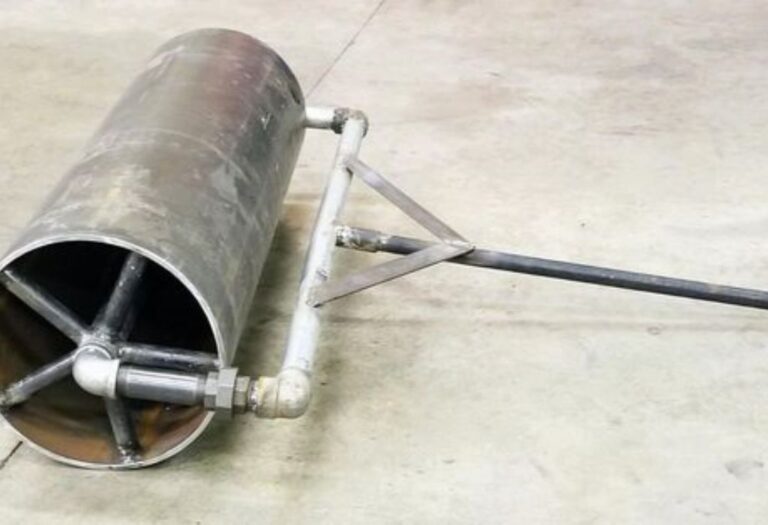
Spike aerators can be as simple as a handheld tool that you step on or a rolling aerator that looks like a lawn roller with spikes. This method can also compact the soil around the holes if the soil is too wet. For lawns with significant compaction, spike aeration may only provide temporary relief and might need to be repeated more frequently.
Benefits of Aeration for Lawn Health
Aeration provides a wide range of benefits for your lawn, contributing to its overall health and appearance. By improving soil conditions, aeration sets the stage for a lush, green, and healthy lawn. These benefits directly impact your lawn’s ability to withstand stress, resist diseases, and thrive in various conditions. Aeration contributes to more efficient water usage, helping reduce the need for frequent watering, and fostering a robust root system, essential for a resilient lawn.
-
- Improved Air Circulation: Aeration creates pathways for air to circulate within the soil. This increased airflow provides oxygen to the roots of your grass, which is essential for their growth and survival. Poor air circulation in compacted soil can lead to root suffocation and weaken your lawn.
The added oxygen supports beneficial microorganisms, which play a key role in breaking down organic matter and releasing nutrients, enhancing the overall soil health.
-
- Enhanced Water and Nutrient Absorption: Aeration helps water and nutrients penetrate the soil more effectively. By breaking up compaction, water can reach the roots more efficiently, reducing the risk of runoff and promoting deeper root growth. This deeper root system makes the lawn more drought-tolerant and better able to absorb essential nutrients.
Aeration assists in the application of fertilizers and other treatments because they can reach the root zone. This enhances their effectiveness and supports vibrant grass growth.
-
- Reduced Soil Compaction: Aeration alleviates soil compaction, allowing grass roots to spread more easily. Compacted soil restricts root growth, hindering the lawn’s ability to absorb water and nutrients. Reducing compaction also improves the soil’s drainage, preventing waterlogging and reducing the risk of fungal diseases.
Aeration also helps to foster a healthier soil environment. This supports microbial activity and decomposition, which is necessary for nutrient cycling and overall soil health.
Deciding When to Mow After Aeration

The timing of your mowing schedule after aeration is crucial for the successful recovery of your lawn. Understanding the key factors like aeration type, weather conditions, and grass type can greatly affect your mowing plans. Following these guidelines will give your lawn the best chance to recover quickly and remain healthy. Proper timing promotes a healthy lawn, enabling it to thrive and resist issues.
Timeline for Mowing After Core Aeration
Core aeration is a bit more involved, so your mowing schedule should reflect that. This method removes soil cores, creating more significant disruption to the lawn. Proper timing prevents any setbacks and lets your lawn recover and thrive. It’s about giving your lawn the time it needs to heal and take advantage of the aeration benefits.
-
- Wait Time: A good rule of thumb is to wait at least a day, or preferably two, before mowing after core aeration. This time allows the soil to settle slightly, and gives the grass a chance to recover from the aeration process.
You’ll notice the soil cores on the surface. These are not a cause for alarm; in fact, they’re a sign that the aeration is working! They will naturally break down and return nutrients to the soil over a few weeks. Avoid mowing over the soil cores immediately, as this can crush them and negate some of the aeration benefits.
-
- Initial Mowing: When you do mow, it’s best to set your mower to a slightly higher setting than usual. This ensures that you aren’t scalping the grass and helps to prevent stressing the lawn. Aim to remove only about one-third of the grass blade to avoid over-stressing the lawn.
Mowing too short right after aeration can damage the grass blades, slowing the recovery process. A higher cut allows the grass to continue photosynthesizing efficiently and supports healthy growth.
-
- Subsequent Mowings: After the initial mowing, you can gradually lower your mowing height over subsequent cuts, as long as your lawn seems to be recovering well. Continue to monitor your lawn’s health. Any signs of stress or slow growth could mean you need to continue cutting at a higher setting for longer.
Observing your lawn after each mowing will allow you to learn what it needs. Factors like sunlight and watering frequency may change how your lawn reacts after aeration.
Mowing After Spike Aeration: A Faster Turnaround
Spike aeration is less intrusive than core aeration, so your mowing schedule can be adjusted accordingly. Since this method doesn’t remove any soil, your lawn experiences less disruption. It allows for a more rapid mowing schedule. Knowing when to mow lets your lawn take full advantage of the spike aeration benefits.
-
- Mowing Soon After: You can generally mow your lawn as soon as you have finished with the spike aeration. Because this method doesn’t involve removing soil plugs, your lawn can handle the mowing relatively quickly.
The key here is not to stress the grass too much right after aeration. Ensure your mower blades are sharp to provide a clean cut and minimize any tearing or damage to the grass blades.
-
- Adjust Mowing Height: Start with a slightly higher mowing height than your usual setting. Avoid scalping the grass blades. This initial higher cut protects the grass while the roots are getting oxygen.
Maintaining a slightly taller grass height in the beginning helps the grass recover faster. The longer blades capture more sunlight and support a robust root system. If the grass shows any signs of stress, such as yellowing or slow growth, increase the cutting height even more.
-
- Monitor Lawn’s Response: Keep an eye on your lawn for any signs of stress, such as yellowing or slow growth. If your lawn appears to be struggling, delay mowing for a day or two and raise the mowing height further.
Regular inspections are a good practice to ensure your lawn gets all the resources it needs to thrive. Adapt your mowing schedule as needed.
Factors That Influence Mowing After Aeration
Several factors can influence the ideal time to mow after aeration. Weather conditions, grass type, and the overall health of your lawn all play a part in determining the best mowing schedule. Adapting your approach based on these factors can have a significant effect on your lawn’s recovery and the overall effectiveness of your aeration efforts. Knowing these elements will help you make the best decisions for your lawn’s health and maintenance.
Grass Type and Its Impact on Mowing Timing
Different grass types have different growth habits and recovery rates, which can influence how soon you can mow after aeration. Cool-season grasses and warm-season grasses each have unique needs that you will want to understand to get the best results. Adapting to the specific needs of your grass type will assist with your lawn’s health and appearance.
-
- Cool-Season Grasses: These grasses, which include Kentucky bluegrass, perennial ryegrass, and tall fescue, grow best in cooler temperatures. They usually recover from aeration more quickly when the weather is mild and the soil is moist.
When aerating cool-season grasses, you can generally mow after waiting one to two days after core aeration. Keep an eye on weather forecasts and avoid mowing before a significant rainstorm to prevent soil compaction and ensure grass growth. If you aerate with spikes, you might be able to mow on the same day, but maintain a higher mowing setting for the initial cut.
-
- Warm-Season Grasses: Grasses such as Bermuda grass, zoysia grass, and St. Augustine grass thrive in warmer weather. Their recovery process can be faster during their growing season. It is vital to consider your mowing schedule accordingly.
For warm-season grasses, you can typically mow one or two days after core aeration. The same rules apply regarding mowing height and removing no more than one-third of the grass blade. You can often mow the same day after spike aeration, but always observe for any signs of stress. Ensure that the soil is moist and that the roots can quickly re-establish themselves.
-
- Grass Health and Density: The general health and density of your grass is a crucial factor. Thin or weak grass needs more time to recover than a healthy and dense lawn.
Before aerating, ensure that your grass is healthy and well-watered. A dense, healthy lawn will recover faster. If your lawn is struggling with disease or other issues, you may want to address those problems before aeration, giving it extra time to recover. If you aerate a lawn that’s in poor shape, it’s best to delay mowing for a few days to let it recover more.
Weather Conditions and Mowing Schedules
Weather conditions have a big impact on how your lawn recovers after aeration and affects the best time to mow. Things like moisture levels, air temperature, and the chances of rain can change your mowing plan. To get the most benefits out of aeration, you should adjust your mowing based on the weather forecast and the current conditions.
-
- Moisture Levels in the Soil: The amount of moisture in your soil at the time of aeration can significantly impact the effectiveness of the process and how quickly your lawn recovers. Moist soil allows the aeration equipment to penetrate more easily.
Aerating when the soil is too dry can make the process difficult, and it can also cause the aerator to tear the grass roots instead of cleanly removing cores or creating holes. It’s usually best to aerate after a rainfall or after you have watered the lawn deeply the day before. This ensures that the soil is soft and workable. After aeration, keep the soil consistently moist to assist the grass in recovering.
-
- Temperature and Season: The temperature and the time of year play a key role in grass growth and recovery. Mowing and aeration should be planned with the season in mind to ensure optimal results.
During the spring and fall, when temperatures are more moderate, lawns typically recover most quickly from aeration. This is when cool-season grasses are actively growing, and warm-season grasses are recovering from the summer heat. In the summer, avoid aerating and mowing when it’s too hot, as this can stress the grass. During the winter, growth slows down, so aeration and mowing may not be necessary.
-
- Rainfall Predictions: Monitoring the weather forecast, particularly for the potential for rainfall, helps to manage your mowing schedule. Rain can aid the aeration process but can also cause problems, so a bit of planning will help.
Light rainfall after aeration is a good thing because it helps the soil settle and washes the soil cores back into the lawn. Heavy rainfall right after aeration can lead to soil compaction and can potentially wash away the soil cores. Avoid mowing your lawn right before a heavy rain. Try to schedule aeration and mowing with light rain in the forecast, or wait until after the rain.
Overall Lawn Health and Its Role in the Timing
The general health and condition of your lawn greatly affect how long after aeration to mow. A healthy lawn can usually bounce back more quickly than one that is stressed or struggling. Assessing your lawn’s health before and after aeration will help you to adjust your approach for best results. This ensures that aeration has the greatest impact and that your lawn looks its best.
-
- Assessing Lawn Health: Before aerating, examine your lawn for signs of issues. These include yellowing, thinning, bare patches, or diseases. Address any underlying problems before aerating.
Check for pest infestations, such as grubs or other insects, as these can weaken the grass. Apply any necessary treatments, like fungicides or insecticides, before aerating. Ensure the soil has good drainage, and consider adding soil amendments if needed. Consider your soil type; adding amendments, like compost, before aeration, can also improve soil health.
-
- Fertilizing and Watering: Proper fertilization and watering are vital for supporting your lawn’s recovery after aeration. These steps can help speed the process up and improve your lawn’s health.
Apply a balanced fertilizer after aeration and the first mowing to provide the necessary nutrients. Water the lawn thoroughly and consistently, especially during the first few weeks after aeration, to encourage root growth and ensure the grass gets everything it needs. Be careful not to overwater, which can lead to problems.
-
- Addressing Existing Issues: Correct any problems before aerating your lawn, and this will improve the aeration’s effectiveness. You can handle most common lawn problems with a few simple steps.
If you have any signs of fungus, treat them first and allow the grass time to recover before aerating. For bare spots or thinning areas, consider overseeding after aeration. Proper care both before and after aeration will create a healthy and thriving lawn.
Step-by-Step Guide: Mowing After Aeration
Following a step-by-step process can simplify the process of mowing after aeration. This structured approach helps ensure that you take the best steps to let your lawn recover successfully. This approach is designed to guide you through each stage and assist with optimal results for a healthy and vibrant lawn.
-
- Step 1: Determine the Aeration Method: Before you begin, identify what type of aeration you have used. This will inform your mowing schedule.
- Core Aeration: Involves removing soil plugs.
- Spike Aeration: Involves creating holes in the soil using spikes.
- Step 1: Determine the Aeration Method: Before you begin, identify what type of aeration you have used. This will inform your mowing schedule.
Knowing your aeration method is the first step toward creating your mowing plan. The aeration type is very important because it dictates the recovery time and mowing approach. Review the aeration type to tailor your process for the best results.
-
- Step 2: Core Aeration Wait Time: If you did core aeration, wait at least one or two days before mowing. This allows the soil to settle and the grass to recover slightly.
- Let the Soil Settle: Give the grass time to recover from the stress of aeration.
- Observe the Cores: These soil cores will break down and return nutrients to the soil.
- Step 2: Core Aeration Wait Time: If you did core aeration, wait at least one or two days before mowing. This allows the soil to settle and the grass to recover slightly.
This waiting period is essential for allowing the grass to stabilize. It prevents undue stress on the lawn. This also helps with the effectiveness of your lawn’s aeration. Avoid mowing immediately after aeration to maintain a healthy lawn.
-
- Step 3: Initial Mowing Height: When you do mow, start with a slightly higher mower setting. Raise your mower deck to about one-third more than your usual cutting height.
- Avoid Scalping: Do not remove too much grass at once.
- Maintain Blade Length: Longer blades help with the recovery.
- Step 3: Initial Mowing Height: When you do mow, start with a slightly higher mower setting. Raise your mower deck to about one-third more than your usual cutting height.
Raising your mower setting will protect your grass and promote quicker recovery. Prevent grass scalping by trimming only a small amount. This helps the grass to photosynthesize and recover.
-
- Step 4: Spike Aeration – Mow Soon After: If you performed spike aeration, you can usually mow the same day.
- Inspect the Lawn: Ensure the grass is not showing signs of stress.
- Adjust Mowing Height: You may need to use a slightly higher setting initially.
- Step 4: Spike Aeration – Mow Soon After: If you performed spike aeration, you can usually mow the same day.
Spike aeration involves minimal soil disturbance and lets you mow faster. You should still monitor your lawn for any issues. Maintaining an increased mowing setting is still recommended at first, however.
-
- Step 5: Subsequent Mowings and Monitoring: For both aeration methods, continue monitoring your lawn. Over the next few mowings, you can gradually lower your mowing height.
- Assess Grass Health: Look for signs of stress, such as yellowing.
- Adjust as Needed: Adjust your mowing height based on your lawn’s response.
- Step 5: Subsequent Mowings and Monitoring: For both aeration methods, continue monitoring your lawn. Over the next few mowings, you can gradually lower your mowing height.
Continually assessing the health of your lawn after mowing helps you to adapt. Your adjustments will help to improve the health of your lawn over time. You will promote a strong and thriving lawn through careful monitoring and adaptive mowing practices.
Comparison of Mowing Schedules
A quick overview of the differences in mowing schedules can make the decisions easier. This comparison will summarize the key differences in post-aeration mowing schedules. Consider this when managing your lawn care and planning the best approach. It helps with efficient and effective lawn maintenance.
| Feature | Core Aeration | Spike Aeration |
|---|---|---|
| Wait Time Before Mowing | 1-2 days | Typically, same day |
| Initial Mowing Height | Slightly higher than usual | Slightly higher than usual |
| Soil Disruption | Significant (soil cores removed) | Minimal (soil is simply displaced) |
| Recovery Time | Slower | Faster |
| Monitoring | Assess for stress and adjust accordingly | Assess and adjust as needed |
Frequently Asked Questions
Question: What happens if I mow too soon after aeration?
Answer: Mowing too soon after aeration can stress the grass. This can lead to slower recovery, and the grass can be more susceptible to disease.
Question: Can I fertilize after aerating and mowing?
Answer: Yes, fertilizing after aerating and mowing is usually a good idea. This helps the grass roots get nutrients.
Question: Should I water after aeration and mowing?
Answer: Yes, you should water your lawn after aeration and mowing. Keep the soil moist to help the grass recover. Avoid overwatering.
Question: How often should I aerate my lawn?
Answer: The frequency of aeration depends on your soil. You may need to aerate once or twice a year if you have clay soil. Less compact soil may need it less often.
Question: Can I walk on my lawn after aeration?
Answer: It’s best to minimize foot traffic on your lawn after aeration to prevent compaction. However, light use is usually okay.
Final Thoughts
So, you’ve learned about the best mowing practices following aeration. Remember that when deciding how long after aeration to mow your lawn, you should always consider the type of aeration used. For core aeration, a day or two of rest is usually best before mowing, allowing the soil to settle and the grass to recover. With spike aeration, you can often mow the same day, but always use a slightly higher mower setting at first. Always keep an eye on your grass, and adjust your mowing height accordingly. By following these guidelines, you can ensure your lawn stays healthy and vibrant, improving your home’s curb appeal. Now get out there and enjoy your beautifully aerated lawn!