How to Stop Garden Hose From Leaking Permanently
A small drip at the garden tap may seem harmless, but over time it wastes water, increases bills, and shortens the lifespan of your hose. What starts as a few drops can quickly turn into a constant spray that lowers pressure and ruins connectors.
Learning how to stop garden hose from leaking permanently saves time, money, and frustration every season.
Most hose leaks occur at the faucet, nozzle, or connector due to worn washers, cracked fittings, or cross-threading. These small issues are often ignored until they cause major water loss.
According to the EPA’s WaterSense program, household leaks waste nearly 1 trillion gallons of water annually in the U.S. (source).
Fixing outdoor leaks like garden hoses can reduce a home’s total water waste by up to 10%, proving how small maintenance steps make a big environmental difference.
The good news is that repairing a leaky hose doesn’t require professional tools or plumbing skills. With the right washer, a clean connection, and proper tightening, most leaks can be fixed in minutes.
When damage is more severe, using compression or barbed menders creates a lasting, leak-proof joint that restores full pressure.
Why Garden Hoses Leak
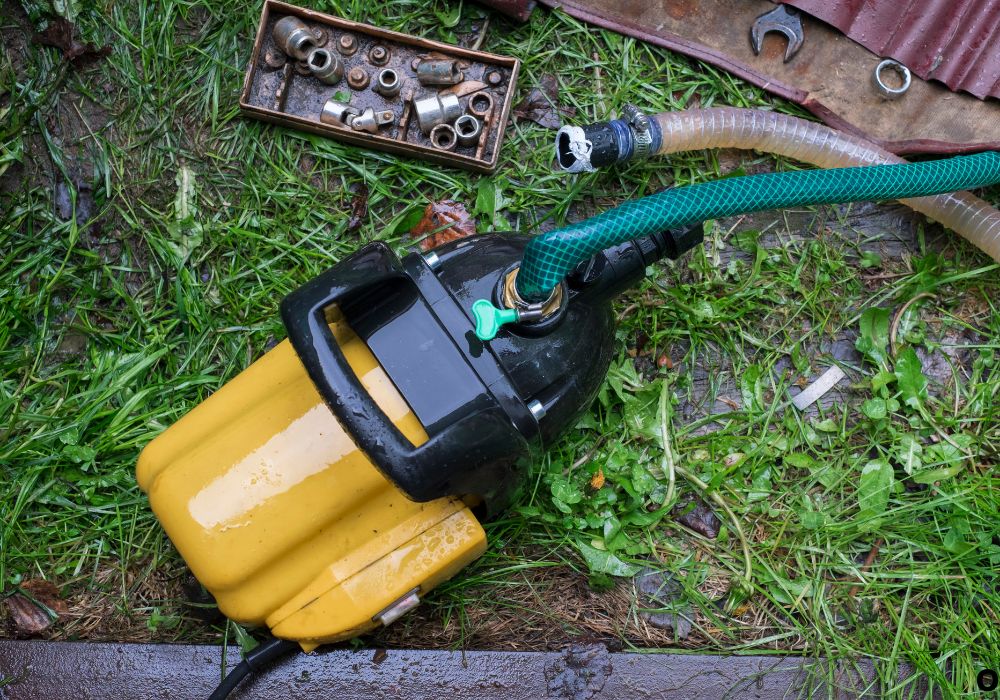
Every garden hose eventually develops leaks, and understanding the reasons behind them is the first step to preventing costly or recurring problems.
Most hose leaks originate from a small handful of causes — worn washers, damaged fittings, corrosion, or even improper use. Recognizing the early signs of these issues can save water, protect pressure, and extend the lifespan of the hose.
The most common culprit is a worn or missing washer inside the female connector. This small rubber or silicone ring creates the watertight seal between the hose and the faucet.
Over time, washers flatten or crack from constant compression and exposure to UV rays. When the washer loses its flexibility, it no longer seals tightly, causing drips at the tap or nozzle connection.
Another frequent cause is cross-threading, which occurs when the hose is attached at an angle or forced onto the spigot. This misalignment damages the threads, making it impossible for the fittings to sit flush.
The result is a persistent leak that worsens with every tightening. Once the metal threads are stripped, the only permanent solution is replacing the end coupling entirely.
Mineral buildup and corrosion also play a major role, especially in regions with hard water. Minerals like calcium and magnesium accumulate inside the fittings, creating rough surfaces that prevent washers from sealing properly. A vinegar soak every few months can dissolve these deposits and keep the fittings clean.
Environmental exposure compounds the problem. Sunlight, freezing temperatures, and constant bending weaken the hose’s outer jacket, leading to micro-cracks that expand into leaks. Storing hoses properly—coiled on a reel and drained of water after use—helps prevent this deterioration.
Understanding these underlying causes is essential to mastering how to stop garden hose from leaking permanently. Once the source of the leak is identified, choosing the right fix—whether a washer replacement, thread cleaning, or mender installation—becomes a simple, effective process that restores full pressure and performance.
How to Stop Garden Hose From Leaking at the Tap (Spigot)

The connection between hose and faucet — the spigot or hose bib — is one of the most common leak points in any watering system.
The seal at this junction depends entirely on a small internal washer or gasket, so even minor wear or misalignment can lead to a persistent drip. A focused, step-by-step fix can restore a reliable seal and stop the leak permanently.
Begin by turning off the water supply completely and releasing pressure by opening the spigot. Disconnect the hose and inspect the female end.
Look for signs of a flattened washer, nicks, or dried debris inside the coupling. Replace any worn or damaged washer with a new one that matches the GHT (garden hose thread) ID (½”, ⅝”, or ¾”).
Use a soft brush or cloth to clean the mating surfaces on both the faucet and hose end. Deposits, grit, or mineral scale can prevent the washer from seating correctly, causing constant weeping at the joint. Ensure threads are aligned and straight before reconnecting.
When reconnecting, screw the hose on by hand until firm contact is felt, then add no more than a quarter turn more to tighten.
Overtightening forces the washer to distort or damage the threads, which often leads to persistent leaks. Once water is turned back on, inspect the joint under pressure. If a fine drip appears, back off slightly or re-seat the washer.
If the hose bib itself is leaking even without a hose attached, the issue may lie in the faucet’s internal stem or packing nut.
In such cases, repairing or replacing the bib is necessary. Otherwise, the steps above will solve most faucet-end leaks. By focusing on the washer integrity, clean threads, and correct torque, one can master how to stop garden hose from leaking at its most critical junction.
How to Stop Garden Hose From Leaking at the Nozzle or Sprinkler
Leaks near the nozzle, spray gun, or sprinkler attachment are among the most common and frustrating issues gardeners face. They often begin as small drips that reduce water pressure, distort spray patterns, or cause water to pool around the handle.
Unlike leaks at the tap, these occur at the connection where the hose meets the attachment — and they almost always trace back to worn seals, loose fittings, or internal debris buildup.
Start by detaching the nozzle or sprinkler from the hose. Look inside the female end of the hose connector for a flat rubber washer or O-ring. This small part compresses against the male fitting on the nozzle to stop leaks under pressure.
If the washer appears cracked, flattened, or missing entirely, replace it immediately with a new one of the same size. Washer packs are inexpensive and can resolve most nozzle leaks within seconds.
If replacing the washer doesn’t solve the issue, inspect the threads and coupling. Dirt, grit, or mineral deposits can build up over time, preventing the connection from sealing properly. Clean both ends thoroughly with a soft brush and soak them in white vinegar for 15–20 minutes to dissolve mineral scale. Rinse well before reconnecting.
Next, check for cross-threading or damage to the metal or plastic threads. Misaligned threads prevent a tight seal and often create side-spray leaks when the water is on. If the threads are stripped, it’s best to replace the nozzle or coupling entirely.
Lastly, ensure the nozzle’s internal valve isn’t the source of the leak. Many spray heads develop internal cracks or worn springs that cause water to escape even when turned off. In this case, replacing the nozzle is more cost-effective than attempting to repair it.
Following these steps ensures a tight, even seal at the connection, restoring both pressure and efficiency. With regular maintenance and washer replacements, you can easily master how to stop garden hose from leaking at the nozzle and keep your watering system performing like new.
How to Stop Garden Hose From Leaking Mid-Hose
Leaks in the middle section of a garden hose often look unfixable at first glance. A split or pinhole halfway down the line can cause sudden bursts of water, reduced pressure, and wasted gallons every time the hose is used.
Fortunately, learning how to stop garden hose from leaking in the middle is simple with the right method and materials.
The first step is identifying the type of damage. Small pinholes caused by punctures or abrasions can sometimes be temporarily sealed using self-fusing rubber repair tape or hose repair tape.
These tapes stretch and bond tightly to themselves, forming a waterproof layer that can hold up under moderate pressure. However, this is only a short-term fix. For a long-lasting solution, the damaged section must be removed and spliced.
To create a permanent repair, use either a compression mender or a barbed mender with clamps. Begin by draining all water from the hose and cutting out the damaged portion using a sharp utility knife or hose cutter. The cut must be perfectly straight to ensure a tight, leak-proof seal.
Next, select a mender that matches the hose’s inner diameter—typically ½ inch, ⅝ inch, or ¾ inch. Insert the mender into both ends of the hose.
For barbed fittings, slide a clamp over each side before inserting, then tighten evenly with a screwdriver. Compression menders are even easier, as they use threaded collars to seal both ends without tools.
Once complete, test the splice under full water pressure. A proper repair will restore full flow with no drips or misting around the connection. With careful cutting, correct sizing, and even tightening, the hose will perform as good as new.
Fixing mid-hose leaks the right way not only restores functionality but also teaches the fundamentals of how to stop garden hose from leaking permanently — ensuring long-term savings and reliable performance.
Storage, Maintenance, and Prevention (Make Fixes Last)
Once the leaks are repaired, prevention becomes the key to keeping the hose working efficiently for years. Knowing how to stop garden hose from leaking permanently means going beyond patching—it requires consistent care, proper storage, and regular inspection to prevent future damage before it starts.
The most effective way to protect a hose is to store it correctly. After every use, shut off the water and release pressure by opening the nozzle until no water remains.
Leaving water trapped inside the hose allows it to expand under heat or freeze in cold weather, leading to internal cracks and ruptures. Coil the hose neatly on a reel or hanger, keeping it off the ground to prevent kinks and sharp bends that strain the hose wall.
Avoid prolonged sun exposure, as UV rays cause rubber and vinyl hoses to dry out, fade, and eventually crack.
Storing the hose in a shaded area or shed can extend its lifespan by several seasons. During winter months, always disconnect the hose from the faucet.
Freezing water inside the hose or spigot can split fittings and damage both the connector and the faucet threads.
Routine maintenance should include washer replacement every few months. These small rubber or silicone pieces compress with use and lose their flexibility over time, becoming one of the leading causes of leaks.
Keep a small packet of spare washers in your garden toolbox so replacements can be made immediately when drips appear.
Lastly, keep the couplings and threads clean. Dirt, sand, and mineral scale can slowly wear down sealing surfaces and cause micro-leaks. A quick rinse or vinegar wipe prevents buildup and ensures smooth tightening every time.
By combining smart storage, seasonal care, and quick maintenance, you can ensure that how to stop garden hose from leaking becomes a lasting result—not a repeated chore. Preventive attention turns any standard hose into a durable, reliable part of your garden routine.
Conclusion
Every garden hose leak, whether it starts as a small drip or a full split, can be fixed with the right approach and attention to detail.
Understanding how to stop garden hose from leaking permanently means identifying the source of the problem, applying the proper repair method, and maintaining the hose to prevent future damage.
Most leaks occur at the most vulnerable points — the tap, nozzle, or mid-hose section — but each can be easily repaired using simple tools and inexpensive parts like washers, couplings, and menders.
Clean cuts, correct sizing, and proper tightening are the keys to achieving a leak-proof seal. Even small actions, such as replacing a washer or cleaning mineral buildup, can make a significant difference in performance and water efficiency.
However, fixing the leak is only part of the solution. Long-term durability comes from consistent maintenance and storage habits.
Draining the hose after each use, keeping it out of direct sunlight, and replacing worn washers regularly ensures the hose stays in top condition for years.
Disconnecting the hose before freezing weather and keeping threads clean can prevent the same problems from returning season after season.
Taking a few minutes to care for your hose not only saves water but also saves money by extending its life and maintaining steady water pressure. A well-maintained hose is a tool you can rely on for every watering task, from lawn care to cleaning to gardening.

I’m Maya L. Greenwood, a lifelong plant lover who believes anyone can grow something beautiful with the right guidance. After years of testing soil mixes, pruning methods, irrigation tricks, and pest-safe solutions, I started EasyGardenTips.com to turn hard-won lessons into step-by-step advice. From seed starting and container gardens to composting and seasonal checklists, my goal is to make gardening simple, sustainable, and fun.