How to Unfreeze Garden Hose and Prevent Refreezing
A frozen garden hose can turn a calm winter morning into an unexpected problem. What starts as a simple chore—washing the car, filling the trough, or watering plants—quickly becomes impossible when the hose is solid with ice.
In colder climates, this problem is all too common, and without the right approach, a frozen hose can crack, burst, or even damage the outdoor faucet itself.
Freezing occurs when water trapped inside the hose or its fittings expands as temperatures drop below 32°F (0°C). This expansion puts immense pressure on the hose walls and connectors, often leading to leaks or permanent deformation.
A single night of frost can block water flow completely, while repeated freezing and thawing cycles can silently weaken the hose material over time.
According to the U.S. Department of Energy, water expands by nearly 9% when it freezes (source), enough to rupture plastic or rubber tubing if left full.
Knowing how to unfreeze garden hose correctly can save you both time and money. Pouring boiling water or using extreme heat may seem effective, but these quick fixes can cause more harm than good.
The safest approach involves slow, even thawing, careful inspection, and preventive care to keep the hose usable throughout the winter.
Why Garden Hoses Freeze and What Risks Arise

A garden hose freezes when water trapped inside expands as it turns to ice. This process exerts tremendous internal pressure, often splitting the hose walls, damaging connectors, and cracking outdoor faucets.
Many homeowners underestimate how quickly this happens, but temperatures below 32°F (0°C) can cause ice formation in as little as one hour if water remains inside.
When a hose is left connected to the spigot, water trapped in both the hose and faucet has nowhere to go as it freezes. This buildup of pressure can cause not just hose damage but also internal plumbing issues inside exterior walls.
A single freeze can result in burst fittings, leading to leaks once temperatures rise again. According to the Insurance Institute for Business & Home Safety, burst pipes from freezing can cause over $5,000 in average repair costs (source).
Several factors influence how fast a garden hose freezes. Exposure to cold winds, poor drainage, and low hose elevation all accelerate the freezing process.
Hoses lying flat on frozen ground or coiled in damp areas tend to retain water at the lowest points, creating ideal conditions for ice buildup.
Once frozen, the hose becomes rigid, increasing the risk of cracks during handling or attempts to bend it.
Even a single freeze-thaw cycle weakens hose material over time. The repeated expansion and contraction cause tiny fissures that eventually lead to leaks and ruptures.
The most vulnerable spots are the connectors, couplings, and fittings, which are usually made of metal or hard plastic that expands differently than the hose material itself.
Understanding these risks is the foundation of knowing how to unfreeze garden hose correctly. By recognizing how and why freezing occurs, you can take preventive action before temperatures drop and protect both your hose and outdoor plumbing from costly damage.
Safe Methods to Unfreeze Garden Hose
When temperatures drop suddenly, a garden hose can freeze solid overnight, leaving you with no water flow and a potential for costly damage.
Fortunately, knowing how to unfreeze garden hose safely allows you to thaw it quickly without cracking the hose or harming the fittings.
The goal is to melt the ice gradually and evenly, avoiding extreme heat or sudden temperature changes that can damage the hose material.
The first and safest method is warm water thawing. Disconnect the hose from the faucet and carefully coil it in a large tub or bucket. Slowly pour warm (not boiling) water over the hose or submerge sections of it.
The gradual heat softens the ice inside, allowing it to melt without warping the hose lining. Boiling water should never be used, as it can deform plastic or vinyl hoses and loosen adhesive seals within couplings.
If the hose is too long to submerge, try using a hair dryer or heat gun on a low setting. Start near one end and move slowly along the length of the hose, keeping the heat source at least six inches away.
Continuous movement prevents overheating and ensures even thawing. Concentrating heat in one spot can cause softening or blistering, especially on lightweight hoses.
Another safe technique involves wrapping the hose with warm, damp towels. Soak a few towels in hot water, wring them out, and wrap them tightly around the frozen sections.
As the towels cool, replace them with fresh ones until water begins flowing freely. This method works well for hoses that have frozen near the connectors or nozzle ends.
For hoses that remain frozen outdoors, relocate them to a warmer environment such as a garage or basement.
Laying the hose on a floor with ambient heat allows it to thaw naturally, reducing the risk of structural stress. Once thawed, drain any remaining water completely to prevent refreezing.
These gentle, steady methods protect both the hose and fittings from heat damage while ensuring full thawing. Applying controlled warmth is the safest, most effective way to restore function and master how to unfreeze garden hose during freezing weather.
What to Never Do When Thawing a Frozen Garden Hose

When faced with a frozen hose, many people resort to quick fixes that cause more harm than good. While the goal is to restore water flow, using the wrong methods can melt, burst, or permanently weaken the hose.
Understanding what not to do is just as important as learning how to unfreeze garden hose properly.
The first and most dangerous mistake is pouring boiling water directly onto the hose. Extreme heat creates rapid temperature changes that cause the material to expand unevenly.
Vinyl and rubber hoses can warp, lose flexibility, or develop micro-tears that lead to future leaks. Boiling water may also loosen the adhesive that bonds couplings and fittings, resulting in weakened joints.
Another major mistake is using open flames or high-heat tools, such as a propane torch or high-power heat gun.
Direct flame can melt plastic layers, scorch rubber, and even ignite synthetic fibers in reinforced hoses.
It also poses a fire risk if the hose is lying near dry grass, wooden decks, or walls. Instead, gentle and controlled heat from a hair dryer or warm towels is safer and more effective.
Pulling or bending a frozen, rigid hose is another common error. Ice inside makes the hose inflexible, and forcing it to move can cause cracks or break internal lining layers. Always thaw the hose completely before attempting to uncoil or reposition it.
Additionally, avoid pressurizing the hose while it’s still frozen. Turning on the water too early forces pressure against the ice blockage, which can burst fittings, split the hose wall, or damage the outdoor faucet. Always confirm the hose is fully thawed before reattaching it to the spigot.
Taking shortcuts might seem tempting during freezing weather, but these quick methods often result in permanent damage.
Patience and gentle warming remain the safest ways to preserve your equipment and ensure how to unfreeze garden hose leads to a long-lasting, trouble-free fix.
Best Practices and Prevention to Avoid Refreezing
Once you’ve successfully thawed your hose, the next challenge is ensuring it doesn’t freeze again. Knowing how to unfreeze garden hose is only half the battle — preventing refreezing is what protects your hose, faucet, and outdoor plumbing throughout the cold season.
Proper maintenance, insulation, and storage habits can make the difference between a one-time fix and repeated winter headaches.
The most effective prevention step is fully draining the hose after every use. Disconnect it from the faucet and hold it upright, allowing gravity to push out all the remaining water.
Walk the length of the hose as you lift it, ensuring no water pockets remain trapped in low sections or coils. Even a few ounces of water can freeze overnight, expanding into ice plugs that crack the hose lining.
Next, always disconnect the hose from the spigot before temperatures drop. Leaving it attached traps residual water in both the faucet and hose threads, which can freeze and cause damage to the outdoor bib or interior plumbing.
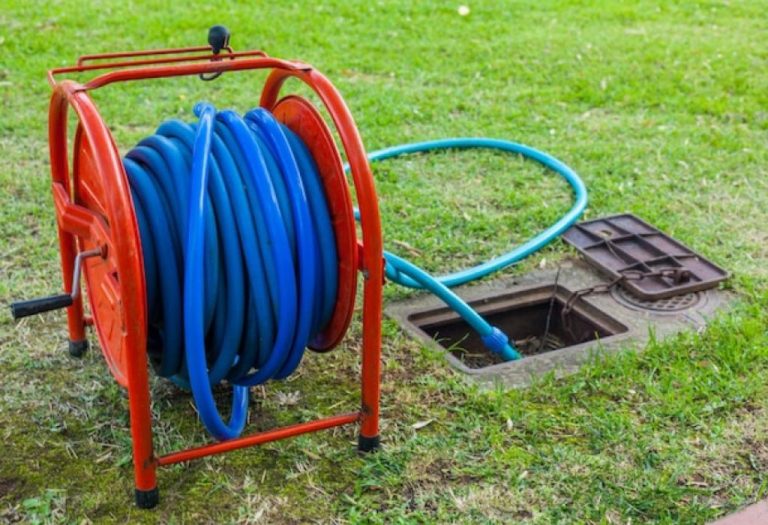
Store the hose in a coiled position on a reel or hook, keeping it off the cold ground and away from snow or standing water.
For added protection, wrap the faucet and exposed hose ends with foam insulation sleeves or pipe wrap.
In extremely cold climates, consider using a heated hose or wrapping the existing one with low-wattage heat tape that automatically maintains above-freezing temperatures. These solutions are ideal for livestock watering or irrigation systems that must run during winter.
When using the hose in freezing weather, let it drip slowly instead of shutting it off completely. A light flow prevents ice from forming inside the line. After use, drain and store immediately before temperatures drop again.
Finally, perform a quick inspection before every winter season. Replace cracked washers, tighten loose fittings, and check for brittle spots in the hose material.
Consistent care ensures your hose stays flexible and reliable year-round, eliminating the need to repeatedly figure out how to unfreeze garden hose once freezing weather returns.
Troubleshooting and When Thawing Fails
Even with careful thawing, there are times when a hose remains blocked or damaged. If you’ve applied all the safe methods but water still won’t flow, it’s important to troubleshoot systematically before deciding whether to repair or replace the hose.
Knowing what to look for helps you identify deeper issues and ensures your efforts to unfreeze garden hose aren’t wasted.
The first step is to check the connection points. Detach the hose from both the faucet and the nozzle to confirm that the blockage is inside the hose and not in the fixtures. Sometimes, ice forms in the nozzle or faucet threads rather than in the hose itself.
Warm these ends separately using a hair dryer or by immersing them in warm water. Once thawed, reconnect and test the flow again.
If water still won’t pass through, there may be a solid ice blockage deep within the hose. This often happens in thicker hoses or in sections that were tightly coiled.
To solve this, lay the hose out straight on a gentle slope and start warming from one end, allowing melted ice to flow naturally out the other side.
Avoid forcing water or air pressure through a partially thawed hose, as trapped ice can cause the inner lining to rupture.
After thawing, inspect the hose for visible bulges, splits, or cracks. These are signs that ice expansion has damaged the structure. Small cracks near the fittings can be repaired using a compression or barbed mender, but large splits usually mean the hose should be replaced.
If the spigot still leaks or fails to deliver water after the hose is cleared, the problem may lie in the outdoor faucet’s frozen pipe.
In such cases, leave the indoor valve open slightly and allow gradual thawing from ambient heat. Attempting to force thaw the faucet can lead to burst pipes and costly repairs.
At this point, if the hose shows extensive wear, replacement is the smarter and safer option. By identifying the problem early and responding properly, you can prevent future damage and improve your success each time you unfreeze garden hose during winter.
Seasonal Routine and Long-Term Care
Preventing a frozen hose isn’t just a one-time task — it’s part of an ongoing maintenance routine that keeps your equipment in top shape all year.
Knowing how to unfreeze garden hose is valuable, but keeping it from freezing in the first place requires seasonal habits that protect against both cold weather and wear.
At the start of each fall, inspect your garden hose carefully for signs of damage. Look for small cracks, worn fittings, or brittle spots along the length of the hose.
If the hose feels stiff or discolored, it may already be weakened from UV exposure or previous freeze cycles. Replacing weak sections before winter helps prevent leaks and burst connections once freezing temperatures arrive.
Before the first frost, disconnect the hose from the faucet and drain it completely. Lay it on a slight slope and work from one end to the other, lifting and shaking out trapped water.
Once dry, coil the hose loosely — tight coils create pressure points that can crack the lining during cold snaps. Hang it on a wall-mounted hook or reel, keeping it elevated to prevent contact with icy ground surfaces.
For long-term protection, store the hose in a temperature-controlled area such as a garage, shed, or basement. Avoid leaving it outside exposed to snow or freezing rain.
Even a well-insulated hose can become brittle if left in subzero temperatures for extended periods. If outdoor use is unavoidable, consider upgrading to a heated or freeze-resistant garden hose that maintains flexibility and prevents internal ice buildup.
As temperatures rise in spring, reconnect the hose and check for leaks before resuming regular use. Replace washers or couplers that have dried out during winter.
Applying a small amount of silicone lubricant to the threads and gaskets ensures smooth connections and prevents seizing during the next cold season.
Routine care takes only minutes but adds years to your hose’s lifespan. By developing these habits, you’ll not only extend your investment but also eliminate the frustration of repeatedly having to unfreeze garden hose every winter. Consistent preparation is the most reliable way to ensure smooth, uninterrupted water flow all year long.
Conclusion
A frozen garden hose may seem like a small inconvenience, but it can quickly lead to expensive repairs if not handled correctly.
The key to protecting your hose and faucet lies in understanding why hoses freeze, how to unfreeze garden hose safely, and how to prevent refreezing altogether.
With simple maintenance habits and the right thawing techniques, you can ensure that freezing temperatures never interrupt your outdoor chores again.
The safest thawing methods always involve gentle, gradual heat — using warm water, low heat from a hair dryer, or indoor warming.
Quick fixes like boiling water or open flames can permanently damage the hose, fittings, or faucet.
Once thawed, prevention becomes the priority: draining the hose fully, disconnecting it from the spigot, and storing it properly are the most effective defenses against refreezing.
Seasonal care also plays an important role. Regular inspections, the use of insulation sleeves or heat tape, and avoiding water pressure during freezing conditions all extend the lifespan of your garden hose.
A few minutes of care before each winter can save hours of frustration — and the cost of replacements — later on.

I’m Maya L. Greenwood, a lifelong plant lover who believes anyone can grow something beautiful with the right guidance. After years of testing soil mixes, pruning methods, irrigation tricks, and pest-safe solutions, I started EasyGardenTips.com to turn hard-won lessons into step-by-step advice. From seed starting and container gardens to composting and seasonal checklists, my goal is to make gardening simple, sustainable, and fun.