Difference Between Gas and Electric Lawn Mower Explained
On a quiet Saturday morning, the hum of a mower fills the air as neighbors begin their weekend yard routines.
Some engines roar loudly while others buzz softly, yet both are doing the same job—cutting grass.
This simple sound difference reveals a bigger question for homeowners everywhere.
What exactly is the difference between gas and electric lawn mower, and which one truly makes mowing easier?
For decades, gas mowers have been the standard choice for raw cutting power and unlimited runtime.
They handle thick grass and large yards with ease but come with noise, emissions, and regular maintenance.
Electric mowers, on the other hand, have transformed yard work with quiet operation and instant push-button starts.
Modern battery-powered versions now rival gas mowers in performance, offering freedom from fuel and fumes.
According to the Environmental Protection Agency (EPA), small gas-powered equipment like lawn mowers contributes nearly 5% of total U.S. air pollution (EPA.gov).
Meanwhile, Consumer Reports notes that battery technology has improved dramatically, with newer cordless models cutting up to ½ acre per charge (ConsumerReports.org).
Yet, many homeowners still struggle to decide which mower type is worth the investment.
Is the classic reliability of gas better, or has electric power finally caught up in performance and efficiency?
What Is the Difference Between Gas and Electric Lawn Mower?
At first glance, both gas and electric lawn mowers seem to serve the same purpose.
However, the difference lies in how each type is powered and maintained, shaping their performance, cost, and convenience.
A gas lawn mower runs on gasoline, using an internal combustion engine similar to that of small vehicles.
It delivers strong torque and cutting power, making it ideal for large yards, tall grass, and demanding conditions.
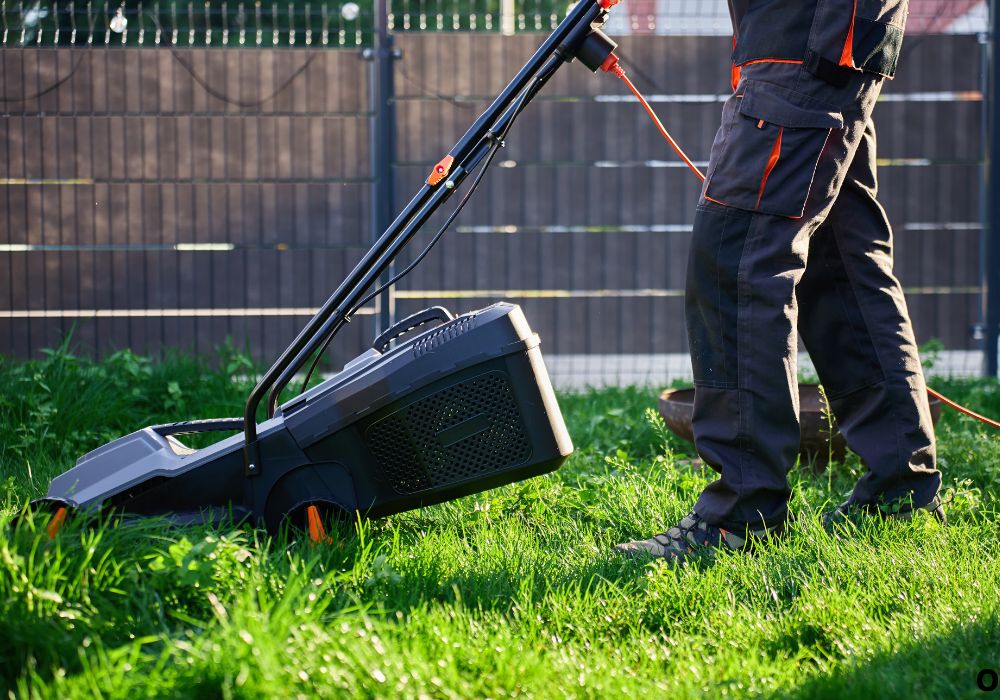
In contrast, an electric lawn mower draws energy either from a power cord or rechargeable lithium-ion batteries.
These motors provide consistent speed, easy starts, and quieter operation, offering a modern alternative to gas-powered machines.
Gas models are favored for their unlimited runtime since refueling takes only minutes.
They can handle long mowing sessions without downtime, which makes them reliable for expansive lawns.
Electric mowers depend on battery life or access to a power outlet.
While early versions struggled with runtime, newer designs can cut up to half an acre or more per charge.
One major difference between gas and electric lawn mower systems is their environmental impact.
Gas engines release carbon emissions and noise, while electric units produce zero direct emissions and operate far more quietly.
Maintenance also separates the two categories.
Gas models require regular oil changes, spark plug replacements, and fuel stabilizers, while electric versions need minimal upkeep beyond blade sharpening and cleaning.
Another factor is starting mechanism and user comfort.
Electric mowers use push-button ignition and light frames, whereas gas types often require pull-starting and produce more vibration during operation.
This contrast extends to overall user experience.
Electric mowers provide a cleaner, low-maintenance alternative for small to medium lawns, while gas models remain unmatched for heavy-duty power and endurance.
In short, the difference between gas and electric lawn mower options reflects the balance between strength and simplicity.
Choosing one depends on whether you value maximum performance or modern convenience and sustainability.
Performance & Cut Quality (Power, Decks, Wet Grass)
Performance is one of the most noticeable differences between gas and electric lawn mower models.
It determines how smoothly the mower cuts, how well it handles thick grass, and how long it can sustain consistent results.
Gas mowers have long been known for their high torque and blade speed.
Their internal combustion engines deliver immediate power, maintaining momentum even through dense or damp patches of grass.
This makes gas models ideal for large yards with uneven terrain or thick vegetation.
They can cut through wet grass with minimal slowing, providing a consistent, even finish across every pass.
Electric mowers, however, have closed the gap significantly thanks to brushless motor technology.
Modern battery-powered units now maintain steady blade performance without the dramatic power drop seen in older models.
Most electric mowers also feature variable speed control to adapt blade rotation based on grass thickness.
This energy-efficient system helps conserve battery power while ensuring precise cutting quality.
Cutting deck size plays a major role in both types’ performance.
Gas mowers typically come with wider decks ranging from 21 to 30 inches, allowing faster coverage of large lawns.
Electric models usually have smaller decks, which improves maneuverability but increases total mowing time on big properties.
Still, for small and medium lawns, the difference in time is barely noticeable.
Gas mowers excel in mulching and bagging performance due to stronger suction and higher blade tip speed.
They can easily handle wet clippings and thicker grass without clogging the chute.
Electric mowers perform best on regularly maintained lawns.
They produce a cleaner cut on short or medium-length grass and generate minimal vibration, which improves comfort during operation.
According to Consumer Reports, high-end cordless mowers now match gas mowers in cut quality for lawns under ½ acre (ConsumerReports.org).
This demonstrates how quickly electric mower performance is catching up with traditional gas power.
The difference between gas and electric lawn mower power output is still visible in extreme conditions.
Gas units dominate in raw strength, but electric models deliver precision, efficiency, and quiet reliability for most residential yards.
When comparing overall performance, it becomes a question of yard size and grass density.
Gas ensures unstoppable force for heavy-duty work, while electric offers refined control and consistent cutting for everyday use.
Runtime, Refueling & Charging (Yard Size Fit)

When comparing the difference between gas and electric lawn mower options, runtime and refueling convenience often become the deciding factors.
These features directly affect how efficiently each mower type fits different yard sizes and mowing habits.
A gas lawn mower offers virtually unlimited runtime.
As long as there’s fuel available, the mower can continue running for hours without interruption.
Refueling is quick, taking less than a minute to top off the gas tank.
This makes gas mowers particularly effective for large lawns, professional landscaping, or heavy workloads.
Electric mowers rely on battery capacity and charge time to determine runtime.
Most cordless models provide between 30 to 60 minutes of continuous use, depending on grass density and cutting height.
Manufacturers are now addressing this limitation with dual-battery systems and quick chargers.
Some models automatically switch batteries mid-mow, effectively doubling runtime without manual swapping.
Corded electric mowers eliminate the charging issue entirely.
However, their reach is restricted by the power cord, making them best suited for smaller, easily accessible yards.
Battery runtime is also affected by external conditions.
Wet or thick grass drains power faster, while smooth, well-maintained lawns allow the motor to conserve energy.
Charging time remains one of the key differences between the two types.
Gas mowers can refuel instantly, but battery recharging can take anywhere from 30 minutes to several hours depending on voltage and charger speed.
According to LawnStarter, high-voltage batteries above 80V can now recharge to 100% in under 45 minutes (LawnStarter.com).
This technological improvement reduces downtime and brings electric runtime much closer to gas convenience.
Yard size is a major factor in choosing between these two systems.
For lawns under ¼ acre, most electric models offer enough runtime to finish a complete mow on a single charge.
Gas mowers become essential when mowing large or multiple properties.
Their instant refueling and extended range make them better suited for continuous, high-demand work.
Electric models excel in urban or suburban neighborhoods where smaller lots and limited storage favor lightweight tools.
They are also easier to maintain and store when not in use, which adds to their overall practicality.
In short, gas wins on endurance and convenience, while electric leads in efficiency and simplicity.
Your yard’s size and layout ultimately determine which type delivers the best mowing experience for your needs.
Noise, Vibration & Neighborhood Friendliness
The difference between gas and electric lawn mower performance extends beyond power — it also affects sound and comfort.
Noise level and vibration play a major role in user experience, neighborhood peace, and even long-term hearing safety.
Gas lawn mowers are notoriously loud, often reaching between 85 and 95 decibels during operation.
This volume is comparable to city traffic or a motorcycle engine, which can quickly become disruptive in quiet neighborhoods.
According to the Centers for Disease Control and Prevention (CDC), prolonged exposure to sounds above 85 dB may cause permanent hearing damage (CDC.gov).
That means mowing with a gas model for extended periods without ear protection can increase the risk of hearing fatigue.
Electric mowers, in contrast, operate at much lower noise levels.
Most battery-powered models range from 60 to 75 decibels, producing a gentle hum rather than a roar.
This quieter performance is ideal for early morning or evening mowing sessions when noise restrictions might apply.
It also makes electric mowers far more comfortable for users in suburban or densely populated areas.
Vibration is another major difference between the two mower types.
Gas engines generate mechanical vibration due to combustion and moving metal parts, which can cause user fatigue over long mowing sessions.
Electric motors run smoother with minimal vibration and less handle movement.
This improvement reduces stress on wrists and shoulders, especially when mowing for extended periods.
For homeowners seeking a more peaceful mowing experience, electric options clearly have the advantage.
Their reduced noise and vibration levels not only improve comfort but also align better with local community regulations.
Gas models still have their place in rural or commercial settings where performance outweighs noise concerns.
However, for small to medium residential lawns, the difference between gas and electric lawn mower noise and comfort is hard to ignore.
Ultimately, electric mowers provide a more enjoyable, neighbor-friendly experience without compromising essential cutting performance.
They represent the growing shift toward quiet, sustainable lawn care solutions that value both comfort and community.
Emissions & Environmental Impact
When evaluating the difference between gas and electric lawn mower, environmental impact has become one of the most important deciding factors.
Each mower type affects the environment differently through emissions, energy consumption, and maintenance waste.
Gas lawn mowers rely on internal combustion engines that burn gasoline to power the blades.
This process releases carbon dioxide, nitrogen oxides, and volatile organic compounds directly into the air.
According to the U.S. Environmental Protection Agency (EPA), small gas-powered lawn equipment contributes nearly 5% of total U.S. air pollution (EPA.gov).
That figure highlights the collective environmental cost of millions of gas mowers operating each week during mowing season.
Electric lawn mowers, on the other hand, produce zero direct emissions during operation.
They don’t require gasoline, oil, or fuel additives, which eliminates both exhaust gases and chemical runoff into soil and water.
Battery production does have an environmental footprint due to mining and manufacturing processes.
However, once in use, electric mowers operate cleanly and efficiently, especially when charged with renewable energy sources.
The EPA also notes that switching to electric lawn equipment can significantly reduce local air pollutants such as carbon monoxide and unburned hydrocarbons.
These improvements not only benefit air quality but also reduce neighborhood exposure to harmful fumes.
Fuel storage and spills are another overlooked environmental issue.
Improperly stored gasoline or overfilling during refueling can lead to soil contamination and groundwater pollution.
Electric mowers eliminate that risk entirely, making them a safer and cleaner choice for eco-conscious homeowners.
They also avoid the use of engine oil, spark plugs, and filters — all of which add to waste when disposed of improperly.
Noise pollution is a secondary but equally important environmental factor.
Electric mowers’ quiet operation helps create a calmer, less intrusive environment for both people and wildlife.
A California Air Resources Board (CARB) study found that using electric lawn equipment can cut household greenhouse gas emissions by up to 50% annually compared to gas alternatives (WW2.Arb.CA.gov).
This underscores how a single switch in mower type can have a lasting sustainability impact.
Overall, electric models deliver a cleaner, more environmentally responsible solution.
The difference between gas and electric lawn mower operation clearly favors electric power when sustainability, pollution reduction, and future eco-compliance are priorities.
As regulations tighten and renewable energy adoption rises, electric lawn mowers are quickly becoming the greener standard for modern lawn care.
They represent both a technological and environmental evolution toward a more sustainable future.
Conclusion
The difference between gas and electric lawn mower models defines far more than just power sources.
It reflects a balance between performance, convenience, cost, and environmental responsibility.
Gas mowers remain unmatched for raw cutting strength and long runtime.
They excel in large lawns, tough grass, and professional settings where uninterrupted performance matters most.
However, that power comes at the cost of noise, emissions, and ongoing maintenance.
Frequent oil changes, spark plug replacements, and refueling add both expense and effort over time.
Electric lawn mowers bring a modern alternative focused on simplicity and sustainability.
Their quiet motors, easy push-button starts, and low upkeep make them ideal for small to mid-sized residential yards.
With recent advances in battery technology, electric mowers now rival gas models in cut quality and efficiency.
They also provide a cleaner, emission-free operation that aligns with the growing shift toward eco-friendly living.
While gas mowers deliver durability for heavy workloads, electric versions prioritize comfort, convenience, and sustainability.
Choosing between them depends on your yard size, mowing frequency, and personal preference for maintenance versus ease.
For most homeowners, electric mowers now offer the perfect balance of performance and practicality.
For those managing larger properties or tougher conditions, gas mowers still provide the endurance and power professionals rely on.
Whichever you choose, understanding the difference between gas and electric lawn mower options ensures a smarter, more satisfying purchase.
The right mower doesn’t just shape your lawn — it transforms how you care for it, season after season.

I’m Maya L. Greenwood, a lifelong plant lover who believes anyone can grow something beautiful with the right guidance. After years of testing soil mixes, pruning methods, irrigation tricks, and pest-safe solutions, I started EasyGardenTips.com to turn hard-won lessons into step-by-step advice. From seed starting and container gardens to composting and seasonal checklists, my goal is to make gardening simple, sustainable, and fun.