How to Start a String Trimmer: A Beginner’s Guide
Figuring out how to start a string trimmer can seem tricky at first. Many people find the process confusing because of all the different parts and procedures. Don’t worry, it’s really not as hard as it looks! This guide will break down the steps in a simple, easy-to-follow way. We’ll go over everything you need to know to get your trimmer running quickly and safely. Let’s explore how to get your yard work started!
Key Takeaways
- Learn the basics of string trimmer operation.
- Understand the steps to properly start your trimmer.
- Discover important safety precautions for using a string trimmer.
- Find out how to troubleshoot common starting problems.
- Become familiar with different types of string trimmers.
Getting Started: Understanding Your String Trimmer
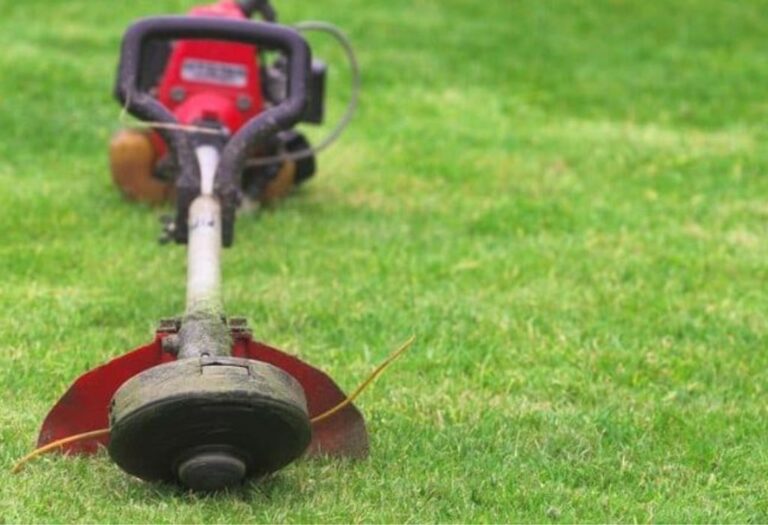
Before exploring how to start a string trimmer, let’s take a look at the machine. String trimmers, also known as weed eaters, are essential for keeping your lawn tidy. They use a rapidly spinning nylon string to cut grass and weeds in areas a lawnmower can’t reach, such as around trees, fences, and the edges of your lawn. There are different types of string trimmers, each with its own advantages. For example, some run on gasoline, while others use electricity or batteries. Understanding the different parts of your trimmer and the type you own is the initial step to mastering its use.
Types of String Trimmers
String trimmers come in various forms, each designed to meet different needs. Choosing the correct type is important for the efficiency of your work. The main categories include gas-powered, electric corded, and battery-powered trimmers. Knowing the benefits of each type will assist you in making the best choice based on the size of your yard and your preferences.
-
- Gas-Powered Trimmers: These trimmers are known for their power and are suitable for larger yards or tackling thick weeds. They are mobile because they are not tethered to a power source. However, they require gas and oil, and they need regular maintenance like spark plug replacement. Gas trimmers also tend to be louder and produce emissions.
Gas-powered string trimmers provide exceptional power for tougher jobs. They have higher engine displacement, measured in cubic centimeters (cc), resulting in more cutting force. A typical gas trimmer might have a 25cc-35cc engine. This power allows them to cut through thick grass and weeds more effectively. Their mobility is great because you don’t need to worry about cords, which is perfect for bigger properties or areas far away from a power outlet. It’s important to understand the engine size, which affects power, and consider the weight. Gas trimmers are usually heavier than electric or battery-powered options. This can influence comfort during extended use. Be sure to mix the fuel and oil appropriately to avoid damaging the engine.
-
- Electric Corded Trimmers: Corded trimmers are lightweight and easy to use. They offer continuous power as long as they are plugged in. They don’t require fuel or batteries, which reduces the need for constant refilling or charging. Their main restriction is the length of the extension cord, which limits the area you can cover.
Electric corded trimmers are a practical choice for smaller yards or those with ready access to power outlets. These trimmers are usually lighter than gas models, making them easier to handle. Since they run on electricity, there’s no need for gas, oil, or the hassles of engine maintenance. They start with a simple push of a button. However, the use of an extension cord can limit the trimmer’s area of operation. It’s essential to use an extension cord that is rated for outdoor use and the correct gauge to ensure the trimmer receives enough power and stays safe. A corded trimmer usually requires less maintenance and are much more environmentally friendly compared to gas-powered trimmers. The power rating for these trimmers is often expressed in amps (A), ranging from 4A to 8A or higher, depending on the model and power. It’s smart to compare the amp ratings when picking a trimmer to ensure it meets your cutting needs.
-
- Battery-Powered Trimmers: Battery-powered trimmers are becoming increasingly popular. They provide freedom of movement similar to gas trimmers, but they are quieter and produce zero emissions. The battery life determines how long you can trim. They often require less maintenance than gas models. You will need to charge the battery after each use.
Battery-powered string trimmers merge the best aspects of gas and electric trimmers, offering a convenient balance of mobility and ease of use. They’re typically less noisy and cleaner. They avoid the cords of electric trimmers and the need for gas and oil. Battery runtimes vary, often ranging from 20 to 60 minutes, depending on the battery capacity and the trimmer’s power. Lithium-ion batteries are the most common, known for their ability to hold a charge and provide consistent power. The voltage of the battery, often 18V, 20V, or higher, influences the trimmer’s cutting strength. Having extra batteries on hand is a great move for larger yards, allowing you to swap batteries and keep working. Battery-powered models are ideal for homeowners seeking a user-friendly and eco-conscious option. They usually require less maintenance, involving simple tasks such as cleaning and blade changes.
Key Components and Their Functions
Knowing the parts of your string trimmer will make it much easier to start and maintain. Different components play different roles, from starting the engine to cutting the grass. Familiarize yourself with the main elements of your trimmer to use it safely and efficiently. If you understand these parts, you will become more confident in your ability to handle any potential issues that may arise.
-
- Engine/Motor: The engine, in gas trimmers, or the motor, in electric and battery-powered models, is the heart of the machine. It provides the power needed to spin the cutting string. The engine’s size or the motor’s power output directly affects how well the trimmer works, especially in tougher conditions.
The engine or motor, depending on the type of trimmer, is what makes the cutting string spin at high speeds. Gas-powered trimmers have engines that run on a mix of fuel and oil. These engines are rated by their displacement, usually measured in cubic centimeters (cc). This rating directly indicates the engine’s capacity and the power it can deliver. For electric and battery-powered trimmers, the motor runs on electricity or battery power, with the motor’s power rated in amps (A) or volts (V). A higher amperage or voltage typically means more power and the ability to cut through thicker grass or weeds. Regular maintenance, such as changing the spark plug in a gas engine or ensuring the electric motor is clean, is essential for optimal performance and longer life.
-
- Cutting Head: The cutting head holds the spool of nylon string. As the trimmer operates, the string spins rapidly, allowing it to cut through grass and weeds. The design of the cutting head can vary, but its main job is to dispense the string as needed.
The cutting head is where the magic happens. It’s the part that houses the spool of nylon string. When the trimmer runs, the cutting head spins the string at a very high speed, allowing it to chop the grass and weeds. Different models have unique cutting head designs, such as bump-feed or automatic feed. The bump-feed heads require you to tap them on the ground to release more string, while automatic feed heads release the string automatically. The type of string used, its thickness, and the shape of the cutting head significantly influence the trimmer’s cutting performance. Regular inspection and maintenance of the cutting head are vital to avoid string jams and ensure efficient cutting.
-
- Throttle/Power Switch: The throttle controls the engine speed in gas trimmers. In electric and battery-powered models, the power switch turns the trimmer on and off.
The throttle and power switch are the control centers of your string trimmer. The throttle, found on gas models, determines how fast the engine runs, affecting the speed of the cutting string and, consequently, the cutting power. The power switch in electric and battery-powered trimmers simply turns the machine on or off. The throttle offers you greater control over the trimmer’s speed, allowing you to adjust according to the job. The power switch in an electric or battery trimmer offers simplicity, ensuring the device can be easily turned on or off. Learning how to control these switches effectively is vital for handling your trimmer, ensuring safety and efficiency during operation. Always ensure the trimmer is off and the string is not engaged when not actively trimming.
-
- Fuel Tank/Battery: Gas-powered trimmers have a fuel tank that holds the gasoline and oil mixture, while electric trimmers have a power cord, and battery-powered trimmers utilize a battery.
The fuel tank, for gas trimmers, and the battery, for cordless models, are the energy sources of these tools. The fuel tank must be filled with the correct mix of gasoline and oil (usually a 50:1 mix), according to the manufacturer’s specifications. Always use fresh fuel to avoid engine problems. The battery in cordless trimmers is what powers the motor. Understanding the battery’s voltage and capacity (measured in Amp-hours) is key to knowing how long you can trim before it needs recharging. Make sure that the fuel tank or battery are correctly attached and in good condition before starting the trimmer.
The Step-by-Step Guide on How to Start a String Trimmer

Now that you know the parts and types, let’s explore how to start a string trimmer. This involves several steps, from prepping the machine to starting the engine or turning on the power. We’ll go over the steps for gas-powered, electric, and battery-powered models to get you cutting grass and weeds efficiently. Following this will help you become a pro and keep your yard looking great.
Starting a Gas-Powered String Trimmer
Starting a gas-powered string trimmer involves a more detailed procedure due to the engine. The engine needs a combination of fuel, air, and spark to run, so following these steps accurately is essential. Each step has a specific purpose that must be performed correctly for the trimmer to start effectively. Paying attention to detail will ensure your string trimmer starts smoothly and runs efficiently.
-
- Prepare the Trimmer: Before you start, place the trimmer on a flat surface. Make sure the area is clear of debris. Then, check the fuel and oil levels and make sure there are no leaks.
Before beginning the startup procedure, it’s best to get everything ready. Place the string trimmer on a firm and level surface to prevent it from tipping over during the startup phase. Check the fuel tank and make sure it has the proper fuel mixture. Inspect the oil levels and make sure the oil level is correct. It is also a good practice to check for any apparent damage or leaks. Doing this initial prep work ensures that the trimmer is ready to start and operate safely.
-
- Prime the Engine: Locate the primer bulb (usually a small, clear bulb). Press the primer bulb several times (typically 3–5 times) to pump fuel into the carburetor.
The primer bulb’s role is critical in helping cold engines start faster. The primer bulb delivers a small amount of fuel directly into the carburetor. Pressing the bulb several times floods the carburetor with fuel, which helps the engine start quicker. However, it’s essential not to over-prime the engine because too much fuel can flood the engine, making it harder to start. Generally, a few presses of the primer bulb are enough, but the number can vary slightly based on the trimmer’s model and the temperature.
-
- Set the Choke: Move the choke lever to the “start” or “choke” position. The choke restricts air intake, which enriches the fuel-air mixture for cold starts.
The choke lever is key when starting a cold gas engine. The choke restricts the amount of air entering the carburetor, which makes the fuel mixture richer. This richer mixture is needed because cold engines often struggle to vaporize fuel effectively. The choke lever is marked with positions such as “Choke” or a symbol, and it must be set correctly. Once the engine warms up, the choke must be opened or moved to the “run” position to ensure the engine operates correctly. Ignoring this step can lead to starting problems or poor engine performance.
-
- Pull the Starter Cord: Hold the trimmer firmly and pull the starter cord with a smooth, firm motion. Don’t yank the cord; pull it out until you feel resistance, then pull it all the way. Repeat this process until the engine starts.
Pulling the starter cord is the method to start the engine. Place the trimmer on a flat surface and hold it firmly. Slowly pull the cord out until you feel some resistance. Then, give it a firm, quick pull. The goal is to start the engine, and you may need to repeat this procedure several times. If the engine doesn’t start right away, recheck the choke, the primer, and the fuel levels. Avoid pulling the cord all the way out; instead, maintain a smooth, controlled pull. It is essential not to let the cord snap back suddenly to avoid damaging the starter mechanism.
-
- Let the Engine Warm Up: Once the engine starts, let it run for a few seconds to warm up. Then, move the choke lever to the “run” position.
After the engine starts, let it run for a few seconds. Allow the engine to warm up before moving the choke lever. Warming up helps the engine run smoothly. Once the engine is warm, change the choke setting to “run” to ensure optimal performance. Running the engine at a high speed too soon could cause the engine to stall. This is especially true when it’s cold outside.
Starting an Electric String Trimmer
Starting an electric string trimmer is a simple procedure, perfect for beginners. The process involves minimal steps since you are simply connecting to a power source and turning the trimmer on. The advantage is that you don’t need to worry about fuel, oil, or pulling a cord. However, you’ll need a reliable power outlet and an appropriate extension cord.
-
- Check the Power Cord: Make sure the power cord is in good condition, with no damage or frays. Use a heavy-duty extension cord made for outdoor use.
Inspecting the power cord is very important for safety and the function of your electric string trimmer. Look for any damage, cuts, or wear that could expose the wires. Use a heavy-duty, outdoor-rated extension cord of the right gauge. The cord’s gauge must be appropriate for the trimmer’s power requirements to provide sufficient current. It prevents overheating and ensures the trimmer runs safely. If you notice any damage, do not use the cord. It is necessary to replace it immediately to prevent electrical hazards. Using the right cord is essential for both your safety and the trimmer’s performance.
-
- Plug In the Trimmer: Connect the trimmer’s power cord to the extension cord. Plug the extension cord into a working outdoor electrical outlet.
Connecting the power cord to both the extension cord and an electrical outlet is a straightforward step, but it must be done carefully to ensure your safety. Make sure that the connections are secure and that the extension cord is plugged into a functional outdoor outlet. The outlet should be protected from moisture and the elements. You should use a Ground Fault Circuit Interrupter (GFCI) outlet to reduce the risk of electric shock. After plugging the cord in, make sure it is out of the way to prevent accidental tripping.
-
- Turn On the Trimmer: Locate the power switch on the trimmer and press it to turn the trimmer on. Some trimmers may have a safety button that you have to press before turning on the power switch.
Once the power cord is correctly plugged in, locate the power switch, which is typically found on the handle of the trimmer. Press the switch to turn the trimmer on. Some models may need you to press a safety button before you can activate the main power switch. Always be mindful of the spinning cutting string before turning on the trimmer. After you have switched the trimmer on, it should begin to run, and the cutting string should start to spin at a high speed. If the trimmer doesn’t start, recheck the connections or consult the owner’s manual.
Starting a Battery-Powered String Trimmer
Starting a battery-powered string trimmer offers convenience and simplicity. These trimmers typically start quickly with the press of a button, but it is necessary to charge the battery before use. Make sure the battery is charged and that all parts are correctly assembled before you begin.
-
- Charge the Battery: If it’s a new battery or if the trimmer hasn’t been used in a while, charge the battery fully before using the trimmer.
Charging the battery before the first use and between uses is essential for the best function of your battery-powered trimmer. For new batteries or those that have not been used for a while, it’s best to charge them fully according to the manufacturer’s instructions. This will maximize its capacity and ensure the trimmer runs for the duration it is designed for. Use the battery charger designed for your trimmer and follow the charging guidelines, which may be different based on the battery type (e.g., lithium-ion). Fully charging the battery will ensure you get maximum run time when trimming, preventing interruptions.
-
- Insert the Battery: Make sure the battery is correctly inserted into the trimmer. You should hear a click or feel the battery lock in place.
Inserting the battery into the string trimmer is a critical step, so make sure it is placed properly. Most battery-powered trimmers have a designated slot or compartment for the battery. Push the battery into the compartment until you hear a click, indicating it has locked into place. Make sure the battery is correctly positioned to avoid problems during operation. A securely attached battery will make sure that the trimmer gets power and runs effectively. Always consult the owner’s manual for precise instructions.
-
- Turn On the Trimmer: Locate the power switch and turn it on. Some trimmers may have a safety switch that must be pressed first. The trimmer should start immediately.
The final step in starting your battery-powered string trimmer involves turning it on, which is usually done by pushing a button. The power switch is typically on the trimmer’s handle. Some trimmers are equipped with a safety switch that must be pressed before you can turn on the power switch. After pressing the power switch, the trimmer should start immediately, and the string should begin spinning. If the trimmer doesn’t start, recheck that the battery is correctly inserted and charged. If problems persist, consult the owner’s manual for troubleshooting tips.
Safety First: Important String Trimmer Safety Tips
Your safety is very important when operating a string trimmer. Always use the right protective gear and follow the necessary safety guidelines. When handled carefully, the trimmer will not only help you maintain your yard but will also lower the possibility of injury. Safety should always be your top priority.
-
- Wear Protective Gear: Always wear safety glasses or goggles, sturdy shoes, long pants, and gloves to protect yourself from flying debris.
Wearing protective gear is essential for the safe use of any string trimmer. Safety glasses or goggles are needed to protect your eyes from flying debris such as rocks, dirt, and pieces of cut grass. Sturdy shoes are needed to protect your feet. Long pants offer additional protection against cuts and scrapes, while gloves protect your hands. This equipment decreases the risk of injuries. Having the right protective equipment will let you concentrate on the task at hand. Check your gear before each use to make sure it is intact.
-
- Clear the Area: Before you start, remove any objects that could be thrown by the trimmer, like rocks, toys, or loose items.
Clearing the area around your work zone is vital before operating a string trimmer. Remove any items that could become projectiles as the trimmer operates. This includes rocks, sticks, toys, or anything else that could be picked up and thrown by the spinning string. Make sure that the ground is clear to stop things from flying and potentially causing harm to people or property. Take the time to clear the area, which can greatly reduce the risks involved in using the trimmer.
-
- Keep a Safe Distance: Keep other people and pets away from the work area. Maintain a safe distance, usually about 15 feet.
Maintaining a safe distance between the trimmer and other people and pets is another very important safety practice. Always keep others away from the operating zone. Advise everyone to remain at a distance, typically about 15 feet, to avoid harm from flying debris or accidental contact with the cutting string. The extra space offers an extra layer of safety. Remind children and pets to stay away, as they may not understand the risks involved. This simple step can greatly reduce the likelihood of accidents.
-
- Use the Right Technique: Hold the trimmer firmly with both hands, using a sweeping motion. Do not force the trimmer into thick vegetation.
Using the proper technique can improve your efficiency and safety when trimming. Hold the trimmer firmly with both hands, gripping the handles to maintain good control. Use a sweeping motion to cut grass and weeds, moving from side to side. Avoid forcing the trimmer into thick vegetation, as this may stall the engine or strain the motor, and potentially break the string. Cutting the grass in light, slow passes keeps the trimmer working effectively. Always be mindful of the cutting string and how it moves to prevent accidents. Practicing the proper technique will reduce the possibility of injury and enable you to work more comfortably.
-
- Turn Off the Trimmer Before Maintenance: Always turn off the trimmer and disconnect the power source (for electric trimmers) or remove the spark plug wire (for gas trimmers) before any maintenance.
It is important to turn off the string trimmer before any maintenance or adjustments. For electric trimmers, unplug the power cord from the outlet. With gas trimmers, disconnect the spark plug wire to prevent the engine from starting accidentally. Before doing any maintenance, make sure the trimmer is not connected to a power source and that the engine can’t start. This is a crucial safety step that protects you from serious injuries. Always turn off the trimmer and ensure the power source is disconnected to guarantee that you are safe to work on the machine.
Troubleshooting Common Starting Issues
Sometimes, your string trimmer may not start immediately. Do not become frustrated! Several easy solutions can typically solve these issues. Many issues can be resolved with a little troubleshooting. This section helps you explore what might be happening with your trimmer and how to get it working again.
-
- Gas Trimmer Won’t Start: If a gas trimmer won’t start, check the fuel level, make sure the choke is set correctly, and check the spark plug.
When a gas trimmer won’t start, checking the fuel levels is a good first step. Make sure that the fuel tank has the correct fuel mixture. Check that the choke is set in the starting position for cold starts. If these things look good, test the spark plug. Remove the spark plug and see if it is wet. If the plug is wet, the engine might be flooded, and you should let it dry out. The next step is to check the spark plug. If the plug is worn or damaged, replace it. Following these steps can often resolve starting issues, letting you use your trimmer again.
-
- Electric Trimmer Won’t Start: Check that the trimmer is plugged in correctly, and that the extension cord is undamaged. Make sure the power switch is turned on.
If an electric trimmer won’t start, first check your electrical connection. Make sure the trimmer’s power cord is firmly connected to the extension cord, and that the extension cord is plugged into a working outdoor outlet. Check to ensure the power cord and extension cord are not damaged. Check the power switch to be sure it is turned on. Verify the circuit breaker hasn’t tripped. If everything appears to be in order, but the trimmer still won’t start, there might be an internal problem. Consulting the owner’s manual or getting professional help may be necessary.
-
- Battery-Powered Trimmer Won’t Start: Make sure the battery is charged and correctly inserted. Try cleaning the battery contacts and reinserting the battery.
If a battery-powered trimmer fails to start, begin by checking the battery charge. Check that the battery is fully charged. Next, remove the battery and check the battery contacts and the contacts within the trimmer for any corrosion or debris. Clean the contacts to make sure they can connect correctly. Then, reinsert the battery securely into the trimmer. The battery must lock into place. If the trimmer still doesn’t start, look for any damage to the battery or the trimmer. Check the owner’s manual for other troubleshooting steps or consult a repair professional.
Maintaining Your String Trimmer for Optimal Performance
Regular maintenance will keep your string trimmer working well and extend its life. Following these maintenance practices will make sure your trimmer cuts your lawn effectively and stays reliable over time. Maintenance reduces the need for repairs and ensures your tool is always ready to go when you need it.
-
- Clean the Trimmer After Each Use: Remove grass and debris from the cutting head and around the engine/motor.
Cleaning your trimmer after each use is a simple but essential maintenance practice. Remove any grass clippings, dirt, and other debris from the cutting head and around the engine or motor. You can use a brush or a cloth to clean these parts. Preventing the buildup of debris will keep your trimmer running efficiently and stop the cutting head from becoming blocked. A clean trimmer is a healthier trimmer. It also prevents the spread of grass diseases. Doing this after each use will maintain your tool and help it last for a longer time.
-
- Check and Replace the String: Monitor the string and replace it when it breaks or becomes worn.
Inspecting and replacing the string as needed is crucial for your trimmer’s effectiveness. Regularly check the string for wear and tear, and replace it when it breaks or becomes too worn. The string wears down fast when used regularly. Replace the string according to the manufacturer’s recommendations, and ensure you use the correct string type and diameter for your trimmer model. Replacing the string keeps your trimmer cutting efficiently and stops it from damaging the cutting head. Keep extra string on hand so you can replace it when needed.
-
- Inspect and Clean the Air Filter (Gas Trimmers): Clean or replace the air filter regularly to keep the engine running smoothly.
If you have a gas trimmer, you should regularly inspect and clean the air filter. The air filter keeps dust and debris from getting into the engine. Clean the filter often, more frequently if you are working in dusty conditions. Follow the manufacturer’s advice, which may include tapping the filter to remove dust or washing it. It’s often necessary to replace the air filter, typically once a year, or as needed. Keeping the air filter clean will make sure your engine gets the right amount of air, enabling it to operate smoothly and efficiently.
-
- Check and Maintain the Spark Plug (Gas Trimmers): Replace the spark plug as needed to ensure reliable starting and performance.
The spark plug in a gas trimmer needs regular maintenance to ensure the engine starts quickly and runs properly. Check the spark plug frequently for wear, corrosion, or damage. Clean the spark plug, and replace it according to the manufacturer’s advice. A good spark plug guarantees that the engine will start quickly. Always use the right spark plug type for your engine to ensure optimal performance. This simple maintenance step has a big impact on the engine’s performance and reliability.
Frequently Asked Questions
Question: Why won’t my gas trimmer start?
Answer: Common causes include low fuel, a flooded engine, a dirty spark plug, or a clogged fuel filter. Check the fuel level, the spark plug, and the choke setting.
Question: How do I load string into my string trimmer?
Answer: The method varies by model. Consult the owner’s manual for specific instructions, but generally, you’ll open the spool compartment, feed the string through, and then wind it onto the spool, following the direction arrows.
Question: How can I tell if my string trimmer is electric or gas?
Answer: Electric trimmers have a power cord or a battery. Gas trimmers usually have a small engine, a fuel tank, and require a mixture of gas and oil.
Question: What type of safety gear should I wear when using a string trimmer?
Answer: Wear safety glasses or goggles, sturdy shoes, long pants, and gloves to protect against flying debris and potential injuries.
Question: How do I know when to replace the string on my trimmer?
Answer: Replace the string when it breaks, frays excessively, or when the cutting performance decreases. Keeping extra string on hand will ensure that your trimmer is always ready to use.
Final Thoughts
Understanding how to start a string trimmer is the starting point for effective yard maintenance. We have explored the different types of trimmers, from gas to electric to battery-powered, and the detailed steps involved in starting each one. We also examined important safety measures and troubleshooting advice to handle common problems. This guide provides you with the basic information you need to operate a string trimmer. Now that you have explored the details, you should feel more confident to keep your yard looking great. Remember to always prioritize safety and take the time to maintain your equipment. Start trimming, enjoy the outdoors, and watch your yard transform into a well-kept outdoor space!