How to Use a String Trimmer: A Beginner’s Simple Guide
Figuring out how to use a string trimmer can seem tricky at first. It might look like a complicated machine, but don’t worry! Many people find this tool a bit confusing when they first start. However, using a string trimmer is actually quite simple. This guide will take you step-by-step through the process, making it easy for you to keep your yard looking neat. Let’s explore everything you need to know to get started.
Key Takeaways
- You will learn about string trimmer safety measures for safe use.
- You’ll discover how to get your trimmer ready to use.
- You’ll explore the basics of actually using the trimmer to cut grass.
- You’ll understand how to maintain your string trimmer for longevity.
- You’ll become aware of the different types of string trimmers.
- You will find common problems and solutions for string trimmers.
Safety First: Preparing to Trim
Before you even think about starting your string trimmer, safety is the most important thing. It’s really important to keep yourself safe. The blades spin fast and can cause harm if you aren’t careful. Always read the safety instructions that came with your string trimmer before you start. These instructions tell you important things you need to do to keep safe. Let’s explore some key safety tips. Remember, safety should always come first.
Protective Gear Essentials
Before beginning, you’ll need the right gear. This helps to protect you from flying debris, like small rocks or pieces of grass. Protecting your eyes, ears, and body is very important. Always wear eye protection. This could be safety glasses or goggles. Wear hearing protection like earplugs or earmuffs to keep loud noises away from your ears. Protect your legs and feet. Closed-toe shoes are a must, and long pants are a good idea. Also, gloves will help protect your hands from scrapes and blisters. Having the right gear makes the job safer and much more enjoyable.
-
- Eye Protection: Always wear safety glasses or goggles to prevent debris from getting into your eyes.
Flying objects can cause serious eye injuries. Using protective eyewear helps to ensure you stay safe while trimming. Many trimmers can throw bits of grass, dirt, and small objects like pebbles. Eye protection creates a barrier to keep these things from causing harm.
-
- Hearing Protection: Use earplugs or earmuffs to protect your hearing from the loud noise of the trimmer.
String trimmers produce a lot of noise. Prolonged exposure can damage your hearing. Hearing protection helps to reduce the sound level. Protecting your hearing means you can continue to enjoy yard work. This allows you to work for longer periods without risk to your hearing.
-
- Sturdy Footwear: Wear closed-toe shoes to protect your feet.
Footwear protects your feet from any sharp objects or impacts. Closed-toe shoes also give you better grip, helping you to keep your balance. Work boots or sturdy sneakers can be great choices. The right footwear will increase your safety and comfort as you work.
-
- Gloves: Protect your hands with gloves.
Gloves protect your hands from blisters, cuts, and vibrations. Gloves help to give you a better grip. They also make the task much more comfortable and allow you to work longer. They create an important layer of protection.
Check Your Trimming Area
Before starting your trimmer, you need to clear the area where you’ll be working. You’ll want to remove anything that could get in the way of the trimmer. This means taking out things like rocks, sticks, and toys. It’s also a good idea to keep children and pets away from the area while you’re working. This helps to prevent accidents and keeps everyone safe. Taking this step will also help your trimmer work properly and make the job easier.
-
- Clear Debris: Remove stones, sticks, and other objects from the area you plan to trim.
These items can be thrown by the trimmer, becoming dangerous projectiles. Clearing debris protects you and prevents damage to the trimmer. This practice will make the job safer and easier.
-
- Check for Obstacles: Be sure to keep the area clear of things like sprinkler heads or garden decorations.
Knowing your yard’s layout will prevent damage to these items. It will also help you work more efficiently and safely. Being aware of potential obstacles will prevent costly repairs.
-
- Keep People and Pets Away: Make sure people and animals stay a safe distance from the trimming area.
This prevents accidental injuries and distractions. Safety is key when using any power tool. Having a safe perimeter will keep everyone safe. Keeping a safe distance helps to prevent injuries.
Fueling and Battery Safety
If your string trimmer uses gas, be careful when you’re adding fuel. Always do this outdoors, and never when the engine is hot. Gas fumes can be dangerous. For electric trimmers, make sure the cord is in good condition and not frayed. When using a battery-powered trimmer, check the battery level before you start. Make sure the battery is correctly installed. Take these precautions. This will help to make sure your trimmer is safe to use and that you don’t run into problems during your work. Safety first!
-
- Gas Trimmers: Fill the gas tank outdoors, away from any sparks or flames.
Gasoline is flammable, and these actions reduce the risk of fire. It’s important to prevent accidents by taking extra safety measures. Always use the right type of fuel for your trimmer. Make sure the cap is tight after fueling.
-
- Electric Trimmers: Check the power cord for damage before plugging it in.
Damaged cords can cause electrical shocks. A quick check can prevent accidents. Make sure your hands are dry when you handle the cord or the trimmer. Look for any cuts or exposed wires. Replace damaged cords immediately.
-
- Battery-Powered Trimmers: Ensure the battery is fully charged and securely installed.
A charged battery will provide maximum runtime. Proper installation ensures the trimmer operates efficiently. Check the battery’s condition before each use. This will keep you working efficiently with no interruption. Keep in mind the battery type required.
Getting Started: Assembling and Priming Your Trimmer

Once you’ve taken care of safety, you need to get your trimmer ready to go. The first step is to assemble the trimmer if it’s not already put together. It will often require some assembly right out of the box. Next, you need to prepare the trimmer for use. This involves checking the string and making sure everything is in place. If it’s a gas-powered trimmer, you will need to prime the engine. For battery-powered or electric trimmers, make sure the battery is charged and installed. Let’s explore these steps one by one to make sure you’re ready to get to work.
Assembly Steps
If you’re using a new string trimmer, assembly might be the first thing you need to do. Most trimmers come with simple instructions. They often require you to attach the handle, the guard, and possibly the string spool. If you have the manual, look over the instructions. Even if you’ve used a trimmer before, take a quick peek to make sure you remember everything. Having everything assembled correctly makes your job much easier. If you’re having trouble, don’t be afraid to consult the manual or watch a video online.
-
- Read the Manual: Familiarize yourself with the parts and assembly instructions.
Your trimmer’s manual will contain specific instructions. Refer to these instructions before you begin assembling your tool. You can avoid mistakes and ensure that all parts are correctly placed. Follow the manufacturer’s recommendations for safe and effective use.
-
- Attach the Handle: Secure the handle using the provided screws or clips.
A secure handle is essential for comfortable and safe operation. Make sure the handle is firmly attached to avoid it coming loose. Check that you can easily reach the controls. This will help you to guide the trimmer. It’s very important to keep you from straining your back.
-
- Mount the Guard: Attach the safety guard over the cutting head.
The guard is designed to protect you from flying debris. Make sure the guard is properly mounted. Check that all screws or clips are in place before you start. Never operate a trimmer without its guard, as this is a safety hazard.
-
- Install the Spool: Load the string spool or replace it if needed.
This is where the trimming line is stored. Follow the directions for your specific trimmer model. Check to make sure that the string is properly loaded. Be sure to align the string correctly. Check for proper functionality during operation.
Priming the Engine (Gas-Powered)
If you’re using a gas-powered string trimmer, you need to prime the engine. Priming means pushing fuel into the engine to help it start. Locate the primer bulb, which is a small, usually clear, button on the engine. Press this bulb several times, following the instructions in your manual. When you push the primer bulb, it draws fuel into the carburetor. Too much priming can flood the engine, making it hard to start. If you’re not sure how to prime your specific trimmer, consult the manual.
-
- Locate the Primer Bulb: Find the primer bulb on your gas trimmer.
The primer bulb helps to supply fuel to the engine for starting. This bulb is usually made of soft plastic. It is usually found near the carburetor. Knowing where it is will speed up the startup process.
-
- Press the Primer Bulb: Press the primer bulb the number of times specified in the instructions.
This action draws fuel into the engine. Over-priming can flood the engine. Follow the exact instructions provided by the manufacturer. The manual will guide you on how many times to press the bulb. This will guarantee a good start.
-
- Avoid Over-Priming: Do not press the primer bulb too many times.
Too much fuel can flood the engine. If the engine won’t start, wait a few minutes before trying again. The engine should start if you follow the correct procedures. If problems persist, check the manual or seek assistance.
Battery and Cord Checks (Electric and Battery)
For electric and battery-powered trimmers, you need to make sure you have the right setup. If you’re using an electric trimmer, check the power cord for any damage. Make sure the cord is securely plugged into a working outlet. If you have a battery-powered trimmer, make sure the battery is charged. Always install the battery correctly. You can often see the battery level on a display on the trimmer or the battery itself. These steps are simple but important for a successful trimming session.
-
- Inspect the Cord (Electric): Make sure the power cord is in good condition.
Check for any cuts, frays, or damage. Damaged cords can cause electrical shock. If you find any damage, do not use the trimmer.
-
- Plug In Securely (Electric): Ensure the cord is plugged firmly into a working outlet.
Make sure the outlet is functioning. A loose connection will prevent the trimmer from operating. Check that the outlet has the correct voltage. This information is usually displayed on the trimmer. Make sure the connection is solid.
-
- Check the Battery (Battery): Ensure the battery is fully charged and correctly inserted.
A fully charged battery provides the longest runtime. Check the battery level indicator to see if it needs charging. Correct insertion is essential for the trimmer to function. Following these steps will ensure you get the maximum performance. Check the manual if you are unsure.
Trimming Techniques: How to Cut Effectively
Now that your trimmer is ready, it’s time to start trimming. This section covers the basics. Begin by holding the trimmer correctly. Next, you need to understand how to move the trimmer to get the best results. You will want to use the tip of the string to cut the grass. This helps to reduce wear and tear on the string. Finally, you will want to know how to trim around obstacles like trees. Follow these steps and you will be on your way to a nice, neat yard. Remember, practice makes perfect!
Proper Grip and Stance
Holding the trimmer correctly is very important for both your safety and the quality of your work. Start by making sure you have a firm grip on the trimmer’s handles. Keep your body balanced, and stand with your feet shoulder-width apart. This helps you to maintain good control. Keep the trimmer at a comfortable height, usually around your waist. This position allows you to guide the trimmer smoothly. You should avoid bending over or leaning too far. By maintaining a good posture, you can trim for longer without getting tired or hurting your back.
-
- Grip the Handles: Hold the trimmer firmly with both hands.
Make sure you have a secure grasp to maintain control. The grip should be firm, but not so tight that your hands become tired. Keep your grip constant. Using both hands will help you guide the trimmer. This grip will help to control the machine.
-
- Maintain a Balanced Stance: Stand with your feet shoulder-width apart.
This gives you a stable base, which helps in the safe and precise operation. Keep your feet planted firmly on the ground. This will help you to stay balanced. This stance also helps to reduce fatigue while working. This position will let you move freely.
-
- Adjust the Height: Position the trimmer at a comfortable height.
Usually, this is around your waist level. This will let you maneuver the trimmer easily. Having the correct height will prevent strain on your back. This helps ensure that the cutting head is positioned correctly. This also allows you to trim evenly.
Cutting with the String Tip
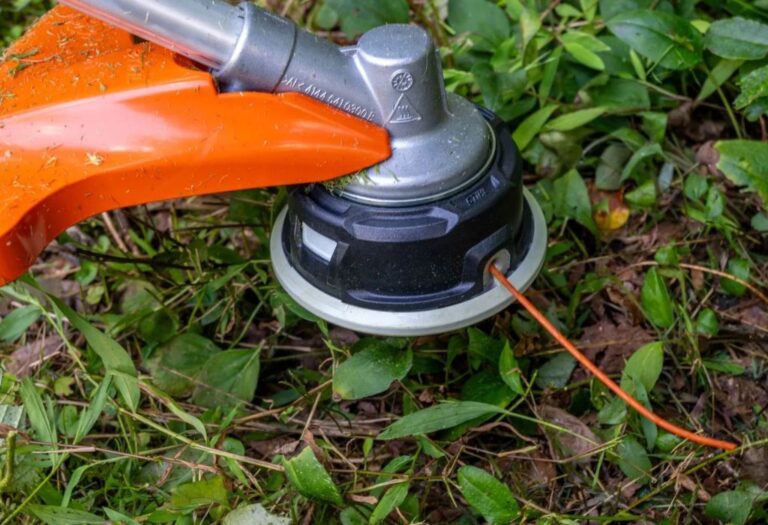
The best way to cut with a string trimmer is to use the tip of the string. The tip of the string is the part that does the actual cutting. When you trim, gently move the trimmer from side to side. Avoid pushing the trimmer too hard into the grass or ground. The string will wear out faster if you do. Trim in overlapping passes to get a clean, even cut. This technique uses the string efficiently and helps you get a good-looking finish on your yard. Remember, it’s better to make several passes than to try to cut everything at once.
-
- Use the Tip: Let the tip of the string do the cutting.
This is where the string is designed to cut. It helps reduce wear and tear. Using only the tip allows for a cleaner cut. This also helps the string to last longer. Using the tip also makes it easier to control.
-
- Side-to-Side Motion: Sweep the trimmer from side to side in a controlled arc.
This allows the string to cut evenly. It also prevents the trimmer from getting stuck. Use a smooth motion. This method ensures a consistent cut. Remember to work steadily.
-
- Overlapping Passes: Trim in overlapping passes for a clean, even cut.
This is the best way to get a neat result. The overlapping ensures that you don’t miss any spots. Work in rows or strips to cover the area. These passes help you get a consistent appearance. Overlapping also ensures that the grass is cut to the same height.
Trimming Around Obstacles
Trimming around obstacles can be a little tricky. You’ll want to take extra care when you’re working near things like trees, fences, and flower beds. When you’re near a tree, hold the trimmer away from the trunk. You want to avoid damaging the bark. Use a gentle touch to trim the grass around the base. When you’re near a fence, hold the trimmer at an angle. Then you can trim the grass without hitting the fence directly. Be careful near flower beds, too. Keep the trimmer away from any plants you want to protect. This technique will help you to maintain a tidy yard without causing harm.
-
- Trim Around Trees: Keep the trimmer away from the tree trunk.
This prevents damage to the bark. Trim the grass around the base of the tree gently. Use a light touch. This approach will protect the trees. This helps to prevent damage.
-
- Trim Near Fences: Angle the trimmer to cut grass near fences without hitting them.
This prevents the trimmer from getting caught. It helps to keep the fence intact. Use the side of the string. This action will give you a clean edge. Angle the trimmer slightly.
-
- Protect Flower Beds: Be cautious when trimming around plants and flower beds.
Hold the trimmer away from the plants you want to protect. Use a light touch. Trim carefully around any delicate plants. Do not cut any plants by accident. Do not damage your flower beds.
Maintenance Matters: Keeping Your Trimmer in Top Shape
Taking care of your string trimmer is very important. Proper maintenance helps to keep your trimmer working well. Also, it helps the trimmer to last longer. You should always clean your trimmer after each use. Remove any grass clippings and debris. Make sure to regularly check the string and replace it when needed. Gas trimmers need special care, like changing the oil and cleaning the air filter. By taking the time to maintain your trimmer, you’ll ensure that it’s ready to go whenever you need it.
Cleaning After Use
After each time you use your string trimmer, it’s important to clean it. The first step is to turn off and unplug the trimmer or remove the battery. Then, use a brush or cloth to remove grass clippings. You can also use compressed air to blow away debris from the trimmer head. Pay special attention to the cutting head area. This is where grass tends to collect. Make sure that the air vents are clear. This allows the motor to cool down properly. Regular cleaning will help to prevent the build-up of gunk. These steps are simple. They will extend the life of your trimmer.
-
- Turn Off and Unplug: Always turn off the trimmer and remove the battery or unplug it.
This is a safety precaution. This step ensures that the trimmer cannot start accidentally. Do this before you start cleaning. This also prevents electrical shock. Take the proper safety steps.
-
- Remove Debris: Use a brush or cloth to remove grass clippings and dirt.
This will prevent the build-up of gunk. Cleaning helps to prevent rust and corrosion. Debris can also interfere with the trimmer’s performance. Remove all debris after each use.
-
- Clean the Cutting Head: Pay special attention to the cutting head area.
This is where grass and debris often get stuck. Make sure the string can move freely. This will help maintain cutting efficiency. Remove any obstructions. This ensures that the trimmer is ready for the next use.
-
- Air Vents: Clear air vents to allow proper cooling.
This helps to prevent overheating and damage to the motor. Use compressed air to blow out the vents. Check the vents regularly to be sure they are clear. Proper cooling is important for the life of the machine.
String Replacement and Inspection
The string is the part of the trimmer that does the actual cutting. Over time, the string will wear down and break. That’s why you need to replace it. First, check the string before each use. If the string is worn or frayed, replace it. Many trimmers have an auto-feed feature. They will advance the string each time you start. If your trimmer doesn’t have an auto-feed, you may have to manually advance the string by tapping the trimmer head on the ground. Always make sure you use the right type and size of string for your trimmer. Having fresh string ensures that the trimmer cuts efficiently.
-
- Inspect the String: Check the string before each use for wear and tear.
Look for signs of fraying or damage. Replace the string if it looks worn. Damaged string can reduce cutting performance. A worn string can also break. Be sure to check the string.
-
- Replace When Needed: Replace the string when it becomes too short or breaks.
Follow the instructions for your specific trimmer model. String replacement is a standard part of maintenance. Make sure the trimmer is turned off and unplugged. Use the right type and size of string.
-
- Manual or Auto-Feed: Understand how your trimmer advances the string.
If your trimmer has an auto-feed feature, use it accordingly. Some trimmers require you to tap the head on the ground. Familiarize yourself with the steps of the manual. Be prepared to advance the string. Know the string feed mechanism.
-
- Use the Correct String: Make sure you use the correct string type and size.
Using the wrong type or size of string can affect the trimmer’s performance. The manual will tell you which string to use. The correct string makes all the difference. Choose the right string type.
Gas Trimmer Maintenance
If you have a gas-powered string trimmer, there are some extra things you need to do to keep it in good shape. You’ll need to change the oil regularly. You’ll also need to clean or replace the air filter. This keeps the engine running smoothly. Check the spark plug. If the engine won’t start, the spark plug could be the reason. Make sure to store your trimmer properly. Drain the fuel and store it in a dry, safe place. This type of maintenance will help your gas trimmer last a long time.
-
- Change the Oil: Change the oil regularly according to the manufacturer’s instructions.
This helps keep the engine lubricated. It also reduces wear and tear. Follow the recommended oil type. Always check the oil level before each use. Regular oil changes are key.
-
- Clean or Replace the Air Filter: Clean or replace the air filter to maintain engine performance.
A dirty air filter can restrict airflow. This causes the engine to run less efficiently. The manual will tell you how often to clean or replace the filter. Regular maintenance is key for proper airflow. Change as directed.
-
- Check the Spark Plug: Inspect the spark plug.
Make sure it is clean and properly gapped. A faulty spark plug can cause starting problems. Replace the spark plug as needed. Look for signs of wear. Check your manual. Maintain your engine.
-
- Store Properly: Drain the fuel and store the trimmer in a dry, safe place.
This prevents fuel from going bad. It also prepares the trimmer for storage. Follow the instructions for long-term storage. Store your trimmer properly for the next season. Do the proper storage procedures.
Common Problems and Solutions
Sometimes your string trimmer might not work as it should. It can be frustrating when this happens. However, many problems have easy fixes. If your trimmer won’t start, make sure it has fuel or a charged battery. Check the spark plug on a gas trimmer. If the string keeps breaking, you might be pushing the trimmer too hard. If the trimmer isn’t cutting well, it could be that the string is old or the cutting head is damaged. Let’s explore some of these common problems and find out how to fix them so you can get back to work.
Trimmer Won’t Start
One of the most common issues is that the trimmer won’t start. If you have a gas trimmer, check the fuel level. Make sure there’s enough gas. Check the spark plug, too. It might be dirty or damaged. For electric trimmers, make sure the power cord is plugged in securely. For battery-powered trimmers, check that the battery is charged. If the engine cranks but won’t fire, you may have a flooded engine. Consult your manual. Sometimes, fixing a starting problem is simple. Other times, you may need to take the trimmer to a repair shop.
-
-
- Gas Trimmers: Ensure the fuel tank is full and the choke is set correctly.
-
Empty fuel tanks will prevent the trimmer from starting. Chokes help the engine start in cooler weather. Properly setting the choke is often essential for starting the engine. You may also need to prime the engine. Always check your fuel levels.
-
-
- Spark Plug Inspection: Check the spark plug for fouling or damage.
-
A dirty or damaged spark plug will make it hard to start the trimmer. Remove the spark plug and inspect it. Clean it with a wire brush. If damaged, replace it. Replace the spark plug if needed. Spark plugs are a common issue.
-
-
- Electric Trimmers: Verify that the power cord is securely plugged in.
-
Make sure the outlet is working. A loose or faulty connection will prevent the trimmer from starting. Check the breaker to make sure the circuit is not tripped. Check the extension cord.
-
-
- Battery-Powered Trimmers: Confirm the battery is charged and properly inserted.
-
A dead battery will not start the trimmer. Check the battery level indicator. Make sure it’s fully charged. The battery will need to be inserted into the trimmer correctly. Make sure you use the right battery.
String Breaks Frequently
Another common issue is that the string keeps breaking. If the string keeps breaking, there are several things you can check. You might be pushing the trimmer too hard. Make sure that you’re using the tip of the string to cut. Also, check to see if the string is the right size and type for your trimmer. The cutting head may have damage. If the trimmer head has any sharp edges, it can cut the string. Finally, the grass itself may be very thick or tough. Sometimes, a simple adjustment can fix this problem. If the string keeps breaking, it could be a sign that something else needs to be done. Let’s fix it.
-
-
- Cutting Technique: Avoid pushing the trimmer too hard into the grass.
-
Let the tip of the string do the work. Overloading the trimmer will cause the string to break. Use a gentle, sweeping motion. Avoid forcing the string into the grass. Proper technique is key. Maintain the correct angles.
-
-
- String Type and Size: Ensure that the correct string type and size are being used.
-
Using the wrong string can cause it to break. Your manual will tell you the proper string size. The correct string type helps prevent early breakage. Be sure you have the right string.
-
-
- Cutting Head Inspection: Check the cutting head for damage or sharp edges.
-
Sharp edges on the cutting head can cut the string. Look for any damage. Replace any damaged parts. A damaged head can cause string to break. Keep it free from damage.
-
-
- Grass Conditions: If cutting very thick or tough grass, go slowly.
-
Do not force the trimmer. Thick grass puts extra stress on the string. Take your time when cutting through tough grass. Make several passes. Do not overload the trimmer.
Poor Cutting Performance
If your string trimmer isn’t cutting well, several things could be the problem. The string might be worn out. If the string is dull, it won’t cut well. You can try replacing the string. The cutting head itself might have a problem. The head may be damaged or dirty. Look for any damage or obstructions. If you have a gas trimmer, the engine might not be running at its best. If the engine is running rough, there may be other problems. Check the carburetor, air filter, and spark plug. Sometimes, just a simple fix is all it takes to get things working right again. Let’s make the most of it.
-
-
- String Condition: Replace the string if it is worn, frayed, or dull.
-
A dull string will not cut efficiently. Fresh string helps to make the job easier. Check the string before each use. Replace it if needed. Sharp string makes cutting much easier. Be sure to check it.
-
-
- Cutting Head Obstructions: Clear any grass clippings or debris from the cutting head.
-
A clogged cutting head will reduce performance. This can also cause the string to get stuck. Remove any obstructions before using. Clear away debris. Clean it out.
-
-
- Engine Performance (Gas): Check the engine if you have a gas trimmer.
-
Make sure it runs smoothly. Check the air filter, spark plug, and carburetor. These parts ensure that the engine operates efficiently. Maintaining these parts can improve cutting performance. These are the main culprits.
-
-
- Cutting Height: Adjust the cutting height.
-
Make sure you’re getting the right cut. Set the cutting height as needed. Make the correct height adjustments. Try cutting at different heights. Adjust the height as needed.
Frequently Asked Questions
Question: How often should I replace the string?
Answer: Replace the string when it becomes frayed, worn, or breaks during use. This usually means after every use. The frequency depends on how often you use your trimmer and the type of grass you are cutting.
Question: What type of string should I use?
Answer: The type of string depends on your trimmer. The manual will tell you which string type and size to use. Using the correct string ensures better cutting performance and reduces the chance of problems.
Question: How do I store my string trimmer?
Answer: For electric trimmers, unplug the trimmer. For battery trimmers, remove the battery. For gas trimmers, drain the fuel, clean the trimmer, and store it in a dry, safe place. Following these steps helps prolong the life of your trimmer.
Question: Can I use a string trimmer on wet grass?
Answer: It’s best to avoid trimming wet grass. Wet grass can clump and clog the trimmer. It can also make it difficult to get a clean cut. Try to wait until the grass is dry.
Question: My trimmer isn’t cutting evenly. What can I do?
Answer: Make sure your string is new and the correct type. Check that the cutting head is free from obstructions. Check that you are using the tip of the string. Also, check that the cutting head is level.
Final Thoughts
Learning how to use a string trimmer is a useful skill. Once you know the basics, the task becomes much easier. Remember to prioritize safety first. Make sure you have the right protective gear, and that you clear the area before you begin. Next, assemble your trimmer and get it ready. This includes assembling the parts and priming the engine, as needed. Make sure you use the tip of the string, and go slow with overlapping passes. Always take care of your trimmer. Regular cleaning and maintenance make the tool last longer. Also, remember to handle any problems that come up. With practice and proper care, your yard will look great! Start today and enjoy your freshly trimmed lawn!