Why Aerate Lawn? Benefits and Simple Steps to a Greener Yard
Figuring out why aerate lawn can be tricky when you’re starting with lawn care. It’s a common question, and many beginners feel overwhelmed by the thought of it. Don’t worry, it’s simpler than you might think! This guide will break down the “why” and show you how to do it. We’ll explore the main reasons behind aeration, and then give you a simple, step-by-step guide to get you started. Ready to make your lawn the envy of the neighborhood?
What Is Lawn Aeration and Its Purpose?
Lawn aeration is like giving your lawn a breath of fresh air. It involves creating small holes in the soil, allowing air, water, and nutrients to reach the grass roots more easily. This helps the grass grow stronger and healthier. Think of it as opening up pathways to feed your lawn from the inside out. Over time, soil can become compacted, especially in areas with heavy foot traffic or clay-rich soil. Compaction squeezes the life out of your lawn by preventing essential resources from reaching the roots. Aeration fights compaction.
Benefits of Aeration for a Healthier Lawn
Aeration does much more than just let in air. It’s about providing the best environment for grass roots. These roots need oxygen, water, and food to thrive. Aeration assists with all of those needs. When the soil is loose, water can soak in deeper, encouraging the roots to grow down. This makes your lawn more resistant to drought. Moreover, aerating your lawn provides a place for beneficial microorganisms to flourish.
-
- Improved Air Circulation: Aeration creates space for oxygen to circulate around the roots. Oxygen is essential for root health and the overall vitality of your lawn. This helps your grass breathe better.
Without sufficient oxygen, roots struggle to absorb nutrients and water. This can lead to weak, unhealthy grass that is more susceptible to disease and pests. Aeration ensures that the roots have all the air they need to thrive. Imagine breathing freely versus being suffocated.
-
- Enhanced Water Absorption: Aeration helps water penetrate the soil more effectively, reaching the roots where it’s needed. This improves water usage efficiency. It also helps to prevent water runoff.
Compacted soil can cause water to run off the surface, meaning the grass roots don’t get what they need. Aeration creates channels for water to go down. This reduces water waste and helps your lawn stay hydrated, even during dry periods. Think of a sponge that soaks up water better when it’s not packed tightly.
-
- Better Nutrient Uptake: By loosening the soil, aeration makes it easier for the roots to absorb nutrients from fertilizer and other soil amendments. Nutrients are essential for grass growth and a lush lawn.
If the soil is compacted, nutrients from fertilizers can’t reach the roots effectively, leading to wasted resources and a less vibrant lawn. Aeration opens up pathways for these essential nutrients. This supports stronger, more resilient grass growth.
Types of Lawn Aeration Tools
Choosing the right tool is important. There are several tools you can use, each with its own pros and cons. The best option for you depends on your lawn’s size, soil type, and the level of compaction. Choosing the correct tool will determine the success of the project. There are tools that are manual or use power.
-
- Core Aerators: These machines remove small plugs of soil from the lawn, creating holes and leaving the plugs on the surface. They are the most effective method for relieving compaction, especially in clay soils.
Core aeration helps loosen the soil deeply, allowing air, water, and nutrients to reach the roots of the grass. The soil plugs left on the surface break down over time, returning valuable organic matter to the lawn. It is like giving your lawn a good deep massage.
-
- Spike Aerators: These tools poke holes in the soil without removing any soil. They are less effective than core aerators, but they can still improve air circulation and water penetration. They are often a good option for less compacted lawns.
Spike aeration is easier to use than core aeration. Spike aerators can be more damaging if you use them on compacted soils. They are best for lawns that need a little bit of help, not a complete overhaul.
-
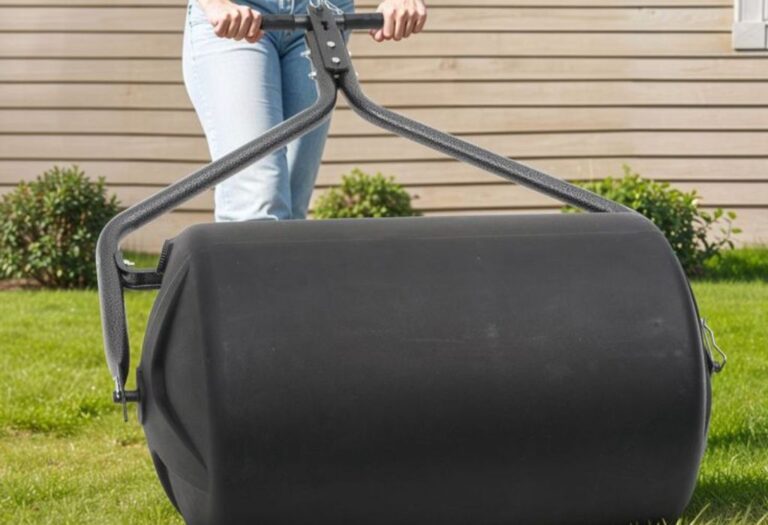
- Manual Aeration Tools: These include aerator shoes, hand aerators, and rolling aerators. They are ideal for small lawns or spot-treating areas with high compaction. Manual tools are labor-intensive, but can do the job.
Manual tools can be an affordable option. Manual tools take more effort, but they can still provide positive results. Aerator shoes are easy to use, while hand aerators let you target specific spots. Rolling aerators make it easy to cover the ground.
Understanding the Basics of Why Aerate Lawn

Knowing why aerate lawn helps you understand the process better. It’s all about the health of your soil and the roots. Think of your lawn as an ecosystem where everything works together. Proper soil conditions are essential for strong, healthy grass. Aerating your lawn is a proactive way to maintain those good conditions.
When Is the Best Time to Aerate Your Lawn?
Timing is important for the best results. The ideal time to aerate is when your grass is actively growing. This allows the grass to quickly fill in the holes created by the aerator, which helps heal the lawn. Also, the soil needs to be moist but not soaking wet. Wet soil is harder to aerate. Also, it might clog your equipment.
-
- Cool-Season Grasses: The best time for aeration is in the fall or early spring. This is when cool-season grasses, like Kentucky bluegrass and fescue, are most actively growing.
Aerating in the fall allows the grass to recover before winter. In spring, it helps promote new growth. This way, your lawn can take full advantage of the growing season.
-
- Warm-Season Grasses: Aerate in late spring or early summer. This aligns with their most active growth phase. They can quickly recover and fill in any areas that are affected.
Warm-season grasses like bermudagrass and zoysia are at their peak during this time. This gives the grass time to recover before the heat of summer. Aeration during the peak growth period maximizes the benefits.
-
- Avoid Aerating During the Hottest Months: Avoid aeration during the hottest parts of the summer. The stress on the grass can be too much.
If you aerate during heat, your grass might not recover as easily, and it may cause damage. Make sure the weather forecast is appropriate for aeration.
Factors Determining Aeration Frequency
How often you should aerate depends on the specific conditions of your lawn. Several factors play a role in this decision. Soil type, lawn use, and existing conditions all affect the need for aeration. Regular aeration helps to address the issues.
-
- Soil Type: Clay soils tend to compact more easily than sandy soils. Clay soils require more frequent aeration. Sandy soils may need less aeration.
Clay soils are dense and retain water, which can lead to compaction and poor drainage. Sandy soils drain well. This means there is less compaction. It’s all about what the soil needs to improve.
-
- Foot Traffic: Lawns that experience heavy foot traffic, such as those with children or pets, need more frequent aeration. Constant use compacts the soil.
Areas that are walked on often see more compaction than lawns that are not used as much. More use requires more aeration to keep the grass healthy. Constant use squishes the soil.
-
- Thatch Build-up: Excessive thatch, a layer of dead organic matter between the grass and the soil, can prevent air, water, and nutrients from reaching the roots. Aeration helps manage thatch.
Thatch buildup can hinder the health of your lawn. Aeration helps break down thatch. It also improves the overall health of your lawn.
Step-by-Step Guide: How to Aerate Your Lawn
Here’s a simple guide to aerating your lawn, even if you are a beginner. This process is straightforward, and the results can transform your lawn. By following these steps, you can aerate your lawn effectively and enjoy a greener, healthier yard. The key is to be prepared and methodical.
Preparing Your Lawn for Aeration
Preparation is key for a successful aeration. Before you start, remove any obstacles from your lawn. This ensures that the aerator can move freely. The more prepared you are, the easier and more effective the process will be. Remember to mow your lawn before aerating.
-
- Clear the Area: Remove any objects from your lawn, such as toys, garden decorations, or hoses. This prevents damage to the aerator and ensures that you can aerate the entire lawn.
A clear, unobstructed lawn is important for safe and effective operation. A clear lawn will help you focus on the task. Also, it ensures the aerator has access.
-
- Water the Lawn: Water the lawn one or two days before you plan to aerate. The soil should be moist, but not soaking wet. Moist soil makes aeration easier.
Moist soil allows the aerator tines to penetrate more easily. It also promotes better core removal if you are using a core aerator. Moist soil can help create healthier results.
-
- Mow the Lawn: Mow your lawn to its normal height. This makes the aeration process more effective, because the aerator can reach the soil.
A freshly mowed lawn allows the aerator to penetrate more efficiently. Mowing first clears the way, making the job much easier. Consider it a clean slate for aeration.
Aeration Process: Core Aeration
This is a guide for core aeration. The use of a core aerator is one of the most effective methods to combat compaction. This method removes plugs of soil and creates spaces to let air in. Proper technique ensures that you get the most benefits. Follow these steps carefully.
-
- Choose the Right Aerator: Rent or purchase a core aerator suitable for your lawn’s size. Make sure it is in good working condition.
Check the machine to ensure it is in good condition. The appropriate tool is essential. The right size will affect the process and the results.
-
- Make Multiple Passes: Make multiple passes over your lawn. Overlap each pass to ensure complete coverage. This will ensure that the entire lawn is aerated.
Multiple passes ensure uniform aeration. It also creates a dense network of holes. This gives good results across the entire lawn.
-
- Remove the Soil Cores: Leave the soil cores on the lawn surface. The cores will break down over time, returning valuable organic matter to the soil.
Do not remove the cores. Leaving them on the lawn allows nutrients to return to the soil. They will disappear over time.
Post-Aeration Care and Maintenance
After aerating, proper care can help your lawn recover quickly and thrive. Post-aeration care involves several steps, from watering to fertilizing. Following these steps helps you get the best possible results. Proper care will help boost the effects of aeration. Good care will make your lawn lush.
-
- Water Thoroughly: Water your lawn deeply after aeration. This helps the soil settle and encourages the grass roots to grow into the newly created holes.
Watering helps the lawn recover. It ensures the grass thrives. Make sure you deeply water after aeration. A thorough watering can make all the difference.
-
- Fertilize: Apply a fertilizer designed for your grass type. Aeration allows the nutrients to reach the roots more effectively, promoting faster growth and a healthier lawn.
Aeration improves the effectiveness of fertilizer. It allows the roots to absorb all nutrients. The fertilizer will help nourish the grass.
-
- Overseed: Overseeding after aeration can help fill in any bare spots and thicken your lawn. This is especially beneficial if you have thin grass or are trying to improve density.
Overseeding combines well with aeration. It helps create a lush lawn. Overseeding improves the appearance of the lawn. Combining them gets great results.
Advanced Techniques and Considerations
Taking care of your lawn goes beyond basic techniques. There are advanced methods you can use to further enhance your lawn’s health. You can use these to fix problems or deal with tough conditions. Combining these strategies with aeration will get you great results.
Addressing Specific Lawn Issues
Different issues may require different aeration approaches. Tailoring your strategy to address the specific problems in your lawn helps you find the most suitable solution. These tips will address common issues. Understanding specific issues will get you the best results.
-
- Dealing with Thatch: Thatch buildup prevents air, water, and nutrients from reaching the soil. Aeration can help manage thatch, but severe thatch problems may require additional dethatching.
Severe thatch can be a problem. Aeration combined with dethatching will get the best results. It ensures that the grass gets everything it needs.
-
- Managing Compaction: High-traffic areas and clay soils are prone to compaction. Aeration is critical to open the pathways.
Regular aeration is essential to loosen the compacted areas. These areas are prone to developing problems. Aeration can provide relief.
-
- Dealing with Poor Drainage: Compaction and clay soils can lead to poor drainage. Aeration creates pathways for water to drain and improves overall soil health.
Aeration addresses drainage problems. It helps the water go where it needs to go. Aeration improves overall soil health.
Combining Aeration with Other Lawn Care Practices
Combine aeration with other practices to maximize lawn health. Partnering aeration with other practices helps create great results. There are several ways to boost the impact of your efforts. Coordinating these practices creates optimal conditions for your lawn.
-
- Fertilizing After Aeration: Applying fertilizer after aeration allows the nutrients to penetrate the soil and reach the roots. This improves nutrient uptake.
Fertilizing after aeration provides essential nutrients to the roots. Combining aeration with fertilizing will boost results. Nutrients are crucial.
-
- Overseeding and Aeration: Overseeding directly after aeration helps fill in any bare spots. It creates a lush lawn. The combination promotes healthy grass.
Overseeding after aeration will help get you the results you want. Combining practices boosts lawn density. This is a great combination.
-
- Proper Watering Techniques: Deep, infrequent watering encourages the roots to grow downward. This makes the lawn drought-resistant. Aeration also improves water absorption.
Proper watering is critical for a healthy lawn. Aeration complements water techniques. Good practices will give the best results.
Case Studies and Real-Life Examples
Learning from real-life situations can show the actual effects of aeration. These examples will show the impacts on different lawns. The value of this work is tangible.
-
- High-Traffic Lawns: A family with children and pets found that their lawn in the backyard was constantly compacted. After aerating and overseeding, the grass grew thicker. The lawn also became more resistant to wear.
Aeration made a major difference. The lawn improved in appearance and durability. The combination of practices delivered results. The lawn thrived with the new regimen.
-
- Clay Soil Lawns: A homeowner with clay soil consistently struggled with poor drainage and standing water. Aeration improved water absorption. The lawn quickly showed improvement. The grass started to thrive.
Aeration provided an improvement. It helped the lawn survive. The homeowner found a solution. The process worked well.
According to the Turfgrass Water Conservation Alliance, aerating a lawn can improve water infiltration by up to 50%. This can significantly reduce water usage.
| Practice | Impact |
|---|---|
| Aeration Alone | Improved water and air penetration |
| Aeration and Overseeding | Increased turf density and fewer bare spots |
| Aeration and Fertilizing | Enhanced nutrient uptake |
Frequently Asked Questions
Question: How often should I aerate my lawn?
Answer: It depends on your lawn’s soil type, foot traffic, and overall health. Generally, aerating once or twice a year is a good start, especially for lawns with clay soil or high traffic.
Question: Can I aerate my lawn myself, or should I hire a professional?
Answer: You can definitely do it yourself! Aeration is often a DIY project, and renting the equipment is often an affordable option. However, if your lawn is large or if you’re not comfortable operating the equipment, hiring a professional is a great choice.
Question: What’s the difference between core aeration and spike aeration?
Answer: Core aeration removes small plugs of soil, which is the most effective method for relieving compaction. Spike aeration pokes holes in the soil without removing any soil. Core aeration is generally better for compacted lawns.
Question: Should I water my lawn after aerating?
Answer: Yes, water your lawn thoroughly after aerating. This helps the soil settle and encourages the grass roots to grow into the newly created holes.
Question: When should I avoid aerating my lawn?
Answer: Avoid aerating during the hottest parts of summer. Also, don’t aerate during drought conditions. Wait until there is proper soil moisture for best results.
Final Thoughts
So, you’ve learned about why aerate lawn and the simple steps to a greener yard. Aeration is a key part of keeping your lawn healthy, offering the roots what they need to thrive. By creating pathways in the soil, you’re helping your lawn absorb water and nutrients better. Plus, you’re helping with air circulation. Following the steps for preparing, aerating, and caring after, can make a huge difference. Don’t be afraid to try it! Get out there and give your lawn some love. You will likely see noticeable improvement and can enjoy a healthier and more beautiful lawn.