Lawn Aeration Benefits: Grow a Greener, Healthier Yard
Thinking about improving your lawn’s health can sometimes feel tricky. Many folks find the idea of lawn aeration benefits a little confusing at first. Don’t worry, you’re not alone! It’s actually a pretty simple process, and we’re here to make it even easier. This post will break down everything you need to know, step by step, so you can have a beautiful, thriving lawn. Get ready to explore how to get started!
Why Lawn Aeration Matters
Lawn aeration is like giving your lawn a breath of fresh air. Over time, soil can become compacted, meaning the tiny spaces between soil particles get squeezed together. This compaction prevents air, water, and nutrients from reaching the roots of your grass, which is like starving them. Aeration solves this problem. It involves creating small holes in your lawn, allowing these vital elements to penetrate the soil more effectively. Think of it as a massage for your lawn, loosening things up so it can grow strong and healthy. This process isn’t just about looks; it’s about the very foundation of a thriving green space.
The Problem of Soil Compaction
Soil compaction is a common issue that affects lawns of all types. It’s caused by several factors, including foot traffic, heavy machinery, and even the natural settling of soil. When soil becomes compacted, it significantly reduces the space available for air and water. This, in turn, impacts the health of grass roots. Roots need both air and water to function properly; without them, they struggle to absorb nutrients, leading to weak growth and, eventually, a thinning, unhealthy lawn. This is especially true for lawns in areas with heavy clay soil, which is naturally prone to compaction.
- Reduced Air Circulation: Compaction decreases the air pockets in the soil, which are essential for root respiration. Without enough air, roots can’t breathe, leading to poor health.
- Poor Water Penetration: Compacted soil prevents water from reaching the root zone. Instead, water tends to run off the surface, leading to dry patches and inefficient watering.
- Nutrient Deficiency: Healthy roots are needed to uptake nutrients. When the soil is compacted, roots struggle to access essential nutrients, resulting in stunted growth and a dull appearance.
- Increased Thatch Buildup: Compaction makes it harder for organic matter to break down, which can contribute to thatch buildup. Thatch is a layer of dead grass and debris that can further suffocate the lawn.
A study by the University of Maryland found that compacted soil can reduce water infiltration by up to 50%. This directly impacts the ability of grass to get the moisture it needs to flourish. Additionally, compacted soil inhibits the activity of beneficial microorganisms that help break down organic matter and release nutrients. This ultimately creates an environment where grass struggles to thrive and is more susceptible to disease and pests. This problem is particularly noticeable during dry spells, when a compacted lawn will quickly turn brown, compared to an aerated one.
Types of Aeration Methods
There are two main ways to aerate your lawn: core aeration and spike aeration. Both achieve the same goal — loosening the soil — but they do it in different ways. Core aeration is the more effective and widely recommended method. It involves using a machine that removes small plugs of soil, creating holes and providing space for air, water, and nutrients to reach the roots. Spike aeration, on the other hand, uses spikes to create holes, but it doesn’t remove any soil. This method can provide some benefit but is often less effective, especially in heavily compacted soil, because it doesn’t remove the compaction. Choosing the right method depends on the condition of your lawn and the severity of the compaction.
- Core Aeration: This is the most effective type of aeration. It involves using a machine that removes small cores or plugs of soil from the lawn.
- Spike Aeration: This method uses solid tines to create holes in the soil, but it does not remove any soil plugs.
- Water Aeration: This technique utilizes high-pressure water jets to aerate the soil. This can be less disruptive than other methods, but it’s not always as effective for heavily compacted soil.
- Manual Aeration: For smaller lawns or spot treatments, you can use manual aeration tools like aerating shoes or hand aerators.
Core aeration is generally considered superior because removing soil plugs directly alleviates compaction, allowing the soil to expand and breathe. Spike aeration, though simpler, often just pushes the soil aside, which can exacerbate compaction in some cases. The selection between these methods should be based on the degree of soil compaction and the resources available. For example, manual aeration is ideal for smaller areas, like a small front yard or a few heavily trafficked areas, while core aeration is best for a complete lawn treatment where maximum improvement is needed.
Detailed Benefits of Lawn Aeration

The benefits of lawn aeration extend far beyond just a greener appearance. It has a significant impact on various aspects of your lawn’s health and vitality. By loosening compacted soil, aeration unlocks the potential for your grass to thrive. It improves root growth, reduces thatch buildup, and enhances the overall health and resilience of your lawn. Investing in aeration can result in a thicker, healthier lawn that requires less water, fewer fertilizers, and less effort to maintain. The process also improves the lawn’s ability to resist pests and diseases, and it extends the lifespan of your turf.
Enhanced Root Development
One of the most significant lawn aeration benefits is improved root development. When the soil is aerated, the roots have more room to grow and expand. The tiny holes created during aeration provide easy pathways for the roots to penetrate deeper into the soil. This leads to a stronger, more robust root system. Stronger roots are better at absorbing water and nutrients from the soil, which are crucial for healthy grass growth. As a result, your lawn becomes more resistant to drought, disease, and wear. The improved root system is like a strong foundation, making your lawn more resilient to various environmental stressors.
- Deeper Root Growth: Aeration creates pathways that roots can follow. This leads to a root system that reaches deeper into the soil, giving it better access to water and nutrients.
- Increased Nutrient Absorption: With improved root growth, the grass can absorb more of the nutrients provided by fertilizers. This leads to healthier, greener grass.
- Improved Water Uptake: A robust root system is more efficient at absorbing water from the soil, making your lawn more drought-tolerant.
- Enhanced Resistance to Stress: Stronger roots make your lawn better equipped to handle stress from foot traffic, heat, and other environmental factors.
Studies show that a well-aerated lawn can experience a 10-15% increase in root density. This can be critical during hot summer months, when water becomes scarce. A deep, established root system allows grass to survive longer without watering. In addition to water benefits, a stronger root system also provides better access to nutrients that are in the deeper layers of soil. This means the grass will need fewer fertilizer applications over time, as it is better able to utilize the nutrients that are already present. This all translates to a healthier, more self-sufficient lawn.
Improved Water and Nutrient Absorption
As mentioned earlier, aeration significantly improves the ability of your lawn to absorb water and nutrients. This is because the process creates pathways in the soil. These pathways allow water and nutrients to reach the roots more easily. When the soil is compacted, water tends to run off the surface, and fertilizers are less effective. After aeration, water penetrates the soil more efficiently, ensuring the roots get the hydration they need. Nutrients from fertilizers also get to the roots more directly, contributing to lush, green growth. This increased efficiency in water and nutrient uptake means less water is needed, and you can achieve better results with your fertilization efforts.
- Increased Water Penetration: Aeration helps water to soak into the soil instead of running off the surface. This is particularly helpful in areas that experience heavy rainfall.
- Efficient Fertilizer Use: By improving the soil’s ability to absorb nutrients, aeration makes fertilizer more effective, allowing you to use less fertilizer and get better results.
- Reduced Water Runoff: Aeration reduces surface runoff, minimizing water waste and helping to conserve water resources.
- Enhanced Soil Biology: Aeration promotes the activity of beneficial microbes that help break down organic matter and release nutrients.
The U.S. Environmental Protection Agency (EPA) has found that compacted soil can reduce water infiltration by 50% or more. This illustrates the importance of aeration in optimizing water usage. Regarding nutrient uptake, aeration allows fertilizers to be more effectively utilized. Lawn owners often notice a substantial improvement in the appearance of their lawn after aeration, especially after fertilizing. This is due to the improved delivery of nutrients to the grass roots. This efficiency not only saves water and fertilizer but also helps protect the environment by reducing runoff and the amount of chemicals used.
Thatch Reduction and Control
Aeration also helps to manage thatch buildup in your lawn. Thatch is a layer of dead grass, stems, and roots that accumulates between the soil surface and the green blades of grass. Excessive thatch can suffocate the grass, preventing water, air, and nutrients from reaching the soil. Aeration helps break down the thatch layer by creating better conditions for the microorganisms that break down organic matter. The physical action of removing soil plugs during core aeration also helps to disrupt the thatch layer. This improves air circulation and creates space for new grass shoots to emerge. Controlling thatch is essential for maintaining a healthy and thriving lawn.
- Reduced Thatch Layer: Aeration helps to break down the thatch layer by increasing air circulation and promoting the activity of beneficial microbes.
- Improved Air Circulation: Aeration allows air to circulate more freely through the soil and the thatch layer, improving the overall health of the lawn.
- Enhanced Water and Nutrient Access: By reducing thatch, aeration enables water and nutrients to reach the soil and grass roots more efficiently.
- Prevention of Disease and Pests: Aeration, when combined with proper lawn care practices, helps to prevent disease and pest infestations.
The ideal thatch layer is less than 1/2 inch thick; anything more begins to restrict air, water, and nutrient flow. Regular aeration, along with proper mowing and fertilization, is key to keeping thatch under control. The reduction in thatch also helps the grass develop a stronger resistance to many lawn diseases. For instance, diseases like dollar spot and brown patch thrive in thatch-heavy environments. By managing thatch with aeration, you improve the lawn’s ability to resist these diseases, resulting in a healthier, more vibrant lawn.
Steps to Aerate Your Lawn Properly
Aerating your lawn may seem like a big job, but with the right steps, it’s manageable. The process mainly involves choosing the right tools, preparing your lawn, and carrying out the aeration itself. Following these steps can ensure you get the best results, creating a healthier lawn. Proper timing and technique are essential. Getting it right ensures that the benefits of the aeration are maximized. The most important thing is to be consistent and patient. The results won’t be immediate, but you will see a big difference over time.
Selecting the Right Aeration Tools
The type of tools you select for aeration depends on the size of your lawn and your budget. For smaller lawns, manual aerators are adequate. For larger areas, you might consider renting or buying a powered aerator. Understanding the different types of tools available helps to make the process easier and more efficient. Using the proper tools for the job is essential for getting the best outcome. Choosing the right tool impacts how well you accomplish the job. The correct choice provides the best results for your lawn.
- Core Aerator: This machine removes small plugs of soil, creating holes and relieving compaction. Core aerators are the most effective method, suitable for most lawns.
- Spike Aerator: This tool uses solid tines to create holes in the soil, but does not remove any soil. Spike aeration is less effective than core aeration for heavily compacted soil.
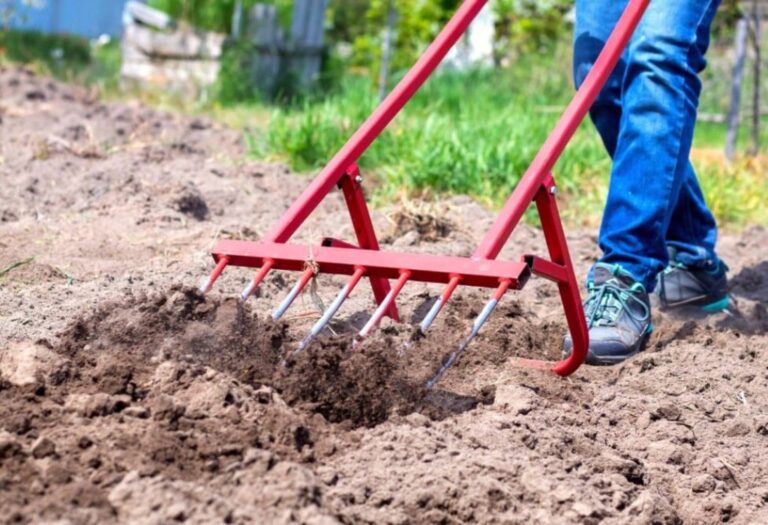
- Manual Aerator: These include aerating shoes, hand aerators, and rolling aerators. These tools are ideal for small lawns or spot treatments.
- Water Aerator: Some people choose a water aerator, which is less disruptive to the lawn but can be less effective on heavily compacted soil.
When selecting an aerator, consider the type of soil in your lawn. For example, if you have clay soil, core aeration is often the best choice, as it is the most effective at breaking up compaction. Evaluate the size of your lawn as well. Manual aerators are great for small yards, while a powered machine is necessary for large lawns to make the job easier and faster. Think about how often you plan to aerate. If you only plan to aerate once or twice a year, renting may be a better option than buying. Research different brands and models to see what works best for your needs and budget.
Preparation for Aeration
Preparing your lawn before aeration can significantly improve the results. This mainly involves mowing your lawn to a short height and watering the soil. You should also mark any sprinkler heads or underground utilities to avoid damage. Proper preparation ensures that the aeration process is effective and safe. Taking the time to prepare will help you get the most from the procedure. By readying the lawn, you reduce the effort needed during the process and boost the overall impact. This also allows the aeration tools to work efficiently.
- Mow the Lawn: Mow your lawn to a shorter height (around 1-2 inches) before aerating. This makes it easier for the aerator to penetrate the soil and allows the soil plugs to decompose more quickly.
- Water the Soil: Water the lawn thoroughly 1-2 days before aeration. This softens the soil, making it easier for the aerator to penetrate.
- Mark Obstacles: Identify and mark any sprinkler heads, underground utilities, or other obstacles to avoid damaging them during the aeration process.
- Test the Soil: Consider performing a soil test to check the pH levels and nutrient content of your soil. This will help you know the needs of your lawn.
When mowing, ensure that the lawn is evenly cut to the right height. This makes the aeration easier and ensures even penetration of the aerator. Before watering, check the weather forecast. You want the soil to be moist, but not waterlogged, on the day of the aeration. Watering helps the aerator create deeper, more effective holes. It’s especially useful in dry conditions. Marking the sprinkler heads and other underground fixtures will prevent any accidental damage. It’s a key safety precaution. Taking these steps ahead of time will help you accomplish the task with minimal issues.
The Aeration Process: Step-by-Step
Once you have selected your tools and prepared your lawn, you can begin the aeration process. The key is to run the aerator over the entire lawn, making sure to overlap passes to ensure complete coverage. After aerating, it is useful to leave the soil plugs on the lawn to break down naturally. Some people spread a topdressing of compost or fertilizer to provide added nutrients. This helps to fill the aeration holes and to improve soil health. Following these steps carefully will allow you to get the most benefit.
- Make Multiple Passes: Make several passes over your lawn with the aerator, overlapping each pass slightly. This ensures complete coverage and that all parts of your lawn are aerated.
- Remove Plugs: If using a core aerator, let the soil plugs remain on the lawn. These plugs will break down over time and add nutrients back into the soil.
- Apply Topdressing (Optional): After aeration, you can spread a thin layer of compost or topdressing over the lawn. This helps to fill the aeration holes and improve the soil.
- Fertilize (Optional): If you are planning to fertilize, the best time to do so is right after aeration, because the fertilizer will be able to reach the root zone more easily.
When making multiple passes with the aerator, focus on overlapping each pass. This ensures all areas receive the treatment. The more passes you make, the more thorough the aeration will be. If you use a core aerator, allow the soil plugs to decompose naturally. These plugs contain valuable nutrients and organic matter that help to improve the health of your lawn over time. After the process, if you decide to apply a topdressing, spread it evenly over the lawn. This step can improve the soil’s structure and improve drainage. These steps provide the best way to make the task as effective as possible.
When to Aerate Your Lawn for Best Results
Timing your lawn aeration is important for getting the best outcomes. The ideal time to aerate is typically when your grass is actively growing. This allows the grass to recover quickly and take advantage of the increased access to air, water, and nutrients. Choosing the right time of year is a key factor in how your lawn will thrive after aeration. Keep weather patterns and your specific grass type in mind when scheduling. Consider what grass type you have, as different types do best during different seasons.
Optimal Seasons for Aeration
The best time to aerate your lawn depends on your region and the type of grass you have. Cool-season grasses, like fescue and Kentucky bluegrass, should be aerated in the spring or fall. Warm-season grasses, such as Bermuda and St. Augustine, do best if aerated in late spring or early summer. Aerating during these times allows the grass to recover quickly, providing the best opportunity for a healthy, vibrant lawn. Matching the timing to your grass type and local climate is key for success.
- Cool-Season Grasses (Spring): Aerate in the spring, when the grass is actively growing and can quickly recover from the aeration process.
- Cool-Season Grasses (Fall): Aerate in the fall to prepare your lawn for the winter, helping it recover from summer stress and improving its health.
- Warm-Season Grasses (Late Spring/Early Summer): Aerate in late spring or early summer, when the grass is actively growing and the soil temperatures are warm.
- Avoid Extreme Temperatures: Avoid aerating during periods of extreme heat or drought, as this can stress the grass.
For cool-season grasses, the spring season is perfect for aeration. The grass begins active growth as temperatures rise, enabling it to recover from the aeration process quickly. In the fall, aeration helps prepare the grass for the winter by encouraging root growth and improving overall health. Aerating warm-season grasses in late spring or early summer gives them the best chance to recover before the hottest part of the summer. The soil should be warm enough at this time to encourage growth. You should also watch the weather forecast. Aeration during drought or severe heat can stress the grass. Adjust your plans according to local weather conditions.
Signs Your Lawn Needs Aeration
Several signs indicate that your lawn would benefit from aeration. If you notice standing water after rainfall, it could signal compacted soil. The soil is not draining properly. A lawn that feels spongy when you walk on it, or has bare patches, is another sign. Aeration can help by improving drainage and encouraging root growth. These signs mean that you should consider aeration. Recognizing these signs helps you make the most of this process.
- Standing Water: If water stands on your lawn for extended periods after rain, it is a sign of poor drainage due to compacted soil.
- Spongy Feeling: If your lawn feels spongy when you walk on it, this indicates compaction and the need for aeration.
- Bare Patches: Bare or thin patches of grass can be a sign of poor root growth and soil compaction.
- Excessive Thatch: A thatch layer thicker than 1/2 inch prevents air, water, and nutrients from reaching the soil, indicating the need for aeration.
The presence of standing water is one of the most visible indicators. Aeration helps to improve drainage by creating channels in the soil, allowing water to drain away more effectively. A spongy feel to your lawn indicates that the soil is not firm, a result of soil compaction. Bare patches are another clear sign. Compacted soil hinders root growth, leading to thin and uneven grass coverage. Check for excessive thatch. The presence of these signs suggests that your lawn may be struggling. Aeration will often resolve the problem.
Maintaining a Healthy Lawn After Aeration
After aerating, proper care helps maximize the benefits and keep your lawn healthy and thriving. You should focus on watering deeply, fertilizing the grass, and mowing at the proper height. This will ensure your lawn recovers quickly and uses the improved conditions created by the aeration. These simple practices help your grass grow strong and green. After aerating your lawn, these practices are key to lasting benefits.
Watering and Fertilization
Watering and fertilization are essential parts of lawn care after aeration. Deep watering helps the grass roots to grow strong and healthy. Fertilizing provides the grass with essential nutrients, boosting growth and vitality. Combined, these two practices maximize the benefits of aeration. They encourage the lawn to establish itself and thrive. Following these steps helps you enjoy a lush, green lawn.
- Water Deeply: Water your lawn deeply and less frequently to encourage deep root growth.
- Fertilize: Apply a balanced fertilizer soon after aeration to provide the grass with essential nutrients.
- Monitor Soil Moisture: Check the soil moisture regularly and adjust your watering schedule as needed.
- Choose the Right Fertilizer: Select a fertilizer specifically formulated for your grass type and soil conditions.
Deep watering is important because it encourages roots to grow deeper, making them more drought-tolerant. During the first few weeks after aeration, water the lawn more frequently, especially during dry periods. Fertilizing after aeration is useful because the aeration holes allow the nutrients to reach the root zone more easily. Select a balanced fertilizer. A soil test will help you identify any specific nutrient deficiencies. Proper watering and fertilization are key to a beautiful, thriving lawn. Together, these steps allow your grass to make the most of the newly aerated conditions.
Mowing and General Care Practices
Proper mowing is another key factor in maintaining a healthy lawn after aeration. Mowing at the right height and frequency can help to keep your grass in good shape. Regular mowing prevents the grass from getting stressed. This lets the grass make the most of the improvements from aeration. Along with these practices, general lawn care, such as removing weeds and addressing pest issues, helps maintain a healthy lawn. These efforts keep your lawn healthy and looking its best.
- Mowing Height: Maintain the correct mowing height for your grass type.
- Mowing Frequency: Mow frequently enough to remove no more than one-third of the grass blade at a time.
- Weed Control: Use herbicides to control weeds that may compete with the grass for nutrients and water.
- Pest Management: Monitor for pests and diseases, and take action to control them.
The correct mowing height for your grass type is key to its health. Taller grass blades help the grass stay hydrated. Avoid cutting off more than one-third of the grass blade at a time. This prevents stressing the grass. Proper mowing encourages the grass to grow densely. Controlling weeds is also key. Weeds compete with your grass for resources. Implement a weed control plan to keep weeds in check. Keep a watchful eye for signs of pests or diseases. Take immediate action to keep any problems under control. These general care steps help you to maximize the gains from aeration.
Frequently Asked Questions
Question: How often should I aerate my lawn?
Answer: It depends on your soil type and how much foot traffic your lawn gets, but generally, you should aerate once or twice a year. High-traffic areas might need it more frequently, like spring and fall.
Question: Can I aerate my lawn myself?
Answer: Yes, you can! For small lawns, manual aerators like aerating shoes or hand tools work fine. For larger lawns, renting or owning a machine is recommended.
Question: What’s the best time to aerate my lawn?
Answer: The best time depends on your grass type. Cool-season grasses like fescue do well in spring or fall, while warm-season grasses like Bermuda benefit from aeration in late spring or early summer.
Question: Do I need to water my lawn before aerating?
Answer: Yes, it’s a good idea to water your lawn a day or two before aerating. This softens the soil, making it easier for the aerator to penetrate.
Question: What should I do after aerating my lawn?
Answer: After aerating, it’s smart to water your lawn deeply, fertilize, and continue with your regular mowing and care routines. This helps your grass recover and thrive.
Final Thoughts
Lawn aeration benefits are clear: a greener, healthier lawn starts with healthy soil. The process improves air circulation, water absorption, and nutrient uptake, leading to a lawn that’s more resilient and vibrant. This straightforward process reduces thatch buildup. Plus, the right tools, proper timing, and a bit of effort can make a big difference. Don’t wait to get started! By addressing soil compaction, you’re providing your lawn with the foundation it needs to truly flourish. Take the initiative, follow the steps, and watch your lawn transform into the envy of the neighborhood. With a bit of care, you can create a beautiful, thriving green space.