When to Aerate Your Lawn for a Healthier Yard
Figuring out when to aerate lawn can be tricky for anyone who wants a lush, green yard. It’s a common question, especially for those new to lawn care. Don’t worry, though! It’s not as hard as it might seem. This post will break down the process step-by-step, making it easy to know exactly when and how to give your lawn the care it needs. Ready to learn the secrets to a thriving lawn? Let’s get started!
The Importance of Lawn Aeration
Lawn aeration is like giving your lawn a breath of fresh air. Over time, soil can become compacted, especially in areas with heavy foot traffic or clay soil. This compaction squeezes the soil, making it hard for grass roots to get the water, nutrients, and oxygen they need to grow. Aeration helps solve this problem by creating small holes in the soil, improving airflow and allowing essential resources to reach the roots. A well-aerated lawn will be more resistant to drought, disease, and pests. It’ll also look much healthier and greener.
Why Soil Compaction Matters
Soil compaction is the enemy of a healthy lawn. It happens when the tiny air spaces within the soil are reduced, squeezing the soil particles together. This can occur due to a variety of reasons, including foot traffic, the use of heavy machinery, or even just the natural settling of the soil over time. Compacted soil limits the ability of grass roots to grow and spread. This makes it hard for them to absorb water and nutrients. When the roots can’t get what they need, the grass becomes weak, thin, and more vulnerable to stress. Over time, compacted soil can also lead to water runoff, because water can’t penetrate the soil properly.
- Restricted Root Growth: Compacted soil makes it difficult for roots to penetrate deep into the ground. A strong root system is key to a healthy lawn, providing stability and access to water and nutrients.
- Reduced Water Absorption: When the soil is compacted, it becomes difficult for water to seep in. This can lead to puddling and runoff, as well as drought stress for the grass.
- Poor Nutrient Uptake: Compaction reduces the availability of nutrients to the grass roots. This can cause the lawn to appear yellow, thin, and unhealthy.
- Decreased Oxygen Levels: Compacted soil restricts the movement of air, reducing the amount of oxygen available to the roots. Without oxygen, the roots can’t function correctly, which eventually causes the grass to die.
Imagine the root system like a complex network of tiny straws, constantly drinking up water and nutrients from the soil. Soil compaction is like pinching those straws shut, preventing the grass from getting what it needs. That’s why aeration is such an important practice for keeping your lawn in top shape.
Signs Your Lawn Needs Aeration

Knowing when to aerate your lawn starts with recognizing the signs. Your lawn will show you when it needs some attention. A compacted lawn often shows several tell-tale signs. For example, if your lawn feels hard and firm underfoot, or if water tends to puddle on the surface instead of soaking in, it likely needs aeration. Other signs include patches of dry, brown grass, even when you water regularly, or a generally thin and unhealthy appearance. Another visual indicator can be the presence of excessive thatch, a layer of dead grass and organic matter that builds up on the soil surface, blocking the movement of water and air.
- Water Puddling: If water sits on your lawn for extended periods after watering or rainfall, it’s a sign that the soil isn’t absorbing it properly. This is often caused by compaction.
- Thin and Weak Grass: A compacted lawn often results in thin, weak grass that is susceptible to disease and pests. This is because the roots aren’t getting the nutrients and oxygen they need.
- Excessive Thatch: A thick layer of thatch can prevent water, air, and nutrients from reaching the soil. This can worsen compaction and limit root growth.
- High Foot Traffic: Lawns with heavy foot traffic, such as those used for recreation or by pets, are more prone to soil compaction.
A quick test to see if your lawn needs aeration is to try to push a screwdriver into the ground. If it’s difficult or impossible to insert the screwdriver, your lawn is likely compacted. Recognizing these signs will help you decide the best time to aerate your lawn.
Best Times to Aerate Lawn
Timing is everything. Choosing the right season to aerate your lawn is a key factor. Aerating at the proper time helps the grass recover quickly and take full advantage of the improved soil conditions. The ideal time for aeration depends on the type of grass you have. Cool-season grasses, like Kentucky bluegrass and fescue, typically thrive when aerated in the early spring or fall. Warm-season grasses, such as Bermuda and zoysia, often benefit most from aeration in late spring or early summer. These timings allow the grass to actively grow and heal from the aeration process, leading to a healthier, more vibrant lawn.
Aeration for Cool-Season Grasses
Cool-season grasses like to grow when temperatures are mild. The best windows to aerate these lawns are early spring and fall. In the spring, aerating before the grass starts its most active growth phase allows the roots to expand into the newly aerated soil. This encourages faster and healthier growth. Fall aeration provides the same benefits. The cooler temperatures and increased rainfall in the fall create an ideal environment for the roots to recover and store energy for the winter. Avoid aerating during the summer heat. The stress of the heat, combined with the disturbance of aeration, can damage the grass.
- Early Spring Aeration: Aerate in early spring, before the grass begins its most active growth. This helps the roots get oxygen and nutrients they need.
- Fall Aeration: The fall provides the perfect balance of temperatures and moisture. Aerating in the fall helps the grass store nutrients for winter.
- Avoid Summer Aeration: High temperatures can stress your lawn.
Cool-season grasses benefit from a double dose of aeration. Spring and fall aeration can revitalize the lawn, promoting deep root growth and improving overall health.
Aeration for Warm-Season Grasses
Warm-season grasses flourish in the heat of summer. For these grass types, the best time to aerate is in late spring or early summer, when the grass is actively growing. This allows the grass to quickly fill in the holes created by aeration. Aerating at this time will improve the grass’s ability to withstand the heat and drought conditions common in summer. You should avoid aerating warm-season grasses in the fall, as this could hinder their ability to prepare for winter dormancy. Focus instead on providing the best possible growing conditions during the warmest months.
- Late Spring/Early Summer Aeration: Aerate when the grass is actively growing to encourage quick recovery and growth.
- Avoid Fall Aeration: Fall aeration could hinder the grass’s ability to prepare for winter.
- Monitor Weather Conditions: Check weather forecasts for extreme heat.
Choosing the correct timing for your warm-season grass will encourage a robust, beautiful yard.
Tools and Methods for Lawn Aeration
Now that you know when to aerate lawn, you’ll need the right tools. There are a few different methods for aeration, and the best choice for you will depend on the size of your lawn and the severity of the compaction. You can choose from manual aerators, such as core aerators and spike aerators, or you can opt for a machine. Renting a machine might be a good idea for bigger lawns, as it will save time and effort. Understanding each method and the tools needed will help you prepare and get the most out of the aeration process.
Manual Aeration Methods
Manual aeration is suitable for small to medium-sized lawns. It’s often more economical than renting a machine. There are two main types of manual aerators: spike aerators and core aerators. Spike aerators have solid tines that poke holes in the soil. Core aerators, on the other hand, remove small plugs of soil from the ground. Core aeration is generally more effective, as it creates larger openings and allows for better air and water movement. Using a manual aerator will give you a good workout. But it can be a cost-effective way to improve soil health.
- Spike Aerators: These aerators have solid tines that penetrate the soil. While they can help, they also compact the soil around the holes they create.
- Core Aerators: Core aerators remove plugs of soil from the ground, creating better aeration and reducing soil compaction.
- Aeration Shoes: These shoes have spikes on the soles. While they might seem convenient, they aren’t very effective for serious aeration.
Core aerators are often considered more effective. They allow the soil to decompress more effectively and provide a better environment for root growth. Consider your lawn’s needs when selecting the best option.
Machine Aeration Methods
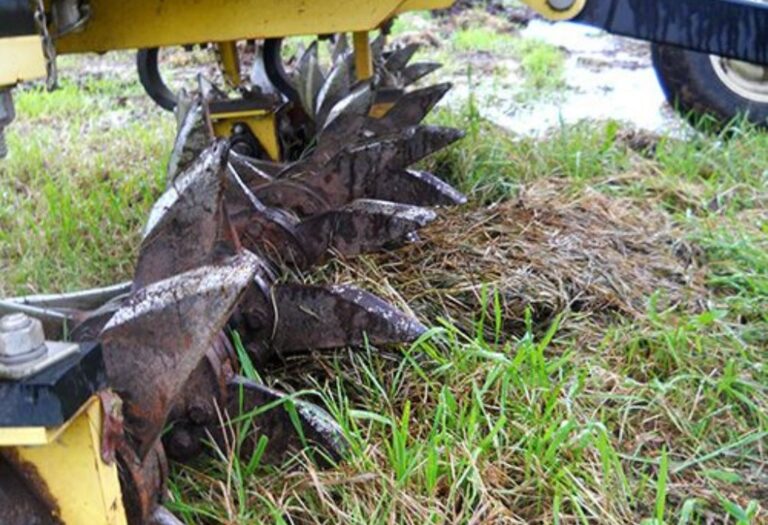
For larger lawns, or for those who want a more efficient approach, a machine aerator is the way to go. These machines can be rented from your local hardware store or garden center. They usually have a series of hollow tines that remove soil cores. The benefit of a machine is that it will allow you to aerate your lawn much faster and with less effort than manual methods. Ensure you understand how to use the machine safely before you start. Consider that the ground may need to be slightly damp to make it easier for the machine to penetrate the soil. You should also ensure you mark any underground utilities before you begin aerating.
- Walk-Behind Aerators: These are self-propelled machines that are easy to use.
- Tow-Behind Aerators: These aerators attach to a lawn tractor. They’re a good choice for very large lawns.
- Safety First: Always wear safety glasses and sturdy shoes. Make sure to read the machine’s instructions before using.
These machines can significantly cut down the time it takes to aerate your lawn. However, make sure you choose the right type and understand how to operate it safely.
After Aeration: Lawn Care Tips
Once you’ve aerated your lawn, the work isn’t done! What you do immediately after aeration is very important. After aerating, you can take some steps to boost your lawn’s health. The process of aeration opens up the soil. This is the perfect time to give your lawn a boost with some extra attention. Following these care tips will help you maximize the benefits of aeration and get your lawn looking its best.
Seeding and Overseeding
Aeration creates small holes in the soil. You can take advantage of these holes by spreading grass seed after aeration. This practice, known as overseeding, helps fill in any bare spots and makes your lawn thicker and denser. The seed will fall into the holes created by aeration. This allows for better seed-to-soil contact. Consider using a grass seed mix that’s compatible with your existing lawn type. Ensure you water the newly seeded areas regularly to encourage germination. Apply a light layer of compost or topdressing to help protect the seeds. This will give your lawn the best chance of establishing itself.
- Choose the Right Seed: Select a seed type that matches your existing grass.
- Spread Seed Evenly: Use a spreader to ensure even coverage.
- Water Regularly: Keep the soil moist for the first few weeks after seeding.
Overseeding is a great way to improve the density of your lawn. This will also give it a vibrant, healthy appearance.
Fertilizing and Watering
Aeration improves the soil’s ability to absorb water and nutrients. After aerating, it’s a great time to fertilize your lawn. The fertilizer will be able to reach the roots more easily. This helps the grass grow strong and healthy. Choose a fertilizer that’s appropriate for your grass type. Then, follow the instructions on the fertilizer package carefully. After fertilizing, make sure to water your lawn. Proper watering is key to helping the grass roots absorb the nutrients. Water deeply and less frequently to encourage deep root growth. Avoid overwatering. It’s also important to make sure the soil is draining well. This is usually what you want to achieve through the aeration process.
- Fertilize: Choose a balanced fertilizer appropriate for your grass.
- Water Deeply: Water deeply but infrequently to encourage deep root growth.
- Avoid Overwatering: Ensure proper drainage to prevent problems.
These practices are essential. They maximize the benefits of aeration and help your lawn flourish.
Ongoing Lawn Maintenance
Aeration is just one part of keeping your lawn healthy. Ongoing maintenance is important to keep your yard in top condition. Regular mowing, proper watering, and fertilization are all important. Proper mowing techniques will avoid stress on the grass. You should also be sure to remove any thatch buildup regularly. Thatch is a layer of dead grass and organic matter that can accumulate on the soil surface, blocking the movement of water, air, and nutrients. This can lead to the need to aerate again. By implementing these practices and making them a part of your regular lawn care routine, you can ensure your lawn stays vibrant and healthy all season long.
- Mow Regularly: Maintain the proper grass height.
- Control Thatch: Regularly remove thatch buildup.
- Water Consistently: Water deeply and less frequently.
When you put these practices into place, you’ll create a lawn that thrives and looks its best.
Frequently Asked Questions
Question: How often should I aerate my lawn?
Answer: For most lawns, aerating once a year is sufficient. However, lawns with heavy foot traffic, clay soil, or thatch buildup may need aeration twice a year, once in the spring and once in the fall.
Question: What’s the difference between core aeration and spike aeration?
Answer: Core aeration removes small plugs of soil, which allows for better air and water movement and reduces soil compaction. Spike aeration simply pokes holes in the ground, which can provide some benefits but may also compact the surrounding soil.
Question: Can I aerate my lawn myself, or do I need to hire a professional?
Answer: You can definitely aerate your lawn yourself, especially if you have a small to medium-sized yard. You can rent a machine from your local hardware store. For larger lawns, or if you prefer to save time and effort, consider hiring a professional lawn care service.
Question: Is it okay to aerate when it’s raining or when rain is expected?
Answer: It’s best to avoid aerating when it’s raining or when rain is expected. Wet soil can make the aeration process more difficult and can lead to the soil becoming compacted. Wait until the soil has dried out a bit before you begin.
Question: What do I do with the soil plugs that are pulled up during core aeration?
Answer: Leave the soil plugs on your lawn. They will break down over time, returning nutrients to the soil and helping to further reduce thatch.
Final Thoughts
Now that you’ve explored the secrets of when to aerate lawn, you should be able to make your yard look its best. You know that timing is everything. It’s a key part of the process, and knowing the right time to aerate, combined with using the right methods, can transform your lawn. From manual options like core aerators to machine options for bigger yards, you now have the knowledge to get the job done right. Remember to overseed, fertilize, and water correctly after aerating to ensure your grass gets what it needs. With a little effort and the right approach, you can have a lawn that’s the envy of the neighborhood. So, gather your tools, choose the right time, and start aerating. Your grass will thank you!