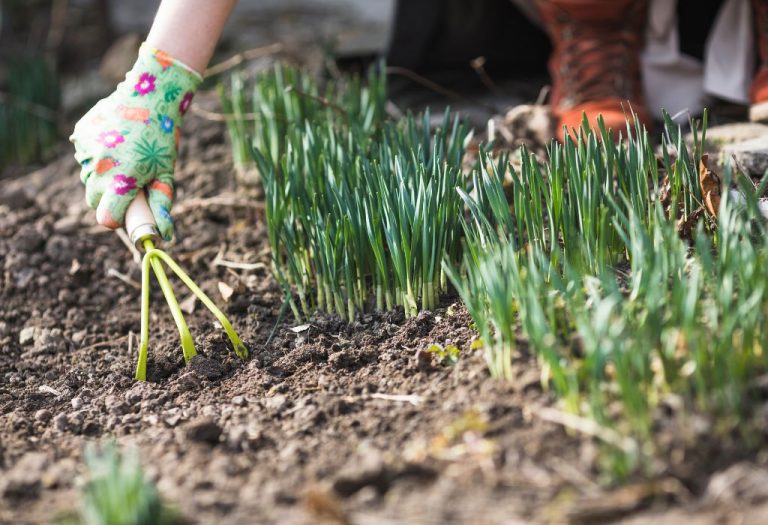
How to Use a Craftsman Hand Weeder Without Damaging Soil
Every gardener knows the frustration of seeing weeds sprout where they are least wanted. They compete with grass and flowers for light, water, and nutrients, often leaving healthy turf looking patchy and weak.
Pulling them by hand seems simple enough, but without the right technique, weeds return quickly and the soil suffers unnecessary disturbance.
One of the most effective solutions is learning how to use a Craftsman hand weeder without damaging soil.
This small but powerful tool targets weeds at their crown and root while protecting the surrounding earth. Used properly, it saves time, reduces chemical dependence, and improves soil health.
The reason technique matters lies in weed biology. Dandelions, for example, grow taproots that can reach 6–18 inches deep, and fragments left behind often regenerate into new plants [source].
Another long-term study found that when weeds were prevented from setting seed, the soil’s seed bank dropped to just 5% of its original level in a few seasons [source].
These findings prove two points: precision is necessary to stop regrowth, and consistency shrinks future weed pressure.
What a Craftsman Hand Weeder Is—and Why It Protects Soil

The Craftsman hand weeder is a compact garden tool designed for root-level weed extraction. Its typical shape includes a forked or V-shaped tip, a slightly curved shaft for leverage, and an ergonomic handle that reduces strain.
Unlike hoes or cultivators that slice broad sections of soil, a hand weeder enters precisely at the weed crown, disturbing only a narrow column.
This design matters because healthy soil structure underpins lawn and garden resilience. Large areas of disturbance reduce microbial activity, dry out the surface, and create open spaces where new weed seeds germinate.
By contrast, a Craftsman hand weeder removes the target weed while allowing the soil ecosystem around it to remain intact.
For homeowners, it also offers a chemical-free alternative to herbicides. Manual root removal eliminates the plant without risking nearby turf, ornamentals, or beneficial soil organisms.
When used in beds, borders, or turf edges, the tool’s narrow profile prevents collateral damage that larger implements can cause.
How to Use a Craftsman Hand Weeder Without Damaging Soil
Prep: Moisture, Visibility, and Access
Timing is critical. Soil should be slightly moist, either after rainfall or following 20–30 minutes of irrigation. Moist earth reduces resistance, allowing the blade to slide alongside the root without snapping it. Attempting removal in dry, compacted soil increases the chance of leaving fragments behind.
Visibility also matters. Identify the weed crown clearly and, if the plant has already produced seedheads, snip them off before pulling. This step prevents accidental scattering of viable seeds during removal.
Blade Placement and Depth Control
The blade should be inserted beside the crown at a shallow angle. Starting near the surface avoids damaging the turf mat or nearby feeder roots.
Once the tip is established, apply gentle downward pressure to trace the root line. The goal is to follow the root into the soil with minimal widening of the channel.
Shallow placement is especially important in ornamental beds where other roots are present. By keeping the entry point narrow, gardeners protect both the plant community and the soil’s natural pore structure.
Leverage and Lift
The curved shaft of a Craftsman hand weeder acts as a built-in fulcrum. Pressing gently against the soil provides leverage to loosen the root.
Short, controlled lifts reduce upheaval and keep soil clumps intact. If resistance is high, wiggle the tool slightly to break lateral roots before completing the lift.
This incremental method contrasts with the forceful prying often used when pulling by hand. Quick, jerky motions tear soil aggregates and increase the size of the void left behind. Steady, measured leverage ensures both weed removal and soil protection.
Finish and Restore
Once the weed is free, shake loose soil from its roots back into the hole. Then press the surrounding soil gently into place to eliminate air pockets. If the void is larger than a thumb, topdress with a pinch of compost. This step both restores structure and improves microbial activity at the extraction site.
Watering lightly after refilling helps the soil settle and prevents drying. With this closing action, the weeding session leaves no visible scars and maintains the soil’s protective surface layer.
Targeting Different Weed Types
Taprooted Perennials
Perennial weeds such as dandelion, dock, and thistle demand precision. Their long taproots can regenerate from fragments, so the weeder must trace the root deeply.
By working slowly beside the crown and prying incrementally, most of the root column can be lifted intact. Complete removal reduces the chance of regrowth and minimizes future competition.
Rosette Broadleafs
Plantain and similar weeds form flat rosettes close to the ground. Here, the blade enters at a shallower angle. A gentle tilt of the shaft severs the side roots, and the plant lifts cleanly. Because rosettes often spread across turf, precise entry ensures the grass around them remains undisturbed.
Annual Grasses
Crabgrass and foxtail are examples of shallow-rooted annual weeds. Their fibrous root systems pull up easily with a hand weeder. The key is timing. Removing them before they flower prevents “seed rain” that would otherwise replenish the seed bank for the following year.
By tailoring technique to weed type, gardeners maximize efficiency and ensure soil remains as intact as possible.
Ergonomics and Safety in Weeding

Weeding can be repetitive, and poor body mechanics quickly lead to strain. The wrist should remain neutral during use, allowing the tool’s curvature to provide leverage rather than relying on forceful bending. Short strokes are more effective and gentler on joints than long pries.
The Craftsman hand weeder often comes with a soft, textured grip that reduces slippage. Wearing gloves adds further protection and comfort.
When working for extended periods, using a kneeling pad or alternating between squatting and kneeling helps protect the back and knees.
Awareness of the surrounding area is another safety factor. Irrigation lines, shallow tree roots, or delicate ornamental plantings can be damaged by careless entry. Working slowly and clearing mulch briefly before insertion minimizes these risks.
Minimizing Soil Disturbance with Micro-Techniques
Surface Skimming for Seedlings
For very small weeds, deep prying is unnecessary. Skimming the blade just beneath the soil crust severs stems cleanly while leaving the soil nearly untouched. Weekly surface passes during peak germination season prevent young weeds from establishing and require minimal effort.
Wiggle and Lift for Established Crowns
When dealing with larger weeds, a “wiggle then lift” approach is effective. By moving the blade gently back and forth, a narrow channel opens around the root. The plant then lifts vertically with less disruption. Soil clumps remain intact and can be pressed back into place immediately.
Hardpan or Compacted Spots
In compacted areas, leverage can leave noticeable divots. Placing a flat stone or board under the fulcrum distributes pressure and prevents sinking. This simple adjustment allows clean lifts without leaving gouges in the soil.
These micro-techniques preserve soil health while ensuring weeds are fully removed.
Timing, Soil Conditions, and Seasonal Strategy
Moisture is the single most important condition for effective weeding. After rainfall or light irrigation, roots release more easily, and soil clumps remain cohesive rather than crumbly. Dry conditions almost guarantee broken roots and disturbed soil.
Seasonal timing also influences results. Spring is the best time for broad weeding efforts, as plants are small and soil is often moist.
Late summer spot-checks catch survivors before they produce seed. A short session after each mowing ensures crowns are visible and accessible.
Healthy turf density supports these efforts. Proper mowing height shades the soil, reducing weed germination.
Overseeding thin patches crowds out competitors, while fertilization strengthens the lawn’s resilience. Together, these practices complement manual weeding and create a long-term system of control.
Post-Pull Recovery and Soil Health
Restoring soil after weed removal is as important as the extraction itself. Backfilling prevents the hole from becoming an entry point for new weeds. Pressing soil gently restores surface integrity and reduces moisture loss.
Adding a pinch of compost enhances soil biology. The organic matter introduces beneficial microbes that help reestablish balance after disturbance. In garden beds, replacing mulch after pulling shades the soil and prevents fresh germination.
From a bigger perspective, each pulled weed and each prevented seed represents a future advantage.
Studies confirm that limiting seed rain steadily depletes the soil seed bank, reducing infestations year after year [source]. This compounding effect is what makes consistent, careful weeding so powerful.
Tool Care and Maintenance
A Craftsman hand weeder is built to last, but maintenance ensures peak performance. After each use, soil should be brushed or rinsed away, followed by thorough drying. A light coat of oil on the blade prevents rust.
Over time, the tip may dull, especially in sandy or rocky soils. Light filing restores sharpness, making entries smoother and more precise.
The handle and fasteners should also be inspected periodically. Any looseness can compromise leverage and should be corrected promptly.
Storage matters too. Hanging the tool in a dry shed or garage keeps edges sharp and prevents handle degradation. Proper care extends the tool’s life and ensures it is always ready for the next weeding session.
Pairing Hand Weeding with Integrated Lawn Management

Weeding works best when combined with broader management practices. By consistently removing weeds before flowering, gardeners prevent seeds from replenishing the soil. Over time, this dramatically reduces the seed bank and makes maintenance easier.
Cultural practices add another layer of defense. Overseeding, proper mowing, and balanced fertilization strengthen turf and minimize open spaces where weeds might establish.
In garden beds, periodic surface cultivation of seedlings reduces the need for bending and complements precision hand weeding.
Mapping problem areas is another useful strategy. Noting hotspots and returning weekly for short checks prevents flare-ups from spreading.
The long-term goal is simple: no seed rain in those zones for an entire season, which compounds into fewer weeds the following year.
Conclusion
Weeds will always challenge gardeners, but the right approach transforms them from a constant frustration into a manageable task.
Mastering how to use a Craftsman hand weeder without damaging soil provides a chemical-free, soil-friendly solution that strengthens lawns and gardens alike.
By working in moist conditions, placing the blade precisely, and lifting roots incrementally, weeds are removed cleanly while the soil remains intact.
Finishing with backfilling and compost restores structure and biology, ensuring the ground continues to support healthy plants.
Consistency is the secret. Short, regular weeding sessions after rain, combined with dense turf and seasonal awareness, shrink the seed bank and reduce long-term pressure. With patience and the right tool, each season becomes easier, and the lawn or garden grows stronger.

I’m Maya L. Greenwood, a lifelong plant lover who believes anyone can grow something beautiful with the right guidance. After years of testing soil mixes, pruning methods, irrigation tricks, and pest-safe solutions, I started EasyGardenTips.com to turn hard-won lessons into step-by-step advice. From seed starting and container gardens to composting and seasonal checklists, my goal is to make gardening simple, sustainable, and fun.