String Trimmer Head Won’t Come Off: Troubleshoot & Fix It!
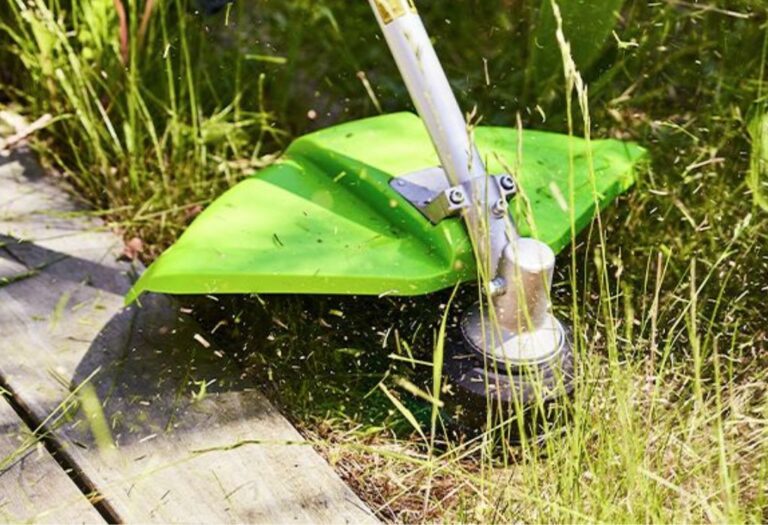
If your string trimmer head won’t come off, you’re not alone! This can be a common problem, especially if you’re new to using one. It often happens because of debris buildup, overtightening, or simply not knowing the proper steps. Don’t worry, it’s usually an easy fix. We’ll explore the common reasons this happens and offer a step-by-step guide to get that head off. Get ready to have your trimmer working in no time!
Understanding Why Your String Trimmer Head Is Stuck
Before jumping into solutions, let’s explore why the string trimmer head can be stubborn. Several factors can cause this issue. Knowing these reasons can help you prevent it in the future. The string trimmer head is designed to be removed for string
Common Causes for a Stuck Trimmer Head
The main reason a string trimmer head won’t come off often boils down to several key issues. These issues are related to how the head is secured to the trimmer. These are factors that may not seem like a problem, but can prevent the head from unscrewing. By getting to the root of the problem, you can resolve the issue.
-
- Debris Buildup: Grass clippings, dirt, and other debris can get trapped in the threads. Over time, this buildup can act like glue, making it very difficult to unscrew the head. Regular cleaning is crucial.
Debris can accumulate easily, especially during heavy use. This buildup is exacerbated by wet grass or areas with a lot of dust. When left unattended, the debris compresses and hardens, creating a strong bond that impedes removal. It’s important to clean your trimmer regularly to prevent this.
-
- Over-Tightening: If the head was tightened too much during the last string replacement, it can be hard to remove. This is common when using tools or applying excessive force. Avoid overtightening.
Over-tightening puts excess pressure on the threads, which can deform them. This makes it difficult to turn the head. It’s best to tighten the head snugly, but not forcefully. Remember, it doesn’t need to be extremely tight to hold the string in place.
-
- Corrosion: Rust or corrosion can develop, especially if the trimmer is stored outdoors or in a damp environment. Corrosion can fuse the parts together, making them very difficult to separate.
Corrosion can bind parts, and can happen to any metal components. It is accelerated by moisture. This can make the head almost impossible to remove. Regular maintenance and proper storage are necessary to prevent corrosion and keep your string trimmer working well.
-
- Stripped Threads: If the threads on the head or the trimmer shaft are damaged, it might get stuck. This can happen if excessive force is used or if the head is cross-threaded during installation.
Stripped threads can prevent the head from turning. When the threads are damaged, the head can bind and resist removal. Careful handling and proper alignment during string replacement are important to prevent thread damage. Inspect the threads before reinstalling the head.
-
- Damage to the Head: Sometimes, the head itself might be damaged, such as a broken locking mechanism. This can make it difficult to remove, as the internal components might be jammed or misaligned.
Physical damage can impact functionality. If the locking mechanism or other parts of the head are damaged, it might not release properly. Inspecting the head for cracks or missing pieces can help in diagnosing the problem. If damaged, the head may need to be replaced.
Step-by-Step Guide to Removing a Stuck String Trimmer Head

Now, let’s explore the solutions. If your string trimmer head won’t come off, don’t worry! We will provide a complete, easy-to-follow guide to get it off. We’ll start with the basics, then move on to more advanced methods if needed. Have your trimmer and tools ready. We’ll cover each step in detail so you can get back to yard work.
Gathering the Necessary Tools
Before you begin, gather the right tools. Having the right tools makes the process easier and reduces the risk of damaging the trimmer. The required tools are usually readily available. Most homeowners probably already have them at home. The tools needed are simple, and following this guide makes the process much more manageable.
-
- Gloves: Protect your hands from sharp edges, debris, and potential injury.
Gloves are essential safety equipment. They provide a better grip, preventing slips. They also protect your hands from any sharp edges. Working with tools and trimmers can be hazardous without appropriate protection.
-
- Wrench or Pliers: Depending on your trimmer model, you may need a wrench or pliers to grip the head. A wrench often works best.
Wrenches and pliers provide the necessary leverage to turn the head. Choose a wrench or pliers that fits the head. This will help prevent damage. A good grip is key to turning a stuck head.
-
- Penetrating Oil (optional): If the head is severely stuck, penetrating oil can help. This lubricant helps loosen corrosion and rust.
Penetrating oil is used to loosen rusted or corroded parts. Applying it and allowing it to soak in for a while can make a big difference. Carefully follow safety instructions when using this product.
- Cleaning Brush or Tool: A brush can remove debris and dirt. Cleaning before applying penetrating oil ensures the product reaches the stuck parts.Cleaning away any loose debris before you begin will help keep the area clear, and help penetrating oil to work.
- Work Gloves: These will help keep your hands clean and protected.
- Work gloves protect your hands. Keeping your hands safe makes the job much easier.
Step-by-Step Instructions
Now, let’s get that head off. Follow these steps carefully to free the head from your trimmer. This is a simple process, but patience and attention to detail are important. Work carefully, and don’t force anything. Let’s work through the instructions. The key to success is patience and taking each step thoughtfully.
-
- Safety First: Disconnect the power source or remove the battery before beginning. This is an essential safety precaution.
Safety is the most important step. Unplugging a corded trimmer or removing the battery from a cordless model prevents accidental starts. Always take this precaution to avoid injury.
-
- Inspect and Clean: Carefully examine the trimmer head and the surrounding area. Remove any loose debris. Use a brush or tool to clean around the head.
Removing loose dirt and debris helps to improve your grip. Cleaning can sometimes be enough to help loosen a slightly stuck head. This helps the process along and may be the only step needed.
-
- Apply Penetrating Oil (If Needed): If the head still won’t budge, apply penetrating oil. Spray the oil around the threads. Allow it to soak for about 15-30 minutes.
Penetrating oil is very useful if you have a corroded head. Apply it carefully to the threads and let it soak in. The oil will work on the corrosion.
-
- Attempt to Loosen the Head: Using a wrench or pliers, try to turn the head. Apply firm, steady pressure. Turn in the direction indicated on the head (usually counterclockwise).
Using the correct tool, apply steady pressure. It is important to know the direction to turn the head. Don’t force it, but apply steady pressure.
-
- Use the Correct Technique: If the head resists, try a firm but controlled approach. Avoid jerking or excessive force, which could damage the trimmer.
When removing the head, keep the focus on steady force. Jerking might make the process harder. It could also damage the threads or head.
-
- Seek Additional Help (If Needed): If the head is still stuck, consult the trimmer’s manual or seek professional assistance. Avoid forcing the head, as this could cause further damage.
If you have tried the steps without success, it is important to seek help. Consult the manual or take it to a repair professional. This is the best approach to ensure that you don’t do further damage.
Advanced Techniques and Troubleshooting
If the simple steps don’t work, you might have to try something more advanced. Sometimes the string trimmer head can be stubborn. In some cases, more aggressive techniques may be needed. You can take steps such as using heat. Always remember to prioritize safety. Keep the focus on getting the head removed without damaging the trimmer.
Heat Application for Stubborn Heads
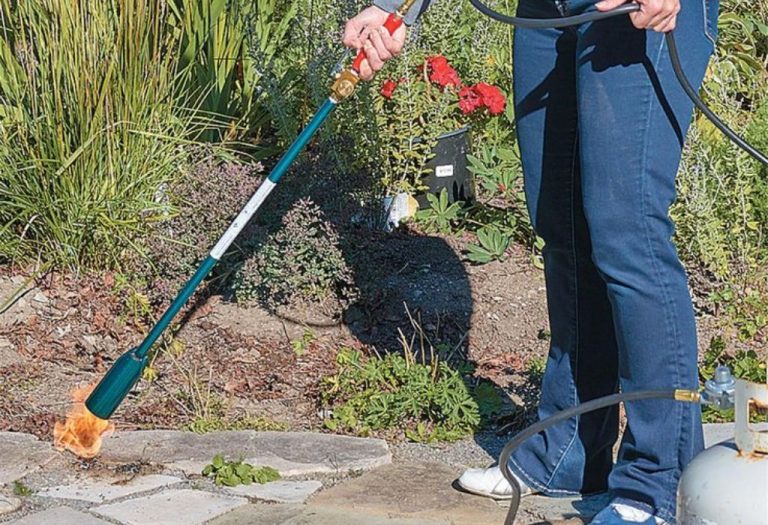
Heat can be useful for loosening stuck parts. Using heat can help. It should be done with caution. Make sure to apply heat carefully. The heat can cause the metal to expand, which will help to loosen any rust or corrosion. Avoid overheating. Using the right method is important for safety and effectiveness.
-
- Use a Heat Gun or Hair Dryer: Apply heat evenly around the head, focusing on the area where the threads are. This will cause the metal to expand.
A heat gun or hair dryer is used to apply heat to the area. Heat the head carefully. Don’t focus the heat on one spot. Keep the heat moving around the head.
-
- Apply Heat Sparingly: Do not overheat the head. Excess heat could damage the plastic or other components of the trimmer.
Using heat carefully is important. Overheating can cause plastic to melt or warp, causing further issues. It’s essential to monitor the heat. Watch for any signs of damage.
-
- Test for Movement: After applying heat, allow the head to cool slightly. Then, try again to loosen the head using a wrench or pliers.
Allowing the head to cool will let the metal contract again. After cooling, you can retry turning the head. You will probably find that it’s much easier to turn now.
-
- Be Patient: Sometimes, it takes a few heat cycles to loosen the head completely. Be patient.
Sometimes, it takes several rounds of heating and cooling to work. Be patient, and continue to try. With persistence, you should get the head off.
Dealing with Damaged Threads
If the threads are damaged, you may have a tough time. If the threads on either the trimmer head or the shaft are damaged, removing the head can be very difficult. Addressing this issue requires some extra steps. Inspect the threads. If the threads are damaged, there are a few things that you can do. Always be careful.
-
- Assess the Damage: Carefully inspect the threads on the head and the trimmer shaft. Determine the extent of the damage.
Careful inspection is important. Note where the damage is. This will help you to know what to do next.
-
- Use Thread-Cutting Tools (If Needed): In some cases, you may need a thread-cutting tool to restore the threads. Only do this if you are comfortable with this type of repair.
If the threads are badly damaged, you might need a thread-cutting tool. You should only use this method if you’re comfortable. You should also have experience using such a tool.
-
- Try Thread Repair Compounds: For minor damage, consider using a thread repair compound. These compounds can fill in damaged threads.
Thread repair compounds can work well for minor damage. They can fill in the damaged threads, which helps to create a better fit. Follow the manufacturer’s instructions for best results.
-
- Consider Replacing the Head or Shaft: If the damage is severe, replacing the trimmer head or even the shaft may be necessary. This is a more permanent solution.
In cases of severe thread damage, replacement is often the best approach. If the threads are too damaged, replacement ensures the trimmer functions well. You can purchase a new head at most hardware stores.
Seeking Professional Assistance
When you have tried everything and still can’t remove the head, it’s a good idea to seek professional help. If, after trying all of these steps, the string trimmer head won’t come off, it’s time to consider professional assistance. Avoid forcing the issue. If you’ve tried all the techniques and the head remains stuck, don’t keep trying to remove it yourself. You may cause additional damage. A professional has experience with this type of problem. A professional has experience with stubborn trimmers.
-
- Find a Qualified Repair Shop: Look for a shop with experience in small engine repair. Be sure to select a shop that is reputable.
Choose a repair shop with good ratings. Verify that they have experience repairing this type of equipment. Verify their credentials.
-
- Explain the Problem in Detail: Describe what you’ve tried. Providing specific details helps the technician understand the situation.
Explain everything that you’ve done to try to get the head off. If you used penetrating oil or heat, tell them about it. This helps the technician.
-
- Ask for an Estimate: Get an estimate of the repair costs before authorizing any work. This helps you to manage your budget.
Getting a price estimate avoids surprises. You can decide if the cost is worth it. It allows you to make an informed decision.
-
- Follow the Technician’s Advice: Listen to their recommendations. A professional might suggest specific maintenance practices to prevent future problems.
Be sure to listen to the advice provided by the technician. You can probably avoid problems later by listening and following the recommendations.
Frequently Asked Questions
Question: Why is my string trimmer head so hard to remove?
Answer: The most common reasons are debris buildup, over-tightening during previous string changes, and corrosion due to moisture exposure. Thread damage can also make it difficult to remove the head.
Question: Can I use WD-40 to loosen the trimmer head?
Answer: While WD-40 might help, penetrating oil is usually more effective. Penetrating oil is specifically designed to loosen corroded parts. WD-40 can be used, but penetrating oil might be a better choice.
Question: What if the head still won’t budge after applying penetrating oil?
Answer: Try using heat (a heat gun or hair dryer) to expand the metal. After applying heat, try again with a wrench or pliers. If it still doesn’t come off, it’s best to seek professional assistance.
Question: How can I prevent the trimmer head from getting stuck in the future?
Answer: Always clean the head and threads after each use, tighten the head to the recommended level (not too tight), and store your trimmer in a dry place. Regularly check for corrosion, and address any issues promptly.
Question: Can I damage my trimmer if I use too much force?
Answer: Yes, excessive force can damage the threads on the head and the trimmer shaft. Always use steady, controlled pressure. If it’s not loosening, stop and try a different technique or seek professional help.
Final Thoughts
When you’re dealing with a string trimmer head won’t come off, it can be frustrating, but the problem usually has a simple fix. From cleaning out debris to using penetrating oil, many techniques can help you solve it yourself. You have explored the reasons why this happens, and the step-by-step guides to try. You also have the skills for the advanced techniques. Remember to always prioritize safety and never force the issue. If your efforts don’t succeed, don’t hesitate to seek professional assistance. By following these suggestions, you’ll be able to get back to trimming your lawn with ease. You can keep your yard looking its best. Get out there and tackle the problem confidently.