String Trimmer Edging Techniques: A Beginner’s Guide
Learning how to use a string trimmer for edging techniques can be tricky when you first start. It can be hard to get those neat, clean lines, and it’s easy to accidentally damage your lawn or flowerbeds. But don’t worry, everyone starts somewhere! This guide will break down the process step by step, making it simple and straightforward. We’ll cover everything from choosing the right equipment to mastering the techniques you need to create professional-looking edges. Let’s get started!
Choosing the Right String Trimmer for Edging
Before you even think about edging, you need the right tool. Picking the best string trimmer for your needs can seem complicated, but it doesn’t have to be. There are several types, each with its own advantages. The main difference lies in power source and features, impacting their suitability for different yard sizes and edging tasks. Thinking about what you need now will save you a headache later. Let’s explore the key aspects to consider, making the selection process easier.
Power Sources and Their Impact
The power source of your string trimmer significantly impacts its performance and convenience. The common types are gas-powered, electric corded, and battery-powered. Each has its pros and cons. Understanding these differences helps determine which trimmer will best meet your needs. Consider your yard’s size, your tolerance for noise and emissions, and your preference for convenience. These factors will guide you toward the ideal choice.
- Gas-Powered Trimmers: These trimmers offer the highest power, ideal for large yards and tough weeds. However, they are noisy, produce emissions, and require mixing gas and oil. They also need more maintenance, like spark plug replacement.A gas-powered trimmer uses a small gasoline engine to spin the cutting string. The engine’s power gives you the ability to cut through thick grass and weeds. The fuel mix, typically a blend of gasoline and oil, fuels the engine, allowing it to generate the necessary power for trimming. While gas-powered trimmers are the most powerful, they need more care than other types.
- Electric Corded Trimmers: These trimmers are lightweight and don’t produce emissions. You plug them into an outlet, offering continuous power. However, they are limited by the cord’s length, restricting where you can trim.An electric corded trimmer offers a simpler approach to powering your trimming tasks. It connects directly to a power outlet via an extension cord. This design avoids the need for fuel or battery charging, providing continuous operation as long as the outlet is accessible. They are often lighter than gas trimmers, making them easy to move around your yard. Always check the cord to ensure it is rated for outdoor use to avoid any safety issues.
- Battery-Powered Trimmers: These trimmers are cordless and offer greater mobility. They are quiet, produce no emissions, and are easy to start. However, they have a limited run time depending on the battery size.Battery-powered trimmers provide a flexible and convenient option for yard care. These trimmers use rechargeable batteries to power the cutting string. The batteries come in different voltages, influencing the power and run time of the trimmer. The benefit of battery-powered trimmers is portability, letting you trim in areas away from power outlets. However, the performance is limited by the battery’s charge. It is best to have extra batteries available if you have a larger yard.
Key Features to Consider
Beyond the power source, other features will affect your trimming experience. These include the cutting head type, the shaft design, and any extra features. Understanding how these features work can improve your comfort and trimming quality. Selecting a trimmer with features that match your specific needs ensures your edging is easier and more efficient. The right features can make a big difference in how well the trimmer performs and how comfortable it is to use.
- Cutting Head Design: The cutting head is where the string comes out to do the work. You can find heads with automatic line feed, bump feed, and fixed line systems. Automatic feed systems advance the string automatically. Bump feed systems require you to tap the head on the ground to release more string. Fixed line systems use precut string pieces.The cutting head design determines how the trimmer string is delivered for cutting. Automatic line feed systems are convenient because they advance the string automatically as it wears down. Bump feed systems require you to tap the trimmer head on the ground to release fresh string. The choice affects how quickly and easily you can replace the string during use. Consider the size of your yard and how frequently you will need to replace the string. A well-designed cutting head improves efficiency during edging and trimming tasks.
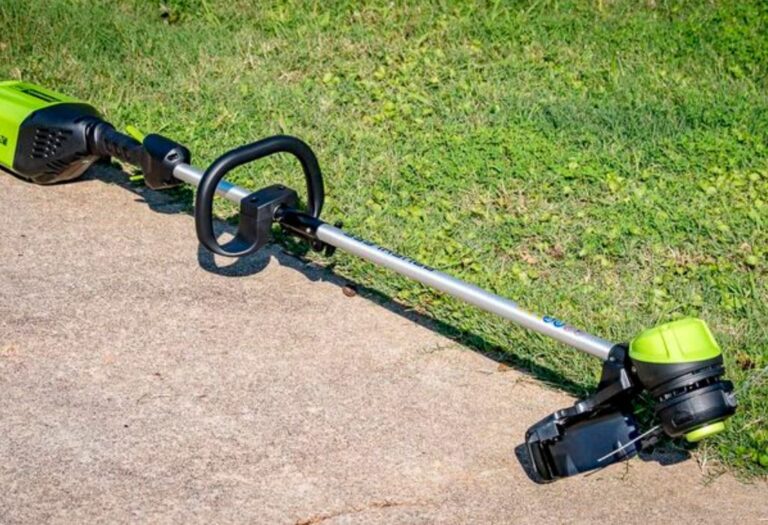
- Shaft Design: A straight shaft is better for edging, providing more control and reach. Curved shafts are usually lighter but less precise for edging. Adjustable shafts let you change the trimmer’s height.The shaft design affects how easily you can use the trimmer. A straight shaft provides better control and precision, which is helpful for creating clean edges. Curved shafts are easier to maneuver around obstacles and may be lighter, but they might not provide the same level of accuracy. Adjustable shafts can be set to the right height for the user. Think about the type of edging you plan to do. A straight shaft is often better when precision and reach are important. Adjust the shaft for the best user comfort and edging effectiveness.
- Extra Features: Look for features like adjustable handles for comfort. Some trimmers also have an edging guide, which helps make a straight cut along sidewalks or driveways.Many string trimmers include features that enhance both performance and user comfort. Adjustable handles let you tailor the trimmer for a comfortable grip and handling. An edging guide acts as a helpful tool when creating precise, straight lines along hard surfaces. These features may improve your ability to create professional-looking edges. Make a list of your needs before you pick a trimmer. This will help you select the one with the right features to meet your needs and improve the edging experience.
Mastering String Trimmer Edging Techniques

Now that you have your trimmer, it’s time to learn how to edge. String trimmer edging techniques need practice. Starting with some basic approaches and focusing on safety helps you get the best results. Proper posture and blade control are key. Keep practicing and you will get the hang of it. From prepping your space to achieving clean lines, we’ll go over the steps needed to get great-looking edges around your yard.
Safety First: Preparing for Edging
Before you start, safety is a must. This section covers steps to reduce potential harm when using a string trimmer. Remember these steps to keep you safe and get the best results. Start by ensuring your work area is safe. Safety comes first, so make sure you follow these steps every time you get ready to edge.
- Wear Protective Gear: This includes safety glasses to protect your eyes from debris, gloves to protect your hands, and sturdy shoes to protect your feet. Long pants are also recommended.Wear the right gear for safety. Safety glasses prevent debris from getting into your eyes. Gloves offer a better grip and protect your hands from scrapes. Sturdy shoes keep your feet safe from impacts or sharp objects. Long pants prevent injury to your legs. This gear reduces the risk of injury and increases your comfort while working. Proper protective gear helps you focus on the job. Wearing the right gear is a fundamental step for all string trimming tasks.
- Clear the Area: Remove any rocks, toys, or other objects that the trimmer could hit and send flying. These can be dangerous. Clear away anything in the path of the trimmer to avoid damage or injury.Before starting, get rid of all loose items. Rocks and other debris can get thrown around by the trimmer at high speeds. This can cause damage to nearby objects and can also be dangerous. Always check the area around where you plan to trim. Removing these items protects you from harm. This step is important for getting the best results and ensuring safety during the entire process.
- Check the String: Make sure the string is the right length and in good condition. If it’s too short, it won’t cut well. If it’s old or frayed, replace it.Check the trimmer string before you start. Make sure the string is the correct length for the cutting head. Also, look at the string to ensure it’s not frayed or damaged. A damaged string won’t cut well and could break during use. Make sure you have extra string ready to go if you need it. By checking the string, you can ensure your trimmer works correctly. This also helps you get clean edges and makes the task go faster.
Edging Techniques: Step-by-Step Guide
Now that you are safe, it’s time to start edging. By following these steps, you can create clean, professional-looking edges. Proper edging makes your lawn look neat and well-maintained. We’ll explore the basics, including how to hold the trimmer and create clean lines. Follow these steps for great results.
- Positioning: Stand with your feet shoulder-width apart for good balance. Hold the trimmer firmly with both hands.Before you start, make sure you have a good stance. Good balance makes it easier to control the trimmer and make straight cuts. Position yourself so the trimmer head is at the edge of the surface you’re trimming. Make sure you’re comfortable, and you have a clear line of sight. This set-up helps you maintain control. Proper stance and positioning give you better control and improve the quality of your cuts.
- Starting the Cut: Tilt the trimmer head slightly, so the string is cutting at an angle. This helps create a clean edge. Start slow and move the trimmer slowly along the edge.When you start, angle the trimmer head. This angle helps the string slice through the grass and other weeds. Don’t rush. By moving slowly, you can make sure the edge is clean and even. Go at a speed where you’re in control. This method helps prevent mistakes. A slow and steady approach is key. It ensures precise cutting and reduces the chance of errors.
- Creating Clean Lines: Use a consistent motion. Overlap your passes slightly to ensure you don’t miss any spots. For best results, let the string do the work, and don’t force the trimmer.The goal is to produce straight, even edges. Keep your movements steady to create the perfect lines. Make sure you overlap each pass a little. Doing this gets rid of uncut areas. By letting the string do the work, you’ll avoid mistakes. This method leads to a clean, professional finish. Consistency in your technique is key to achieving a neat edge. Practice will improve your cutting skills.
Troubleshooting Common Edging Problems
Even with the right techniques, you may run into problems. Common issues include uneven cuts, string breakage, and difficulty creating straight lines. Troubleshooting can quickly solve these issues. It’s normal to face challenges, so understanding how to fix them will help you get better results. Let’s look at solutions to common edging issues.
- Uneven Cuts: This may be caused by moving the trimmer too quickly or holding it at an inconsistent angle. Slow down and maintain a steady angle.Uneven cuts often happen when you move the trimmer too fast. When you rush, you can’t keep the trimmer at a steady angle. The solution is to slow down and focus on maintaining a consistent angle. Check your speed and angle regularly as you work. This simple tip will result in a more even trim. Practice makes perfect, and with time, you’ll get better at maintaining a consistent cutting line.
- String Breakage: String breaks can happen if the trimmer head hits a hard object or if the string is old or of poor quality. Replace the string regularly and avoid hitting hard surfaces.String breakage disrupts the trimming process. The string may break when it hits a hard object like a rock or tree root. Also, the string may break if it’s old or of poor quality. You can reduce this problem by removing any debris from your cutting path. Regular string replacement is another easy way to keep your trimmer working well. Also, try getting good quality string. Doing this helps improve cutting. Taking these steps prevents breaks and keeps your work flowing smoothly.
- Difficulty Creating Straight Lines: The easiest way to deal with this is to use an edging guide. Also, practice is important.Maintaining straight lines can be challenging for beginners. One easy solution is using an edging guide. This guide will help you keep the trimmer in a straight line. Another tip is to keep practicing. As you get more experience, your hand-eye coordination will improve. This helps you trim straighter lines. It might take a bit of practice. However, with time and effort, you will see a big improvement in your ability to produce clean, professional-looking edges.
Advanced Techniques for String Trimmer Edging
Once you are comfortable with the basics, you can try some advanced techniques. These will improve the look of your yard. These advanced methods let you take your edging to the next level. Explore these advanced techniques to refine your trimming skills and achieve professional results.
Advanced Edging Maneuvers
There are many ways to make your edges look better. This will let you create detailed edges that give your yard a professional look. Practice these skills to make your yard look its best.
- Creating a Trench Edge: Angle the trimmer head downward and cut a small trench along the edge of the lawn. This gives a clean, defined look.This method creates a clear separation between the lawn and other surfaces. Start by positioning the trimmer at an angle and then guide it slowly along the edge. The blade will carve a neat trench. This will prevent grass from growing over the edge. It also helps to keep your lawn looking tidy. The trench adds a professional look to the edges of your yard.
- Overlapping Cuts for a Defined Edge: Make overlapping passes to remove any missed grass blades. This ensures a clean and well-defined edge.This technique helps get rid of any stray grass that the first pass might have missed. When you overlap, you move the trimmer slightly with each pass. This makes sure that every blade of grass is cut neatly. By overlapping, you give your edges a professional appearance. This technique provides sharp, well-defined lines around your flower beds. This method enhances the overall look of your yard.
- Edging Around Curves and Obstacles: For curves, use a slow, steady motion to follow the curve. For obstacles, trim carefully around them to avoid damage.Working around curves needs a steady hand and control. Make slow, controlled passes to get even results. The technique is the same for trees and other things in your yard. Slow, careful work will help prevent problems. Practice these techniques to deal with different types of edges in your yard. As you get better, your ability to handle any trimming job will increase.
Maintaining and Upgrading Your Trimmer
Proper care of your string trimmer will extend its life and improve its performance. Performing these steps helps you get the best performance from your trimmer. Doing these simple tasks keeps your trimmer in good condition. Taking care of your trimmer is important for long-lasting use. Routine maintenance ensures that your equipment always works well. Let’s explore how to maintain and upgrade your trimmer.
- Cleaning and Maintenance: Clean the trimmer after each use to remove grass and debris. Check the string and replace it when needed.Keeping your trimmer clean is important for performance and longevity. After each use, wipe away grass clippings and dirt. A clean trimmer is more effective and runs better. Also, check the string regularly and change it if it’s worn or frayed. Regular maintenance prevents problems and keeps your trimmer in good condition. Clean your trimmer after each use to make sure it keeps working well.
- String Replacement Tips: Use the right type of string. Get the right diameter for your trimmer.Using the right string helps get the best cutting results. Be sure you use the size that your trimmer is made for. Also, get high-quality string, as it’s less likely to break. Properly installed string is essential for effective trimming. Following these tips ensures your trimmer cuts smoothly and efficiently. This will result in clean edges and a great looking yard.
- Upgrading Your Trimmer: Consider replacing worn parts, like the cutting head, to improve performance.As your trimmer ages, certain parts will wear out. You can improve its performance by upgrading. Consider replacing worn parts to improve the trimmer’s ability. Upgrading parts can make a big difference, especially if you have had your trimmer for a while. Doing this will let you keep your trimmer working well. Also, consider any new features that are available. With the right upgrades, your trimmer can keep up with your yard tasks.
Other String Trimmer Applications
String trimmers are not just for edging. You can use them for many tasks. From trimming around trees to clearing weeds in hard-to-reach places, string trimmers have lots of uses. Having a good string trimmer will help you keep your yard in great condition. Here are a few ways a string trimmer can help.
String Trimmer for Weeding
A string trimmer works great at getting rid of weeds. It’s especially useful in areas where a mower can’t go. It can help you make your yard look good. This section highlights how to use a string trimmer for weeding.
- Weeding Around Trees and Shrubs: Use the trimmer to cut weeds around trees and shrubs, being careful to avoid damaging the bark or foliage.String trimmers provide an easy way to eliminate weeds close to trees and bushes. Get close to the tree, but be careful not to hit the bark. You should also watch out for branches when you’re working. Using a string trimmer around these plants helps keep your yard neat and tidy. This method provides an easy, quick solution for managing weeds in hard-to-reach spots.
- Weeding in Hard-to-Reach Areas: Use the trimmer to remove weeds in tight spots like along fences and walls.String trimmers make it easier to get rid of weeds in hard-to-reach areas. They are good at cutting weeds along fences and walls, places where mowers can’t reach. The trimmer’s string can easily get into tight spots. This helps you get rid of weeds in these spots. String trimmers offer an easy way to keep your entire yard weed-free. They will let you finish your tasks quickly. Your yard will look tidy and well-cared for.
- Techniques for Weed Control: Hold the trimmer at a slight angle and sweep back and forth to cut the weeds.When getting rid of weeds, use the right technique. By angling the trimmer, you can easily cut through weeds. Make sure you use a back-and-forth motion. Doing this allows you to quickly cut through weeds. It is important to work slowly. Be careful when working to prevent damage. This approach helps get rid of weeds efficiently. This ensures a clean look for your yard.
String Trimmer for General Lawn Care
String trimmers are helpful for more than just edges and weeds. They help keep your yard looking its best. This section covers how you can use a string trimmer for general yard care.
- Trimming Around Obstacles: Use the trimmer to cut grass around mailboxes, utility poles, and other obstacles.String trimmers let you cut grass in spots where a lawnmower might not reach. You can trim around mailboxes and other things in your yard. The trimmer is perfect for getting these areas cleaned up. This makes sure that your entire yard looks neat and well-kept. The trimmer gives you a convenient way to keep your lawn looking great.
- Leveling Uneven Grass: Use the trimmer to level out areas where the grass is uneven or matted down.You can use a string trimmer to even out your grass, getting rid of any uneven spots. The trimmer’s string will easily level areas. This helps your lawn look uniform and well cared for. By doing this, you can make your grass look its best. This method provides an easy way to make sure that the whole lawn looks neat and well-cared for. With the right use, your yard will always look its best.
- Using a String Trimmer to Cut Long Grass: Use the trimmer to cut long grass that is difficult for a mower.When grass gets too long, a string trimmer can help. This is useful when the grass is too tall for a mower. Cut the grass in sections, being careful not to overload the trimmer. By using this method, your lawn looks great. This is a helpful way to deal with long grass. Your yard will look clean and well-maintained.
Frequently Asked Questions
Question: What’s the best way to hold a string trimmer?
Answer: Hold the trimmer firmly with both hands, using the handle and the support handle for balance and control.
Question: How often should I replace the string on my trimmer?
Answer: Replace the string when it becomes frayed, broken, or when it’s not cutting efficiently. Also, add fresh string when the cutting line is short.
Question: Can I use a string trimmer on wet grass?
Answer: It’s best to avoid using a string trimmer on wet grass. Wet grass can clump and get stuck in the trimmer, making it less effective.
Question: How can I prevent the string from breaking?
Answer: Avoid hitting hard objects, use the correct string type and diameter for your trimmer, and don’t overload the trimmer by trying to cut too much grass at once.
Question: What is an edging guide, and why is it helpful?
Answer: An edging guide is a small shield or blade that helps you cut a straight edge along a sidewalk or driveway. It helps make sure you get a clean, even edge.
Final Thoughts
Using a string trimmer for edging is easier when you know the right steps. From choosing the correct trimmer to mastering the basic techniques, you’re now equipped to enhance your lawn’s look. Remember to focus on safety first, wear the right gear, and clear the area. Practice makes perfect, so don’t be discouraged if your edges aren’t perfect at first. With each use, your skills will improve. Experiment with various techniques, such as trench edging and overlapping cuts, to achieve a professional finish. Keep your trimmer in good condition by cleaning and maintaining it regularly, and don’t be afraid to try some upgrades. Keep practicing, and your yard will look amazing!