Can You Roll Lawn After Rain? Everything You Need to Know
Figuring out can you roll lawn after rain is something new homeowners and anyone who likes a nice yard often wonder about. It’s tricky because you want a perfect lawn, but wet grass can cause problems. Don’t worry, though! We’ll explore everything you need to know, from the best times to roll your lawn to what to avoid. You’ll soon have the knowledge to create a great-looking, healthy lawn. Let’s get started!
What Happens When You Roll a Lawn After Rainfall?
Rolling a lawn, especially after it’s rained, can have both benefits and drawbacks. When the soil is saturated with water, it becomes more susceptible to compaction. This means the weight of the roller can squeeze the soil particles closer together, reducing the air spaces that are vital for healthy root growth. On the other hand, rolling can help level out uneven spots and smooth the surface. This can be particularly useful after the ground has heaved due to frost or if you’re trying to create a level surface for mowing. It’s a balance of potential advantages and disadvantages. Let’s explore how to strike the right balance, optimizing your lawn care strategy for the best results.
The Impact of Rolling Wet Lawns
The core problem with rolling a lawn when it’s wet is soil compaction. Imagine the soil as a collection of tiny homes for your grass roots. When the soil is dry, there’s plenty of space between the soil particles, allowing air and water to circulate freely. This is crucial for root health. The roots need air to breathe and water to absorb nutrients. However, when the soil is wet, these spaces shrink or disappear because of water. If you then roll the lawn, the weight of the roller forces the soil particles even closer together, further reducing those vital air pockets. This compacts the soil. With time, the compacted soil can lead to problems like poor root development, waterlogged conditions, and reduced grass growth.
-
- Soil Compaction: This is the primary negative consequence. Wet soil compresses much more easily than dry soil.
Compaction reduces the pore space within the soil. Water and air are essential for healthy grass roots. Compaction limits their availability, leading to decreased growth and the potential for disease. Imagine the soil as a sponge; compacting it squeezes out the air and water, making it harder for the roots to thrive. This leads to a less healthy lawn overall.
-
- Root Damage: The roots can be damaged during rolling. If the soil is excessively wet, the roller may damage the root systems that are essential for the health of your lawn.
The pressure of the roller can physically damage delicate root structures. Even a small amount of root damage can stunt the grass growth, and recovery will take time and may require additional care, such as overseeding. The damage creates pathways for diseases to enter the plant, making your lawn more susceptible to infections and other problems.
-
- Disease Risk: Compacted soil leads to a less aerated environment and is a breeding ground for diseases. Rolling the lawn when wet can increase the likelihood of fungal and other infections.
These diseases thrive in damp, poorly aerated conditions. The combination of compaction and moisture creates the ideal environment for these pathogens to flourish. This can lead to brown patches, thinning grass, and the need for costly treatments. The best way to prevent this issue is to avoid rolling a wet lawn.
The Benefits of Rolling a Lawn (When It’s Dry)
Despite the downsides of rolling a wet lawn, rolling has its place. Rolling can be helpful to address certain lawn issues. Rolling a dry lawn after seeding can help improve seed-to-soil contact, which is essential for germination. Rolling can also even out minor bumps and irregularities in the lawn’s surface. This can lead to a more attractive and easier-to-mow lawn. The key is to know when and how to do it right. Here are some of the benefits of rolling your lawn:
-
- Leveling the Surface: Rolling a dry lawn helps smooth out minor bumps and uneven spots.
This is especially useful if you’ve recently installed sod, or if your lawn has bumps from frost heave or other natural processes. A level lawn is easier to mow and provides a more aesthetically pleasing appearance. It also reduces the risk of tripping hazards and creates a more comfortable space for outdoor activities.
-
- Improving Seed-to-Soil Contact: When seeding, rolling helps push the seeds into contact with the soil.
This improves germination rates. Proper contact allows the seeds to absorb moisture and nutrients. Roll the lawn gently after overseeding to ensure the seeds have the best chance of sprouting. This is a very valuable step in achieving a thick, healthy lawn.
-
- Repairing Frost Heave Damage: After winter, rolling can help level out a lawn that has been impacted by frost heave.
Rolling will gently press the soil back into place. Frost heave occurs when the ground freezes, pushing the soil and grass upwards. This leaves your lawn looking uneven and can damage the roots of your grass. Rolling at the right time in spring can help restore your lawn’s smooth surface and encourage healthy growth.
Deciding if You Should Roll Your Lawn After Rain

Knowing when to roll your lawn after rain is the most important part of making an informed decision. The moisture level in your soil is what matters most. Rolling a lawn when the soil is too wet can do more harm than good. In contrast, rolling when the soil is dry and firm can provide benefits like leveling the surface or pressing down newly seeded grass. The best approach involves assessing the soil conditions, evaluating the lawn’s needs, and choosing the right time for the job.
Assessing Soil Moisture
The best way to know when it’s safe to roll your lawn is by checking the soil moisture. This is more reliable than simply looking at the surface. You can use several simple methods to test your soil’s moisture. These tests will help you determine whether the soil is firm enough to support the weight of a roller without causing compaction or damage to the grass roots. Knowing the moisture level beforehand will help you make the best decision on whether to roll. Here’s how to check:
-
- The Squeeze Test: Take a handful of soil from a few inches below the surface. Squeeze it firmly in your hand.
If water drips out, the soil is too wet. If the soil forms a ball that easily holds its shape, it’s probably too wet to roll. The soil should crumble easily when you release it. This indicates the soil has enough air pockets. This test helps you determine if the soil is too wet for rolling.
-
- The Footprint Test: Walk across your lawn.
If you leave deep footprints that don’t quickly disappear, the soil is too wet. The footprints are a sign that the soil structure is being compressed. This can lead to compaction and root damage. Perform this test in different areas of your lawn to see if the moisture level is uniform or varies.
-
- The Screwdriver Test: Try pushing a screwdriver or a similar tool into the soil.
If it goes in easily, the soil is likely not too wet. If you meet significant resistance, the soil may be too compacted or wet. Resistance means the soil particles are packed tightly together, leaving little space for air and water. This is an indicator that the soil is not in the best condition for rolling. The tool should go in easily, indicating the soil is ready.
Factors Influencing the Decision
Several factors will influence your decision. These include the type of grass you have, the type of soil, the weather forecast, and the goals you have for your lawn. These considerations help you fine-tune your strategy. When you take all these factors into account, you can create a customized plan that promotes a healthy lawn. Before you decide to roll, you need to consider the following:
-
- Type of Grass: Some grass types tolerate rolling better than others.
For example, cool-season grasses (like Kentucky bluegrass or fescue) are often more resilient. They may recover quickly from minor compaction. Warm-season grasses, like Bermuda or St. Augustine, may be more sensitive to compaction. Research what grass is in your lawn to determine how it will respond to rolling.
-
- Soil Type: The type of soil plays a big part in your decision.
Sandy soils drain well and are less likely to compact compared to clay soils. Clay soils hold water longer and compact easily. If you have clay soil, it’s particularly important to wait for the soil to dry out before rolling. Otherwise, you could cause lasting damage to the soil structure.
-
- Weather Forecast: If rain is expected, it’s best to wait until the weather stabilizes.
Avoid rolling just before or during a rainy period. This is because the additional moisture can worsen compaction and cause damage. The best time to roll is when the soil is slightly moist but not overly wet. Wait until the soil has had time to dry out a bit, and consider the weather patterns.
Best Practices for Rolling Your Lawn
If you’ve assessed the soil and decided it’s time to roll, you can do it the right way. This section guides you through the process, from selecting the right roller to employing the correct techniques. You can do your lawn maintenance effectively, achieving the desired results while minimizing potential harm. Take these steps and your lawn will look its best.
Choosing the Right Roller
Choosing the right roller is important. The size and type of roller can greatly affect the outcome of your lawn rolling efforts. A roller that is too heavy or the wrong type can cause excessive compaction. A roller that is too light might not be effective at all. Consider a few things before selecting the tool to use.
-
- Roller Weight: Choose a roller of the right weight.
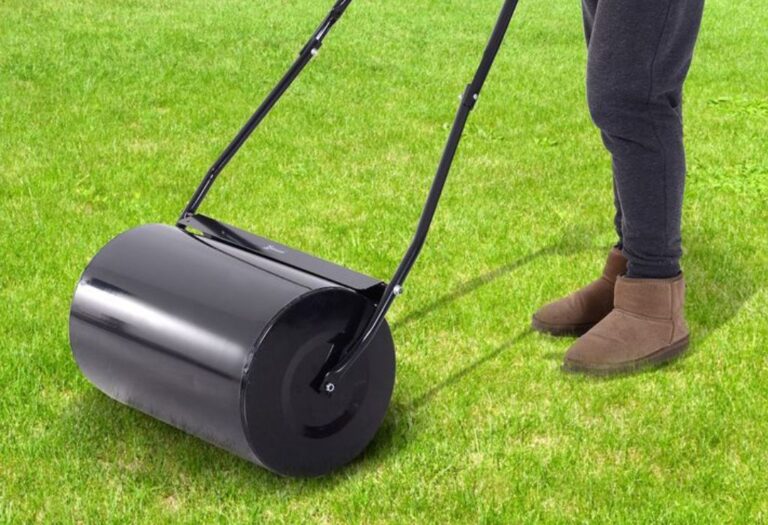
The weight of the roller should match the size of your lawn. A small, lightweight roller is suitable for smaller lawns, while larger lawns may require heavier rollers. Avoid rollers that are too heavy. These rollers can cause excessive compaction. The weight of a water-filled roller can be adjusted to match your lawn’s needs.
-
- Roller Type: You can find two main types of lawn rollers: those that can be filled and those that cannot.
Water-filled rollers are adjustable and allow you to control the weight. Empty rollers provide a lighter touch. Solid rollers are best for leveling and seed-to-soil contact. Consider the specific goals of the rolling project. Think about what you hope to achieve with the rolling process. This will help you choose the right roller for your lawn.
-
- Roller Condition: Inspect the roller before each use.
Make sure the roller is in good condition, without any dents, leaks, or damage. Damaged rollers can cause uneven pressure. This can lead to inconsistent results and potential damage to your lawn. Check the roller before use for damage. The roller should be clean and ready to use.
Rolling Techniques for a Healthy Lawn
Following the correct rolling techniques is essential for protecting your lawn’s health. You want to make sure you roll the lawn evenly and avoid harming the grass or soil. By using the proper techniques, you can level out your lawn effectively. This will also give you great results, helping your lawn look its best. Here’s a look at the techniques you should use:
-
- Rolling Direction: Roll in overlapping strips to avoid missing spots.
Start by rolling your lawn in one direction. Then, make a second pass perpendicular to the first. Overlapping ensures that you cover the entire lawn area. This ensures a consistent level of soil contact. This will make your lawn smoother and more even.
-
- Speed and Pressure: Use a slow, steady pace.
Avoid rushing, and do not apply too much pressure. Going too fast or applying excessive weight can cause damage, especially when the soil is not completely dry. Use a steady pace that allows the roller to move smoothly across the lawn surface. This will help ensure the soil is compacted evenly.
-
- Avoiding Turns: Avoid sharp turns.
Sharp turns can damage the grass. Lift the roller and reposition it instead. This prevents the roller from tearing up the grass. Lifting and repositioning helps preserve the integrity of the turf. These extra steps will lead to a better-looking lawn with fewer issues. This method also minimizes potential damage.
Alternatives to Lawn Rolling After Rain
If your lawn is too wet to roll, or if you prefer a less invasive method, there are other ways to address lawn issues like unevenness or compaction. These alternatives can often provide effective results. You can avoid the potential drawbacks of rolling. Consider these lawn care strategies:
Other Methods for Leveling Uneven Lawns
If your lawn has uneven areas but the soil is too wet for rolling, you can use several methods to level the surface. These options can help improve the appearance of your lawn. Each method addresses different levels of unevenness, offering solutions for minor and major problems. These methods help provide more options.
-
- Topdressing: Apply a thin layer of topsoil or compost to low areas.
Topdressing is great for filling in small dips and improving soil quality. Spread the topdressing evenly over the low spots. Use a rake to work it into the grass. This will help the soil settle. Repeat as needed to achieve a level surface. With topdressing, you also improve the soil’s organic content.
-
- Spot Leveling: For small, isolated bumps, manually remove the sod. Then remove or add soil as needed.
Then
-
- Aeration: Aeration is done with a machine that removes small plugs of soil from the lawn.
This improves air circulation and can help alleviate compaction. Aeration creates pathways for air, water, and nutrients to reach the roots of the grass. Aeration is especially beneficial when your lawn has a high clay content. Aeration will leave your lawn in better condition.
Methods to Improve Soil Compaction
If soil compaction is your main concern, you can use specific methods to alleviate it. Compaction is often caused by heavy foot traffic, or using heavy equipment. If you notice your lawn is suffering, you can improve the health of your lawn and encourage healthy growth. Here are some proven methods for dealing with soil compaction:
-
- Aeration: This is the most effective solution for compacted soil.
Aeration improves air circulation and water penetration. Aeration can be done with a core aerator that removes plugs of soil. Aeration can be done with spike aerators. This treatment relieves the compaction and promotes healthy root growth. The process also helps the grass recover from the damage.
-
- Overseeding: Introduce new grass seeds into your lawn.
Overseeding is often done after aeration. The aeration creates pathways for the new seeds to reach the soil. This will give the new grass a better chance to grow and establish. This can help fill in thin areas and improve the overall density of your lawn. Overseeding creates a thick, healthy lawn.
-
- Proper Watering and Fertilizing: Ensure your lawn gets the nutrients and moisture it needs.
Fertilizing and watering practices can help improve your lawn’s health. The roots will be able to grow stronger and deeper. Ensure the grass receives the appropriate nutrients and water. This will lead to healthier, more resilient grass. Proper care will also boost your lawn’s natural defenses.
Lawn Rolling After Rain: Common Mistakes to Avoid
You can avoid making common mistakes. Lawn rolling, when done improperly, can do more harm than good. You can protect your lawn and prevent unnecessary damage. By knowing what to avoid, you can ensure your lawn stays healthy. These key mistakes are common, and awareness can prevent them.
Ignoring Soil Conditions
One of the most common mistakes is rolling the lawn when the soil is too wet. This can lead to severe compaction and long-term damage. Compaction reduces the pore spaces in the soil. That will restrict water, air, and nutrient flow to the grass roots. When you roll wet soil, you squeeze the soil particles together. This makes it difficult for roots to grow. You have to always assess the soil. Consider these points:
-
- Rolling Too Soon: Waiting for the soil to dry sufficiently is key.
Avoid the urge to roll immediately after a rainfall. Give the soil ample time to dry out. The time varies based on soil type and weather. Use the squeeze test, footprint test, or screwdriver test to determine if the soil is ready. Premature rolling can cause lasting damage. Take the time to wait until it’s ready.
-
- Rolling After Heavy Rain: Avoid rolling after excessive rainfall.
Heavy rainfall saturates the soil, increasing the risk of compaction. The more water in the soil, the more likely the soil is to compact. Wait for a few dry days. Then perform the soil tests before considering rolling. The extra wait will pay off with a healthier lawn.
-
- Rolling at the Wrong Time of Year: Avoid rolling when the grass is dormant.
Rolling during the spring or fall when the grass is actively growing. This is especially true after seeding. Rolling can help level the surface, improving seed-to-soil contact. Rolling at the wrong time of year can damage the grass. It can also reduce the chances of good results.
Using the Wrong Equipment
Using the wrong equipment can lead to poor results. This often causes unnecessary damage to your lawn. The wrong roller, or using the roller in the wrong way, can negate any benefits you might hope to achieve. Here is what to consider:
-
- Using an Overly Heavy Roller: Use a roller that is too heavy can cause excessive compaction.
The weight of the roller should be proportional to the size of your lawn. Choose a roller that will effectively level the lawn without causing damage. Heavier rollers are best for large, uneven lawns. Lighter rollers are great for smaller lawns or light leveling. Choosing the right weight will improve results.
-
- Operating at an Incorrect Speed: Avoid rolling too fast or too slow.
Move at a consistent, moderate pace. Rolling too fast can cause the roller to skip over uneven spots. Rolling too slowly may cause excessive compaction. The right speed ensures even coverage and pressure, minimizing harm. The right speed will lead to the best results.
-
- Improper Rolling Techniques: Follow the rolling direction.
Improper techniques, such as making sharp turns, can damage the grass. Use overlapping passes to cover the entire lawn area. Avoid making sharp turns that could tear up the turf. Proper techniques lead to a more even and effective leveling. They also minimize the risk of damaging the turf.
Case Studies and Examples
You can see how the approach to lawn rolling plays out in real-world scenarios. Here are two examples of lawn rolling in practice, with a focus on their results:
-
- Scenario 1: New Lawn Installation
A homeowner installs new sod in the spring. The soil is slightly uneven. Before rolling, the soil is tested and found to be firm but not overly wet. The homeowner uses a water-filled roller. They roll the lawn to ensure good contact between the sod and the soil. The lawn is rolled in overlapping passes to ensure even coverage. The result is a smooth, level lawn with excellent sod-to-soil contact. The grass establishes quickly, and the homeowner achieves a lush, healthy lawn in weeks.
-
- Scenario 2: Frost Heave Repair
After a harsh winter, a lawn suffers from frost heave, resulting in significant unevenness. After the soil thaws, the homeowner assesses soil conditions. The soil is firm, and the weather forecast is dry. They use a solid roller to gently level the lawn. They use overlapping passes. The result is a significantly improved appearance. The lawn regains its smooth surface, and grass growth resumes quickly in the spring. This quick fix prevents future issues, making the yard ready for summer activities.
Frequently Asked Questions
Question: When is the best time to roll a lawn?
Answer: The best time to roll a lawn is when the soil is slightly moist but not overly wet. Wait until the soil can hold its shape when squeezed but does not release water. The ideal time is during spring or fall when the grass is actively growing.
Question: Can rolling a lawn damage the grass?
Answer: Yes, rolling can damage the grass if the soil is too wet or if the roller is too heavy. This is also true if the techniques are wrong. Compaction can damage roots and slow growth, while a heavy roller can tear up the turf.
Question: How often should I roll my lawn?
Answer: You should only roll your lawn when necessary. Limit rolling to address specific issues, such as leveling an uneven surface, improving seed-to-soil contact, or correcting frost heave damage. Rolling more than once a year is generally not needed.
Question: What type of roller is best for a small lawn?
Answer: A lightweight, water-filled roller is ideal for a small lawn. This type allows you to adjust the weight to suit the soil conditions and the specific needs of your lawn. Lighter models also make it easier to maneuver around.
Question: Should I roll my lawn after applying fertilizer?
Answer: It’s best to avoid rolling your lawn immediately after applying fertilizer. Rolling after fertilization can damage the grass. It can also cause the fertilizer to spread unevenly. Water the lawn lightly instead, to help the fertilizer integrate into the soil.
Final Thoughts
Knowing can you roll lawn after rain is important for all lawn care enthusiasts. It’s essential to consider the soil moisture and the health of your grass. Rolling a wet lawn can lead to soil compaction, root damage, and the growth of diseases. In contrast, rolling a dry lawn can level the surface, improve seed-to-soil contact, and address frost heave. To make the right decision, you need to understand your soil type, grass type, and the weather. Assess your lawn carefully before you roll to determine if this is the right approach. When you do roll, make sure to choose the correct roller and use the right rolling techniques. When done correctly, rolling can be a useful method for maintaining a beautiful lawn. Use these insights to create the lawn you’ve always wanted.